Camden, a perennial favorite for North Londoners, stands as a living chronicle of urban transformation, cultural vibrancy, and green spaces that endure beyond fashion trends. Camden’s story into a concise, publish-ready narrative suited for readers who want depth without daily news cycles. It weaves together Camden Town’s origins, its regeneration through transport and markets, and the borough’s lasting appeal for residents and visitors alike.
Camden Town and the making of a cultural hub
Camden Town began as a modest settlement on the edge of Kentish Town, with development accelerating in the late 18th and early 19th centuries as the Regent’s Canal opened and the railway network expanded. This period transformed Camden into a transportation and commercial node, setting the stage for the area’s distinctive industrial-meets-arts character. The subsequent emergence of street markets, warehouses, and diverse nightlife cemented Camden’s identity as a frontier of counterculture and independent enterprise that continues to attract people from across London and beyond. For many locals, Camden Town remains a symbol of resilience, creativity, and accessible urban life, even as the surrounding cityscape evolves around it. Camden Council history and Britannica-style context provide reliable anchors for this evolution.
Geography that shapes life in the borough
Camden’s geography blends dense urban neighborhoods with generous green spaces and waterways. Hampstead Heath to the north offers expansive, historic parkland and dramatic views of the city, while the Regent’s Canal corridor threads through the heart of Camden Town, linking industrial heritage with contemporary leisure and markets. Primrose Hill, just to the south, provides a popular vantage point and a reminder that nature sits within reach of a major metropolis. This mix of parks, canals, and bustling high streets creates a distinctive North London experience: a true convergence of culture, history, and everyday living. The physical layout helps explain Camden’s enduring appeal to families, students, professionals, and cultural mavens alike.
Markets, music, and ongoing culture
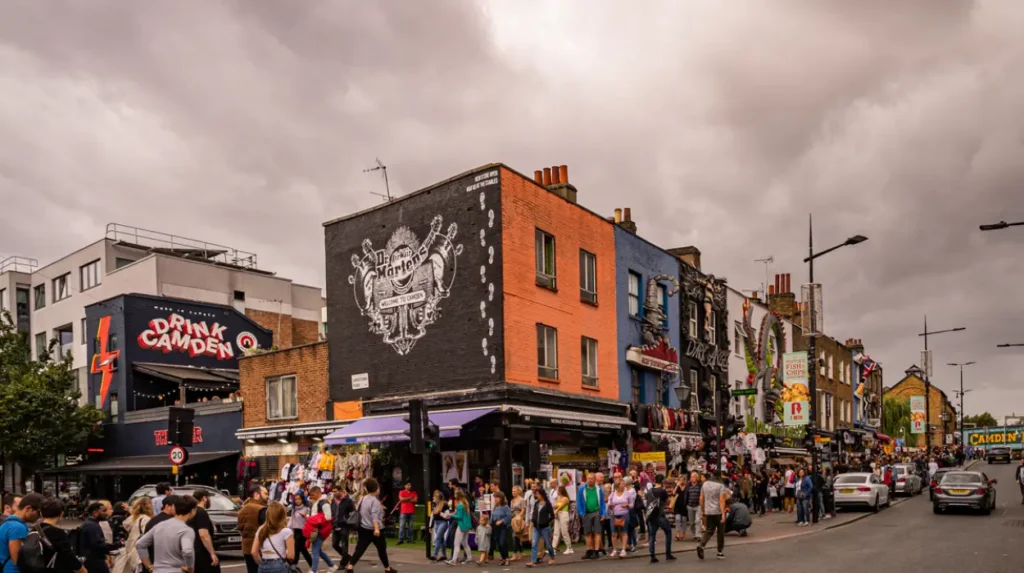
The Camden Market ecosystem remains a magnet for shoppers, food lovers, and creatives, offering an ever-changing tapestry of stalls, boutiques, and eateries set against a backdrop of railway arches and canal-side paths. The area’s music venues and arts spaces, including iconic performance hubs and newer indie spaces, keep Camden at the center of London’s cultural map. The market and musical heritage are not static souvenirs: they adapt with new producers, international influences, and evolving consumer tastes, ensuring Camden maintains relevance for multiple generations. This ongoing vitality underscores Camden’s status as an evergreen topic for anyone exploring London’s cultural economy.

Civic life, education, and the living borough
Camden’s public services and educational institutions support a diverse, densely populated urban community. From primary schools to adult education programs, the borough emphasizes inclusive access to learning and community involvement. The civic framework mirrors a long-standing tradition of public engagement, social welfare, and cultural funding that keeps Camden’s communities connected and empowered. These foundations contribute to a high quality of life for residents and offer constant material for writers seeking evergreen topics—neighborhood profiles, historic case studies, and guides to local governance—without needing to chase topical news cycles.