North London is a tapestry of diverse neighborhoods, leafy suburbs, historic markets, and vibrant cultural scenes. This evergreen guide surveys the key threads that weave together daily life, civic energy, and long-term transformation across Barnet, Enfield, Haringey, and the northern edges of Islington and Camden. From transport and housing to local identity, schools, and civic activism, the topics covered here remain relevant beyond any single news cycle. This article is designed for a North London audience seeking a stable reference point—whether newcomers, long-time residents, or visitors curious about what makes North London distinctive.
Geography and Character
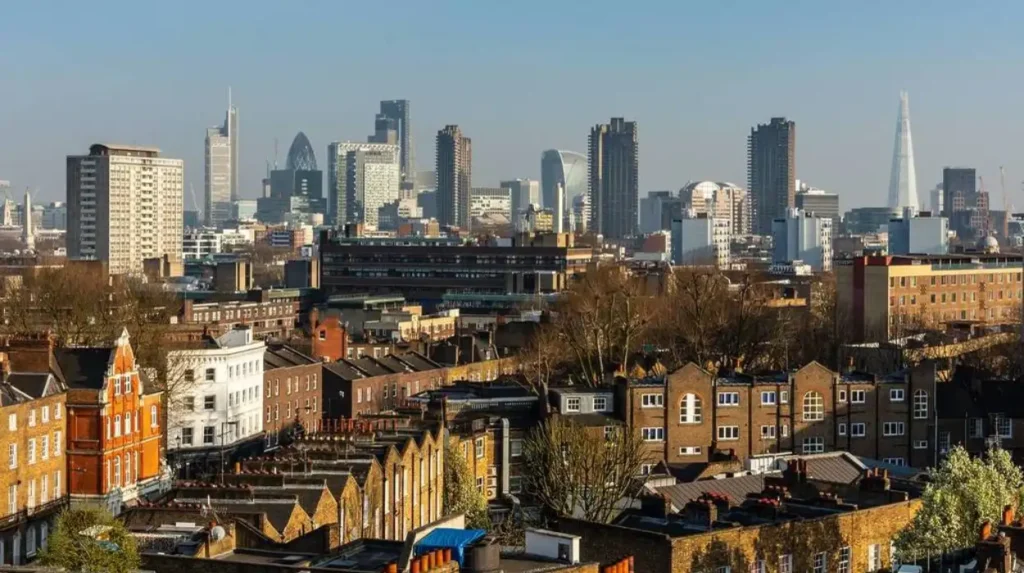
North London spans a broad arc from green spaces and historic market towns to riverfronts and bustling high streets. Each borough contributes its own character, creating a patchwork of community life that influences everything from property values to school catchments. The area’s green spaces—parks, commons, and nature reserves—provide vital anchors for recreation, biodiversity, and social events, reinforcing a sense of place across neighborhoods.
Transport and Accessibility
Connectivity is the backbone of North London life. The region benefits from a multi-tier transport network—underground, overground, bus routes, cycling lanes, and major arterials—that shapes commuting patterns, housing demand, and local economies. Ongoing improvements in transport infrastructure, including upgrades and new services, influence development plans and resident experiences, making easy access to central London and beyond a perennial topic for residents and policymakers alike.
Housing, Planning, and Community Life
The North London housing landscape balances demand for affordable options with market-rate housing, shaping family formation, school choices, and neighborhood stability. Long-term planning aims to boost supply while protecting character, local services, and green spaces. Community-led development—through resident associations, faith groups, schools, and local charities—often informs planning decisions and drives cultural and social programming that sustains neighborhood vitality.
Education, Youth, and Family Life
The area hosts a diverse mix of primary, secondary, and tertiary institutions, attracting families that value educational quality, after-school opportunities, and access to higher education nearby. Youth engagement and voluntary sector activity—community clubs, mentoring schemes, and youth services—help residents build skills, resilience, and social capital, while universities and research centers in the wider region extend educational access and collaborative opportunities.
Culture, Arts, and Local Identity
Cultural capital thrives across North London through markets, theatres, libraries, galleries, and music venues. A dynamic arts scene supports local artists and performers, while community festivals and historical initiatives foster shared identity and intergenerational connections. Food markets, diverse eateries, and independent retailers reflect the area’s multicultural makeup and act as social hubs that knit communities together.
Civic Life, Safety, and Social Cohesion
Civic activism and community organizing remain central to North London life. Local coalitions address safety, housing, inclusion, and services, often influencing policy at the borough level. Street safety, youth outreach, and robust social services are ongoing priorities, with many initiatives drawing broad participation from residents and organizations alike.
Economic Vitality and Opportunities
Independent businesses, local markets, and small-to-mid-sized enterprises drive economic resilience in North London. Supporting local commerce sustains jobs, preserves high street character, and fosters community networks. Public services, healthcare access, and local employment opportunities contribute to daily stability and long-term prosperity for residents.
Landmarks and Heritage
The built environment in North London reflects a blend of Victorian heritage, interwar architecture, and contemporary design. Balancing preservation with modern needs remains a key consideration for planners and residents, ensuring that historic landmarks and streetscapes continue to inspire while supporting sustainable growth. Parks, markets, libraries, and religious buildings offer physical links to the area’s past and present, providing educational and recreational value for all ages.
Staying Informed and Engaged
Reliable, balanced information about North London is found in official council communications, long-standing local newspapers, and respected community organizations. For readers seeking deeper context, cross-referencing council reports, heritage archives, and community campaigns helps provide a fuller picture of ongoing developments and long-term trends. Engaging with local groups, attending public meetings, and volunteering can deepen understanding and strengthen communal ties.
Practical Guide for Residents and Newcomers
- Finding a home: Evaluate neighborhoods by transport links, schools, green spaces, and amenities. Understand planning rules, zoning, and permit processes relevant to any renovation or new-build plans.
- Schools and family life: Research school performance, catchment areas, after-school programs, and family-friendly activities to choose a suitable locality.
- Getting connected: Join neighborhood associations, volunteer with community groups, and use libraries and community centers as hubs for social and civic participation.
North London embodies a blend of enduring institutions, dynamic communities, and ongoing efforts to balance growth with quality of life. This evergreen guide provides a stable framework for understanding how transport, housing, education, culture, and civic engagement interlink across the boroughs of Barnet, Enfield, and Haringey, along with the northern parts of Islington and Camden. Readers can rely on these core themes as a reliable reference while exploring more detailed, source-backed information from official council sites, heritage organizations, and trusted community groups as needed.