North London, comprising boroughs such as Camden, Islington, Haringey, Barnet, and Enfield, has a rich history dating back to prehistoric times. Early settlers inhabited areas like Hampstead Heath around 7000 BC, making it one of the oldest continuously inhabited parts of London. Historically, this region evolved from rural settlements beyond the Roman city walls into vibrant Victorian suburbs shaped by significant social, political, and industrial developments. Today, its numerous heritage sites serve as living connections to a layered past cherished by both locals and history enthusiasts.
Roman Foundations (43-410 AD)
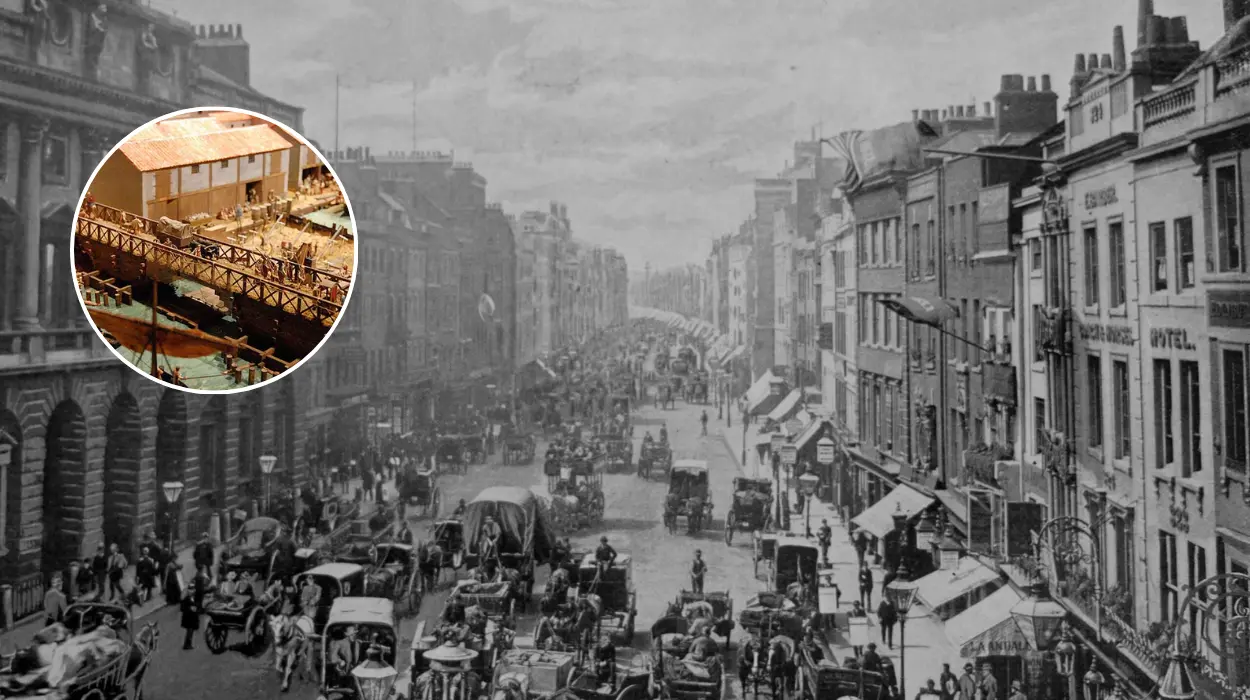
The Roman period established a foundational chapter for North London when Londinium was founded around AD 43 as a strategic settlement on the north bank of the Thames. The area served as a crucial port and administrative center, protected by massive defensive walls built during the Roman occupation. The remains of these walls and wooden pilings discovered in 1931 attest to the sophisticated engineering of the time. Although expansions beyond the walls were limited due to natural marshlands, the north bank connected vital trade routes that fostered economic and political activity. After the Roman withdrawal around 410 AD, North London transitioned to Anglo-Saxon control, with the old Roman city walls soon refortified by Alfred the Great in the 9th century to protect against Viking invasions.

Medieval Villages and Norman Influence (410-1500s)
Following the Romans, the Anglo-Saxons developed trade centers just outside the city walls while large parts of North London remained forested and rural for centuries. After the Norman Conquest in 1066, the region saw modest changes compared to central London, with Norman influence consolidating through land ownership by abbeys and nobility. Highgate and Hampstead, mentioned in records from the early 14th century, formed as hamlets centered around estates and tollgates on key roads. Highgate in particular became known for its hunting grounds under the Bishop of London and a strategic tollgate on an elevated route. Both villages gradually expanded into residential settlements with notable medieval structures and schools, blending rural charm with growing urban importance.
Georgian and Regency Developments (1600s-1830s)
The Georgian and Regency eras brought gradual transformation as London’s affluent classes sought country residences in North London villages. Highgate and Hampstead attracted nobles who built grand houses with spectacular views of the city below. The establishment of Camden Town in the late 18th century and the opening of the Regent’s Canal in 1820 catalyzed industrial activity in the area, especially around trade and manufacturing. Infrastructure improvements like Euston Road, London’s first bypass, enabled suburban expansion beyond the old parish limits. Despite these developments, large parts of North London remained semi-rural, with industrial growth constrained by marshy terrain.
Victorian Boom and Industrial Rise (1837-1901)
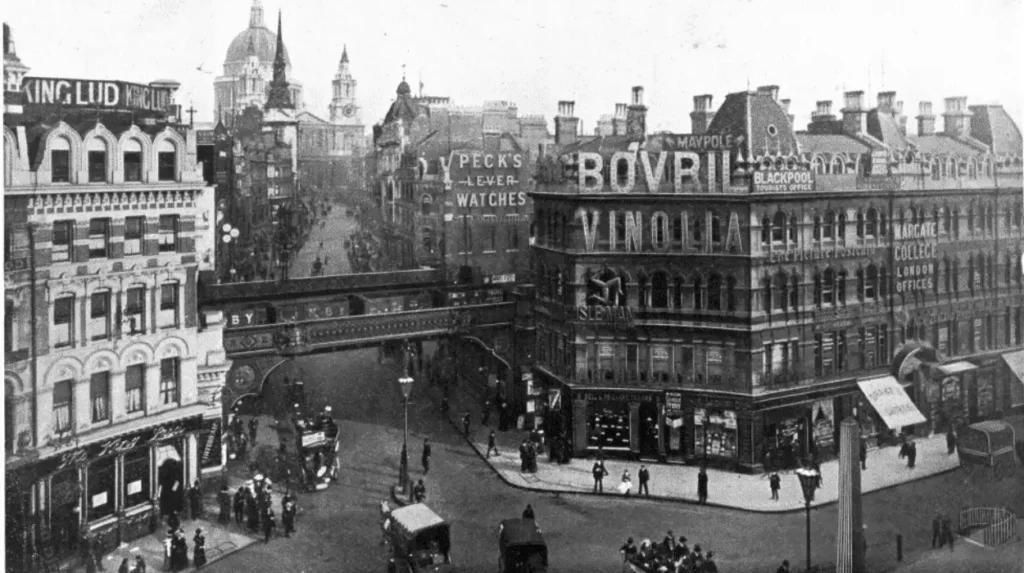
The Victorian era marked a surge in urbanization fueled by the expansion of railways and factories. Railway lines connected North London boroughs closely to central London, prompting widespread construction of terraced housing for workers and middle-class families. The opening of Alexandra Palace in 1873 as a public entertainment venue was a hallmark of the era, embodying Victorian values of leisure and culture amidst industrial growth. Industrial developments such as textile mills and canal-based commerce flourished, supported by legislation regulating labor conditions. This era saw the formal creation of metropolitan boroughs, precursors to the modern boroughs of London, that managed rapid population growth and infrastructure needs.
20th Century: War, Welfare, and Modern Renewal (1900-2000)
The 20th century brought pivotal changes to North London amidst two world wars and social reforms. During WWII, parts of North London experienced bombing raids impacting communities and historic sites, with memorials commemorating local contributions to the war effort. The post-war period ushered in government reorganization via the London Government Act of 1965, which created the contemporary boroughs such as Camden and Haringey by merging older districts. Alexandra Palace notably served as a pioneer site for early television broadcasts in the 1930s and remains a cultural landmark. Social housing projects, transportation upgrades, and cooperative movements transformed the urban fabric, balancing preservation with modernization.
Iconic Heritage Sites and Enduring Legacy
Today, North London proudly preserves its historical treasures, including Hampstead Heath, a natural space dating back thousands of years, and Highgate Cemetery, rich with Victorian architectural and cultural history. Camden markets blend canal industrial heritage with contemporary urban culture, while Alexandra Palace stands as a Grade II listed site beloved by locals and visitors alike. These heritage assets symbolize the continuity from ancient times through Roman, medieval, and Victorian eras to the present day. Official protections by bodies like Historic England ensure these sites remain integral to North London’s identity and offer endless opportunities for exploration by residents and history enthusiasts.
North London’s history is a testament to its evolving role from a strategic Roman and medieval outpost to a dynamic cultural and residential hub. Walking through its streets or green spaces, one treads layers of time, experiencing a rich heritage that connects communities to London’s broader historical narrative.