Key Points
- Bentry Capital, a leading investor-developer, has acquired Branch Hill House, an elegant Edwardian mansion in Hampstead Village, for £16.4 million to develop No.1 Hampstead, a gated scheme of premium lateral apartments set in 1.7 acres of landscaped gardens.
- The freehold site features lapsed planning consent originally granted in 2021 for residential redevelopment, with the deal completed in just 13 working days ahead of the Autumn 2025 Budget.
- No.1 Hampstead forms part of Bentry Capital’s new Bentry Heritage collection, converting historic buildings into residential schemes, within their £500 million gross development value (GDV) portfolio across London and regional cities.
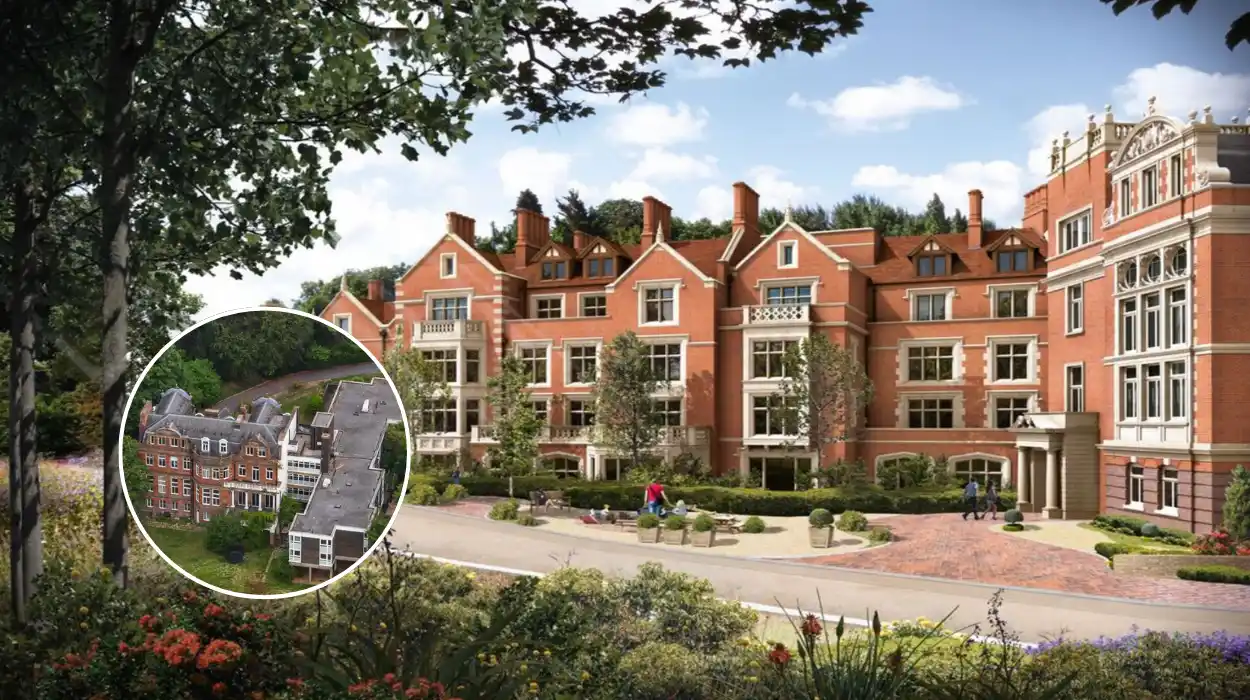
- Branch Hill House, located off Branch Hill Road behind a sweeping driveway, spans 23,456 sq.ft. across a grand Edwardian Baroque mansion built in 1901 by Ernest Flint and architect Henry Flitcroft for banking tycoon John Nivison, 1st Baron Glendyne.
- The mansion’s architecture echoes Sandringham House, remodelled around 1900, and includes a modern wing added circa 1967 by Camden London Borough Council.
- The site’s history dates to 1741 with the first manor house built for judge Sir Thomas Clark, Master of the Rolls; it later served as the London home of Fitton Gerard, 3rd Earl of Macclesfield, and wealthy Hampstead merchant Sir Thomas Neave.
- In 1964, Camden London Borough Council purchased the Edwardian mansion, converting it into a care home that operated until 2015.
- Bentry Capital plans to restore the original Edwardian mansion and its period features to residential use, replacing the 1960s extension with a new-build wing echoing Edwardian architecture.
INVERTED PYRAMID NEWS STORY
Bentry Capital has purchased the historic Branch Hill House in Hampstead Village for £16.4 million, securing a prime freehold site with lapsed planning consent to launch No.1 Hampstead, a luxury gated development of premium apartments amid 1.7 acres of landscaped gardens. The swift deal, finalised in just 13 working days before the Autumn 2025 Budget, marks a key addition to Bentry Capital’s £500 million GDV portfolio and their new Bentry Heritage collection of restored historic properties. This redevelopment returns the Edwardian Baroque mansion, built in 1901, to its residential roots after decades as a council-run care home.
- Key Points
- INVERTED PYRAMID NEWS STORY
- What is Branch Hill House and Where is it Located?
- Who Owns Branch Hill House Now and What are Their Plans?
- Why Did the Deal Happen So Quickly Before the Autumn 2025 Budget?
- What is the Illustrious History of Branch Hill House?
- How Will No.1 Hampstead Preserve Edwardian Heritage?
- What Role Does Bentry Capital Play in London’s Property Landscape?
- Why is Hampstead Village Ideal for Luxury Redevelopments?
- What Comes Next for the Site Post-Acquisition?
What is Branch Hill House and Where is it Located?
Branch Hill House stands off Branch Hill Road in Hampstead Village, accessible via a sweeping driveway that enhances its grandeur. The property encompasses 23,456 sq.ft. of accommodation within its main Edwardian Baroque structure, constructed in 1901 by builder Ernest Flint and architect Henry Flitcroft. Commissioned for banking tycoon John Nivison, 1st Baron Glendyne, the mansion’s design draws parallels to Sandringham House, which underwent remodelling around 1900 during the same era.
A modern wing, added circa 1967 by Camden London Borough Council, complements the original architecture but faces replacement in the upcoming plans. The 1.7-acre site, surrounded by landscaped gardens, underscores its status as a prestigious asset in one of London’s most sought-after neighbourhoods. As reported in the acquisition announcement from Bentry Capital’s official channels, the freehold site’s lapsed planning consent, originally granted in 2021, paves the way for residential redevelopment without fresh hurdles.
Who Owns Branch Hill House Now and What are Their Plans?
Leading investor-developer Bentry Capital now holds ownership of Branch Hill House following the £16.4 million transaction. The firm intends to deliver No.1 Hampstead, a magnificent gated scheme featuring premium lateral apartments that preserve the site’s heritage while introducing modern luxury. This project integrates into Bentry Capital’s Bentry Heritage collection, focused on transforming historic buildings into high-end residential schemes across London and regional cities.
Bentry Capital will meticulously restore the original Edwardian mansion, safeguarding its period features central to its character. The 1960s extension will give way to a new-build wing designed to mirror the Edwardian architectural style, ensuring seamless harmony. According to details from Bentry Capital’s development outline, the scheme aims to reposition the property as “No.1 Hampstead,” targeting discerning buyers in the premium market.
Why Did the Deal Happen So Quickly Before the Autumn 2025 Budget?
The acquisition concluded in a remarkably efficient 13 working days, timed precisely ahead of the Autumn 2025 Budget. This expediency highlights Bentry Capital’s strategic acumen in navigating a fast-moving property market amid economic uncertainties. The lapsed 2021 planning consent provided a ready framework, minimising delays and enabling prompt progression to the No.1 Hampstead vision.
Such rapid transactions reflect broader investor confidence in Hampstead’s enduring appeal, where historic assets command premium valuations. Bentry Capital’s £500 million GDV portfolio, spanning multiple urban centres, positions this deal as a cornerstone of their expansion. No external commentary from Bentry Capital principals was detailed in the primary announcement, but the timing suggests proactive positioning against potential fiscal changes.
What is the Illustrious History of Branch Hill House?
The site’s legacy traces back to 1741, when the first manor house rose for judge Sir Thomas Clark, who served as Master of the Rolls. Subsequent owners included Fitton Gerard, the 3rd Earl of Macclesfield, and Sir Thomas Neave, a prosperous Hampstead merchant, cementing its status among elite residences. By 1901, the current Edwardian mansion emerged under John Nivison, 1st Baron Glendyne, blending opulence with architectural finesse reminiscent of royal estates.
In 1964, Camden London Borough Council acquired the property, repurposing the Edwardian mansion as a care home that functioned until 2015. This public stewardship marked a departure from private residential use, yet preserved the structure for future revival. Historical records, as referenced in the Bentry Capital press release, underscore the mansion’s evolution from judicial seat to merchant haven and banking magnate’s home.
How Will No.1 Hampstead Preserve Edwardian Heritage?
Restoration efforts will centre on reinstating Branch Hill House’s residential origins, with careful attention to original Edwardian features like ornate facades and interiors. The new-build wing replacing the 1960s addition will adopt Edwardian stylistic elements, maintaining architectural coherence across the 23,456 sq.ft. footprint. Landscaped gardens spanning 1.7 acres will enhance the gated enclave’s exclusivity.
Bentry Capital’s Bentry Heritage initiative emphasises sympathetic conversions, ensuring historic integrity amid contemporary amenities. Premium lateral apartments will cater to Hampstead’s affluent demographic, blending period charm with modern specifications. The development’s positioning as “No.1 Hampstead” signals ambitions for landmark status in the locality’s luxury sector.
What Role Does Bentry Capital Play in London’s Property Landscape?
Bentry Capital operates as a prominent investor-developer, curating a £500 million GDV portfolio that spans London and regional cities. Their Bentry Heritage collection spotlights adaptive reuse of heritage assets, with No.1 Hampstead exemplifying this approach. The firm’s website (https://bentry-capital.com/) details commitments to prestigious schemes that elevate historic properties.
This acquisition bolsters Bentry Capital’s footprint in Hampstead, a enclave synonymous with wealth and culture (https://en.wikipedia.org/wiki/Hampstead). Branch Hill Road’s proximity (https://en.wikipedia.org/wiki/Branch_Hill,_Hampstead) adds contextual prestige. As a neutral observer notes from the deal’s documentation, Bentry Capital’s portfolio diversification mitigates market volatility.
Why is Hampstead Village Ideal for Luxury Redevelopments?
Hampstead Village remains a magnet for high-net-worth individuals, owing to its verdant setting, cultural vibrancy, and proximity to central London. Branch Hill House’s position amplifies this allure, with its sweeping driveway and expansive grounds rare in urban contexts. The area’s Edwardian and historic fabric aligns seamlessly with Bentry Capital’s vision.
Planning consent from 2021, though lapsed, signals prior regulatory endorsement, streamlining No.1 Hampstead’s path. Camden Council’s past involvement underscores local adaptation precedents. Premium apartments here promise strong demand, fuelling the £16.4 million investment’s rationale.
What Comes Next for the Site Post-Acquisition?
Immediate steps involve activating the lapsed consent for full residential redevelopment, prioritising mansion restoration. Bentry Capital will coordinate architectural surveys to protect period elements while integrating the new wing. Construction timelines remain unspecified, but the 13-day deal pace suggests momentum.
Stakeholder engagement with Camden London Borough Council may follow, given their historical oversight. The care home’s 2015 closure created opportunity, now realised through private enterprise. No.1 Hampstead’s launch will introduce Bentry Heritage to Hampstead, potentially inspiring similar projects.