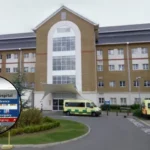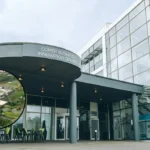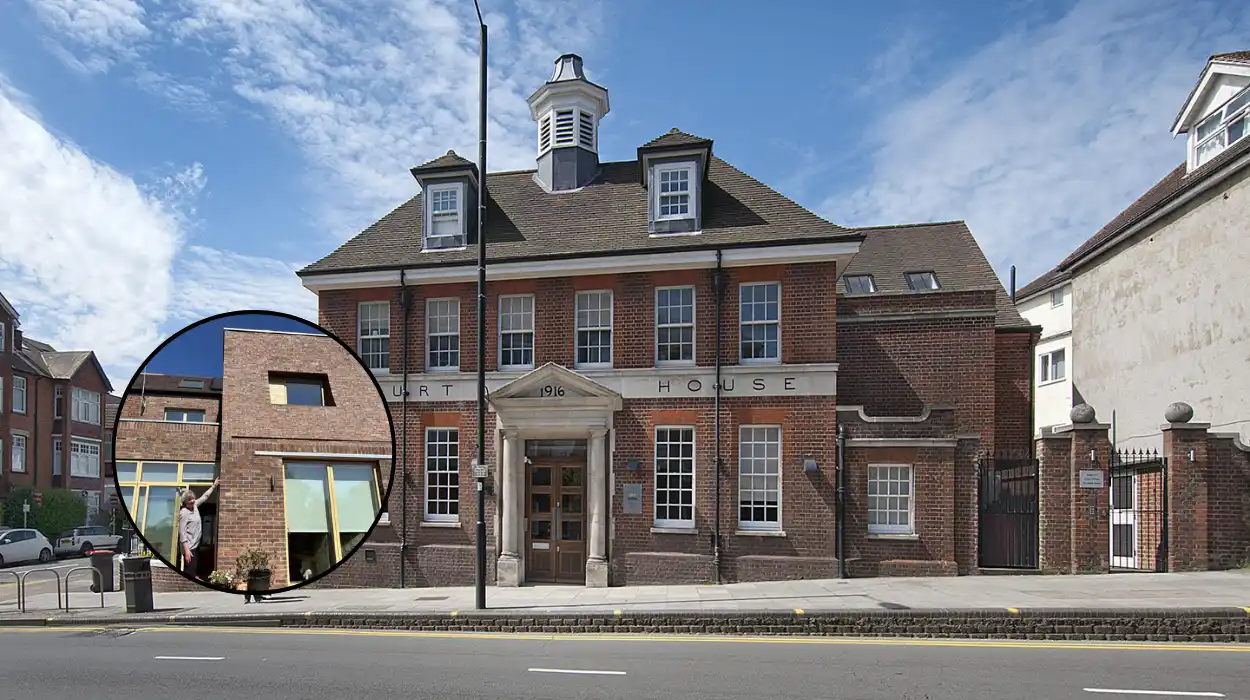
Barnet House stands as a prominent landmark in North London, embodying the area’s blend of mid-20th-century architecture and modern civic function. Originally built as a corporate headquarters, this Wood Street property in Barnet has evolved into the central hub for local governance. Its story reflects broader themes of urban development in North London boroughs.
Historical Origins
Barnet House, located at 1255 High Road in Whetstone, traces its roots to 1965 when it opened as Ever Ready House. Commissioned by the Ever Ready battery company (now part of Energizer), the modernist building featured innovative design elements typical of post-war Britain, including extensive glazing and a bold concrete frame. By 1986, it transitioned to serve as the main offices for the London Borough of Barnet Council, marking a shift from private enterprise to public service.
The structure’s relocation from Hendon to Whetstone symbolized Barnet’s growth as a suburban administrative center. North London’s expansion in the 1960s, fueled by improved transport links like the Northern Line, made such sites ideal for consolidating council operations. Today, it houses key departments, ensuring efficient delivery of services to over 400,000 residents.
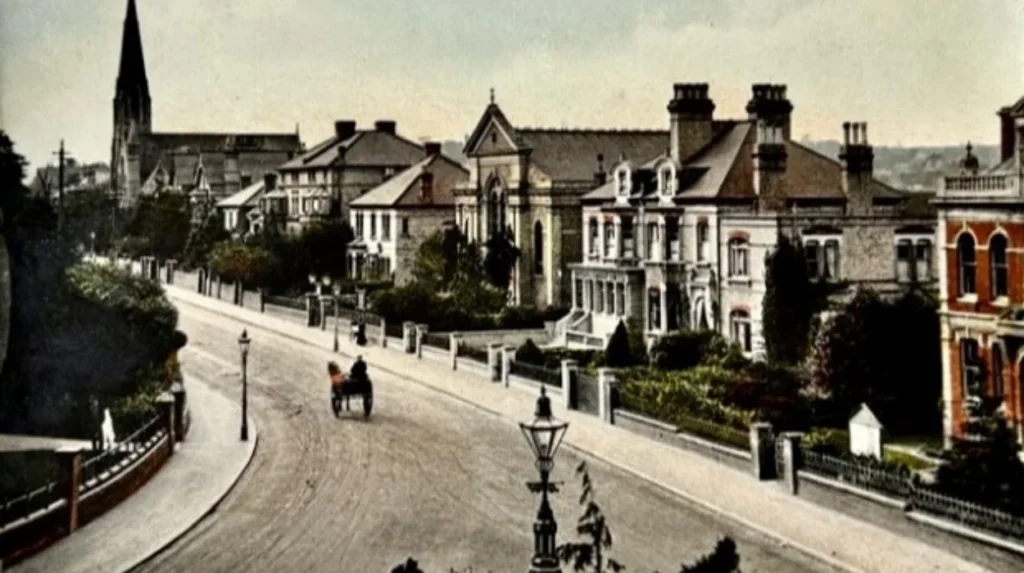
Architectural Highlights
Designed by architects Bernard A. Miller and Cyril J. Maudlin, Barnet House exemplifies Brutalist influences with its raw concrete exterior and functional layout. The seven-story tower rises prominently, offering panoramic views of the surrounding green belt. Inside, open-plan offices and a distinctive atrium promote natural light, aligning with 1960s ideals of progressive workplaces.wikipedia
Renovations in the 2010s modernized facilities while preserving original features, such as the mosaic-tiled entrance and sculptural elements. For North Londoners, it represents resilient mid-century design amid rapid urbanization. “Barnet House architecture North London” often highlights its role in local heritage walks.
Role in Local Governance
As Barnet Council’s headquarters, the building oversees planning, housing, education, and social services. Major decisions, from park developments in Finchley to road improvements in Edgware, emanate from here. Public access includes council meetings open to residents, fostering transparency in this diverse borough.
During the COVID-19 era, hybrid meeting setups at Barnet House adapted to community needs, underscoring its adaptability. It also hosts voter registration drives and community forums, strengthening civic engagement. For locals querying “Barnet House council services,” it remains the go-to address for permits and inquiries.
Surrounding Neighborhood Attractions
Barnet House sits in Whetstone, a vibrant North London village known for its high street lined with independent shops and eateries. Nearby, Oak Hill Park offers woodland trails and playgrounds, ideal for family outings. The area’s Jewish heritage, evident in synagogues and kosher delis, adds cultural depth.
Just minutes away, the historic Battle of Barnet site (1471) commemorates a pivotal Wars of the Roses clash, with plaques and annual reenactments drawing history buffs. East Barnet’s Clockhouse Parade, remnants of 17th-century estates like Dudmans, provides a rural contrast to suburban sprawl. These spots make Barnet House a gateway to evergreen exploration.
Visiting and Practical Tips
Access Barnet House via bus routes 125 or 326, or drive with ample parking nearby. Wheelchair-friendly entrances and lifts ensure inclusivity. Check barnet.gov.uk for events, as the site occasionally hosts exhibitions on local history.
Cultural and Economic Impact
Barnet House anchors Whetstone’s economy, employing hundreds in public sector roles. Its presence spurred commercial growth, from coffee shops to gyms along High Road. In North London’s property market, proximity boosts home values, with averages around £700,000.
The building inspires local art, featuring in photography exhibits at Barnet Museum. It symbolizes resilience, surviving 1980s privatization threats to remain a public asset. Queries like “living near Barnet House North London” highlight its appeal for commuters to central London.
Future Prospects
Ongoing sustainability upgrades at Barnet House include solar panels and energy-efficient systems, aligning with Barnet’s net-zero goals by 2030. Potential expansions could integrate co-working spaces for startups, blending civic and entrepreneurial vibes.
As North London evolves, the site may host digital town halls, enhancing resident input on issues like HS2 impacts. Its enduring role ensures “Barnet House North London” remains a timeless search term for locals seeking history, services, and community.