Key points
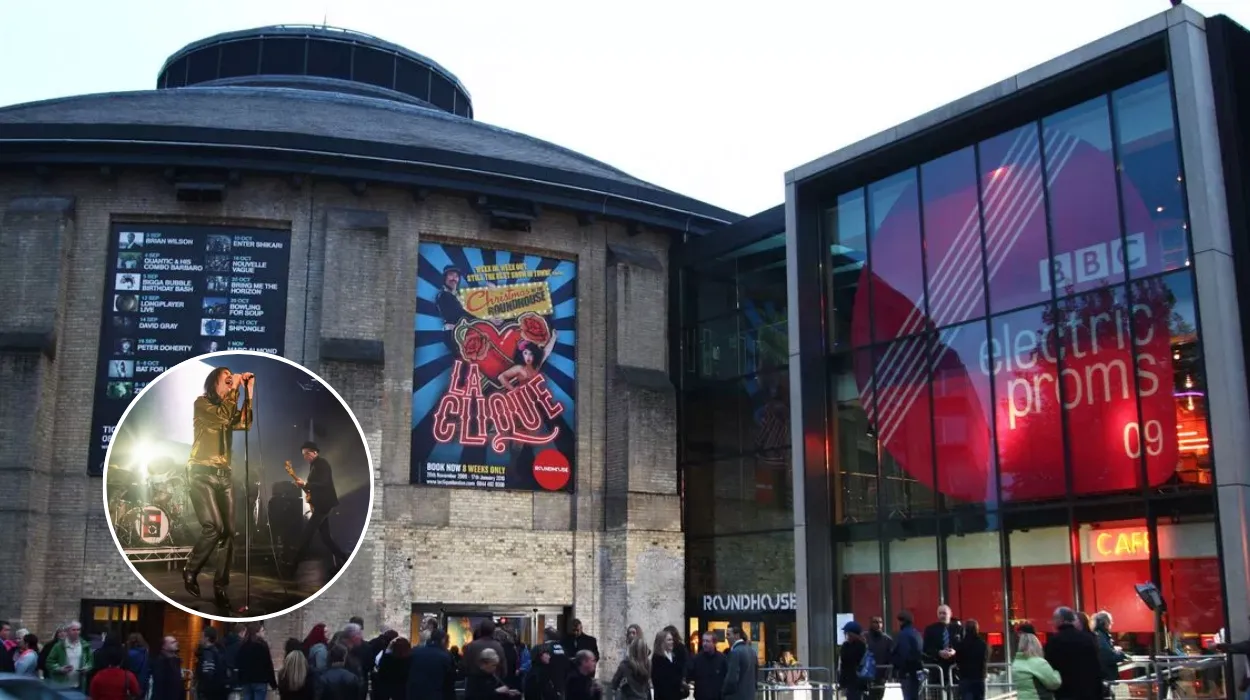
- A video backdrop at a Primal Scream concert at the Roundhouse in Camden, North London, allegedly showed antisemitic imagery combining the Star of David and a swastika.
- The imagery appeared during the band’s performance of their 2000 song Swastika Eyes at a one-off London gig.
- The Roundhouse has issued a public apology, saying it “deeply regrets” that the “highly offensive” graphics were shown and that this happened without its knowledge.
- A Roundhouse spokesperson said the venue was “appalled” by the imagery and condemned antisemitism.
- The incident has reportedly been referred to the police, following complaints about the video content screened on stage.
- The timing of the concert and the precise date have been reported as Monday 8 December at the Roundhouse in Camden.
- The controversy has sparked wider debate about antisemitic imagery, artistic expression, and the responsibilities of venues and artists.
- As reported in the original coverage, the Roundhouse has stressed that it does not endorse the imagery and is reviewing how it was allowed to be displayed.
- Community concerns have been heightened amid a broader climate of reported antisemitic incidents in the UK.
- Primal Scream’s representatives and management have not been fully quoted in the material provided, leaving questions about their response and intent behind the visuals.
What exactly happened at the Primal Scream gig in North London?
The incident occurred during a one-off Primal Scream gig at the Roundhouse in Camden, North London, when a video was projected on stage behind the band. According to the account provided, the video “appeared to show the Star of David entwined with a swastika” while the group performed their song Swastika Eyes, originally released in 2000.
- Key points
- What exactly happened at the Primal Scream gig in North London?
- Why has the imagery been described as antisemitic and ‘highly offensive’?
- How did the Roundhouse respond to the antisemitic imagery allegations?
- Was the incident reported to the police and what action might follow?
- How has the venue framed its role and responsibility?
- What is known about Primal Scream’s performance of ‘Swastika Eyes’ and its visuals?
- How have media outlets and sources framed and attributed the story?
- What are the wider community and cultural implications of the incident?
As described in the report,
“A backdrop showing the graphics appeared behind the band as they performed their 2000 song Swastika Eyes during the one-off gig.”
The imagery was visible on a large screen at the rear of the stage, forming part of the visual production for the track, and was seen by audience members in the venue.
The concert took place on a Monday, reported as Monday 8th December, at the Roundhouse. The combination of the Star of David, a key symbol of Judaism, with the Nazi swastika immediately drew allegations of antisemitism, with some in attendance reportedly shocked and distressed by what they saw.
Why has the imagery been described as antisemitic and ‘highly offensive’?
The central concern relates to the merging or juxtaposition of the Star of David with the swastika, a symbol inextricably linked to Nazi ideology, the Holocaust and genocidal antisemitism. The swastika is widely recognised as a symbol of hatred and persecution of Jewish people, and its combination with the Star of David is often cited by Jewish groups and anti-racism organisations as an example of antisemitic imagery.
In the material provided, it is stated that the venue later described the graphics as “highly offensive”. The report notes that the Roundhouse said it “deeply regret[s]” that such imagery was displayed. This language reflects the gravity with which the venue appears to regard the incident, acknowledging the serious nature of antisemitic symbols.
While some artists historically have argued that provocative imagery can serve as political or anti-fascist commentary, critics argue that using Nazi imagery, particularly in connection with Jewish symbols, risks normalising hatred and retraumatising communities. In this case, those raising concerns considered the content not merely provocative but “antisemitic imagery”.
How did the Roundhouse respond to the antisemitic imagery allegations?
The Roundhouse, a well-known cultural and music venue in Camden, issued a formal apology once the controversy became public. The venue’s statement emphasised that it did not approve or pre-clear the imagery and that it did not endorse the content shown.
According to the wording provided,
“The Camden-based venue said they ‘deeply regret’ that the ‘highly offensive’ graphics were displayed, adding it was done entirely without their knowledge.”
This indicates that the Roundhouse is placing responsibility for the visuals with the act or production team, while acknowledging its own role as host.
In a further passage attributed to a Roundhouse spokesperson, the statement continues:
“In a statement, a spokesperson for Roundhouse said they were ‘appalled’ by the display. ‘We are appalled that antisemitic imagery was displayed during a Primal Scream gig on Monday 8th December at the Roundhouse,’ the spokesperson said.”
As carried in the original news item from MyLondon, the venue’s language makes clear that it condemns the imagery and distances itself from any suggestion of support.
The Roundhouse has not, in the text provided, detailed the internal procedures that allowed the content to be shown without prior vetting. However, its repeated emphasis on regret and lack of knowledge suggests that it is now reviewing how visual content is handled for visiting artists.
Was the incident reported to the police and what action might follow?
The controversy escalated beyond social media and public debate when the matter was reportedly referred to law enforcement. As stated in the account,
“The apology came after the Scottish rock band were reported to the police after a video was screened on stage on Monday which appeared to show the Star of David entwined with a swastika.”
This suggests that at least one individual or group made a formal complaint to the police concerning the video imagery, potentially on grounds related to hate crime or incitement. In the United Kingdom, the display of Nazi symbols or antisemitic imagery can fall under various provisions of hate crime legislation, depending on the context, intent and likely impact.
At this stage, based on the material shared, there is no detailed description of any subsequent police statements, investigations or outcomes. No direct quotations from police sources are included in the information provided, and no charges or formal actions have been reported within this text. Any further legal developments would depend on an assessment of the visuals, the context in which they were used, and their potential to stir up hatred.
How has the venue framed its role and responsibility?
The Roundhouse’s response, as quoted, attempts to balance acknowledgment of the seriousness of the incident with a clear assertion that the venue did not knowingly approve the imagery. The venue is reported as saying it “deeply regret[s]” that such “highly offensive” graphics were displayed and that it was “appalled” to learn of their use during the Primal Scream show.
The statement that the imagery was shown “entirely without their knowledge” positions the Roundhouse as having been unaware of the specific visual content until after the event. As reported in the original MyLondon coverage, the venue has therefore focused its public messaging on condemnation and regret, rather than on artistic intent or context.
Publicly, this places the burden of explanation largely on the band, its creative team or production staff, though no extended comments from Primal Scream’s side are included in the material provided. The venue’s strong wording may also reflect heightened sensitivity around antisemitic incidents and the reputational risk associated with being seen to host or tolerate such imagery.
What is known about Primal Scream’s performance of ‘Swastika Eyes’ and its visuals?
The song Swastika Eyes, released in 2000, has long been part of Primal Scream’s catalogue and is frequently interpreted as a critique of authoritarianism and corporate or state power. Over the years, the band has occasionally used provocative imagery to underline political themes. However, the specific visuals used at this Roundhouse performance, according to the account given, have drawn criticism due to the explicit combination of the Star of David and the swastika.
The report notes:
“A backdrop showing the graphics appeared behind the band as they performed their 2000 song Swastika Eyes during the one-off gig.”
This suggests that the controversial imagery was directly linked to that track, forming part of its stage presentation.
The information provided does not include any direct quotation from Primal Scream, their management, or artistic team explaining the intent behind the imagery, nor does it cite any public statement from the band in response to the backlash. Without that, assessments of motive remain speculative. What is clear, from the venue’s description, is that the imagery was considered “highly offensive” and antisemitic by those who complained and by the Roundhouse itself.
How have media outlets and sources framed and attributed the story?
The main factual and quoted material provided to this assistant is drawn from an article published by MyLondon. In that report, the outlet describes the apology and the nature of the imagery, as well as carrying key quotations from the Roundhouse.
As reported by the journalist at MyLondon, the venue “deeply regret[s]” that the “highly offensive” graphics were shown and stresses that they appeared “entirely without their knowledge.” The same MyLondon article includes the direct statement from a Roundhouse spokesperson:
“We are appalled that antisemitic imagery was displayed during a Primal Scream gig on Monday 8th December at the Roundhouse.”
The description that the video “appeared to show the Star of David entwined with a swastika” is likewise drawn from that reporting. Attribution of these core details to MyLondon and its reporter is important given that they form the basis of the public understanding of the incident, and because they involve potentially defamatory or highly sensitive assertions about antisemitism and police involvement.
No other named outlets, correspondents or alternative accounts are included in the text you have supplied, so this article relies on the MyLondon reporting, together with the venue’s quoted statement, as its primary sources.
What are the wider community and cultural implications of the incident?
The use of antisemitic imagery, or imagery perceived as such, in a high-profile music venue touches on broader concerns about the normalisation of hate symbols and the responsibilities of cultural institutions. In recent years, Jewish organisations and anti-racism groups have repeatedly warned of a rise in antisemitic incidents in the UK, including in public spaces and online.
A venue such as the Roundhouse, with a reputation as a progressive arts space, faces particular scrutiny over the content it hosts. Its swift move to describe the imagery as “highly offensive” and “antisemitic” and to express that it was “appalled” suggests an awareness of these wider sensitivities. The fact that the incident has reportedly led to a police complaint underlines how seriously such imagery is now taken in public discourse.
The debate also raises recurring questions about artistic expression: whether provocative use of fascist or religious symbols can ever be justified as political critique, and where the line should be drawn when members of the audience, and communities beyond the venue, experience it as hateful or threatening. In this case, absent a clear statement from the band explaining the visuals, the focus has settled on the distress caused and the obligation of venues and artists to avoid material that can be reasonably understood as antisemitic.