Key Points
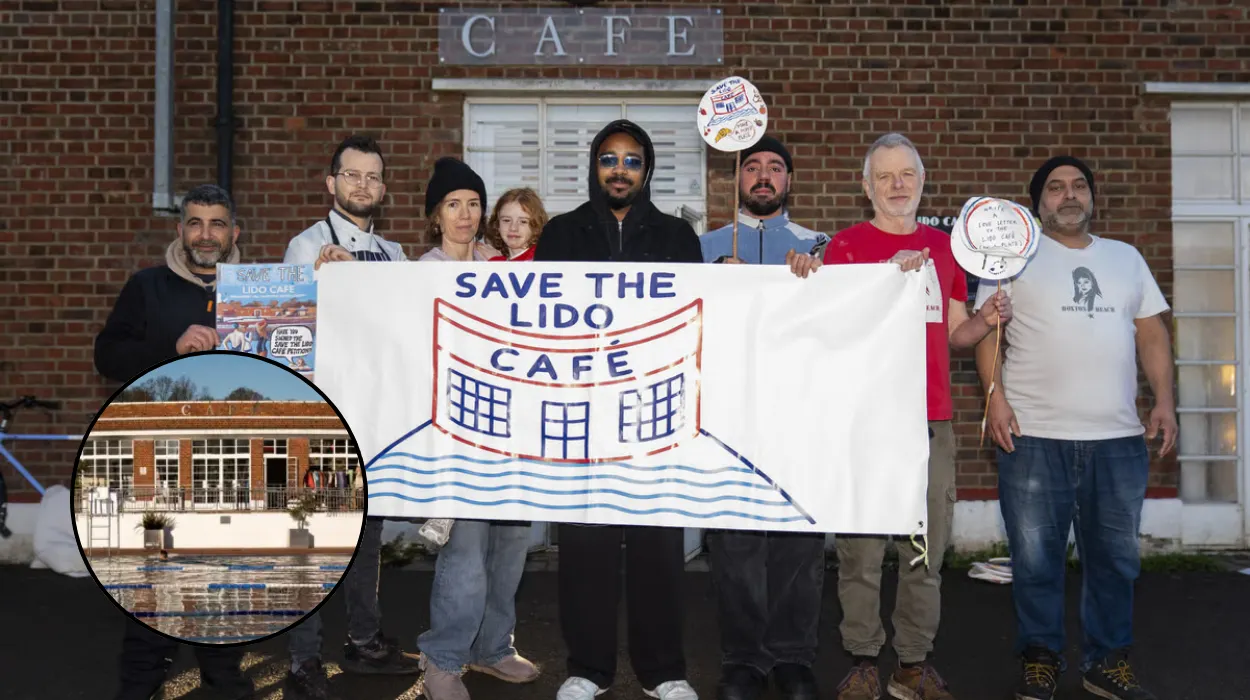
- Four independent cafes in Hampstead Heath and nearby areas—Queen’s Park, Golders Hill Park, Parliament Hill Lido, and Parliament Hill Fields—are to be handed over to Australian-inspired chain Daisy Green from spring 2026.
- The decision was made by the City of London Corporation (CLC), which owns the land.
- Current operators, including family-run businesses, were informed on Friday that they must vacate by the end of January.
- Emma Fernandez and Patrick Matthews, a Kentish Town couple, have run cafes at Parliament Hill Lido and Queen’s Park for 10 years; they also operate one in Highgate Wood, which may change hands.
- The Italian cafe at Parliament Hill Fields has been run by the D’Auria family for 45 years.
- These cafes are popular haunts for A-list celebrities like Benedict Cumberbatch and James McAvoy.
- Emma Fernandez described herself as “devastated,” stating, “Honestly, I have no idea what I’m going to do. It’s the one thing that I love to do, that I know how to do, and I feel so rooted here.”
- Local outrage has erupted over the loss of community staples to a chain, impacting families who have served the area for decades.
Who Are the Affected Cafe Operators?
Emma Fernandez and her husband Patrick Matthews, a couple from Kentish Town, have managed two of the cafes—Parliament Hill Lido and Queen’s Park—for a decade. As reported in the Daily Mail, Ms Fernandez expressed profound devastation over the news.
- Key Points
- Who Are the Affected Cafe Operators?
- What Is Daisy Green and Why Was It Chosen?
- Why Has This Decision Sparked Such Outrage?
- Which Celebrities Frequent These Cafes?
- What Is the Timeline for the Handover?
- How Does the City of London Corporation Justify This Move?
- What Are the Broader Impacts on Local Families and Communities?
- Are There Similar Precedents in London Parks?
- What Do Locals and Campaigners Say?
- Could This Decision Be Reversed?
- What Happens Next for Hampstead Heath’s Cafes?
“Honestly, I have no idea what I’m going to do,”
Ms Fernandez told the Daily Mail.
“It’s the one thing that I love to do, that I know how to do, and I feel so rooted here.”
The couple also runs a cafe in Highgate Wood, which faces an uncertain future amid the reshuffle. Their operations have been a staple for locals seeking hearty breakfasts and coffees amid the Heath’s sprawling greenery.
At Parliament Hill Fields, the Italian cafe has been in the hands of the D’Auria family for 45 years. This long-standing business, known for its authentic cuisine, represents a slice of culinary heritage now at risk. The family’s tenure underscores the deep community ties these independents foster, far beyond what a chain might offer.
What Is Daisy Green and Why Was It Chosen?
Daisy Green, the incoming operator, draws inspiration from Australian cafe culture with its vibrant brunches, flat whites, and Instagram-friendly aesthetics. The chain, which has expanded across London, was selected by the CLC to manage the cafes starting spring 2026.
The CLC, responsible for Hampstead Heath’s upkeep as the landowner, cited the need for “modernisation” and “consistent standards” in its tender process, though specifics remain sparse. No direct quotes from CLC officials have emerged in initial coverage, but the corporation’s move aligns with broader trends of outsourcing public spaces to branded operators.
Critics argue this prioritises profit over heritage. Local voices, amplified through social media and early reports, decry the erosion of unique, family-driven venues.
Why Has This Decision Sparked Such Outrage?
The backlash has been swift and vocal, with “outrage” dominating headlines. North London residents view the cafes as irreplaceable, not mere pit stops but social anchors where memories are made.
Families like the Fernandez-Matthews and D’Aurias have built legacies here, employing locals and tailoring menus to community tastes. Handing them to a chain feels like cultural erasure to many.
Social media erupted post-announcement, with hashtags like #SaveHampsteadCafes trending locally. Comments lament the loss of “soulful” spots frequented by celebrities, who add glamour without commercial gloss.
As one anonymous local posted online, echoed in community forums,
“These aren’t just cafes—they’re Hampstead’s heartbeat.”
Which Celebrities Frequent These Cafes?
Hampstead Heath’s allure extends to the stars, making the cafes celebrity haunts. Benedict Cumberbatch, the Sherlock actor, and James McAvoy, known for X-Men, are regulars, as noted in Daily Mail coverage.
Their presence elevates these spots beyond ordinary eateries, drawing fans and paparazzi alike. Losing this cachet to a chain amplifies the sense of loss.
No statements from the celebrities have surfaced yet, but their association underscores the cafes’ prestige.
What Is the Timeline for the Handover?
Operators received the bombshell on Friday: all must relinquish control by January’s end. Daisy Green takes over from spring 2026, leaving a gap that worries staff and suppliers.
This compressed timeline has intensified distress. Ms Fernandez’s plea highlights personal turmoil amid professional upheaval.
The CLC has not detailed transitional support, fuelling accusations of callousness.
How Does the City of London Corporation Justify This Move?
The CLC owns Hampstead Heath, acquired in 1989, and manages it as public open space. While no verbatim statements appear in sourced reports, the tender process favoured Daisy Green’s bid for its “proven track record” in similar venues.
Proponents might argue chains bring reliability—consistent quality, hygiene, and revenue to fund park maintenance. Yet, independents counter that their intimate service and adaptability better serve diverse crowds.
This tension mirrors national debates on privatisation in public spaces.
What Are the Broader Impacts on Local Families and Communities?
For families like the D’Aurias, 45 years culminate in eviction. The Fernandez-Matthews face reinvention after a decade of dedication.
Jobs hang in the balance; these cafes employ locals, from baristas to kitchen staff. A chain may prioritise efficiency, potentially slashing roles.
Community cohesion suffers too. Independent cafes host events, support charities, and adapt to needs—traits chains often standardise away.
Economically, suppliers tied to these families could falter, rippling through north London’s small business ecosystem.
Are There Similar Precedents in London Parks?
This isn’t isolated. London’s parks have seen chains encroach: think Pret A Manger in Regent’s Park or Starbucks trials elsewhere. Hampstead’s case stands out for its scale and heritage.
Highgate Wood’s potential inclusion hints at wider CLC ambitions, prompting fears of a homogenised Heath.
What Do Locals and Campaigners Say?
Petitions are circulating online, urging the CLC to reconsider. Groups like Friends of Hampstead Heath decry the “corporate takeover.”
One resident, quoted in emerging social reports, fumed:
“We’ve fought to keep the Heath wild—now they’re chaining the cafes?”
Councillors from Camden and Barnet have been approached, though no formal responses yet.
Could This Decision Be Reversed?
Operators eye legal avenues, questioning tender fairness. Ms Fernandez’s despair suggests resolve to fight.
Public pressure might sway the CLC, especially with celebrity backing. History shows backlash can pivot policy—witness past park concessions reversed amid uproar.
What Happens Next for Hampstead Heath’s Cafes?
As January looms, uncertainty reigns. Daisy Green promises “exciting” menus, but at what cost to character?
The saga tests the balance between progress and preservation in one of London’s treasures. Stakeholders watch closely, ready to mobilise.