Parking in North London presents unique challenges and opportunities for residents, commuters, and visitors alike. Navigating Controlled Parking Zones (CPZs), permits, and restrictions requires local knowledge to avoid fines and stress.
- Understanding Controlled Parking Zones
- Borough-Specific Parking Rules
- Permit Types and Application Process
- Strategies to Find Parking Easily
- Common Violations and Fine Avoidance
- Historical Evolution of Parking Policies
- Future Trends and Sustainable Parking
- Tips for New Residents
- Navigating Visitor Parking
- Cost Breakdown Across Boroughs
- Parking for Businesses and Commuters
Understanding Controlled Parking Zones
Controlled Parking Zones dominate North London boroughs like Brent, Camden, Haringey, and Barnet, restricting parking to permit holders during peak hours. These zones feature single or double yellow lines and designated bays, enforced by Civil Enforcement Officers (CEOs) patrolling for violations such as blocking driveways or bus stops. In Brent, zones like GM operate from 10am to 9pm Monday to Saturday, while others like MA run shorter 10am-3pm weekdays, helping prioritize resident access and road safety.
Camden’s CPZs similarly map out controlled streets, with residents checking interactive tools by postcode for specifics. Haringey offers permits including resident, business, and short-term options for tradespeople. Boroughs implement these to balance high vehicle density against limited space, using permit revenue for enforcement and transport like Freedom Passes rather than profit.
Borough-Specific Parking Rules
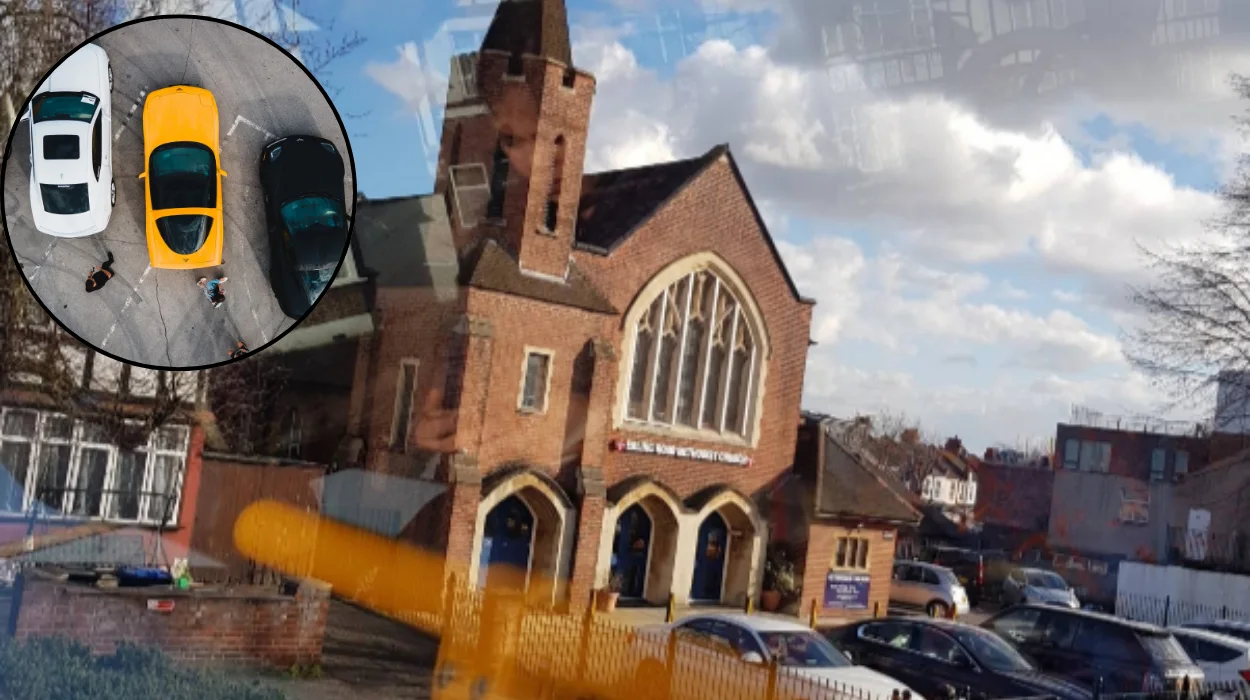
North London’s boroughs tailor rules to local needs, with Brent listing over 30 zones like KS (10am-3pm weekdays) and KR (extending to Sundays on select roads). Islington emphasizes limited road space, urging safe legal parking to avoid penalties. Haringey CPZs require permits for unrestricted bays, with maps detailing timings.
Camden provides zone searches and maps, focusing on all-street controls. Barnet and Enfield, while not detailed here, follow similar patterns with resident-first policies amid growing demand for new zones. Fines, set by London Councils, start with discounts for quick payment, escalating if ignored, and immediate towing for hazards like blocked access.
Permit Types and Application Process
Residents qualify for annual permits tied to vehicle registration and proof of address, often costing based on emissions or household vehicles. Businesses secure commercial permits, while visitors use temporary vouchers or apps in some areas. Brent prioritizes extensions or new CPZs where congestion, safety, or resident petitions highlight needs.
Apply online via borough portals, with interactive maps aiding postcode checks. Processing takes days to weeks, so plan ahead for moves or new registrations. Low-emission discounts incentivize greener choices, aligning with London’s Ultra Low Emission Zone expansions.
Strategies to Find Parking Easily
Opt for permit bays in your zone during operational hours, reading signs for exact times—many allow free parking evenings or Sundays. Explore residential side streets outside CPZs, but verify yellow lines. Public car parks in Tottenham, Camden, or Brent offer pay-and-display without residency proof.
Apps like RingGo or JustPark enable cashless payments and nearby space alerts. Cycle or tube to high-traffic spots like markets, reducing reliance on cars. For events, pre-book or arrive early, as enforcement intensifies.
Common Violations and Fine Avoidance
Top fines hit yellow line parking, footway obstruction, or expired meters, with Brent CEOs issuing Penalty Charge Notices (PCNs) on windscreens or by post. A 50% discount applies within 14 days; unpaid tickets risk towing after 30 minutes. August bank holidays trigger extra patrols in select Brent zones.
Avoid by double-checking signs—double yellows mean no-waiting ever, singles often permit short drops. Never block driveways; report persistent issues via council forms. Appeal PCNs online with evidence like unclear signage.
Historical Evolution of Parking Policies
Post-WWII car booms strained North London’s Victorian streets, prompting 1970s CPZs as traffic calming. Brent’s schemes evolved to cover most roads, prioritizing safety over revenue per legal mandates. Camden and Haringey expanded amid 1990s commuter surges, integrating tech like digital permits.
Academic views highlight CPZs reducing congestion 20-30% while boosting walkability. Ongoing programs address electric vehicle charging bays and shared e-bikes.
Future Trends and Sustainable Parking
London’s 2026 parking landscape eyes electrification, with CPZ tweaks for EV chargers and car-free zones. Brent plans new controls where petitions show support, favoring residents and businesses. Car clubs like Zipcar proliferate in Tottenham and Barnet, cutting personal vehicle needs.
Boroughs push cycling infrastructure, aiming 15-minute cities where essentials lie walkable. Monitor TfL updates for ULEZ harmony.
Tips for New Residents
Check your postcode against council maps immediately upon moving. Budget for permits—often £100-200 yearly—and apply promptly. Join local forums for real-time tips on tricky spots.
Navigating Visitor Parking
Non-residents use pay meters, short-stay bays, or apps outside peak CPZ times. Visitor permits, available to householders for guests, cost per day. Super markets and stations offer multi-story options.
Cost Breakdown Across Boroughs
Permits vary: Brent residents pay emissions-based fees, visitor scratchcards cheap daily. Fines range £50-130 discounted, up to £260 higher bands. Compare via borough sites for precision.
Parking for Businesses and Commuters
Business permits allow loading bays; commuters favor park-and-ride or stations like Finsbury Park. Freelancers snag one-day options.
This guide equips North Londoners for seamless parking. Stay updated via council sites, as zones evolve.