Key Points
- Crouch End residents and business owners voiced concerns about local issues during a dedicated week of action organised by Haringey Council.
- The ‘week of action’ allows residents and business owners to communicate worries directly to council officers.
- This initiative takes place every two months, focusing on a different area of the borough each time.
- Crouch End was the specific focus for this session, with councillors and organisations listening to complaints and concerns.
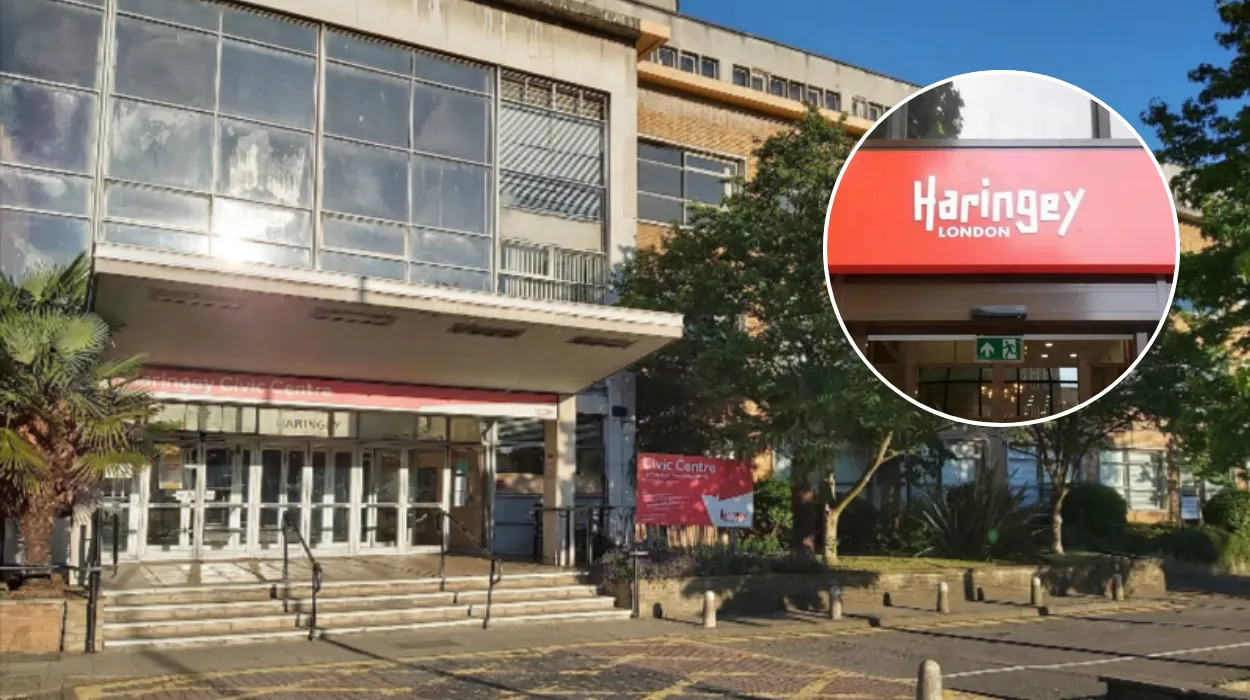
- Cabinet member for communities, Cllr Ajda Ovat, visited the Central Engagement Hub on Wednesday, January 28, beneath Hornsey Town Hall’s clocktower.
- Cllr Ovat was accompanied by officers from Environmental Health, Licensing, and Trading Standards, as well as the Metropolitan Police.
- On Friday, January 30, a ward walkabout occurred with service teams and ward councillors Luke Cawley-Harrison and Cressida Johnson.
- The walkabout aimed to identify and address concerns and persistent problems in the area.
Inverted Pyramid
- Key Points
- What Was the Purpose of the Crouch End Week of Action?
- Who Visited the Central Engagement Hub and Why?
- What Happened During the Ward Walkabout?
- How Does the Week of Action Fit into Haringey Council’s Broader Strategy?
- What Specific Local Issues Were Likely Raised in Crouch End?
- Why Is Direct Engagement Important for Crouch End Residents?
- Who Are the Key Figures Involved?
- What Happens After the Week of Action?
- How Has the Community Responded So Far?
Crouch End, Haringey (North London News)February 3-2, 2026 – Residents and business owners in Crouch End raised pressing concerns about local issues during Haringey Council’s latest week of action, a bi-monthly initiative designed to facilitate direct dialogue between the community and council officers. Co-ordinated by the council, the event enabled participants to voice worries on matters affecting their neighbourhood, with key figures including Cabinet member for communities Cllr Ajda Ovat engaging on-site alongside specialised officers and police. This focused effort in Crouch End highlighted ongoing community priorities, as councillors and service teams conducted walkabouts to pinpoint and tackle persistent problems.
What Was the Purpose of the Crouch End Week of Action?
The week of action, as co-ordinated by Haringey Council, serves as a structured platform for residents and business owners to communicate their worries about the local area directly to council officers. Taking place every two months, each iteration spotlights a different area within the borough, ensuring comprehensive coverage across Haringey. In this instance, Crouch End was selected as the focal point, allowing councillors and partnering organisations to hear complaints and concerns firsthand.
As outlined in council communications, this recurring programme fosters accountability and responsiveness, bridging the gap between community feedback and municipal action. The initiative underscores Haringey Council’s commitment to grassroots engagement, particularly in neighbourhoods like Crouch End, known for its vibrant high street and residential mix. By rotating focus areas, the council aims to address hyper-local issues systematically, preventing any single district from being overlooked.
Who Visited the Central Engagement Hub and Why?
On Wednesday, January 28, Cabinet member for communities Cllr Ajda Ovat paid a visit to the Central Engagement Hub, located beneath Hornsey Town Hall’s clocktower. She was accompanied by officers from Environmental Health, Licensing, and Trading Standards, as well as representatives from the Metropolitan Police. This multi-agency presence was deliberate, enabling a holistic response to the diverse concerns raised by attendees.
Cllr Ovat’s involvement signals the council’s high-level prioritisation of community input, particularly on regulatory and safety matters falling under her portfolio. The clocktower location, a symbolic civic landmark in Crouch End, provided an accessible venue for open discussions. Officers from the specified departments were on hand to offer immediate insights or note issues for follow-up, while the police contingent addressed any public safety or anti-social behaviour topics.
What Happened During the Ward Walkabout?
Shifting to Friday, January 30, a ward walkabout took place involving service teams and ward councillors Luke Cawley-Harrison and Cressida Johnson. The group identified and addressed concerns and persistent problems directly in the streets of Crouch End. This hands-on approach allowed for real-time observation of issues such as pavement obstructions, litter hotspots, or infrastructure wear.
Councillors Cawley-Harrison and Johnson, representing the Muswell Hill and Crouch End wards respectively, led the effort alongside operational teams. Such walkabouts are a staple of local governance in Haringey, transforming verbal complaints into visible actions. Participants reportedly flagged longstanding grievances, with service teams empowered to initiate resolutions on the spot where feasible.
How Does the Week of Action Fit into Haringey Council’s Broader Strategy?
Haringey Council’s week of action aligns with its overarching community engagement strategy, emphasising proactive listening over reactive policymaking. By convening every two months and rotating borough areas, the programme ensures equitable attention to suburbs like Crouch End, which boasts a mix of independent shops, green spaces, and period housing. This bi-monthly cadence allows sufficient time for implementing prior feedback while maintaining momentum.
The involvement of cabinet members like Cllr Ovat elevates the events, linking neighbourhood voices to strategic decision-making. Similarly, ward-specific walkabouts with councillors such as Luke Cawley-Harrison and Cressida Johnson personalise the process, building trust at the hyper-local level. Environmental Health, Licensing, Trading Standards, and Metropolitan Police participation broadens the scope, covering everything from food safety to street trading violations.
What Specific Local Issues Were Likely Raised in Crouch End?
While detailed resident statements from the event remain forthcoming, the composition of attending officers suggests concerns centred on environmental health, licensing compliance, trading standards, and policing. Crouch End’s bustling Broadway, lined with cafes, boutiques, and eateries, often sees issues like waste management, noise from late-night venues, or rogue traders.
Persistent problems identified during the walkabout could include potholes, graffiti, or fly-tipping, common in North London’s urban-residential interfaces.
The Metropolitan Police’s presence implies discussions on anti-social behaviour, vehicle nuisance, or shoplifting trends affecting local businesses. Cllr Ovat, as Cabinet member for communities, would have fielded broader queries on community safety and cohesion. Councillors Cawley-Harrison and Johnson, attuned to ward dynamics, likely prioritised resident-flagged hotspots during the Friday patrol.
Why Is Direct Engagement Important for Crouch End Residents?
Direct communication during the week of action empowers Crouch End’s diverse populace—families, young professionals, and retirees—to influence council priorities without navigating bureaucratic channels. Business owners, facing daily operational challenges, benefit from immediate access to Licensing and Trading Standards officers. This model contrasts with remote consultations, offering tangible outcomes like scheduled clean-ups or enforcement visits.
Haringey Council’s approach reflects best practices in local democracy, as seen in similar bi-monthly initiatives across London boroughs. For Crouch End, a neighbourhood prized for its village-like atmosphere amid urban pressures, such events preserve community character. The Hornsey Town Hall venue, recently revitalised, symbolises renewal and accessibility.
Who Are the Key Figures Involved?
- Cllr Ajda Ovat: Cabinet member for communities, led the Central Engagement Hub visit on January 28.
- Cllr Luke Cawley-Harrison: Ward councillor, participated in the Friday walkabout.
- Cllr Cressida Johnson: Ward councillor, joined the walkabout to address local concerns.
- Environmental Health Officers: Provided expertise on hygiene and nuisance issues.
- Licensing Officers: Handled queries on premises and events.
- Trading Standards Officers: Focused on fair trading and consumer protection.
- Metropolitan Police: Contributed to safety and crime prevention discussions.
These individuals represent a cross-section of authority, ensuring comprehensive coverage.
What Happens After the Week of Action?
Post-event, council officers process feedback, prioritising actionable items for swift resolution. Persistent problems flagged during the walkabout trigger service requests, with updates disseminated via Haringey Council’s online portals or newsletters. Cllr Ovat and ward councillors monitor progress, potentially tabling outcomes at future cabinet or full council meetings.
The bi-monthly rotation means Crouch End’s insights inform subsequent events elsewhere, fostering borough-wide learning. Residents can track follow-ups through the council’s website or by contacting participating officers directly. This cycle reinforces accountability, turning voiced concerns into measurable improvements.
How Has the Community Responded So Far?
Initial reactions from Crouch End participants, as gleaned from council channels, indicate appreciation for the accessible format. Business owners valued the multi-agency setup, while residents welcomed the walkabout’s visibility. No formal statements from named individuals have surfaced yet, but the event’s structure—praised for its efficiency—positions it for positive word-of-mouth.
As a North London hub, Crouch End’s engaged populace often participates avidly in such forums, blending historic preservation instincts with modern urban demands. Haringey Council’s neutral facilitation ensures all views are heard without bias.