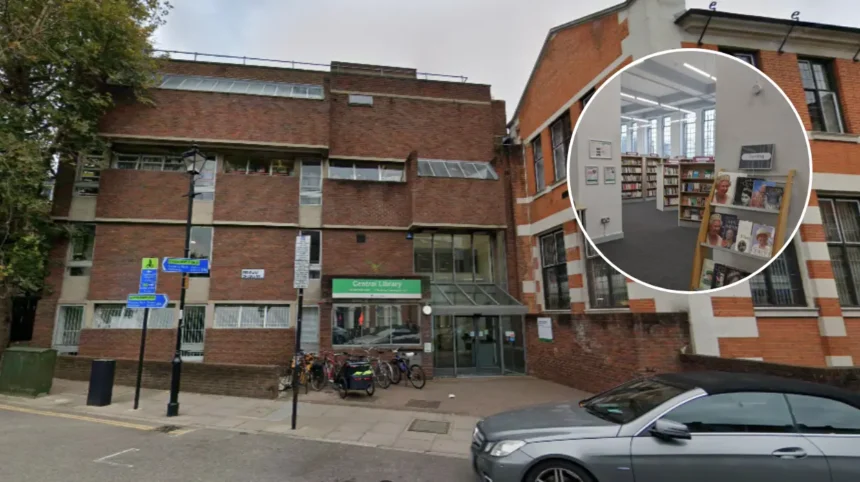
North London boasts a rich tapestry of libraries and study spaces that serve as timeless havens for readers, students, and lifelong learners. These spots blend historic charm with modern amenities, making them ideal for focused work or casual browsing year after year.
- Why North London Libraries Endure
- Iconic Libraries in Islington
- Camden’s Literary Gems
- Brent’s Community Anchors
- Haringey’s Hidden Study Havens
- Top Study Spaces Beyond Borough Lines
- Historical Roots of These Spaces
- Modern Amenities for Today’s Users
- Quiet Corners for Deep Focus
- Family-Friendly Study Options
- Accessibility and Inclusivity Features
- Events and Programs That Engage
- Getting Around Easily
- Tips for Optimal Visits
- Digital Extensions of Physical Spaces
- Future-Proofing North London’s Libraries
- Why Choose Local Over Chains
Why North London Libraries Endure
Public libraries in North London have evolved from quiet Victorian reading rooms into vibrant community hubs. They offer free access to books, Wi-Fi, and study areas that remain relevant amid digital shifts. Boroughs like Islington, Camden, and Brent maintain these spaces as essential resources for locals seeking inspiration without cost.
Islington’s libraries, for instance, emphasize inclusivity with ICT support and event spaces. Camden’s network spans diverse neighborhoods, ensuring every resident has a nearby retreat. These institutions foster education and social bonds, drawing steady footfall from students to retirees.
Iconic Libraries in Islington
Islington’s North Library stands out for its practical setup in Manor Gardens, N7. Open Tuesdays, Thursdays, and Saturdays, it provides 10 free computers, Wi-Fi, printing, and dedicated study spaces. Wheelchair accessible with buses nearby, it’s perfect for job seekers or casual researchers.
Highbury Library further south offers similar perks but with a brighter, expanded feel post-refurbishment. It hosts reading groups and digital workshops, keeping its appeal evergreen. These spots prioritize quiet zones amid community events, balancing solitude and connection.
Camden’s Literary Gems
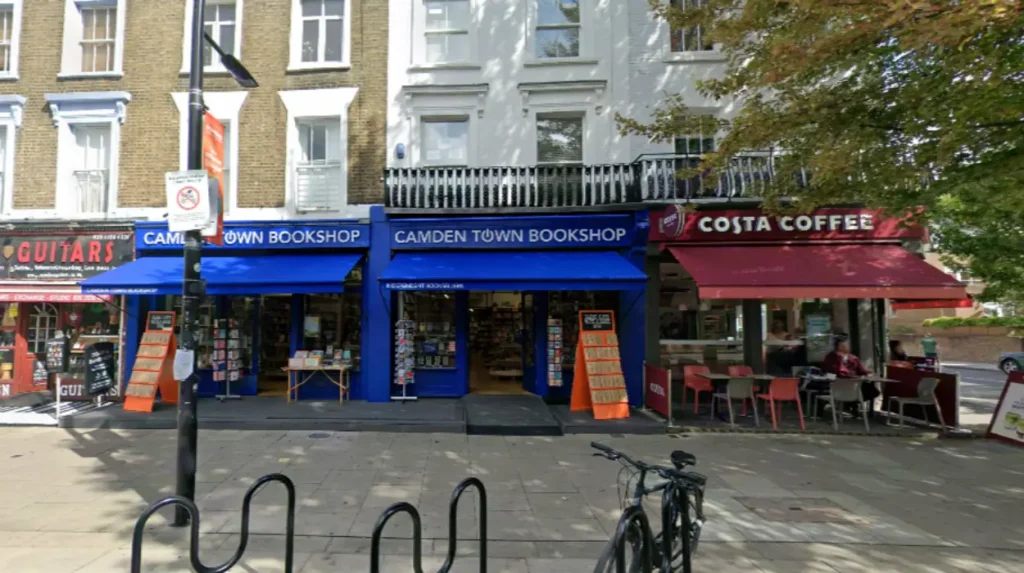
Camden Council oversees eight libraries, each tailored to local vibes from trendy to traditional. Swiss Cottage Library shines with its three-floor design, including a children’s area and adult study pods. Highgate Library, in a picturesque suburb, delivers serene reading rooms with local history archives.
Central St. Martin’s Library supports creative minds, though public access varies. These venues excel in quiet study nooks, free e-resources, and events like author talks. Their consistent hours and no-membership-needed policy make them go-to spots for North Londoners.
Brent’s Community Anchors
Brent’s six libraries cater to multicultural neighborhoods like Wembley and Kilburn. Willesden Green Library Centre combines a modern build with vast collections, study desks, and co-working vibes. Kensal Library offers compact, cozy spaces ideal for quick sessions.
These libraries emphasize digital inclusion with e-books and online magazines. Room hire for study groups adds versatility. Brent’s focus on accessibility ensures they remain vital for diverse users, from exam prep to hobby reading.
Haringey’s Hidden Study Havens
Haringey libraries blend urban energy with green escapes. Wood Green Library, a bustling central hub, features open-plan study areas, PCs, and late openings. Hornsey Library preserves Art Deco elegance with quiet floors and local studies sections.
Bruce Castle Museum nearby doubles as a research spot with archives on Tottenham’s past. These spaces suit remote workers needing reliable Wi-Fi and power outlets. Haringey’s libraries often host free workshops, enhancing their year-round draw.
Top Study Spaces Beyond Borough Lines
North London’s reach includes gems like the British Library’s St. Pancras site, technically Camden-adjacent. Its vast reading rooms demand Reader Passes but offer unparalleled quiet and resources. Local cafes near libraries provide casual alternatives, though public spots win for free entry.
University libraries like UCL or Middlesex offer public hours with stunning architecture. Senate House Library provides postcard-perfect domed halls for focused work. These elevate North London’s study scene with historic allure.
Historical Roots of These Spaces
Many North London libraries trace to 19th-century philanthropy. Carnegie-funded builds dot the area, like Kensal Rise in Brent. Islington’s origins link to 1850s mechanics’ institutes, evolving into public services post-1948 Act.
Camden’s Highgate evolved from subscription libraries serving intellectuals. This heritage infuses modern spaces with gravitas, attracting history buffs. Preservation efforts ensure these buildings remain functional icons.
Modern Amenities for Today’s Users
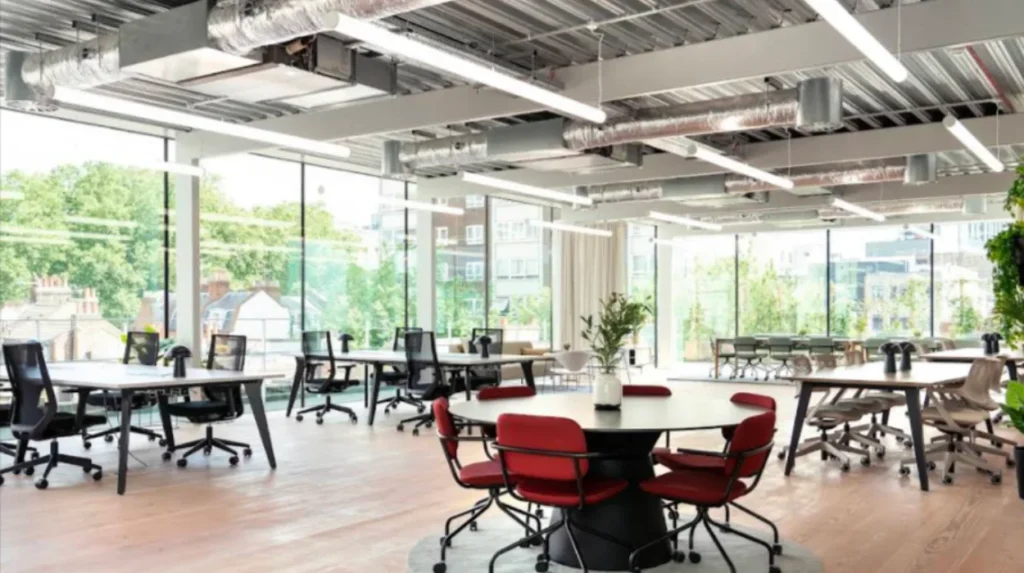
Expect free Wi-Fi, self-service kiosks, and e-lending across most sites. Study spaces range from solo desks to group pods, with noise policies enforced. Printing starts at pennies, and many offer scan-to-USB.
Digital catalogs let you reserve books borough-wide. Events like book clubs or coding classes keep things dynamic. Sustainability shines through recycled materials and energy-efficient designs in newer builds.
Quiet Corners for Deep Focus
Seek silent zones at Swiss Cottage’s upper floors or North Library’s back rooms. Highgate’s window seats overlook gardens, minimizing distractions. These niches mimic private offices without the price tag.
Pod-style booths at Wood Green handle calls discreetly. Arrive early for prime spots, as demand peaks afternoons. Such features make North London libraries unbeatable for productivity.
Family-Friendly Study Options
Children’s sections at Willesden Green and Paddington Library include storytelling hours alongside adult spaces. Rhyme time sessions free up parents for nearby desks. These dual-purpose designs suit family study routines.
Teen areas with graphic novels and gaming PCs bridge generations. Libraries like these promote intergenerational learning, a timeless community strength.
Accessibility and Inclusivity Features
Wheelchair ramps, lifts, and audio books are standard. Islington’s North Library excels with full disabled access and ICT help for all abilities.
Multilingual staff and materials reflect North London’s diversity. Quiet hours accommodate neurodiverse needs. These commitments ensure broad appeal.
Events and Programs That Engage
Regular author visits, craft workshops, and health talks fill calendars. North Kensington’s rooms host everything from yoga to debates.
Knitting clubs or job cafes add social layers to study visits. Check websites for schedules—these extras boost library loyalty.
Getting Around Easily
Tube lines like Northern and Piccadilly serve most sites. Buses fill gaps, with Overground for Haringey. Cycle paths and parking options abound.
Apps like Citymapper integrate library stops seamlessly. Proximity encourages walking, aligning with eco-friendly habits.
Tips for Optimal Visits
Join free memberships for reservations and e-access. Pack headphones for semi-quiet zones. Weekday mornings beat crowds.
Download apps for e-books to extend sessions. Respect rules—phones on silent preserve the peace.
Digital Extensions of Physical Spaces
Borrow e-audiobooks via Libby or BorrowBox apps. Online newspapers and courses expand reach. These tools make libraries 24/7 companions.
Local history digitization lets you explore from home. Blending physical and virtual maximizes value.
Future-Proofing North London’s Libraries
Recent investments combat closures, with hybrids like North Kensington’s co-works. Tech upgrades promise VR reading rooms ahead.
Community campaigns safeguard funding. These evolutions keep libraries central to North London life.
Why Choose Local Over Chains
Unlike cafes with time limits, libraries offer unlimited stays. No coffee splurges needed—just bring your own mug. Community vibe trumps sterile co-works.
Sustainability and equality shine here. They’re North London’s enduring intellectual hearts.