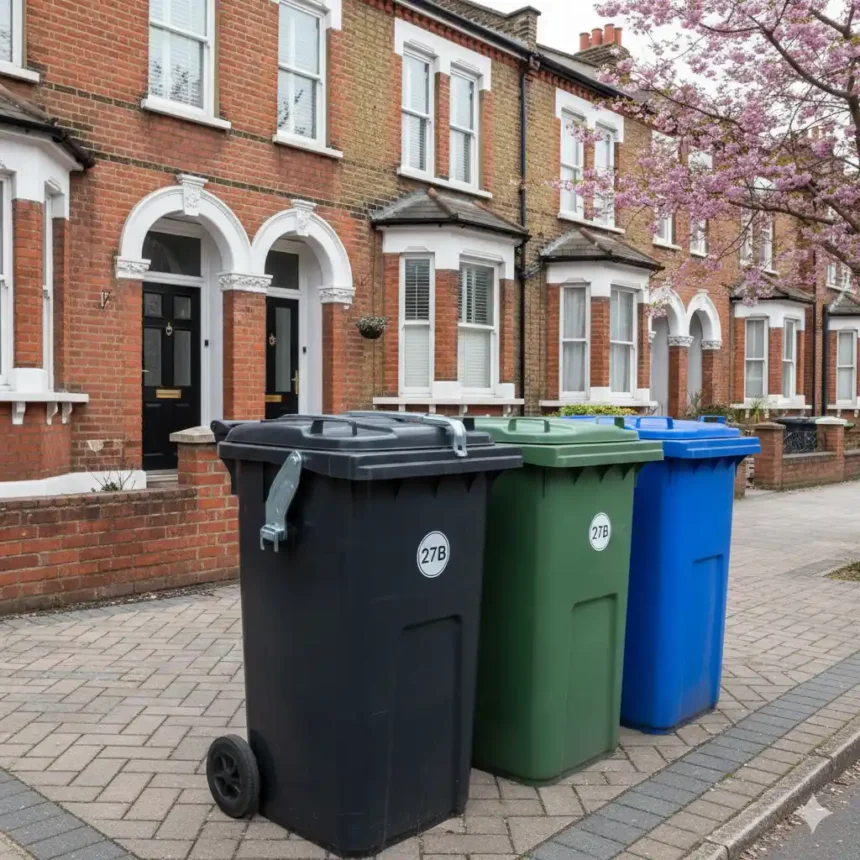
North London residents in Brent, Barnet, Enfield, Camden, Haringey, and Islington can stop neighbours using their bins by first politely speaking to them, then sending a formal letter if needed, and finally reporting to the local council’s environmental health team for enforcement. This approach follows UK guidelines and ensures a quick, legal resolution. Local councils provide clear procedures to protect residents’ bin usage.
Why This Issue Matters to Local Residents
Neighbours using your bins disrupts waste collection in North London households. Overflowing bins lead to missed collections by Brent Council or Barnet Council teams, forcing residents to store extra rubbish at home.
This common problem affects recycling efforts across Camden and Haringey, where mixed waste can contaminate loads and increase costs for local authorities. Islington and Enfield residents often face pest issues from improper disposal, impacting community cleanliness.
For North London families, reliable bin space supports daily routines amid busy schedules. Addressing it promptly maintains harmony and complies with borough waste rules.

Step-by-Step Actions to Solve the Problem
Start with direct communication to resolve most cases amicably.
Speak to your neighbour calmly during daylight hours, explaining that you need the full bin capacity for your household waste. Suggest they contact their own council for extra collections if their bin overflows.
If the issue persists after a week, send a polite written letter. Use a template stating the problem, your request to stop, and alternatives like visiting a local tip. Keep a copy and send it recorded delivery.
Document each incident with photos of full bins and dates. This evidence supports further steps without confrontation.
When ready, report online via your council’s website under environmental health or nuisance reporting. North London councils like Enfield Council prioritise these complaints.
Which Council Service Handles It
Environmental health teams in North London boroughs manage bin misuse complaints. These departments enforce the Environmental Protection Act 1990, covering unauthorised waste placement.
Brent Council’s environmental health service investigates neighbour disputes over bins. Similarly, Barnet Council directs reports to their waste enforcement officers.
In Camden and Haringey, contact the community safety or pollution control teams. Islington Council and Enfield Council use dedicated online forms for fly-tipping or bin interference reports.
These services assess if the behaviour qualifies as a statutory nuisance, leading to warnings or fines.
Information or Documents Needed
Prepare basic details for a swift council response. Include your full address, the neighbour’s property details if known, and a description of the issue.
Attach dated photographs showing excess waste in your bins that isn’t yours. Note collection days affected and any prior conversations.
Provide evidence of attempts to resolve it yourself, such as a copy of your letter. Councils in North London, including Haringey Council, require this to verify the complaint.
No formal ID is needed, but accurate postcode and ward information helps route it correctly in boroughs like Islington.
Expected Response Time
North London councils acknowledge complaints within five working days. Brent Council and Barnet Council typically investigate within two weeks.
Environmental health officers may visit sites in Camden or Enfield within 10-14 days, depending on workload. Urgent cases with health risks receive faster attention.
Haringey and Islington teams aim for initial contact within seven days, followed by resolution updates every two weeks. Full outcomes vary but often conclude in four to six weeks.
What to Do If Follow-Up Is Required
Request updates if no response arrives after the expected timeframe. Email or use the council’s online portal to chase your reference number.
If initial action fails, provide additional evidence like more photos. North London council officers may issue a formal notice to the neighbour.
Escalate to the Local Government Ombudsman only after exhausting council procedures, typically after eight weeks. Keep all correspondence organised.
For persistent issues, join community forums or resident groups in your borough for shared advice.
Rights and Responsibilities Under UK Rules
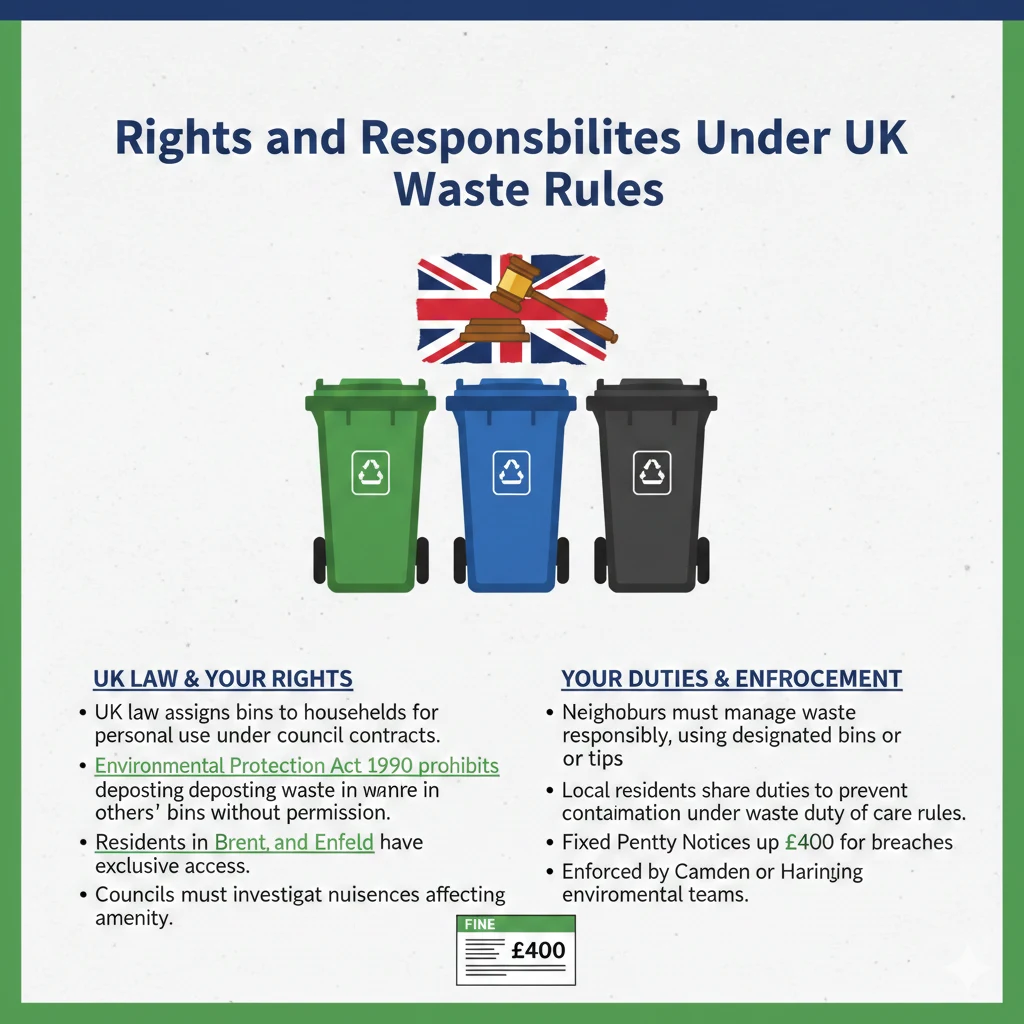
UK law assigns bins to households for personal use under council contracts. The Environmental Protection Act 1990 prohibits depositing waste in others’ bins without permission, treating it as potential fly-tipping.
Residents in Brent, Barnet, and Enfield have the right to exclusive bin access. Councils must investigate nuisances affecting amenity.
Neighbours must manage their waste responsibly, using designated bins or tips. Local residents share duties to prevent contamination under waste duty of care rules.
Fixed Penalty Notices up to £400 apply for breaches, enforced by Camden or Haringey environmental teams.
Practical Tips to Avoid the Problem in Future
Position bins close to your property after collection to limit access. In North London terraced homes, store them in rear gardens where possible.
Add a discreet sign requesting “Household use only” without accusing anyone. This deters casual use in Islington or Enfield streets.
Encourage community recycling by sharing tip locations with neighbours. Barnet Council promotes household waste recycling centres for overflow.
Consider wheelie bin locks compliant with council emptying rules. Check with your local North London council first to avoid collection issues.
Maintain tidy bin areas to discourage misuse, fostering good relations across boroughs.