Key Points
- City St George’s, University of London hosted the “Closing the Gap” roundtable conference to discuss challenges faced by asylum seekers and refugees in North London.
- The event was co-organised by Dr Hallam Tuck, Lecturer in Criminology at the School of Policy & Global Affairs; Tamara Joseph, Refugee Projects Coordinator from Finchley Progressive Synagogue; and Alaa Al-Abrahim, advisor at New Citizens Gateway.
- Attendees included local leaders, academics, charity workers, policy sector representatives, faith groups, asylum seekers, local government staff from Barnet and Islington Councils, and Transport for London (TfL) personnel.
- Samiulhaq Sadat and Khadija Ahmed, refugee leaders in a London bus campaign backed by Citizens UK, shared their experiences.
- The conference was sponsored by City St George’s Centre for Justice Reform, where Dr Tuck serves as a member.
- Dr Tuck collaborated with North London Citizens over the past year, conducting listening exercises with over 100 asylum seekers and community groups in Barnet, Brent, Enfield, Harrow, and Haringey.
- Key challenges identified: access to public transport and support transitioning out of asylum accommodation.
- Khadija Ahmed and Samiulhaq Sadat organised a Valentine’s Day event at London City Hall, where over 100 campaign members presented flowers to Deputy Mayor for Transport Seb Dance to discuss bus fares.
- This led to a TfL policy change allowing asylum seekers to use their Application Registration Card (ARC) as ID for bus concessions.
- Post-approval challenges: asylum seekers have only 42 days to obtain an e-visa, open a bank account, secure a National Insurance number, apply for Universal Credit, and find accommodation.
- Single men face particular difficulties in securing council housing priority.
- Alaa Al-Abrahim and Tamara Joseph’s organisations established a social club at Finchley Progressive Synagogue, offering shared meals and cultural outings to support single men transitioning from asylum accommodation.
- Despite an antisemitic attack in Golders Green on 23 March 2026, 15 volunteers hosted the Men’s Group on the following Tuesday evening.
- Dr Tuck stated: “Over the course of this project, I have learned a lot from folks involved with Citizens UK about community organising. One thing I’ve learned is that turnout is 80 per cent of the action, and the fact that we have such a good group of people in the room today is a really good sign.”
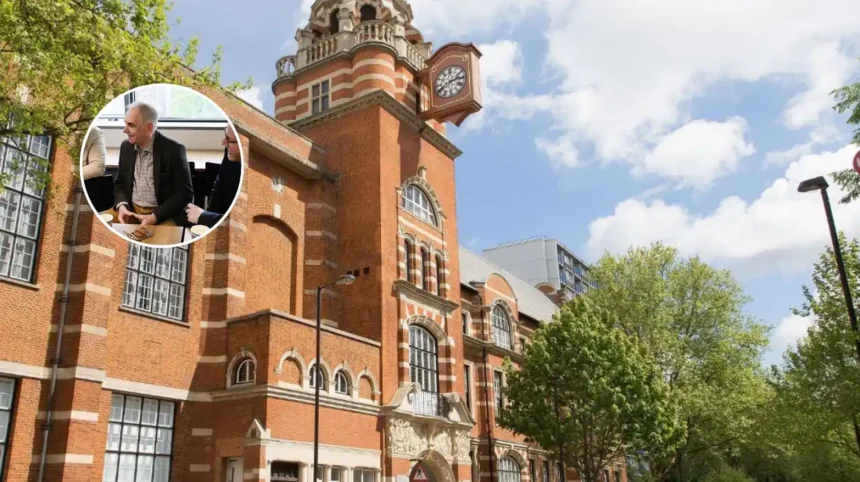
(North London News) April 2, 2026 – City St George’s, University of London hosted a pivotal “Closing the Gap” roundtable conference yesterday, bringing together asylum seekers, local leaders, academics, charity workers, and policymakers to address pressing support needs for refugees in North London. Co-organised by North London Citizens and key figures including Dr Hallam Tuck, the event spotlighted collaborative efforts to tackle barriers like public transport access and housing transitions, marking a significant step in community-driven refugee integration.
- Key Points
- What Triggered the “Closing the Gap” Roundtable?
- Who Were the Key Speakers at the Conference?
- What Challenges Do Asylum Seekers Face After Approval?
- How Is Public Transport Access Improving for Refugees?
- How Are Community Groups Supporting Housing Transitions?
- What Role Do Faith Groups and Charities Play?
- Why Is Collaboration Key to Refugee Support in North London?
- What’s Next for Asylum Seeker Initiatives?
What Triggered the “Closing the Gap” Roundtable?
The roundtable emerged from extensive groundwork by Dr Hallam Tuck, Lecturer in Criminology in the School of Policy & Global Affairs at City St George’s, University of London. Over the past year, Dr Tuck has partnered with North London Citizens, a chapter of the Citizens UK alliance focused on Barnet, Brent, Enfield, Harrow, and Haringey. Together, they conducted listening exercises involving more than 100 asylum seekers and local community groups.
These sessions pinpointed two core challenges: limited access to public transport and inadequate support for moving out of asylum accommodation.
As reported in coverage by North London community outlets, the event was sponsored by City St George’s Centre for Justice Reform, of which Dr Tuck is a member. Attendees spanned a broad spectrum, including staff from Barnet and Islington Councils, Transport for London (TfL) representatives, faith groups, charity workers, policy experts, academics, and asylum seekers themselves.
Co-organisers Tamara Joseph, Refugee Projects Coordinator at Finchley Progressive Synagogue, and Alaa Al-Abrahim, an advisor at the independent refugee charity New Citizens Gateway, played central roles. Their involvement underscored the event’s emphasis on multi-sector collaboration.
Who Were the Key Speakers at the Conference?
Refugee leaders Samiulhaq Sadat and Khadija Ahmed delivered compelling talks, drawing from their frontline work on a London bus campaign supported by Citizens UK. Sadat and Ahmed highlighted a Valentine’s Day action they spearheaded, where over 100 campaign members converged on London City Hall bearing flowers.
They requested a “date” with Deputy Mayor for Transport Seb Dance to address soaring bus fares for asylum seekers.
This bold initiative yielded tangible results: a policy shift by TfL permitting asylum seekers to use their Application Registration Card (ARC) as valid identification for bus concession applications. Community reports from local Citizens UK chapters credit this change directly to the campaign’s momentum.
Dr Hallam Tuck also addressed the gathering, reflecting on lessons from the project.
“Over the course of this project, I have learned a lot from folks involved with Citizens UK about community organising,”
Dr Tuck said, as noted in event summaries from university and charity press releases.
“One thing I’ve learned is that turnout is 80 per cent of the action, and the fact that we have such a good group of people in the room today is a really good sign.”
What Challenges Do Asylum Seekers Face After Approval?
A stark reality emerged in discussions: once a refugee application receives approval, individuals face a grueling 42-day window to navigate critical milestones. These include securing an e-visa, opening a bank account, obtaining a National Insurance number, applying for Universal Credit, and finding stable accommodation.
Securing housing proves especially arduous for single men, who rank lowest on council housing priority lists. Insights from the roundtable, echoed in North London Citizens’ outreach materials, reveal how this timeframe exacerbates vulnerability, often leaving individuals homeless or in precarious temporary setups.
Alaa Al-Abrahim and Tamara Joseph detailed innovative responses from their organisations. They have launched a social club at Finchley Progressive Synagogue, where participants share meals and embark on outings to cultural landmarks.
These activities aim to foster community bonds, exchange experiences, and enhance cultural familiarity with the UK for single men exiting asylum accommodation.
Tamara Joseph expressed optimism amid adversity. Despite a antisemitic attack in Golders Green on Monday, 23 March 2026,
“there were still 15 volunteers hosting the Men’s Group on Tuesday evening,”
she shared, as covered in synagogue and charity updates. This resilience highlights the unwavering commitment of faith-based and voluntary groups.
How Is Public Transport Access Improving for Refugees?
The TfL policy victory stands as a beacon of progress. Asylum seekers can now leverage their ARC for bus concessions, easing financial burdens and mobility restrictions. Khadija Ahmed and Samiulhaq Sadat’s campaign, rooted in Citizens UK’s community organising model, transformed advocacy into policy.
Deputy Mayor Seb Dance’s engagement at City Hall proved pivotal, bridging grassroots efforts with public authority. Local media tracking refugee issues, including Barnet-focused outlets, have praised this as a model for future transport equity.
How Are Community Groups Supporting Housing Transitions?
Beyond policy wins, practical support takes centre stage. The Finchley Progressive Synagogue’s Men’s Group exemplifies this, offering not just meals but structured social integration. Alaa Al-Abrahim emphasised building networks to combat isolation, while Tamara Joseph noted the group’s role in demystifying British culture through targeted outings.
North London Citizens’ listening exercises informed these initiatives, ensuring asylum seeker voices shape solutions. Dr Tuck’s academic input adds rigour, blending criminology expertise with on-the-ground action.
Barnet and Islington Council representatives at the roundtable pledged closer collaboration, potentially streamlining housing access. TfL’s presence signals ongoing transport dialogues.
What Role Do Faith Groups and Charities Play?
Faith groups like Finchley Progressive Synagogue emerge as vital anchors. Tamara Joseph’s coordination persists through challenges, such as the recent Golders Green incident, demonstrating interfaith solidarity.
New Citizens Gateway, via Alaa Al-Abrahim, complements this with advisory services. Citizens UK’s framework empowers refugees like Sadat and Ahmed as leaders, flipping narratives from dependency to agency.
Dr Tuck’s quote encapsulates the ethos: high turnout signals momentum. The Centre for Justice Reform’s sponsorship ensures sustained funding.
Why Is Collaboration Key to Refugee Support in North London?
The “Closing the Gap” roundtable proves collaboration’s power. By uniting councils, TfL, universities, charities, faith leaders, and refugees, it addresses silos. Listening exercises with over 100 individuals ensure authenticity.
North London’s diverse boroughs—Barnet, Brent, Enfield, Harrow, Haringey—benefit from tailored strategies. Challenges like the 42-day deadline demand such unity, preventing systemic failures.
As events like the Valentine’s Day rally show, creative activism works. Tamara Joseph’s update on volunteer turnout post-attack reinforces community fortitude.
What’s Next for Asylum Seeker Initiatives?
The roundtable sets the stage for expanded efforts. Dr Tuck and North London Citizens plan further listening campaigns. Social clubs may scale, with councils exploring housing fast-tracks for single refugees.
TfL’s ARC policy could extend to other concessions. Deputy Mayor Dance’s involvement hints at broader mayoral support.