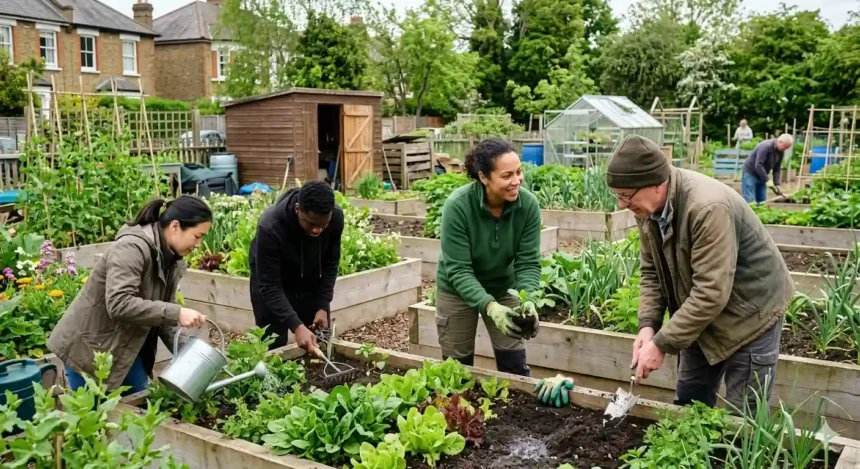
To join a Barnet community garden project in 2026, North London residents should first find an active local garden or allotment group, then contact the organisers or their relevant council‑linked service to ask about volunteer slots, membership, or waiting‑list options. Most projects accept enquiries by email or social media, and many have open drop‑in sessions for new participants.
- Why joining a Barnet community garden matters
- Step‑by‑step actions to join a Barnet community garden
- Which council service handles community gardens
- Information and documents you may need
- Expected response time and joining timelines
- What to do if you need to follow up
- Rights and responsibilities under UK rules
- Practical tips to avoid problems in future
This guide is aimed at residents of Brent, Barnet, Enfield, Camden, Haringey, and Islington who want to take part in a community garden in Barnet, whether you live within the borough or in a neighbouring North London council area.
Why joining a Barnet community garden matters
Community gardens in Barnet give local residents a chance to grow food, improve their health, and meet neighbours in a green space. For people without a private garden, they are especially valuable because they provide shared soil, tools, and gardening support close to home.
These projects also help North London councils manage open spaces more sustainably, reducing weed growth and fly‑tipping while creating places for children, families, and older residents to spend time outdoors. By joining a Barnet community garden, local residents contribute to cleaner streets, more wildlife‑friendly planting, and stronger neighbourhood ties.
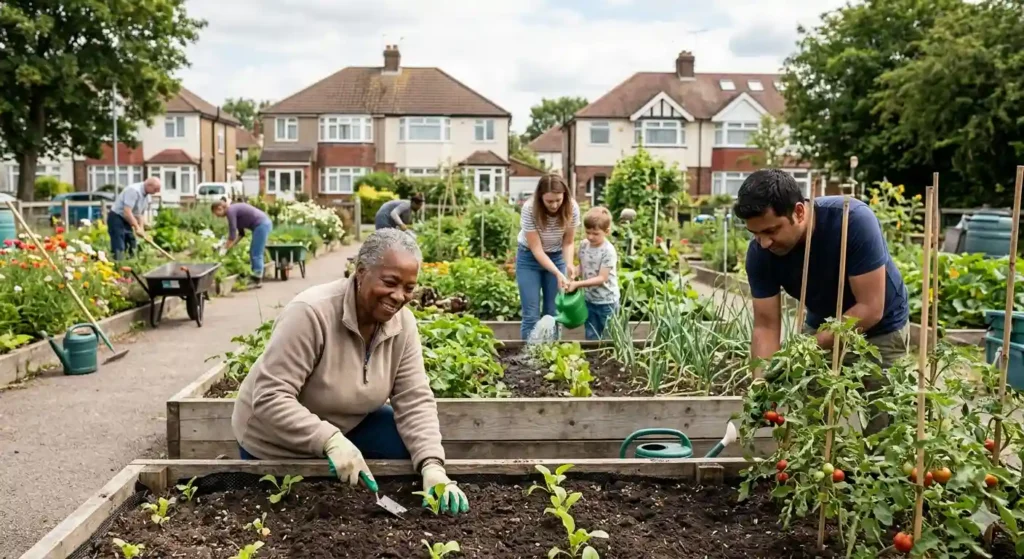
Step‑by‑step actions to join a Barnet community garden
- Decide what kind of involvement you want
Start by deciding whether you want to work in a small local garden, a larger community allotment, or a park‑based project. Some groups focus on food growing, others on flowers and pollinators, and some run both. - Check existing Barnet gardens and volunteer programmes
Look at Barnet‑based community gardens such as the Stonegrove Community Garden and Orchard, the Roundabout Garden, or Incredible Edible Barnet sites, which list open volunteer days or sessions. Barnet Homes also runs Gardening Clubs in certain housing estates, aimed at residents who do not have their own gardens. - Use council and local‑directory resources
Barnet Council and partner organisations such as Your Health Barnet and Volunteering Barnet publish lists of food‑growing projects and green‑space groups. North London council websites and health‑partnership sites often list contact details and session times for each project, so you can see which is closest to you. - Contact the garden or council contact point
Most community gardens in Barnet invite interest by emailing a named contact or group address. Send a short message saying you are a local resident who wants to join as a volunteer or potential member, and ask when the next session is and what clothing or tools you should bring. - Attend a first session or drop‑in slot
Many projects run regular “come‑and‑try” or volunteer‑in‑the‑sun slots on set days and times, such as weekday afternoons or weekend mornings. Turning up for one session lets you see how the group works, meet organisers, and confirm whether you can join regularly. - Follow any membership or sign‑up process
Where a garden is run by a housing association or formal club, you may be asked to complete a short sign‑up form or agree to basic safety and insurance rules. Some groups keep a waiting list if all plots are allocated, so you can ask to be added and receive notice when space becomes available.
Which council service handles community gardens
In Barnet, community gardens and green‑space volunteering are usually coordinated through Barnet Council’s parks and environment teams, often in partnership with the Barnet Green Spaces Network and local housing organisations. These teams work with Friends of Parks groups and community projects to support shared growing spaces, including community plots, orchards, and roundabout gardens.
North London residents from Brent, Enfield, Camden, Haringey, and Islington can still join Barnet‑based projects if they fall within the catchment area or if the project is open to people from surrounding boroughs. The council does not usually enforce strict residency checks for garden participation, but it expects volunteers to follow local rules and respect shared facilities.
Information and documents you may need
Most Barnet community garden projects do not require documents just to attend a volunteer session, but you may be asked for:
- Your name, postcode, and telephone number or email for the organisers’ records.
- A brief statement of why you want to join, especially if applying for a long‑term plot or role.
Some housing‑based gardening clubs or council‑linked schemes may ask for proof of address or tenancy if the project is restricted to residents of a specific estate or social‑housing block. If you are volunteering through a charity or council‑linked volunteering portal, you may also need to agree to a short set of health‑and‑safety guidelines or DBS checks where children or vulnerable adults are involved.
Expected response time and joining timelines
Community garden contacts in Barnet typically respond to emails within a few working days, often sooner if the project is actively recruiting volunteers. For projects that run regular sessions, you can usually start attending within a week or two of your first contact, once you have agreed on a suitable date and time with the organisers.
If you are applying for an allotment or a permanent growing plot, waiting times can vary from several weeks to several months, depending on how many plots are available and how many people are on the council or society waiting list. Barnet Council and local allotment societies publish estimated waiting times where possible, and many encourage gardeners to start with volunteer sessions while they wait for a plot.
What to do if you need to follow up
If you do not receive a reply to your first email or missed a planned session, it is reasonable to send a polite follow‑up after three to five working days. In your message, repeat your interest, mention the date and time you originally hoped to attend, and ask whether there are any upcoming sessions suitable for new participants.
If follow‑up contact fails, you can:
- Try another nearby community garden or allotment group in Barnet, as some projects have more active communication than others.
- Contact Barnet Council’s parks or community‑development team via the general North London council website to ask which local gardens are currently accepting volunteers.
Where you are a resident of a different North London council area but want to join a Barnet project, you can also speak to your home council’s community or wellbeing team; they sometimes share information about cross‑borough opportunities with local residents.
Rights and responsibilities under UK rules
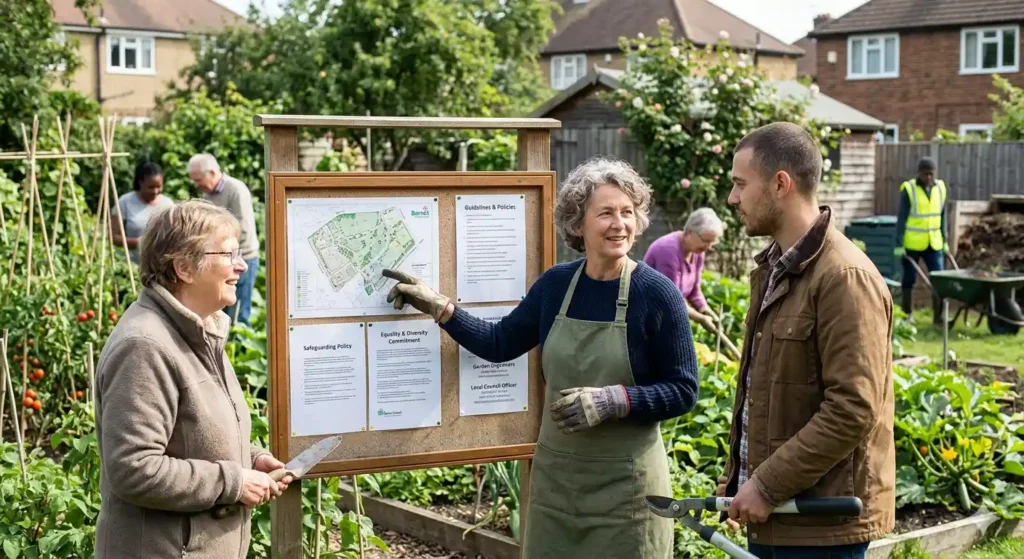
As a volunteer or participant in a Barnet community garden, you retain the same basic rights as any other UK resident, including the right to be treated fairly and without discrimination. Most projects operate under local authority or charity safeguarding and equality policies, which set out how incidents are recorded and reported and how conflicts should be resolved.
Your responsibilities include:
- Following safety rules, such as using tools correctly and wearing appropriate clothing.
- Respecting shared space and not damaging plants, equipment, or structures that belong to the project or council.
- Reporting concerns such as antisocial behaviour, vandalism, or unsafe conditions to the garden organisers or, where serious, to local council officers or the police.
If you feel you have been treated unfairly in access to a community garden or on the grounds of your background, you can raise the issue with the project’s management or, if it involves a public body, follow the relevant council’s complaints procedure.
Practical tips to avoid problems in future
To make the most of joining a Barnet community garden, local residents should:
- Walk or cycle to the garden if possible, to reduce parking pressure in North London and nearby estates.
- Check the project’s website or social‑media page before travelling, as some sessions may be cancelled or moved in bad weather.
- Bring your own gloves, closed footwear, and water bottle, as not all projects provide these for every volunteer.
If you are interested in starting a new garden rather than joining an existing one, you can approach Barnet Council’s parks or housing team to discuss using neglected land or roundabouts for community growing, following the same partnership model used by recent Barnet projects. Co‑ordinating with neighbours in your road, estate, or community centre can also help you build momentum for a new space that fits within local planning and environmental rules.
How do you join a community garden in Barnet?
Contact your local council, search community groups, or apply directly to garden coordinators for available plots or volunteer spaces.