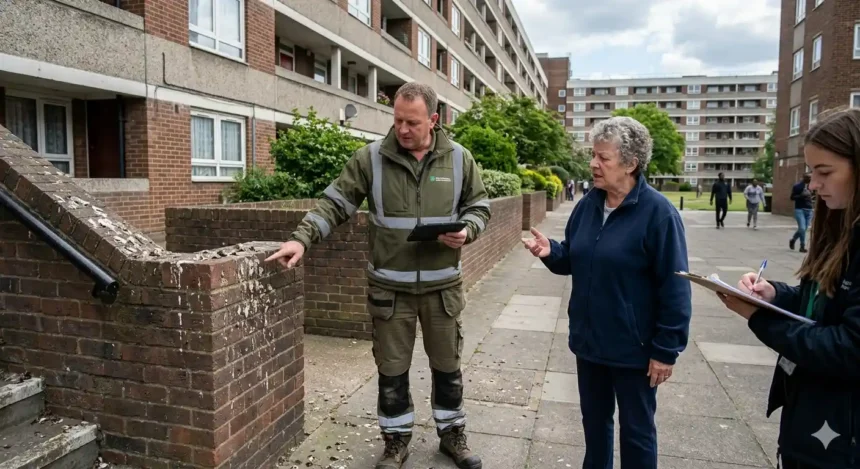
To report pigeon fouling on North London estates, contact your local council’s housing or environmental services team via their website’s online reporting form or phone line, providing details like the exact location, photos, and frequency of the issue. Brent, Barnet, Enfield, Camden, Haringey, and Islington councils all handle these reports for council-managed estates, often dispatching teams for cleaning and proofing assessments.
- Why Pigeon Fouling Matters to Local Residents
- Step-by-Step Actions to Solve the Problem
- Which Council Service Handles Pigeon Fouling
- Information or Documents Needed
- Expected Response Time
- What to Do if Follow-Up is Required
- Rights and Responsibilities Under UK Rules
- Practical Tips to Avoid the Problem in Future
Why Pigeon Fouling Matters to Local Residents
Pigeon fouling creates slippery surfaces on paths, stairs, and balconies, posing slip hazards especially for families with children or elderly residents on North London estates. The droppings carry bacteria and diseases like psittacosis, affecting health in shared communal areas where residents gather daily. For local residents in Brent, Barnet, Enfield, Camden, Haringey, and Islington, this blight reduces enjoyment of outdoor spaces and lowers property appeal in tight-knit communities.
Beyond health risks, persistent fouling damages buildings by corroding window frames and railings over time, leading to costly repairs funded by council taxes. North London council teams recognise this as a quality-of-life issue, prioritising reports that impact multiple households. Addressing it promptly keeps estates clean and liveable for everyone.
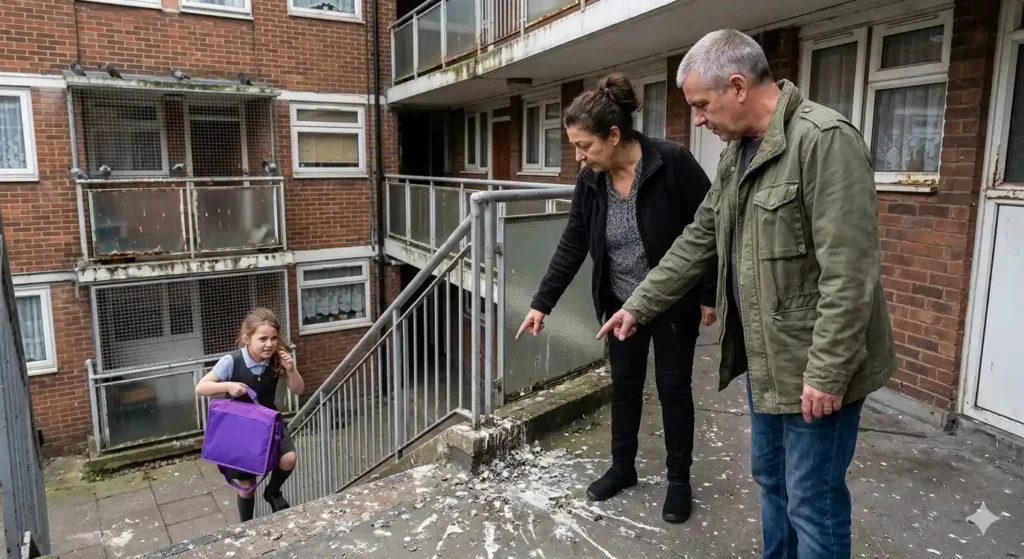
Step-by-Step Actions to Solve the Problem
Start by gathering evidence of the pigeon fouling to strengthen your report.
- Take clear photos or videos showing droppings on paths, ledges, or balconies, noting the date and time.
- Record the location precisely, such as block name, estate address, and affected areas like “roof overhang on Block A, facing the communal garden.”
- Note patterns, like fouling after roosting at dusk or feeding nearby.
Next, submit your report to the right council service.
- Visit your borough’s council website and search for “report pigeon fouling” or “estate maintenance.”
- Use the online form under housing services or environmental health, attaching your photos.
- If no form exists, call the council’s housing repairs line during office hours.
Follow up if no action occurs within the expected timeframe, keeping records of all communications. Local residents find this structured approach resolves issues faster than informal complaints.
Which Council Service Handles Pigeon Fouling
On North London estates, housing management or estate services teams typically manage pigeon fouling reports for council properties. For Brent Council estates, contact their Housing Repairs team; Barnet Council directs reports to Estate Management Services. Enfield Council’s Housing Maintenance handles communal area issues, while Camden Council’s Housing Department oversees proofing requests.
Haringey Council routes estate fouling to their Responsive Repairs service, and Islington Council uses Environmental Services for health-related complaints on social housing. North London council procedures align with UK statutory nuisance laws, where councils must investigate public health complaints. Private estates fall under environmental health, but most residents live on council-managed ones.
Information or Documents Needed
Councils require specific details to action reports efficiently.
Provide your full name, address, and contact details for follow-up. Describe the problem clearly: extent of fouling, affected areas, and any health impacts observed.
Attach photos or videos as evidence—multiple angles help assess scale. Include dates of previous cleanings if known, and mention if feeding attracts pigeons.
No formal documents like tenancy agreements are needed initially, but ID may verify residency for repeat reports. North London council teams use this to prioritise high-impact sites.
Expected Response Time
Councils aim to acknowledge reports within 3-5 working days, often emailing a reference number. Cleaning or inspection follows within 2-4 weeks for non-emergency cases, depending on estate size and backlog.
Urgent health hazards, like fouling near play areas, trigger visits in 48 hours. Brent and Haringey councils target 10 working days for proofing assessments; Barnet and Enfield similar. Delays occur in peak seasons, but local residents pressing follow-ups see quicker resolutions.
What to Do if Follow-Up is Required
If no update arrives after acknowledgement, email or call using your reference number.
Politely request progress, attaching original photos if needed. Escalate to the complaints procedure after 20 working days without action—each North London council has a two-stage process.
Contact your ward councillor for estates in Brent, Barnet, Enfield, Camden, Haringey, or Islington if stalled. Persistent issues may involve the Housing Ombudsman for council tenants. Keep a log of dates and contacts to build your case.
Rights and Responsibilities Under UK Rules
Under the Environmental Protection Act 1990, councils must investigate statutory nuisances like fouling affecting health or property. Residents have the right to report without cost and expect reasonable action, including cleaning and proofing where feasible.
Your responsibility includes not feeding pigeons, as this breaches many tenancy agreements and worsens fouling. UK rules prohibit harm to wild birds under the Wildlife and Countryside Act 1981, so humane deterrents like netting are standard. North London council enforces these neutrally, balancing resident rights with wildlife protection.
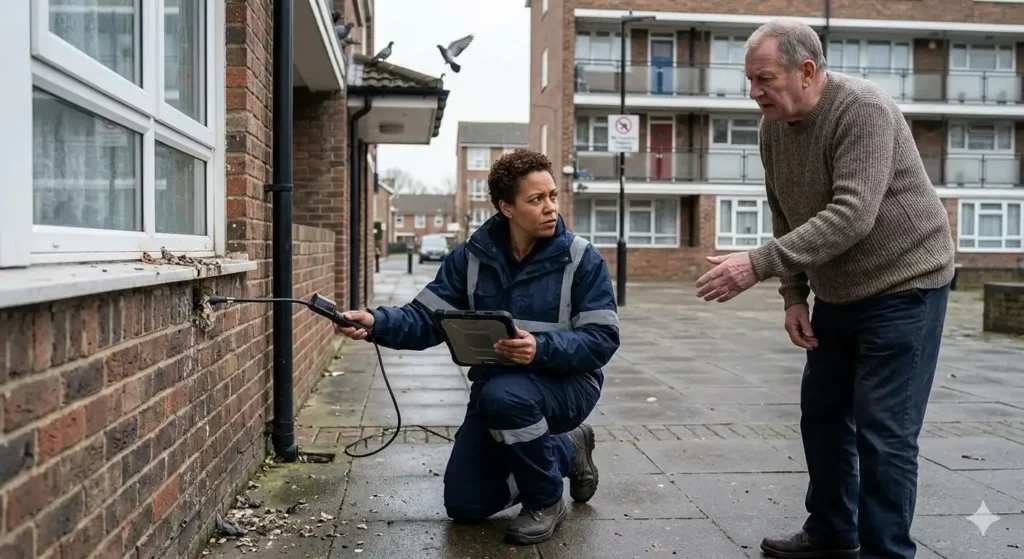
Practical Tips to Avoid the Problem in Future
Prevent recurrence by removing food sources around estates.
Secure bins to stop scavenging, and clear spilled birdseed promptly. Councils may install spikes or gels post-report, but residents can advocate for these.
Trim overhanging trees providing roosts, and fit DIY wire meshes on personal balconies if tenanted. Community clean-ups reduce attraction—organise with neighbours via residents’ associations. These steps empower local residents to maintain cleaner North London estates long-term.
Who deals with pigeon fouling on estates?
The local council’s environmental health or housing team is responsible for investigating and arranging clean-up on public or council-managed estates.