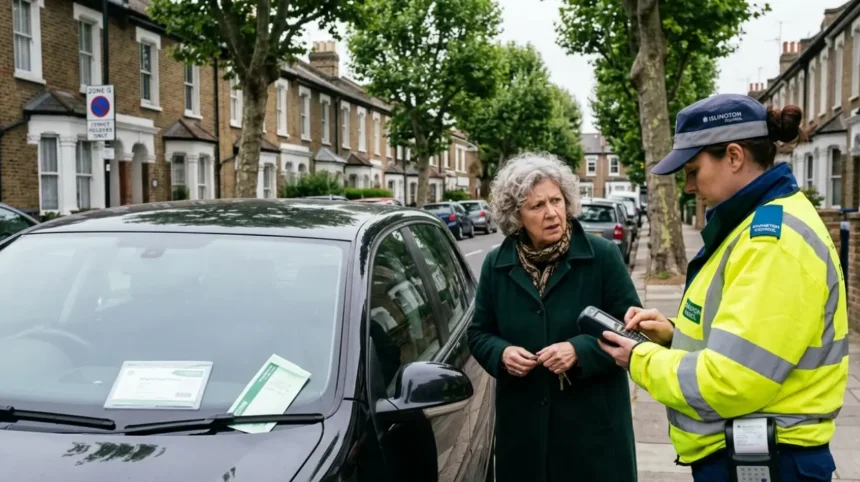
A “MIL”–style permit parking fine in Islington is a penalty charge notice (PCN) issued when a resident’s parking permit is missing, invalid, or not properly displayed, or when the vehicle is parked outside the permit rules. Appealing such a PCN correctly can reduce or cancel the fine, but you must follow Islington Council’s formal “representation” window, then, if needed, the London Tribunals appeal route. This guide explains how to define, challenge and escalate a permit‑linked parking fine in Islington, with dates, evidence types, and typical appeal grounds North‑London residents actually use.
- What is a “MIL” permit parking fine in Islington?
- What are the legal bases for challenging a permit parking fine in Islington?
- How do you identify that your fine is a permit‑linked “MIL” PCN?
- What is the time limit to appeal a permit parking fine in Islington?
- What grounds can you use to appeal a “MIL” permit parking fine?
- What evidence should you gather before appealing a permit fine?
- How do you make a representation against a permit parking PCN online?
- What happens if your representation is refused by Islington?
- How can you appeal to the London Tribunals if Islington rejects your case?
- What common mistakes should residents avoid when appealing a “MIL” fine?
- How does the “MIL” permit system affect North London residents?
- How can this knowledge help you prevent future permit parking fines?
What is a “MIL” permit parking fine in Islington?
A “MIL” permit parking fine in Islington is a penalty charge notice (PCN) issued under the borough’s Traffic Management Order when a vehicle parked in a residents’ permit zone does not display a valid permit, or breaks the permit conditions. The term “MIL” reflects the council’s internal reference for permit‑controlled residential streets, many of which are in North London N1, N5, N7 and N19 postcodes. These PCNs usually start at around £80 and can double to £160 if not paid or appealed within the statutory period.
Islington’s permit system is overseen by the council’s parking services, which enforce restrictions on residents’ bays, controlled‑parking zones (CPZ), and pay‑by‑phone or card‑only bays. Each permit type (resident, visitor, business, Blue Badge) has specific rules about times, streets, and vehicle identifiers; breaching any of these can trigger a PCN. The council’s online PCN portal allows you to view images of the alleged offence and choose whether to pay, make a representation, or, later, appeal to London Tribunals.
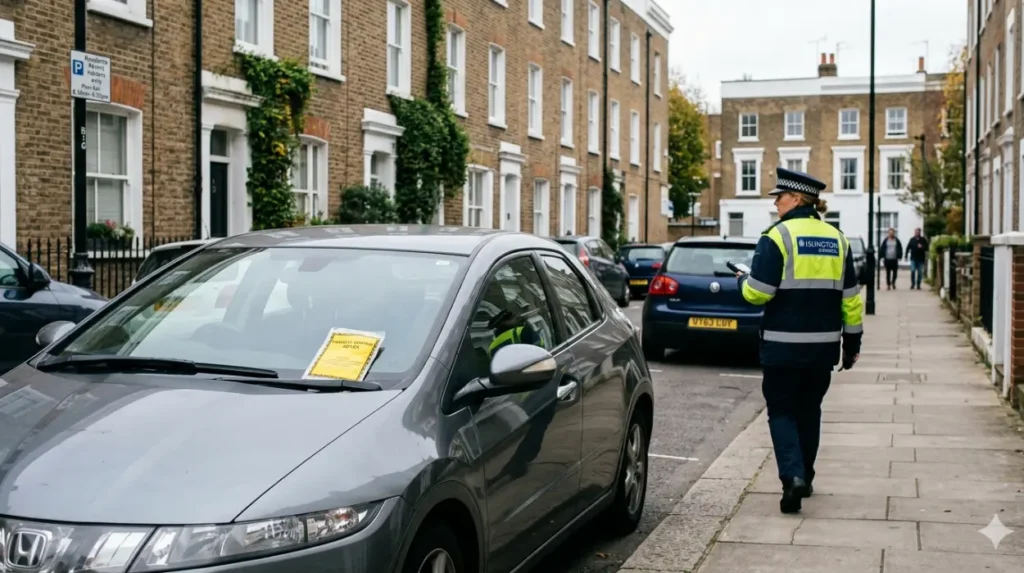
What are the legal bases for challenging a permit parking fine in Islington?
The legal basis for challenging a permit parking fine in Islington is the Traffic Management Act 2004 and related regulations that govern penalty charge notices on local‑authority‑controlled roads. These rules give drivers the right to make a “representation” against the PCN before any debt‑enforcement steps, and then, if rejected, to appeal to London Tribunals. Islington must also follow the London‑wide penalty‑charge framework overseen by Transport for London (TfL) for some on‑street offences.
In practice, this means any permit‑linked fine must be directly tied to a visible, correctly signed restriction, a valid evidence record, and a proper notice‑serving process. Common legal‑style grounds include incorrect signage, missing or confusing road markings, a valid permit that was issued or in use, or an error in the PCN details (date, time, location, vehicle number). If the council does not respond within the set times or refuses without valid reasons, the next step is a formal appeal to the London Tribunals, which applies national parking‑fine rules.
How do you identify that your fine is a permit‑linked “MIL” PCN?
You can identify that your fine is a permit‑linked “MIL” PCN in Islington by checking the notice type, the bay information, and the wording on the penalty charge notice. The PCN will usually state that the contravention relates to a “residents’ parking zone”, “permit‑controlled bay” or “no permit or voucher displayed” on a specific street with a permit‑code prefix such as “MIL‑X”. The council’s online portal also shows the “offence type” and links it to the relevant Traffic Management Order for the street.
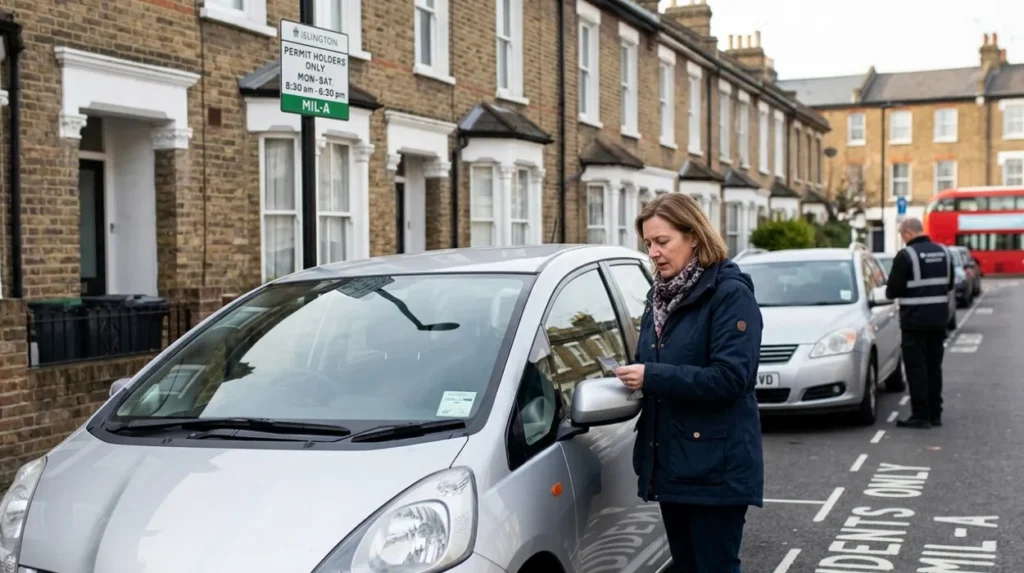
Islington’s PCN record will show the date, time, camera stills or enforcement officer photos, and the exact location, including the bay type and any permit‑zone letters. If the permit zone is named in the notice (e.g., “MIL‑A”, “MIL‑B”) and the violation is that no permit was shown, or the wrong permit was shown, then this is a permit‑linked “MIL”‑style PCN. You should also cross‑check your current permit status via the council’s parking portal to confirm whether your permit was live on that date and time.
What is the time limit to appeal a permit parking fine in Islington?
The time limit to appeal a permit parking fine in Islington is 28 days from the date the PCN was issued, standard for most local‑authority parking penalties in England. If you make a representation (initial appeal) within 14 days and it is refused, you may still benefit from the 50% discount on the fine if the council later upholds the penalty. Once the 28 days pass without a representation or appeal, the PCN usually escalates to higher‑value notices and enforcement actions.
If your representation is rejected, you have 28 days from the date of the rejection letter to appeal to the London Tribunals, which is the independent adjudication body for London parking fines. London Tribunals does not charge a fee, and its decision is binding on both the council and the driver. Missing either of these two 28‑day windows typically means you must pay the full amount or risk enforcement‑agent action, including vehicle‑clamp or wheel‑clamp orders and additional charges.
What grounds can you use to appeal a “MIL” permit parking fine?
You can appeal a “MIL” permit parking fine in Islington on specific factual or legal grounds, not on personal hardship or convenience. Common accepted grounds include: the permit was valid and displayed, the signage or road markings were missing or misleading, the vehicle was only stopped for a short, lawful reason (such as medical emergency or loading), or the PCN details are incorrect. Each of these grounds must be supported by evidence to have a realistic chance of success.
More detailed grounds include:
- A valid resident, visitor, or Blue‑Badge permit was in force and correctly shown on the windscreen.
- The bay or street was not clearly signed or marked as a permit‑controlled zone, or the sign was obstructed or damaged.
- The vehicle was temporarily stopped for loading or unloading, or for a genuine medical emergency, with supporting records.
- The date, time, or vehicle number on the PCN does not match your records or evidence.
Islington’s guidance emphasises that it “will cancel the PCN if we agree it is wrong or unfair”, so the appeal must focus on errors in the evidence, signs, or your permit status, not general complaints about the scheme. Third‑party services and legal guides also list these same grounds, illustrating that they are standard across London boroughs.
What evidence should you gather before appealing a permit fine?
You should gather direct, dated, and location‑specific evidence that disproves the alleged contravention or shows that you had a valid permit. Key items include: digital or printed copies of your current permit, payment receipts, and screenshots of the parking app or PAYG transaction; photos of the bay, signs, and road markings taken at roughly the same time; and any supporting documents such as medical notes, delivery confirmations, or tow‑order paperwork. More than one type of evidence is usually stronger than a single document.
For permit‑linked “MIL” fines, useful evidence types include:
- Clear images of the windscreen showing a valid permit in place, ideally with timestamp metadata.
- Screenshots of the council’s parking portal showing your permit status for that date and time.
- Street‑level photos of the bay showing missing, obscured, or contradictory signs, or unclear markings.
- Copies of invoices, delivery labels, medical‑appointment letters, or towing‑company records that corroborate loading, emergency, or vehicle‑breakdown reasons.
You should also keep the original PCN, the enforcement officer’s notes or camera images (downloaded from the council’s portal), and any correspondence you receive. When you submit these, label them clearly (for example, “Photo of bay at 17:15 showing obscured sign”) so the officer can match them to the offence record.
How do you make a representation against a permit parking PCN online?
You make a representation against a permit parking PCN online by using Islington Council’s “challenge a PCN” portal instead of the “pay PCN” option. First, enter your vehicle registration number and the PCN reference number, then click “make a representation” at the top of the page and follow the on‑screen prompts. The portal allows you to upload supporting documents such as permit images, photos, and PDFs, and it records the date and time of your submission within the legal window.
Before you submit, Islington advises drafting your case in a Word document or similar so you can paste it into the form and avoid losing your text if the session times out. Your written representation should: state your PCN number and vehicle number, explain which grounds you rely on, and summarise how your evidence disproves the charge (for example, “My resident permit was valid on the date shown and displayed on the dashboard”). You should also clearly refer to each piece of evidence (“see attached photo of bay taken at 18:02”) so the officer can review them together.
If you cannot use the online system, you may submit your representation by post to Islington Parking Services at PO Box 2019, Pershore, WR10 9BN, enclosing the same information and copies of your evidence. The council will place the PCN “on hold” while it reviews your case, and you will receive a written decision within a set period, usually measured in working days.
What happens if your representation is refused by Islington?
If your representation is refused by Islington, the council will issue a “Notice of Rejection” or equivalent letter explaining that it still considers the PCN valid. At this stage, the fine typically returns to the full liability amount if you had not already paid, and you may lose the 50% discount that applies when an early‑challenge representation fails. The notice will also outline the next step: appealing to London Tribunals, which is the independent body that hears appeals for parking PCNs in London.
You then have 28 days from the date of the rejection notice to file an appeal to the London Tribunals online via the London Tribunals website. The appeal‑form process is free, and you can upload your original representation, evidence, and any additional material. A tribunal panel will review the council’s evidence (including camera images and witness statements) against your written case and decide whether the PCN should be cancelled, reduced, or upheld.
If your London Tribunals appeal fails, the PCN remains enforceable and can be passed to enforcement agencies, which may contact you or attempt collection via follow‑up notices. If you already paid the fine, you cannot usually reclaim the amount unless there is a clear legal error or misadministration, which is rare and typically requires separate legal advice.
How can you appeal to the London Tribunals if Islington rejects your case?
You can appeal to London Tribunals by creating an account on the London Tribunals parking‑PCN portal and following the guided appeal‑form steps. After logging in, you enter your PCN details, the council’s decision reference, and your reason for appeal, then upload your evidence (photos, permits, letters, and your earlier representation). The system will confirm that your appeal is lodged within the 28‑day window and assign it to a tribunal panel for review.
London Tribunals does not require you to attend a hearing in person; most cases are decided on the paper and digital evidence submitted. The adjudicator can either cancel the PCN, reduce the amount, or uphold the council’s decision, and the ruling is binding on both parties. You will receive the outcome via email or online message, and if the PCN is cancelled, you do not need to pay; if it is upheld, you must pay within the final deadline to avoid further enforcement.
If you receive a Charge Certificate or an Order for Recovery first, you typically cannot make a representation or appeal on the original PCN; this marks the end of the formal appeal window. In that situation, your options are limited to paying the debt or, in exceptional cases, seeking legal or debt‑advice routes, which are separate from the standard parking‑ticket‑appeal process.
What common mistakes should residents avoid when appealing a “MIL” fine?
Residents often weaken their appeal by mixing factual arguments with emotional complaints, missing deadlines, or failing to supply clear evidence. Common mistakes include: appealing only several weeks after the PCN instead of within the 14‑ or 28‑day thresholds, not checking the online portal for the contravention images, or claiming the zone “is always full” instead of focusing on signage or permit validity. These reduce the likelihood of a successful outcome because the council and tribunal must base decisions on evidence, not frustration.
Other frequent missteps are:
- Submitting blurry or untimestamped photos that do not clearly show the bay or sign at the time of the offence.
- Not keeping the original PCN reference or misquoting the date, time, or permit‑zone letter in the representation.
- Paying the fine before lodging a representation, which in many cases closes the formal appeal route.
Experts advising Islington residents recommend writing a short, fact‑based statement, using the council’s preferred online channel, and attaching specific, labelled evidence rather than long narratives. This approach aligns with the legal framework used by London Tribunals and maximises the chance of a favourable outcome.
How does the “MIL” permit system affect North London residents?
The “MIL” permit system in Islington is designed to prioritise on‑street parking for residents in heavily used North London neighbourhoods, especially around regeneration areas and high‑density housing. These controlled‑parking zones restrict non‑residents and short‑stay parkers, using permit‑coded bays (for example, MIL‑A, MIL‑B) that are clearly mapped on the council’s interactive parking maps. The system aims to reduce congestion, support kerbside loading, and protect residents’ access to parking close to their homes.
For residents, the scheme means that keeping a valid permit, understanding the zone rules, and regularly checking for changes in CPZ layout is essential. Misunderstanding the hours, bay types, or visitor‑permit rules can quickly lead to “MIL”‑linked PCNs, especially in busy streets near Finsbury Park, Holloway, or Highbury. The council also issues guidance on how to report permit fraud and misuse, which helps maintain fairness and deter abuse of the permit system.
How can this knowledge help you prevent future permit parking fines?
Understanding the permit‑appeal process helps you prevent future “MIL”‑linked fines by encouraging proactive permit management, evidence‑keeping, and prompt responses to PCNs. Practical preventive steps include: checking your permit expiry dates; taking dated photos of your windscreen and bay; saving PAYG or app receipts; and immediately reviewing any PCN online to see if you have a valid ground to represent.
Residents can also use Islington’s online maps and Traffic Management Orders to confirm which bays are permit‑controlled and whether any new restrictions apply to their regular parking spots. By treating each PCN as a data point—checking the photos, signs, and your own evidence—you can identify patterns, correct mistakes, and adjust your parking behaviour to stay compliant with the borough’s rules.
What does “MIL” mean on an Islington parking ticket?
It usually refers to a residents’ permit-controlled zone in Islington. If your ticket mentions a code like MIL-A or MIL-B, it means you were parked in a permit-only area.