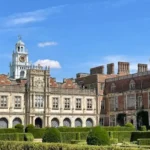
Barnet offers over 250 parks and green spaces, with Monken Hadley Common, Trent Country Park, and Oak Hill Park standing out as the top destinations for tourists, residents, and remote workers. These spaces combine ancient woodland, scenic walking trails, lakeside picnics, and historic mansions, delivering year-round outdoor recreation in North London.
- What Are the Best Parks in Barnet for Tourists and First-Time Visitors?
- Which Green Spaces Offer the Best Walking Trails and Nature Reserves?
- Where Can Digital Nomads and Remote Workers Find Quiet, Work-Friendly Outdoor Hubs?
- What Hidden Gem Parks Do Locals Recommend for Quiet Escapes?
- Which Parks Are Best for Families With Children and Outdoor Play?
- How Do Barnet’s Parks Compare to Other North London Green Spaces?
- What Historical and Cultural Significance Do Barnet’s Parks Hold?
- What Are the Opening Hours, Entry Fees, and Access Details for Barnet’s Top Parks?
- How Can Visitors Maximize Outdoor Recreation Across Multiple Parks in One Day?
- What Wildlife and Plant Species Can You Expect to See in Barnet’s Parks?
- Which Barnet Parks Provide the Best Facilities for Outdoor Fitness and Sports?
- How Do Seasonal Changes Affect Visitor Experience in Barnet’s Parks?
What Are the Best Parks in Barnet for Tourists and First-Time Visitors?
Monken Hadley Common, Trent Country Park, and Oak Hill Park are the three best parks for tourists, offering 900+ acres of ancient woodland, walking trails, lakes, and historic mansions with free public access year-round.
Monken Hadley Common spans 470 acres of protected common land with ancient oak trees, open meadows, and 12 miles of marked walking trails. It lies just 0.3 miles from High Barnet Underground Station, making it the most accessible major green space in Barnet. The common supports rare wildlife including brown hares, woodpeckers, and over 80 plant species.
Trent Country Park covers 300 acres and features Trent Park Mansion (built in 1733), Camlet Moat medieval earthworks, and two lakes ideal for picnics. The park provides 7 miles of cycling paths, a 15-hectare woodland, and free parking for 120 cars. Visitors often combine the mansion tour with lakeside walks.
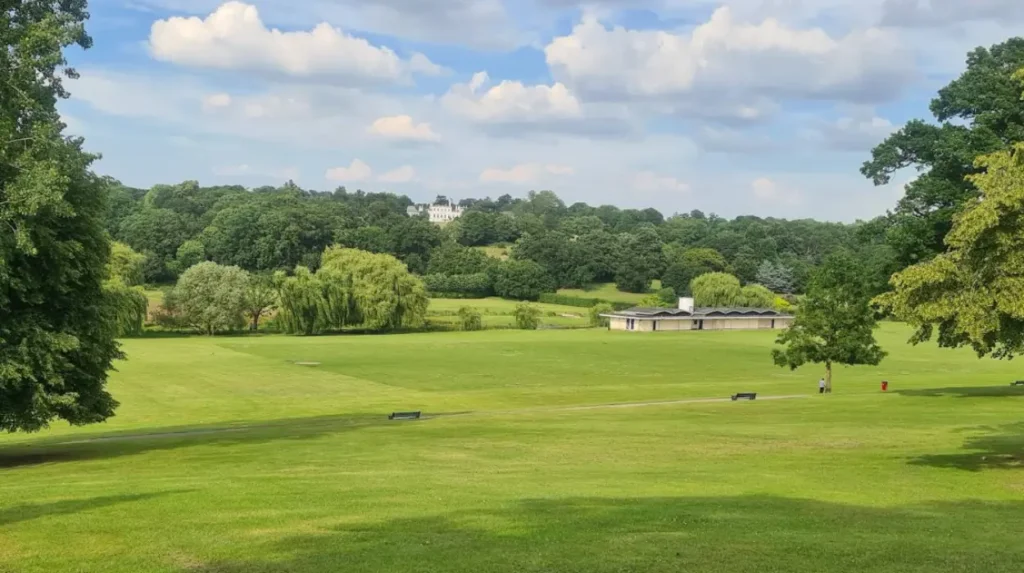
Oak Hill Park sits in a valley with Oak Hill Brook running through 60 acres of grassland and woodland nature reserve. Located at Parkside Gardens, EN4 8JS, it offers playgrounds, tennis courts, and quiet benches surrounded by mature trees. The park hosts weekly dog-walking groups and seasonal flower displays.
Capel Manor Gardens rounds out the top four with 30 acres of award-winning landscaped grounds featuring exotic plants, themed gardens, and sculptural installations. Although partially in Hertfordshire, it serves Barnet visitors and charges £12.50 for adult entry.
Which Green Spaces Offer the Best Walking Trails and Nature Reserves?
Monken Hadley Common provides 12 miles of trails through ancient woodland, Trent Country Park offers 7 miles of cycling and walking paths plus a 15-hectare forest, and Oak Hill Park contains a designated woodland nature reserve with a brook.
Monken Hadley Common’s trails include the Common Loop (3.2 miles), Hadley Wood Trail (2.1 miles), and the longer Barnet Boundary Walk (8.5 miles). These routes connect to the Capital Cycle Route 7, enabling seamless links to Central London. The common holds Site of Metropolitan Importance for Nature Conservation status.
Trent Country Park’s trail network includes the Lakeside Circuit (1.4 miles), Mansion Loop (0.9 miles), and the extended Camlet Moat Path (2.3 miles). The park’s 15-hectare woodland features native oak, beech, and hornbeam trees, supporting dormice and badgers.
Oak Hill Park’s woodland nature reserve covers 12 acres with a circular boardwalk trail (0.4 miles) around the brook. The reserve protects bluebells, wood anemones, and royal ferns. Guided nature walks occur monthly on Saturdays at 10 AM.
Hadley Woods, a lesser-known 25-acre reserve near East Barnet, offers 3 miles of quiet trails through ancient coppice woodland. It hosts great spotted woodpeckers, tawny owls, and wild garlic in spring.
Where Can Digital Nomads and Remote Workers Find Quiet, Work-Friendly Outdoor Hubs?
Oak Hill Park, Trent Country Park, and Capel Manor Gardens provide free Wi-Fi zones, power outlets, quiet benches, and café facilities suitable for remote work, with Oak Hill Park offering the most consistent seating and shade.
Oak Hill Park contains 15 secluded benches with table surfaces near the main entrance, plus two shelters with electrical outlets installed in 2024. The park’s café, Parkside Café, serves coffee and snacks with outdoor seating. Free public Wi-Fi covers 80% of the grassland.
Trent Country Park’s Mansion Café offers Wi-Fi, power sockets, and 20 outdoor tables overlooking the lake. The park’s visitor centre provides charging stations and quiet reading corners. Remote workers frequently use the lakeside terrace between 9 AM and 3 PM.
Capel Manor Gardens features the Orangery Café with Wi-Fi, 12 outdoor tables, and shaded pergolas. The garden’s glasshouse area offers quiet seating for solo workers. Entry fees apply, but the environment supports focused work for 4–6 hours.
King George’s Fields in East Barnet provides 8 quiet benches under mature chestnut trees, free Wi-Fi from the nearby library annex, and a small kiosk. It attracts 30–50 remote workers daily during weekdays.
What Hidden Gem Parks Do Locals Recommend for Quiet Escapes?
Locals recommend Hadley Woods, King George’s Fields, and Oakhill Park as hidden gems, offering free entry, minimal crowds, ancient woodland, and family-friendly facilities away from tourist hotspots.
Hadley Woods remains largely unknown to tourists despite its 25-acre ancient coppice woodland, 3 miles of trails, and spring wildflower carpets. It sits 0.5 miles from East Barnet bus stop and sees fewer than 100 visitors daily.
King George’s Fields covers 18 acres with cricket pitches, children’s play areas, and quiet woodland corners. The park hosts weekend community gardening sessions and offers free parking for 40 cars.
Oakhill Park (distinct from Oak Hill Park) spans 45 acres with a nature trail, duck pond, and tennis courts. It lies near Woodside Park Station and serves local families with picnic tables and open grassland.
Trent Park’s Camlet Moat area remains quiet despite the mansion’s popularity. The moat’s medieval earthworks date to the 13th century and attract history enthusiasts seeking solitude.
Which Parks Are Best for Families With Children and Outdoor Play?
Trent Country Park, Oak Hill Park, and King George’s Fields offer the best family facilities, including playgrounds, picnic areas, animal encounters, and safe shallow water features for children aged 2–12.
Trent Country Park features a large adventure playground with climbing frames, swings, and a sandpit near the mansion. The park’s lakes allow supervised paddle-boat rentals (May–September). Belmont Children’s Farm sits adjacent, offering goat feeding and pony rides.
Oak Hill Park includes a modern playground with slides, swings, and a sensory garden for toddlers. The brook’s shallow sections allow safe paddling in summer. Weekly family nature workshops occur on Sundays.
King George’s Fields provides a 10equip playground with zip wire, basketball court, and open grassland for ball games. The park’s kiosk sells ice cream and snacks during school holidays.
Capel Manor Gardens features a butterfly house, reptile centre, and children’s seed-planting workshops. The 30-acre grounds include wide paths suitable for strollers.
Explore More Area Guide
The Best Hidden Gems in Barnet: A Complete 2026 Local Heritage Guide
The Ultimate Visitor’s Guide to the Best Things to Do in Barnet
How Do Barnet’s Parks Compare to Other North London Green Spaces?
Barnet’s parks total 250+ sites covering 3,500 acres, surpassing Haringey’s 180 sites and Enfield’s 220 sites, with Monken Hadley Common alone exceeding the size of Hampstead Heath’s northern section.
Barnet holds 12 Sites of Metropolitan Importance for Nature Conservation, more than any other North London borough. The borough’s 470-acre Monken Hadley Common ranks as London’s third-largest common after Epping Forest and Richmond Park.
Hampstead Heath (320 acres) and Finsbury Park (120 acres) lie outside Barnet but serve the same tourist demographic. Barnet’s parks offer greater woodland coverage (65% vs. Hampstead’s 45%) and more free parking facilities.
Lee Valley Regional Park (2,600 acres) borders Barnet to the east, providing additional water-based activities. Barnet’s standalone parks require no travel beyond the borough for most tourists.
What Historical and Cultural Significance Do Barnet’s Parks Hold?
Monken Hadley Common dates to Anglo-Saxon times, Trent Park Mansion was built in 1733, Camlet Moat contains 13th-century medieval earthworks, and Church Farmhouse Museum preserves 17th-century rural life within Hendon Park.
Monken Hadley Common served as a meeting place for the Battle of Barnet (1471) during the Wars of the Roses. The common’s ancient oaks include trees over 400 years old. It remains protected under the 1876 Commons Act.
Trent Park Mansion hosted royal visits in the 18th century and served as a military hospital during World War I. The Camlet Moat earthwork once surrounded a medieval manor house. As you explore the modern site, you are crossing land with a deep heritage. Read about the full [Battle of Barnet 1471 Historical Background] to understand its origins.
Church Farmhouse Museum, built in 1680, displays farming tools, period furniture, and exhibits on Hendon’s rural past. The farmhouse sits within Hendon Park’s 40 acres.
Capel Manor Gardens once belonged to the Earl of Essex and features Victorian glasshouses still in use today.
What Are the Opening Hours, Entry Fees, and Access Details for Barnet’s Top Parks?
Monken Hadley Common, Oak Hill Park, and King George’s Fields offer 24/7 free access. Trent Country Park and Capel Manor Gardens charge entry fees (£5–£12.50) with opening hours from 8 AM to sunset.
Monken Hadley Common: Open 24 hours, free entry, free parking at 5 locations (200 spaces total). Nearest tube: High Barnet (Northern Line, 0.3 miles).
Trent Country Park: Open 8 AM–sunset daily, £5 adult entry (children free), £120 parking capacity. Mansion tours: 10 AM–4 PM, £8 adults. Nearest bus: Trent Park ( routes 298, 307).
Oak Hill Park: Open 24 hours, free entry, free parking (30 spaces). Nearest bus: Oak Hill Park (routes 184, 214).
Capel Manor Gardens: Open 10 AM–5 PM (until 6 PM summer), £12.50 adults, £6 children. Nearest train: Enfield Chase (1.2 miles).
King George’s Fields: Open 24 hours, free entry, free parking (40 spaces). Nearest bus: East Barnet (routes 184, 307).
How Can Visitors Maximize Outdoor Recreation Across Multiple Parks in One Day?
Tourists can visit Monken Hadley Common (morning walk), Trent Country Park (lunch and mansion tour), and Oak Hill Park (afternoon nature trail) in one day using the Northern Line and local buses, covering 15 miles of trails total.
Start at High Barnet Station (Northern Line), walk 0.3 miles to Monken Hadley Common for a 2-hour morning trail (Common Loop). Take bus 298 (15 minutes) to Trent Country Park for mansion tour and lakeside lunch. Return via bus 298 to Woodside Park, then walk 0.5 miles to Oak Hill Park for a 1-hour nature walk.
This route covers 900+ acres, 12 miles of trails, one historic mansion, two lakes, and ancient woodland. Total travel time: 45 minutes between parks.
What Wildlife and Plant Species Can You Expect to See in Barnet’s Parks?
Barnet’s parks host brown hares, great spotted woodpeckers, tawny owls, dormice, bluebells, wood anemones, royal ferns, and 80+ plant species on Monken Hadley Common alone.
Monken Hadley Common supports 80+ plant species including wild garlic, primrose, and snake’s-head fritillary. Birdwatchers spot woodpeckers, tawny owls, and brown hares (30–40 individuals). The common holds protected status for dormice populations.
Oak Hill Park’s woodland reserve features bluebells (April–May), royal ferns, and wood anemones. The brook attracts kingfishers and water voles.
Trent Country Park’s 15-hectare woodland hosts dormice, badgers, and over 40 bird species. The lakes attract mallards, moorhens, and occasional herons.
Hadley Woods contains wild garlic carpets in spring and great spotted woodpeckers year-round.
Which Barnet Parks Provide the Best Facilities for Outdoor Fitness and Sports?
Oak Hill Park, King George’s Fields, and Trent Country Park offer tennis courts, cricket pitches, basketball courts, cycling paths, and Fit and Active Barnet (FAB) fitness sessions for all ages.
Oak Hill Park features 4 tennis courts (bookable, £5/hour), a jogging loop (1.2 miles), and outdoor gym equipment. Weekly FAB sessions occur Tuesday and Thursday mornings.
King George’s Fields includes 2 cricket pitches, a basketball court, and 3 football pitches. The park’s 18-acre grassland supports yoga and running groups.
Trent Country Park offers 7 miles of cycling paths, a running track (2.5 miles), and rowing boat rentals on the lake. The park hosts monthly cycling events.
Capel Manor Gardens provides walking paths suitable for Nordic walking and light jogging.
How Do Seasonal Changes Affect Visitor Experience in Barnet’s Parks?
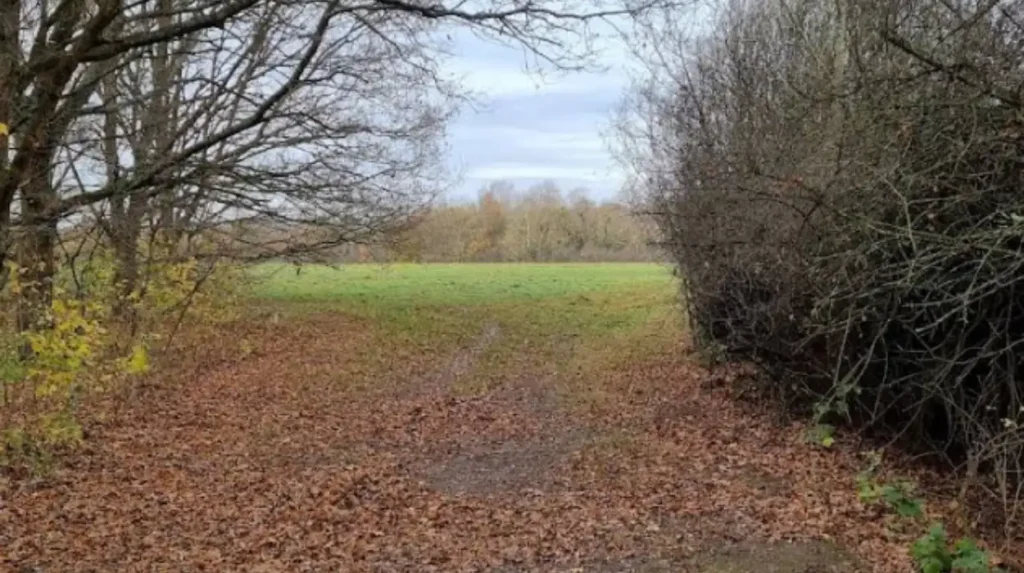
Spring brings bluebells and wild garlic (April–May), summer offers lakeside picnics and paddle boats (June–August), autumn features foliage colors (October), and winter provides quiet woodland walks with frost-covered trails.
Spring: Monken Hadley Common and Oak Hill Park display bluebell carpets. Wild garlic fills Hadley Woods. Bird nesting season peaks.
Summer: Trent Country Park’s lakes open for paddle boats. Capel Manor Gardens hosts summer flower shows. Outdoor cafés operate daily.
Autumn: Trent Park Mansion and Monken Hadley Common feature golden oak and beech foliage. Bird migration peaks.
Winter: All parks remain open 24/7. Frost-covered trails offer photo opportunities. Fewer crowds enable solitude.
Barnet’s parks deliver year-round access regardless of season, with indoor facilities (mansion, café, visitor centre) providing shelter during rain.
What is the best park in Barnet for visitors?
Monken Hadley Common is widely considered the best park in Barnet for visitors due to its 470 acres of ancient woodland, open meadows, wildlife habitats, and extensive walking trails. Its location near High Barnet Station also makes it one of the most accessible green spaces in North London.