Key Points
- A Metropolitan Police officer known as “Officer A” was dismissed for gross misconduct after she signed a witness statement with her own signature while attributing it to a witness identified as “AP”.
- The misconduct panel found that her conduct was “fundamentally” incompatible with that of a serving police officer.
- The incident happened on 17 March 2024 while officers were responding to a reported domestic disturbance.
- The panel heard that Officer A had four years of service and was sacked on 24 June after breaching honesty standards and undermining police investigations.
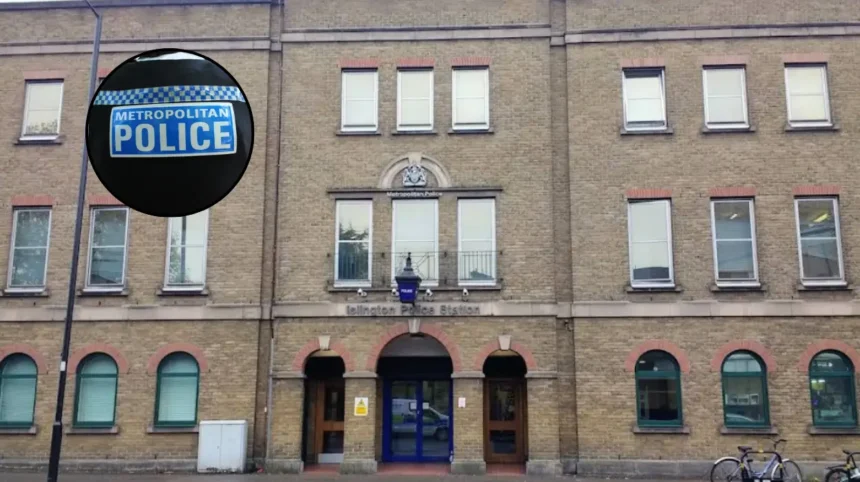
- Colleagues at Islington Police Station reportedly saw a blank signature box on the paperwork before the statement was submitted.
- The Met’s record-keeping software requires a completed signature before a witness statement can be filed.
Islington (North London News) July 1, 2026 – A Metropolitan Police officer has been dismissed for gross misconduct after signing a witness statement with her own signature and presenting it as though it belonged to a witness, in a case a misconduct panel said fell far below the standards expected of a serving officer.
As reported by the reporting team at The Standard, the officer was identified only as “Officer A” and had four years of service when she was removed from duty on 24 June for breaching honesty standards and undermining a police investigation through what the panel described as a “failure to complete basic tasks”.
What did the misconduct panel hear?
The panel heard that the incident took place on 17 March 2024 during a police response to a reported domestic disturbance.
According to the findings, Officer A used her own signature while attributing it to a witness identified as “AP” after failing to obtain the woman’s signature directly.
The panel concluded that the action amounted to serious dishonesty and compromised the integrity of the statement process.
Why was the officer dismissed?
The dismissal followed a gross misconduct finding, with the panel ruling that the behaviour was incompatible with continued service in the force.
The case centred on basic record-keeping and honesty obligations, both of which are essential to police evidence handling and the reliability of witness statements.
The Met’s system reportedly would not accept the statement unless a signature had been completed, which made the signature issue central to the case.
What evidence was considered?
At least two colleagues at Islington Police Station reportedly noticed that the signature box had been left blank on the paperwork.
That detail became significant because the statement still went through the submission process despite the missing witness signature.
The panel’s findings indicate that the failure was not treated as a minor administrative error, but as conduct serious enough to justify dismissal.
Why does this matter for policing?
Witness statements are a routine but important part of police work because they help document accounts that may later be relied on in investigations or court proceedings.
When signature requirements are bypassed, the credibility of the evidence can be undermined, even if the original incident itself is unrelated to the misconduct. In this case, the panel treated the signature issue as a direct challenge to honesty and procedural standards.
What happens after dismissal?
A gross misconduct finding usually means the officer is no longer fit to remain in the force, and the decision also sends a wider message about evidence handling standards.
The outcome suggests that even a single falsified or improperly completed statement can carry serious career consequences if it damages trust in police processes.
The case also shows how internal checks, such as colleagues spotting a blank signature field, can trigger scrutiny of paperwork already in circulation.
Background of the development
The Metropolitan Police, commonly known as the Met, is the UK’s largest police force and regularly deals with misconduct proceedings involving conduct, honesty and professional standards.
Cases involving false statements or improper certification are treated seriously because they raise questions about evidence integrity and public confidence in policing.
In this instance, the issue emerged from a domestic disturbance response and developed into a formal misconduct case after internal review of the paperwork.
Prediction
For officers and police staff, this case is likely to reinforce stricter attention to witness statement procedures, particularly around signatures and document submission.
For the public, it may increase scrutiny of how police evidence is recorded and checked, especially in cases where witness accounts are central to an investigation.
For the Met, the ruling may serve as another example of how even relatively basic administrative failures can become disciplinary matters when honesty is questioned.