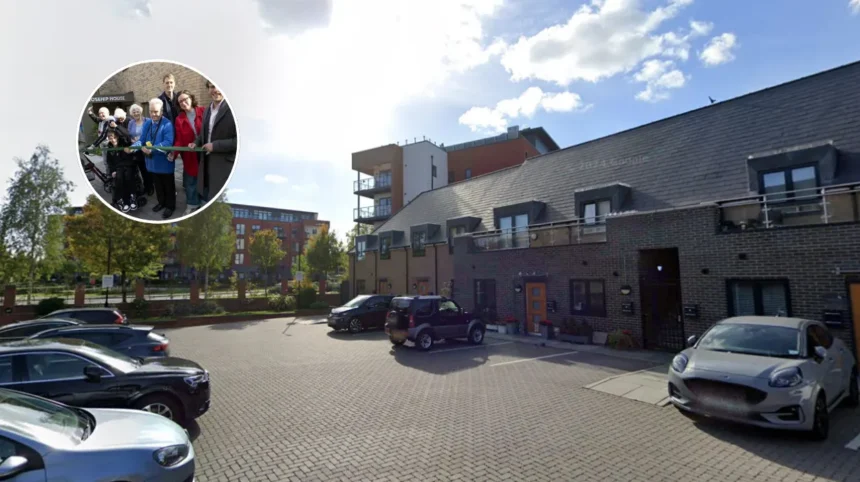
Key Points
- Rosehip House in Islington, north London, received a commendation in the Healthcare category at the ATLAS Secured by Design Awards.
- The facility provides supported living for 11 adults with learning disabilities, featuring seven modern one-bedroom flats and a four-home pod with shared kitchen and dining space.
- Designed in partnership with Islington’s Adult Social Care team and the Learning Disability Partnership.
- Metropolitan Police Designing out Crime Officers (DOCOs) contributed from inception, addressing challenges from a crime-linked former car park site.
- Focus on creating safe, secure, navigable homes that promote independence, well-being, and safeguarding without being overbearing.
- Located in the heart of the community to enable independent lives.
Islington (North London News) April 14, 2026 – Rosehip House in Islington, north London, has been recognised in the Healthcare category award at the ATLAS Secured by Design Awards, which honour excellence in designing out crime, as detailed in coverage from PBC Today.
- Key Points
- What Is Rosehip House and Who Does It Serve?
- How Did Metropolitan Police DOCOs Contribute to the Project?
- What Challenges Did the Development Face?
- Why Was Rosehip House Commended at the ATLAS Awards?
- Background of the Development
- Predictions: How This Development Can Affect Residents with Learning Disabilities and Their Families
The awards, run by Secured by Design, spotlight projects that integrate crime prevention into architecture and urban planning. Rosehip House stood out for its approach to supported living for vulnerable adults.
What Is Rosehip House and Who Does It Serve?
Rosehip House provides supported living for 11 adults with learning disabilities. It includes seven modern one-bedroom flats and a four-home pod, where residents needing greater support live together with a shared kitchen and dining space.
As reported in PBC Today, the development offers safe and secure housing while enabling residents to live independent and fulfilling lives in their local community. The scheme was designed in partnership with Islington’s Adult Social Care team and the Learning Disability Partnership.
How Did Metropolitan Police DOCOs Contribute to the Project?
From its inception, Designing out Crime Officers (DOCOs) from the Metropolitan Police played a key role in the development, according to the PBC Today article.
The first challenge was the location: a dilapidated former car park with disused garages heavily linked to crime and anti-social behaviour. DOCOs ensured a safe, secure environment for vulnerable adults with complex needs, preventing them from becoming targets in a high-crime area.
The team balanced creating welcoming homes that promote well-being and calm, while meeting operational requirements and incorporating stringent safeguarding measures. The facility was designed to be easy for residents with learning disabilities to navigate and not overly imposing.
What Challenges Did the Development Face?
The site’s history posed significant hurdles. PBC Today notes that the former car park and garages were associated with criminal activity and anti-social behaviour, requiring measures to transform it into a secure space.
Safeguarding vulnerable residents was paramount. Designers addressed the need for security without compromising the home-like feel or residents’ independence.
No additional challenges or statements from other sources were available in the provided coverage, which centres on PBC Today’s reporting.
Why Was Rosehip House Commended at the ATLAS Awards?
The commendation in the Healthcare category recognises Rosehip House’s success in designing out crime, as highlighted by Secured by Design’s ATLAS Awards framework. PBC Today links this to the project’s integration of police-guided security features tailored for supported living.
The awards evaluate excellence across sectors, with Healthcare focusing on facilities like this that protect vulnerable groups. Rosehip House’s community location further supports its recognition by fostering integration rather than isolation.
Secured by Design, the official UK police flagship initiative, endorses such projects through its website, emphasising crime prevention through environmental design.
Background of the Development
Rosehip House transformed a problematic site into a functional supported living facility. The project addressed Islington’s needs for housing adults with learning disabilities, collaborating with local social care services.
DOCOs’ involvement ensured compliance with Secured by Design principles from the planning stages. This included physical security, lighting, layout, and access controls suited to residents’ needs.
The development aligns with broader UK efforts to provide community-based housing, reducing reliance on institutional care.
Predictions: How This Development Can Affect Residents with Learning Disabilities and Their Families
This development can provide residents with learning disabilities access to secure, independent living in a community setting, potentially improving daily autonomy and social integration.
Families may experience reduced concerns over safety in high-crime areas, as the design mitigates risks identified by police. The facility’s navigable layout could support skill-building for greater self-reliance.
For Islington’s Adult Social Care team and the Learning Disability Partnership, it offers a model for future projects, possibly expanding supported housing options. Local communities might see decreased anti-social behaviour from the site’s regeneration.
Service providers could replicate the DOCO partnership, enhancing safeguarding standards across similar schemes without additional reported outcomes at this stage.