Key Points
- Mildmay Community Nursery in Islington marked its 40th anniversary on 20 June with a public celebration attended by children, parents, staff and local supporters.
- The event featured a steel band, a magician, an ice‑cream stand and performances, creating a “vibrant” day described in local reporting.
- Founded in 1986, the nursery operates as a non‑profit charity, with fees reinvested into services rather than distributed as profit.
- The nursery uses an income‑banded fee system, meaning families pay according to their earnings to improve accessibility across Islington.
- Mildmay’s broader organisation has a long history of community health and care work, including support for people with HIV and rehabilitation services, though the nursery itself focuses on early years childcare.
- The anniversary also coincided with wider developments at Mildmay, including the naming of a new rehabilitation centre and the appointment of a new president, reflecting ongoing organisational growth.
- Local nurseries in Islington, including other community and council‑managed settings, similarly emphasise flexible hours, free early‑education entitlements and support for working parents.
- Research on London nurseries highlights their role as “social infrastructure” that brokers support networks for families, particularly during crises such as the pandemic.
- The celebration is positioned by Mildmay as both a moment to honour past service and to look ahead to future priorities for children and families in the borough.
- No specific changes to fees, capacity or staffing were announced in the coverage of the anniversary, though the charity model implies continued focus on reinvestment and accessibility.register-of-charities.
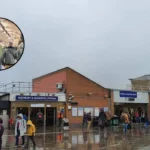
Islington (North London News) July 3, 2026 – Mildmay Community Nursery celebrated 40 years of operation in Islington with a day described as “vibrant,” drawing children, parents, staff and local supporters into a festival‑style event on 20 June.
- Key Points
- What is the history and model of Mildmay Community Nursery?
- How does the non‑profit charity model work?
- How does the nursery fit into Islington’s early years landscape?
- What role do community nurseries play for families in North London?
- How do nurseries act as social infrastructure?
- Background: The development of Mildmay Community Nursery and its 40‑year milestone
- Prediction: How can this development affect families and the local community in Islington?
- Impact on the wider Islington community
As reported by the Mildmay organisation in its own account of the anniversary, the celebration featured a steel band, a magician, an ice‑cream stand and the “joyful noise” of children and parents enjoying the day together. The event was held on the nursery’s site and was open to families and local community members, creating a public occasion rather than an internal-only gathering.
The anniversary also took place in the context of wider developments at the broader Mildmay organisation, which includes health and rehabilitation services as well as community projects.
As reported by Mildmay, the 40th‑year celebrations included a special reception at which the newly named Lord Fowler Rehabilitation Centre was honoured and Lord Smith was welcomed as the organisation’s new president.
While this reception was separate from the nursery’s street‑level celebration, both events were part of the same “Mildmay at 40” programme marking four decades of work.
What is the history and model of Mildmay Community Nursery?
Mildmay Community Nursery was established in 1986, making 2026 its 40th year of operation. According to the charity’s registered details, it is operated by Mildmay Community Nursery Limited, a non‑profit charity registered with the Charity Commission.register-of-charities.
The nursery’s founding comes within a longer history of community care in the Mildmay tradition. As outlined on the organisation’s “Our History” page, Mildmay has historically gone “where the need is greatest,” from nursing cholera victims in Victorian slums to pioneering HIV care in the 1980s, the same decade the nursery opened.
While that history covers broader health and care work, the nursery itself has focused specifically on early years childcare and family support in Islington since its inception.
How does the non‑profit charity model work?
The nursery operates as a non‑profit charity, with all fees reinvested into its services rather than distributed as profit.
As reported by Mildmay, this model allows the organisation to prioritise service quality, accessibility and long‑term sustainability rather than financial return.
Fees are banded according to household income, meaning that families pay different rates depending on their earnings, with the aim of ensuring that childcare is accessible to a diverse range of families across Islington. This income‑banded approach is consistent with the ethos of community nurseries, which often seek to reduce barriers for lower‑income households while still generating enough revenue to maintain staff and facilities.
How does the nursery fit into Islington’s early years landscape?
Mildmay Community Nursery is one of several early years providers in Islington, alongside council‑managed children’s centres and private nurseries.
Other local settings, such as Kate Greenaway Nursery School and Children’s Centre and Willow Children’s Centre, offer flexible hours, extended days for working parents and access to free early‑education entitlements for two, three and four‑year‑olds.
While each provider has its own operational model, community nurseries like Mildmay share a focus on non‑profit delivery, income‑sensitive fees and community‑based governance.
This aligns with the broader pattern in Islington, where local authorities and community organisations work to ensure that childcare is both high quality and accessible to families across different income levels.
What role do community nurseries play for families in North London?
Community and council‑managed nurseries in Islington often provide “school day” and “extended day” places to support parents who need childcare to enable them to work.
Settings such as Kate Greenaway and Willow Children’s Centre offer term‑time and all‑year‑round places, with charges applying for children under three and for those aged three to four who stay beyond free education hours.
Mildmay’s income‑banded fee system complements this by adjusting costs according to household earnings, which can make extended hours more affordable for lower‑income working families.
Together, flexible scheduling and income‑sensitive pricing can reduce the financial and logistical barriers that often prevent parents from accessing stable employment or training.
How do nurseries act as social infrastructure?
Research on London nurseries has highlighted their role as “social infrastructure” that brokers support networks for families, particularly during times of crisis.
In a case study of one London nursery, mothers described the setting as a space where they could access information, build relationships with other parents and receive support during the COVID‑19 pandemic.
For families in Islington, community nurseries such as Mildmay can function in similar ways, offering not only childcare but also a point of connection with other parents, local services and community resources.
The anniversary celebration, with its mix of performances, food and social interaction, exemplifies how such settings can strengthen community ties beyond their core educational function.
Background: The development of Mildmay Community Nursery and its 40‑year milestone
The 40th anniversary of Mildmay Community Nursery is part of a longer narrative of community‑based care in Islington and the wider Mildmay organisation.
Founded in 1986, the nursery emerged in a period when community activism and organised responses to local needs were shaping new models of care, as seen in the creation of other community nurseries in London during the 1970s and 1980s.
Mildmay’s broader history includes significant public health work, includingCare for people living with HIV in the 1980s and 1990s, and the development of rehabilitation centres for people with long‑term conditions. The naming of the Lord Fowler Rehabilitation Centre and the appointment of Lord Smith as president during the 40th‑year programme indicate that the organisation continues to evolve while maintaining its community focus.
The nursery itself has remained a non‑profit charity, with income‑banded fees and a mandate to reinvest resources into services.
This model reflects a deliberate choice to prioritise accessibility and community benefit over commercial profit, a principle that has remained consistent across four decades of operation.
Explore More Islington News
Islington Planning Applications: Home Extensions and Digital Boards, Islington 2026
Philip Sayce Blistering Blues-Rock Concert Takes Over Islington Assembly Hall 2026
Prediction: How can this development affect families and the local community in Islington?
The milestone anniversary and the public celebration of 40 years of service can reinforce confidence among current and prospective families that Mildmay Community Nursery is a stable, well‑established provider.
For families already using the nursery, this may strengthen their trust in the setting’s long‑term viability and its commitment to non‑profit, income‑sensitive childcare.
For families who have not yet used the nursery, the visibility of the anniversary event and the organisation’s public messaging may make childcare more approachable, particularly if they are aware of the income‑banded fee system and the non‑profit model.
This could encourage more diverse families in Islington to consider the nursery as an option, potentially increasing uptake among groups that might otherwise face barriers to accessing quality early years care.
Impact on the wider Islington community
The celebration also highlights the role of community nurseries as social spaces where parents, children and local residents can interact, share experiences and build networks.
In a borough where housing pressures, cost‑of‑living concerns and remote work patterns can isolate families, such spaces can play an important role in maintaining community cohesion.
If the 40th‑year milestone leads to increased attention on the nursery and its model, it may also encourage other local providers and community organisations to emphasise similar principles, such as non‑profit delivery, income‑sensitive fees and community engagement.
Over time, this could contribute to a broader early years landscape in Islington that is more inclusive, supportive and resilient, particularly in times of economic or public health pressure.
The anniversary does not, in itself, signal immediate changes to fees, capacity or staffing, but it does underline the nursery’s established position in the borough and its long‑term commitment to serving families across different income levels.
The continued operation of a non‑profit, income‑banded community nursery after 40 years suggests that this model remains viable and relevant, and that it may continue to shape how early years services are understood and delivered in Islington for the next decade.