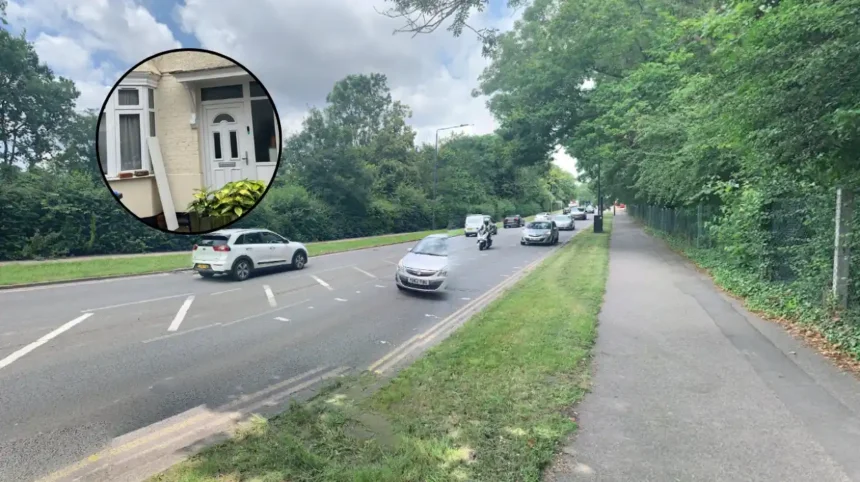
Key Points
- Landlord Fined: Kevin McLoughlin, residing in Watford Road, Radlett, Hertfordshire, has been ordered to pay a total of £6,230 in fines and court penalties.
- Offences Covered: McLoughlin was convicted of three separate offences, including failing to hold a mandatory House in Multiple Occupation (HMO) licence, failing to obtain a selective licence, and failing to comply with council legal notices.
- First Property (Stonebridge): Enforcement officers inspected a residential property on Rainborough Close, Stonebridge, on 16 October 2025, discovering it operated as an unlicensed HMO housing at least six tenants from six separate households.
- Second Property (Wembley): Officers inspected a property on Rosemead Avenue, Wembley, on 14 November 2025, finding it operated without a required selective licence.
- Ignored Statutory Notices: The property owner failed to respond within the mandatory 14-day timeframe after Brent Council issued formal legal notices requesting information regarding the Wembley address.
- Financial Penalties Breakdown: The court imposed a £3,556 penalty for the Stonebridge HMO violations and a £2,674 fine for the Wembley property offences.
- Official Council Response: Councillor Robert Johnson, Brent Council Cabinet Member for Housing, Homelessness, and Renters, stated that local authorities will not tolerate property owners putting profit ahead of tenant safety.
Brent (North London News) July 24, 2026 – A landlord from Hertfordshire has been ordered to pay more than £6,000 in judicial penalties after being convicted of illegally letting out two residential properties without the required statutory licences in the London Borough of Brent. Council investigations established that Kevin McLoughlin, resident in Watford Road, Radlett, managed private residential accommodation in Stonebridge and Wembley while failing to satisfy statutory local housing management regulations.
- Key Points
- What Were the Specific Details of the Council Investigations and Court Penalties?
- How Did Local Housing Officials Respond to the Prosecution?
- What is the Background to Property Licensing Enforcement in Brent?
- Prediction: How Will This Legal Action Affect Landlords, Renters, and Local Councils?
What Were the Specific Details of the Council Investigations and Court Penalties?
As reported by Joseph Reaidi, Senior Breaking News Reporter for the Brent & Kilburn Times and Watford Observer, enforcement officers from Brent Council carried out site inspections at two separate addresses owned or managed by Kevin McLoughlin late last year.
The initial investigation took place on 16 October 2025, when local authority enforcement officers executed an inspection at a residential property situated on Rainborough Close in Stonebridge.
Officers established that the dwelling was operating as an unlicensed House in Multiple Occupation (HMO), accommodating a minimum of six tenants originating from six independent households.
Following judicial proceedings, McLoughlin was found guilty of failing to hold the requisite HMO licence for the address and received a court fine of £3,556.
A secondary council inspection occurred on 14 November 2025 at a residential address on Rosemead Avenue in Wembley.
Council inspectors noted that while the property required a selective licence under local council licensing regulations, no such authorisation had been sought or obtained.
Following the Wembley inspection, Brent Council issued statutory legal notices to McLoughlin requiring official information concerning the property’s management structure. McLoughlin failed to respond to the council within the statutory 14-day limit.
In total, McLoughlin was convicted of three statutory offences across both locations:
- Failing to hold the correct licence for a House in Multiple Occupation (HMO).
- Failing to obtain a selective property licence.
- Failing to comply with statutory local authority information notices.
The court imposed a further £2,674 fine for the Rosemead Avenue offences, bringing the total combined penalty to £6,230.
Explore More Brent Council News
Free Wembley Park Live Music Festival Announced on Olympic Way 2026
Brent Council Issues Staggering £11m School Street Driving Fines: Brent 2026
How Did Local Housing Officials Respond to the Prosecution?
As recorded by Joseph Reaidi in the Watford Observer, local housing leaders highlighted the importance of property licensing in protecting private sector tenants.
Councillor Robert Johnson, Cabinet Member for Housing, Homelessness, and Renters at Brent Council, stated:
“This prosecution sends a strong message. We will not tolerate landlords operating without licenses and putting profit over the safety of tenants. Licensing helps ensure rented homes are safe, well managed, and meet the standards that tenants have a right to expect.”
What is the Background to Property Licensing Enforcement in Brent?
The judicial decision against Kevin McLoughlin follows a series of regulatory enforcement measures by Brent Council targeting non-compliant property owners within the London borough.
Historically, Brent Council has operated borough-wide HMO and selective licensing designations to regulate living conditions in the private rented sector.
Selective licensing regimes require landlords of private rented properties within specified geographic zones to obtain a operational licence, ensuring that buildings comply with safety standards, proper waste management, and anti-overcrowding guidelines.
McLoughlin was previously subject to local enforcement action regarding housing safety compliance in the borough. As reported by LandlordZONE, Brent Council officers previously issued an improvement notice against McLoughlin in June 2023 regarding a property on Baker Road in Harlesden, following tenant reports of disrepair, including a broken electric heater and ventilation failures.
Reinspections by council staff in August and September 2023 established that instructions were ignored and that a faulty fire control panel remained unaddressed. In that instance, McLoughlin admitted non-compliance with the improvement notice and was ordered by the court to pay £9,212 in fines and associated costs.
Commenting on that enforcement action, Councillor Promise Knight, then Cabinet Member for Housing, Homelessness and Renters’ Security, stated that McLoughlin “demonstrated a complete disregard for the safety and well-being of residents” and added:
“Rogue landlords in our borough will find sits facing hefty fines and possibly a criminal conviction. We will use whatever powers we have to hold them to account.”
Prediction: How Will This Legal Action Affect Landlords, Renters, and Local Councils?
The outcome of this prosecution serves as a direct regulatory signal that impacts several distinct stakeholder groups across the housing market:
Landlords operating across London boroughs face increased financial exposure if they operate without active licences or ignore local authority notices.
The total financial penalties imposed on non-compliant landlords highlight that non-compliance costs significantly exceed the administrative price of licensing.
Furthermore, repeated court convictions expose non-compliant property owners to potential inclusion on the Mayor of London’s Rogue Landlords Database or Banning Order designations under the Housing and Planning Act 2016, preventing them from managing residential lettings entirely.
Tenants residing in HMOs and selective licensing zones stand to benefit from stricter inspection schedules and enforcement outcomes.
As local authorities apply active legal penalties, tenants are less likely to encounter severe overcrowding, unaddressed maintenance hazards, and missing fire safety measures.
Unlicensed tenants also retain greater scope to apply for Rent Repayment Orders (RROs), which allow them to reclaim up to 12 months of rent if their landlord is convicted of managing an unlicensed property.
Local councils across Greater London are likely to maintain or expand proactive housing inspection strategies. Successful court outcomes provide local enforcement teams with precedent to pursue multi-property offenders across municipal borders.
The income generated through statutory court costs and enforcement actions allows councils to fund dedicated housing inspection teams, ensuring sustained monitoring of the private rented sector.