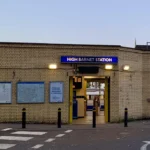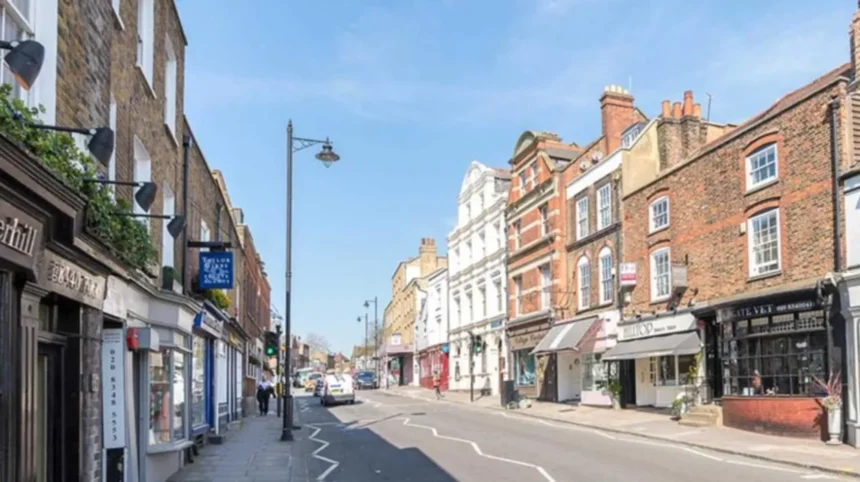
Chipping Barnet High Street offers visitors an authentic medieval market town layout, featuring 12th-century charter history, surviving 14th-century architecture, Grade II listed coaching inns, independent retail outlets, and proximity to the 1471 Battle of Barnet historic site in North London.
- Heritage Buildings and Cultural Landmarks in Chipping Barnet
- Commercial Infrastructure and Visitor Services
- What Makes Highgate High Street a Premier Architectural Heritage Corridor?
- Key Heritage Features along Highgate High Street
- Modern Amenities for Tourists and Business Travellers
- How Does Finchley High Road Offer Unique Cultural and Cinematic Heritage?
- Why Should Visitors Explore Mill Hill Broadway and Mill Hill Village?
- Key Historic Sites in Mill Hill Village and Broadway
- Leisure Facilities, Workspace, and Accessibility
- What Heritage Features Distinguish Golders Green Road and Hampstead Garden Suburb?
- How Do Transport Links and Amenities Support Visitors Across Barnet High Streets?
Chipping Barnet, also known as High Barnet, stands 130 metres above sea level at the northern terminus of London Underground’s Northern Line. The settlement originated along the Great North Road, serving as a primary transit link between London and northern England. King John granted the original market charter for Chipping Barnet on 23 August 1199 to the Lord of the Manor, the Abbot of St Albans. This charter established weekly trade operations that continue to function 800 years later. Queen Elizabeth I expanded this commercial authority in 1588 by granting a second charter for an annual livestock fair.
The architectural landscape of Chipping Barnet High Street reflects its historical role as a coaching stop. During the 18th century, over 150 stagecoaches passed through the town daily. The Mitre Inn, located on the High Street, remains the oldest surviving coaching inn structure, retaining 17th-century timber elements and stable yard footprints. In 2020, architectural investigations at 70 High Street revealed internal timber frames dated by the University College London Institute of Archaeology to between 1330 and 1362. This timber structure represents the oldest remaining commercial building frame in Greater London.
Heritage Buildings and Cultural Landmarks in Chipping Barnet
Chipping Barnet contains specific historic monuments and institutional structures within its High Street conservation area:
- St John the Baptist Church: Constructed in 1420 by John de la Moote, Abbot of St Albans, this Grade II* listed church features a flint and stone structure enlarged by architect George Gilbert Scott in 1875.
- Tudor Hall: Established in 1573 following a charter granted by Queen Elizabeth I, this brick building housed the original Queen Elizabeth’s Grammar School. It stands at the junction of High Street and Wood Street.
- Ravenscroft Almshouses: Erected in 1672 by merchant James Ravenscroft, these six charity dwellings provide unbroken residential service for local inhabitants.
- Barnet Museum: Situated on Wood Street adjacent to the High Street, this museum displays artifacts from the Battle of Barnet fought on 14 April 1471 during the Wars of the Roses.
As you explore the modern site, you are crossing land with a deep heritage. Read about the full [Insert Anchor Text for History Article Here] to understand its origins.
Commercial Infrastructure and Visitor Services
The commercial sector of Chipping Barnet covers 38,310 square metres of retail space. The Spires Shopping Centre, built in 1988 on the site of a 19th-century Methodist church, incorporates the twin stone spires of the former church into its front entrance façade. The high street integrates international coffee franchises and independent cafes equipped with high-speed fiber broadband, serving digital nomads requiring remote workspace. Public parking facilities exist at the Moxon Street car park (133 spaces) and the Spires multi-storey car park (441 spaces).
The weekly market operates every Wednesday and Saturday near St Albans Road, vending regional produce, antiques, and textiles. Leisure travellers access the area via High Barnet Station, located 600 metres south of the main market square along Barnet Hill.
What Makes Highgate High Street a Premier Architectural Heritage Corridor?
Highgate High Street delivers an intact Georgian commercial corridor, 18th-century coaching inns, Grade I and II listed structures, panoramic city views from 131 metres elevation, and immediate access to historical monuments like Highgate Cemetery and Waterlow Park.
Highgate High Street sits along the southern ridge of the London Borough of Barnet, straddling the boundary with the London Borough of Haringey. The street developed following the construction of a tollgate by the Bishop of London in 1354. This tollgate regulated traffic passing through the Bishop’s parkland on the hilltop road. The elevated position at 131 metres above sea level made Highgate a clean respite from smog-polluted central London during the 17th, 18th, and 19th centuries.
The architectural layout of Highgate High Street is defined by late 17th-century and 18th-century brick townhouses, timber-framed shops, and historic pub yards. Property boundaries follow medieval burgage plots, giving the street its dense, narrow frontages. The area holds formal conservation status, protecting over 80 designated listed buildings along the main thoroughfare and adjacent squares.
Key Heritage Features along Highgate High Street
Visitors and architectural historians observe several preserved sites along this corridor:
- Pond Square: The historic core of Highgate village, surrounded by 18th-century residences, which previously held three natural ponds drained in 1864.
- The Flask Public House: Rebuilt in 1767 on 17th-century foundations, this Grade II listed pub retains original interior panelling and a paved court yard.
- Highgate Literary and Scientific Institution: Founded in 1839 at 11 South Grove, this library and archive houses over 25,000 volumes and historical records of North London.
- Lauderdale House: Located in adjacent Waterlow Park, this 1582 timber-framed mansion was converted into an arts centre serving Highgate visitors.
Modern Amenities for Tourists and Business Travellers
Highgate High Street provides high-density dining, specialist retail, and professional services. Specialist shops include art galleries, antique dealers, independent bakeries, and boutique clothing retailers.
Digital nomads utilize laptop-friendly venues along the high street that offer quiet seating and public Wi-Fi. Business travellers access Highgate via the Northern Line at Highgate Underground Station, located 700 metres to the east along Archway Road. Walking routes connect the High Street directly to Highgate Cemetery (established 1839), where figures such as Karl Marx, George Eliot, and Michael Faraday are interred.
How Does Finchley High Road Offer Unique Cultural and Cinematic Heritage?
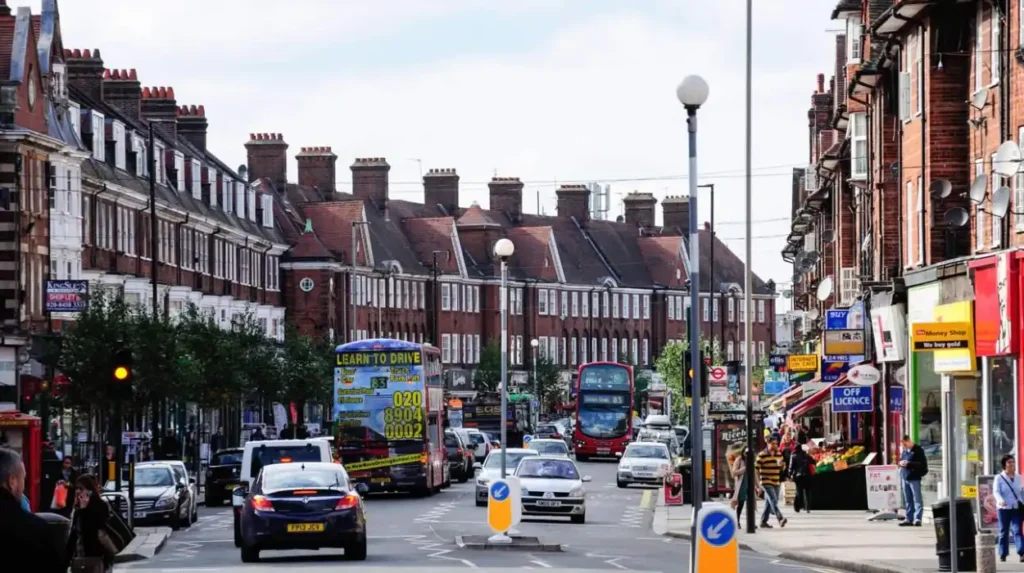
Finchley High Road provides significant 20th-century cultural heritage, housing the oldest continuously operating cinema in the United Kingdom, preserved Victorian civic estates, diverse international culinary hubs, and extensive commercial amenities spanning East and North Finchley.
Finchley High Road forms a continuous 3.5-mile commercial spine along the A1000 road, connecting East Finchley, Church End (Finchley Central), and North Finchley. Historically, this road formed part of the Great North Road bypass laid out across Finchley Common following the Enclosure Act of 1811. The area transitioned from open pastureland into a suburban residential and commercial hub following the arrival of the Edgware, Highgate and London Railway in 1867.
The high street contains distinct historical zones. East Finchley retains late Victorian and Edwardian shopfronts, Church End functions as the historical administrative core of the former Municipal Borough of Finchley, and North Finchley operates as a major suburban shopping center.
Cultural and Architectural Landmarks on Finchley High Road
Finchley High Road hosts historic facilities that draw national and international leisure travellers:
- The Phoenix Cinema: Built in 1910 and opened as the East Finchley Picturedrome, this Grade II listed structure is the oldest continuously operating picture house in the United Kingdom. Its auditorium contains original 1938 Art Deco wall reliefs created by Mollo and Egan.
- Stephens House and Gardens (Avenue House): Located at 17 East End Road just off the High Road, this Victorian mansion was purchased in 1874 by ink manufacturer Henry Charles Stephens. The property, along with its 10 acres of landscaped gardens designed by Robert Marnock, was bequeathed to the public in 1918.
- The King Charles II Statue: Positioned at Henlys Corner, this stone sculpture dates to 1669 and originally stood at the Royal Exchange in Central London before its relocation to Finchley in 1907.
- The Grand Arcade: Constructed in 1935 in North Finchley, this covered shopping arcade features original Art Deco detailing and skylights.
Commercial and Business Infrastructure
Finchley High Road accommodates over 200 retail and service businesses. North Finchley represents one of the largest town centres in the London Borough of Barnet, providing high-street banks, supermarkets, fitness centers, and workspace hubs.
The high street serves as a multicultural dining destination. Visitors find authentic Persian, Japanese, Turkish, Italian, and Jewish delis lining the thoroughfare between East Finchley and Tally Ho Corner.
Digital nomads access shared workspaces and public libraries, including the Artsdepot cultural centre at Tally Ho Corner. Artsdepot, opened in 2004, contains a 348-seat theatre, a 148-seat drama studio, gallery spaces, and free public Wi-Fi work zones. Transport access is provided by East Finchley Station (featuring a 1939 Charles Holden Underground building) and Finchley Central Station on the Northern Line.
Why Should Visitors Explore Mill Hill Broadway and Mill Hill Village?
Mill Hill combines a vibrant 1920s commuter high street along Mill Hill Broadway with the preserved 18th-century architectural conservation area of Mill Hill Village, offering visitors historic inns, nonconformist heritage, and rapid transit links.
Mill Hill presents a dual character: Mill Hill Broadway provides a dense, modern retail environment, while Mill Hill Village, located 1 mile to the east along The Ridgeway, preserves a rural 18th-century village streetscape. The area sits on a high ridge reaching 125 metres above sea level.
The historical development of Mill Hill Village accelerated during the 18th century when wealthy London merchants built country estates along The Ridgeway. Mill Hill Broadway developed rapidly after 1925 following the opening of Mill Hill Broadway Railway Station on the Midland Railway line, creating a suburban commercial center to serve incoming residents.
Key Historic Sites in Mill Hill Village and Broadway
Mill Hill features landmark institutions and preserved green belt boundaries:
- Mill Hill School: Founded in 1807 by nonconformist leaders including Samuel Favell and John Pye-Smith, this independent school features a main building designed in 1825 by Sir William Tite, architect of the Royal Exchange.
- St Paul’s Church: Built in 1833 by abolitionist William Wilberforce, who resided at nearby Hendon Hall. Wilberforce funded the construction of this chapel of ease shortly before his death.
- The Three Hammers Public House: Established in 1771 on The Ridgeway, this historic pub served as a meeting place for local agricultural workers and timber merchants.
- Celia Fiennes House and Rosebank Cottages: 17th-century and 18th-century timber-framed and brick cottages listed for their architectural preservation along Milespit Hill and The Ridgeway.
Leisure Facilities, Workspace, and Accessibility
Mill Hill Broadway covers over 80 commercial units, including independent coffee shops, bakeries, clothing stores, and grocery outlets. Digital nomads utilize modern cafes along the Broadway that provide dedicated workspace seating and charging stations.
Leisure visitors combine shopping on Mill Hill Broadway with walking tours along the Mill Hill Conservation Area trail, which leads through 150 acres of open green spaces, including Arrandene Open Space and Featherstone Hill.
Mill Hill Broadway Station provides direct Thameslink train services reaching London St Pancras International in 20 minutes, making the location accessible for domestic business travellers looking to maximize downtime between meetings.
Explore More Area Guide
Most Beautiful Places to Visit in Barnet for Scenic Days Out
How to Explore Barnet Like a Local: Authentic North London Guide
What Heritage Features Distinguish Golders Green Road and Hampstead Garden Suburb?
Golders Green Road delivers an internationally recognized culinary high street integrated with Hampstead Garden Suburb, a Grade II listed 1907 planned community featuring masterwork architecture by Sir Edwin Lutyens, Raymond Unwin, and Barry Parker.*
Golders Green Road runs northwest from Golders Green Underground Station, serving as the commercial core of Golders Green. The area transformed from farmland into a bustling urban district following the opening of the Charing Cross, Euston & Hampstead Railway (now the Northern Line) in 1907.
Directly adjacent to the high street lies Hampstead Garden Suburb. Founded in 1907 by philanthropist Dame Henrietta Barnett, the suburb was created to build an integrated community across all social classes set within a protected green landscape. Architects Raymond Unwin and Barry Parker drafted the master plan, while Sir Edwin Lutyens designed the central civic features.
Key Heritage Buildings and Urban Features
Golders Green Road and Hampstead Garden Suburb present exceptional architectural assets:
- Golders Green Hippodrome: Built in 1913 by theatrical architect Bertie Crewe, this Grade II listed building functioned as a 3,000-seat theatre, a BBC concert hall, and a historic broadcasting site.
- Central Square (Hampstead Garden Suburb): Designed by Sir Edwin Lutyens, this central green contains two Grade I listed places of worship: St Jude on the Hill Church (completed 1911) and the Free Church (completed 1911).
- The Henrietta Barnett School: Located in Central Square, this Grade I listed educational institution occupies a Lutyens-designed neo-Georgian building erected in 1911.
- Golders Green Crematorium: Opened in 1902 on Hoop Lane, this Grade II* listed facility is the oldest crematorium in London, featuring manicured memorial gardens and red-brick Italianate cloisters.
Dining, Shopping, and Travel Services
Golders Green Road is a major regional culinary destination. The high street contains over 100 specialty dining venues, including authentic Jewish kosher bakeries, middle eastern restaurants, Japanese ramen bars, and East Asian supermarkets.
For digital nomads and leisure visitors, Golders Green Road offers numerous 24-hour food outlets, internet cafes, and traditional tea rooms.
Golders Green Bus Station, located at the south end of the high street, functions as a principal interchange for National Express coach services connecting London to major UK airports and northern cities. Northern Line trains connect Golders Green to Euston Station in 12 minutes.
How Do Transport Links and Amenities Support Visitors Across Barnet High Streets?
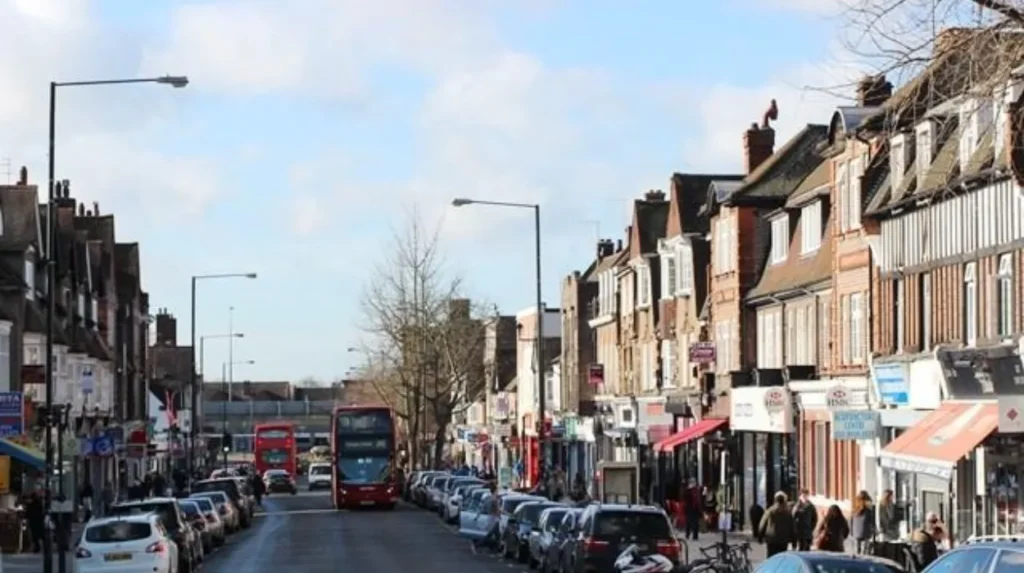
The historic high streets of Barnet are connected by the London Underground Northern Line, Thameslink rail corridors, major arterial roadways, and integrated public amenities designed for seamless travel, leisure exploration, and remote work.
Navigating the historic high streets within the London Borough of Barnet is efficient due to the strategic infrastructure installed over the past 150 years. The borough spans 86.74 square kilometres, making cross-district connectivity essential for leisure travellers, digital nomads, and local residents.
Public transport operators provide extensive coverage between each historic shopping corridor. The London Underground Northern Line branches across Barnet, offering direct access to central London transport hubs like Camden Town, King’s Cross St Pancras, London Bridge, and Waterloo.
Transport Infrastructure Across Barnet High Streets
| High Street Location | Primary Railway / Tube Station | Fare Zone | Key Bus Routes Serving the Corridor |
| Chipping Barnet High Street | High Barnet (Northern Line) | Zone 5 | 34, 84, 107, 184, 234, 263, 326 |
| Highgate High Street | Highgate (Northern Line) | Zone 3 | 43, 134, 214, 263 |
| Finchley High Road (North/East) | East Finchley & Finchley Central (Northern Line) | Zone 3 / 4 | 102, 125, 143, 263, 460 |
| Mill Hill Broadway | Mill Hill Broadway (Thameslink Railway) | Zone 4 | 114, 186, 221, 240, 303 |
| Golders Green Road | Golders Green (Northern Line) | Zone 3 | 13, 83, 102, 183, 210, 240 |
Digital Nomad and Business Traveler Amenities
Barnet’s high streets accommodate business travellers and digital nomads through a network of infrastructure upgrades:
- Public Library Networks: Free high-speed Wi-Fi, desk space, and printing services exist at Chipping Barnet Library (Stapylton Road), Finchley Church End Library (Hendon Lane), and Golders Green Library (Golders Green Road).
- Co-Working Hubs: Dedicated flexible desk spaces operate near Mill Hill Broadway, North Finchley, and Highgate Village, offering meeting rooms, fiber-optic internet, and private phone booths.
- Electric Vehicle (EV) Charging: Barnet Council operates over 1,500 residential and high-street EV charging points, making self-drive travel across the high streets practical.
Pedestrian Access and Green Belt Connections
Each historic high street in Barnet connects directly to public green spaces, parks, and walking trails. The London Loop (London Outer Orbit Path) section 16 runs directly through Chipping Barnet and Monken Hadley, allowing visitors to combine heritage shopping with long-distance countryside hiking.
Dollises Valley Greenwalk provides a 10-mile dedicated pedestrian and cycle path connecting Moat Mount in Mill Hill through Finchley down to Hampstead Heath, running parallel to the borough’s commercial centers. These green connections ensure that visiting Barnet’s historic high streets provides a balanced experience of commercial heritage, architectural discovery, and outdoor recreation.