Key Points
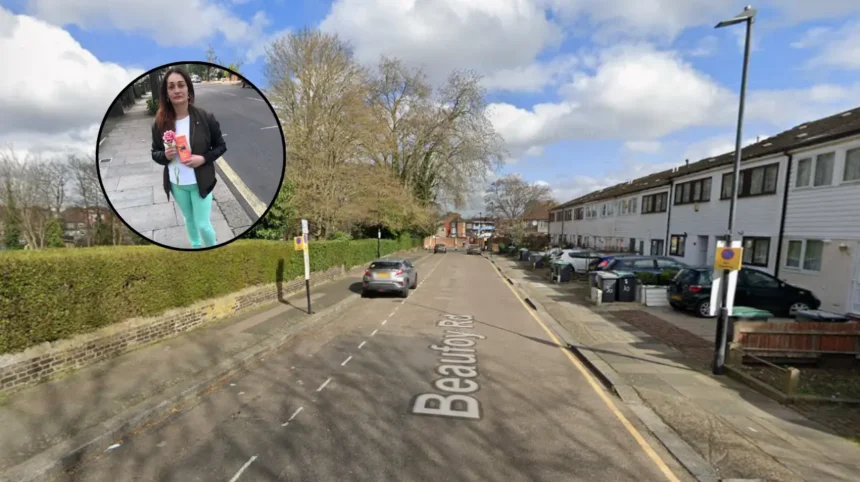
- Simon Levy, 40, of Beaufoy Road, Tottenham, has been convicted of murdering Carmenza Valencia-Trujillo and Sheryl Wilkins in London in 2025.
- He was also found guilty of two counts of rape, grievous bodily harm with intent and intentional non-fatal strangulation involving a third woman.
- The convictions were returned by a jury at the Old Bailey on Friday, 7 August, after a five-week trial.
- Police said Valencia-Trujillo was found unresponsive at an abandoned building on the Aylesbury Estate in south London on 17 March 2025.
- Wilkins was found unresponsive in a car park on Tottenham High Road on 24 August 2025.
- Levy was initially arrested in connection with Valencia-Trujillo’s death but was released on bail after post-mortem examinations failed to establish a definitive cause of death.
- The Metropolitan Police later identified Levy through CCTV and facial-recognition enquiries following Wilkins’s death.
- The force has referred its handling of the case to the Independent Office for Police Conduct, with that investigation continuing.
- Levy is due to be sentenced at the Old Bailey on Wednesday, 12 August.
Tottenham (North London News) August 8, 2026 — Simon Levy, a 40-year-old man from Tottenham in north London, has been found guilty of murdering two women, raping a third woman and carrying out a violent sexual assault in a series of offences committed across London during 2025.
A jury at the Old Bailey convicted Levy of murdering 53-year-old Carmenza Valencia-Trujillo and 39-year-old Sheryl Wilkins. He was also convicted of two counts of rape, grievous bodily harm with intent and intentional strangulation relating to an attack on another woman in January 2025.
The verdict followed a five-week trial. Levy, of Beaufoy Road, Tottenham, is due to be sentenced at the same court on Wednesday, 12 August. The Metropolitan Police said the offences formed part of a complex investigation into a man it described as a violent predator.
What offences was Levy convicted of?
Levy was convicted of two murder charges relating to Valencia-Trujillo and Wilkins. The jury also found him guilty of two counts of rape and offences involving serious physical violence against a third woman, who survived the attack.
The surviving victim, who was in her 30s, was attacked in January 2025 in the High Road area of Tottenham. Prosecutors told the court that the incident involved rape, grievous bodily harm with intent and non-fatal strangulation. The woman suffered a broken collarbone and gave evidence during the trial.
The Crown Prosecution Service case, as reported during the proceedings, was that the offences were connected and showed similarities in the way the women were targeted. Prosecutor Tom Little KC told jurors that the crimes represented a series of attacks by a “predatory serial sexual attacker in a similar way”.
Levy denied the allegations during the trial. He was ultimately convicted of all the offences put before the jury.
The Metropolitan Police said the verdict meant Levy would spend most, if not all, of his life in prison, although the final sentence will be determined by the judge at the sentencing hearing.
What happened to Carmenza Valencia-Trujillo?
Carmenza Valencia-Trujillo was found unresponsive inside an abandoned building on the Aylesbury Estate in south London on Monday, 17 March 2025. Emergency services attended the scene, but she was pronounced dead.
She was 53 years old. Her family described her as a much-loved member of the community who was known for her lively personality and enjoyment of salsa dancing. Police also said she had welcomed a grandchild in 2024.
Levy was arrested on suspicion of murder on 1 April 2025, about two weeks after Valencia-Trujillo’s body was discovered. However, the post-mortem examination did not establish a definitive cause of death.
Because investigators could not confirm whether another person had been involved, the police did not have sufficient evidence at that stage to charge Levy with murder. He was released on bail while further enquiries continued.
The Metropolitan Police said the decision was connected to the high evidential threshold required for a murder charge. Detectives continued to examine the circumstances surrounding Valencia-Trujillo’s death after Levy was later arrested in connection with a second woman’s death.
How was Sheryl Wilkins found?
Sheryl Wilkins was found unresponsive in a car park on Tottenham High Road at about 6.30am on Sunday, 24 August 2025. Emergency services attended, but she was pronounced dead at the scene.
Wilkins was 39 and a mother of four. Her family said she was loved and remained deeply missed by those who knew her.
A second post-mortem examination also failed to establish a definitive cause of death immediately. Detectives continued investigating, including reviewing CCTV footage from the area.
On 4 September 2025, officers used CCTV enquiries and facial-recognition technology to identify Levy as a person present at the scene. He was arrested the following day.
While Levy was in custody, detectives from the specialist crime unit reviewed his possible offending pattern. They examined unsolved cases with similar features and reopened the investigation into the January sexual attack in Tottenham.
Levy was charged with Wilkins’s murder, as well as the rape and non-fatal strangulation of the surviving victim, on 7 September 2025. He was remanded in custody.
The investigation into Valencia-Trujillo’s death continued. New evidence was later gathered, and Levy was charged with her murder on 19 November 2025.
What evidence did police present?
The Metropolitan Police said detectives examined hundreds of hours of CCTV footage to reconstruct Levy’s movements before and during the murders.
Investigators also found DNA belonging to Wilkins on a jacket associated with Levy. Police described the forensic evidence as significant to the prosecution case.
The evidence was used alongside the CCTV investigation, witness accounts and enquiries into the earlier sexual attack. Detectives worked with a specialist prosecutor to bring the separate investigations together before the trial.
Police said the volume and breadth of the evidence made the investigation challenging. The offences occurred at different locations and involved two deaths, a sexual assault and a surviving victim who had to give evidence about the attack against her.
The three cases were joined as part of one investigation before the Old Bailey trial. This allowed the jury to consider the allegations together and examine the prosecution’s claim that the offences formed a wider pattern.
Explore More Tottenham News
Haringey Residents Celebrate Positive Ageing At Fashion Show in Tottenham 2026
Tanesha Melbourne-Blake: Innocent Teen Shot in Tottenham 2018
Were there police failings in the case?
The case has raised questions about how Levy was dealt with after his initial arrest over Valencia-Trujillo’s death.
The Metropolitan Police has made a voluntary referral to the Independent Office for Police Conduct, known as the IOPC. Its independent investigation was still ongoing when Levy was convicted.
The police force has acknowledged that opportunities were missed to prevent Levy’s later offending. Deputy Assistant Commissioner Kevin Southworth said the case had highlighted the need for improvements in the way information and risks involving offenders are identified and shared.
The Metropolitan Police said it had introduced refreshed training on intelligence-sharing. It also said an automated system was being used to alert different forces when they needed to be aware of, or communicate about, an offender after a charge.
The force has also deployed specialist officers in Haringey and Enfield to strengthen work involving vulnerable people engaged in street-based sex work. The Metropolitan Police said the additional officers would focus on safety, support and tackling exploitation, while working with partner organisations.
The IOPC investigation is separate from the criminal trial. It will examine the police’s handling of information and decisions before Levy was charged with the offences.
What have police said to the victims’ families?
Detective Chief Inspector Neil John, who led the investigation, said the lives of Valencia-Trujillo and Wilkins had been cut short by Levy’s “horrific and violent actions”.
He said the families had shown “unwavering resilience” throughout the investigation and trial process. Police officers maintained contact with both families and arranged specialist support.
Detective Chief Inspector John also praised the surviving victim, saying she had shown considerable bravery and provided vital evidence to the court.
Police have appealed to anyone who believes they may have been a victim of Levy, or who has information about possible related offences, to come forward. The force said detectives had examined a number of unsolved incidents, including deaths, but had not identified further cases they believed were linked to him.
Anyone with information can contact police on 101, quoting reference 4779/7AUG. Information can also be provided directly to the incident room or anonymously through Crimestoppers.
What happens next in the case?
Levy will return to the Old Bailey on Wednesday, 12 August, for sentencing. The judge will consider the convictions, the seriousness of the offences, the impact on the victims and their families, and the relevant sentencing guidelines.
The convictions do not end the wider review of the case. The IOPC investigation into the Metropolitan Police’s handling of Levy remains separate and ongoing.
The police review and operational changes will also continue. The force said it had already strengthened training, victim-support arrangements and intelligence-sharing procedures while awaiting the outcome of the independent investigation.
The Metropolitan Police has said more than 23,000 officers and staff have received specialist training related to violence against women and girls. The force has also referred to improvements in rape investigations and the use of a publicly accessible dashboard containing borough-level data.
What is the background to the development?
The convictions followed two deaths that occurred five months apart in 2025 and an earlier reported sexual attack in Tottenham.
Valencia-Trujillo was found dead in south London in March 2025. Levy was arrested but released on bail after investigators were unable to establish a definitive cause of death through the initial post-mortem examination.
Wilkins was found dead in Tottenham in August 2025. CCTV enquiries subsequently placed Levy at the scene, leading to his arrest in September. Police then revisited the January attack on the surviving woman and continued investigating Valencia-Trujillo’s death.
The Metropolitan Police combined the investigations and gathered CCTV, forensic and witness evidence before charging Levy with the second murder in November 2025. The criminal case concluded with his convictions at the Old Bailey on 7 August 2026.
How could the convictions affect women at risk in London?
The case is likely to increase scrutiny of how police identify and manage suspected repeat offenders, particularly when investigations involve vulnerable women, street-based sex work or allegations of sexual violence.
For women who may have experienced an offence involving Levy, the police appeal provides an opportunity to report information that could assist ongoing enquiries. The Metropolitan Police has said it wants victim-survivors to contact officers even if they have concerns about reporting rape or sexual assault.
The case is also expected to influence policing arrangements in Haringey and Enfield, where specialist officers have been deployed to improve safety and support for vulnerable people. The effect of those measures will depend on how effectively officers share intelligence, engage with women at risk and respond to reports.
The independent IOPC investigation may lead to further recommendations or changes after it concludes. Until that process is completed, the full impact of the earlier police decisions and the effectiveness of the new procedures cannot be determined.