Key Points
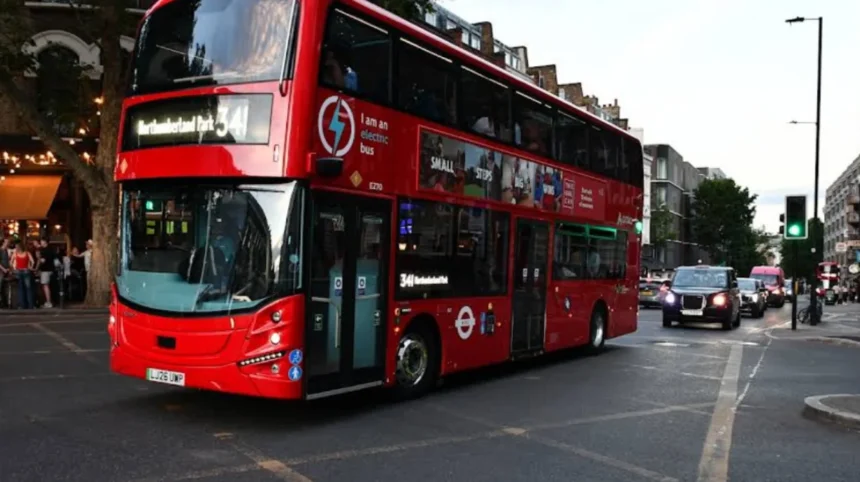
- Scope of Industrial Action: Over 1,500 bus drivers employed by Arriva North London are set to participate in a series of strikes.
- Duration and Frequency: The industrial action spans 26 separate dates, commencing in mid-August and continuing through to October 2026.
- Geographic Impact: Services across North London and parts of Essex will face significant disruption, affecting passengers who rely on these specific routes for daily travel.
- Cause of Dispute: The Unite union states the walkouts are a direct response to grievances regarding pay parity and working conditions compared to other operators in the capital.
- Operational Scale: Eight bus garages in London will be impacted by the decision, leading to cancellations and reduced frequency on numerous Tfl-contracted routes.
London (North London News) August 10, 2026 — More than 1,500 bus drivers are scheduled to begin a protracted programme of industrial action next week, threatening widespread disruption to public transport services across North London and into Essex. The walkout, organised by the Unite union, involves staff employed by Arriva North London and is set to take place over 26 distinct dates between August and October, marking a significant escalation in a long-standing dispute over pay and working conditions.
Which bus routes and areas will face disruption?
The industrial action is concentrated on operations based at eight specific bus garages under the Arriva North London umbrella.
While Transport for London (TfL) has yet to release a granular list of every individual bus route number affected, the strike will primarily impact services operating in the following areas:
- Edmonton
- Enfield
- Palmers Green
- Tottenham
- Wood Green
- Walthamstow
- Barking
- Ash Grove (Hackney)
Passengers using these hubs should anticipate either total service withdrawals or severely curtailed timetables on the affected days.
Because these garages manage a high volume of TfL-contracted routes, commuters travelling toward central London from the northern suburbs, as well as cross-border travellers heading into Essex, are advised to check real-time service updates via the TfL website or mobile application before setting out.
Why are Arriva North London drivers striking?
The primary driver of this dispute is a call for pay equity. Unite has publicly stated that its members at Arriva North London are currently paid significantly less than drivers performing identical roles for other London bus operators.
According to union representatives, the gap in remuneration has become untenable given the current cost-of-living climate and the high intensity of the routes managed by these specific garages.
Union officials argue that Arriva has failed to present an offer that bridges this disparity. By staging 26 days of walkouts, the union intends to exert maximum pressure on the operator to return to the negotiating table with a revised pay structure that brings their members in line with the industry standard for London bus drivers.
What has been the response from the operators and authorities?
Arriva North London has expressed disappointment regarding the union’s decision to move forward with such an extensive schedule of strikes. In official statements, management has emphasised that they remain committed to finding a resolution that is both fair to their employees and sustainable for the business.
They have indicated that contingency planning is underway to mitigate the impact on passengers, though they have acknowledged that maintaining a full service during the walkouts will be impossible.
Transport for London (TfL) has maintained a neutral stance but has issued warnings to the public regarding the expected chaos.
A spokesperson for TfL noted that they are working closely with the operator to ensure that, where possible, alternative transport options are highlighted, though they conceded that North London’s bus network will undoubtedly feel the strain of 1,500 drivers absenting themselves from duty simultaneously.
Explore More Local North London News
Missing Mum and Two Children: Urgent Appeal, Camden, 2026
Unite Bus Drivers Announce Arriva Strikes Over Heat in North London 2026
Background of the industrial dispute
The current standoff is not an isolated incident but rather the culmination of months of simmering tensions between Unite and bus operators across the United Kingdom.
In London specifically, the bus network relies on a complex web of private companies operating under contract to TfL. While TfL sets the fares and service standards, the private operators are responsible for the employment contracts, wages, and working conditions of the drivers.
In recent years, the “London weighting” and general inflationary pressures have led to a series of coordinated industrial actions across various sectors of the capital’s transport system.
Drivers have increasingly utilised their collective bargaining power to demand “parity,” a term referring to the standardisation of wages across all London bus garages regardless of the specific company holding the contract. Previous disputes at other operators have often concluded only after significant service disruption forced management to offer inflation-matching pay rises and improved shift scheduling.
Prediction: How will this affect the travelling public?
For the average commuter in North London and Essex, the coming months will likely be defined by unpredictability. With 26 days of action scheduled over a ten-week period, the consistency required for daily school runs, hospital appointments, and workplace commuting will be severely compromised.
- Increased Demand on Alternatives: Passengers will likely pivot toward the London Underground and Overground networks. This shift will inevitably lead to overcrowding on lines such as the Victoria Line, the Piccadilly Line, and the London Overground services that run parallel to the affected bus corridors.
- Economic Impact on Local Businesses: Small businesses in the affected hubs—particularly those near the specified garages—may see a dip in footfall if customers choose to work from home or avoid travel altogether on strike days.
- Operational Fatigue: As the strikes stretch from August into October, there is a risk of “strike fatigue” among the public. If negotiations remain deadlocked, TfL may face pressure from the Mayor’s office to intervene more directly in the contract negotiations to restore service reliability before the winter months begin.
Ultimately, until a formal agreement is ratified between Arriva and Unite, the bus network in North London will remain fragile. Passengers are strongly encouraged to seek alternative routes—such as rail or cycling—on the announced strike dates to avoid being stranded.