Key Points
- Haringey Council has reaffirmed its explicit backing and formal support mechanisms for members of the Windrush generation and their descendants.
- Local representatives highlight the historical contributions of Windrush pioneers who arrived from the Caribbean to assist in post-war British reconstruction and the establishment of institutions such as the National Health Service (NHS).
- The initiative addresses the ongoing repercussions of the 2018 Windrush scandal, which wrongfully classified lawful long-term residents as illegal immigrants.
- The local authority aims to provide advocacy, assistance, and community support to help affected families navigate rights, documentation, and compensation schemes.
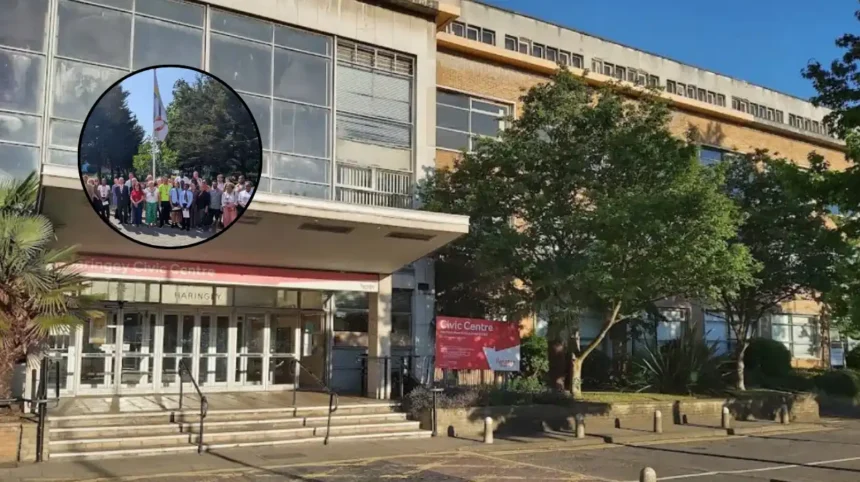
Haringey (North London News) August 10, 2026 – Haringey Council has formally reinforced its commitment to supporting Windrush families across the borough, citing both moral obligation and the persistent institutional failures steming from the 2018 Windrush scandal. Local governance leaders whose own families migrated from the Caribbean during the post-war era have highlighted the urgent necessity of dedicated local authority support to ensure impacted residents receive justice, proper legal recognition, and full access to public services.
- Key Points
- What Is the Core Reason Behind Haringey Council’s Windrush Support?
- How Did the 2018 Windrush Scandal Affect Affected Residents?
- What Historical Contributions Did the Windrush Generation Make to British Society?
- Background of the Windrush Generation and the 2018 Scandal
- How Will Haringey’s Windrush Support Impact Local Families and Communities?
What Is the Core Reason Behind Haringey Council’s Windrush Support?
The decision by Haringey Council to back targeted support initiatives arises from personal and community experiences linked directly to the Caribbean migration influx following World War II.
Thousands of individuals travelled to the United Kingdom to rebuild the nation’s infrastructure, filling vital labour shortages in public transport, civil service, and newly established healthcare services.
Growing up in households founded by Windrush pioneers provided many local representatives with direct insight into the sacrifices and civic contributions made by this cohort.
The council asserts that local authorities hold an inherent responsibility to safeguard these communities, acknowledging that the foundational services relied upon by Londoners today were sustained by the dedicated labour of Windrush arrivals over several decades.
How Did the 2018 Windrush Scandal Affect Affected Residents?
The onset of the Windrush scandal in 2018 revealed systemic administrative errors where individuals holding unambiguous rights of abode were incorrectly categorised as undocumented migrants. Many children of the original Windrush generation, who arrived in the United Kingdom on their parents’ passports prior to immigration law changes in 1973, faced severe detriments including:
- Loss of employment and immediate suspension of rights to work.
- Denial of access to free National Health Service healthcare treatments.
- Threat of deportation and temporary or permanent immigration detention.
- Loss of housing access and revocation of statutory benefit support.
The sudden designation of long-term civic contributors as illegal occupants created profound personal and economic trauma. Haringey’s intervention aims to act as a buffer and advocacy gateway for individuals still struggling to establish their formal status or access fair compensation.
What Historical Contributions Did the Windrush Generation Make to British Society?
Arrivals from Caribbean nations between 1948 and 1973 entered the United Kingdom under Commonwealth citizenship legislation designed to assist national reconstruction.
These individuals settled across major urban hubs, including North London, establishing vibrant multicultural communities and providing essential service roles.
Key institutions, most notably the National Health Service founded in 1948, relied heavily on nurses, ward staff, and support workers recruited directly from West Indian territories.
Haringey Council notes that honoring this legacy requires active measures today to ensure that descendants and surviving pioneers are protected from administrative disenfranchisement.
Explore More Haringey Council News
Haringey Council Launches Private Renters Forum to Target Landlords in North London 2026
Firefighters tackle flat blaze above shop in Wood Green 2026
Background of the Windrush Generation and the 2018 Scandal
The historical background of this development rests on the post-war recruitment of Commonwealth citizens. Under the British Nationality Act 1948, citizens of the United Kingdom and Colonies were granted full rights of entry and settlement. Thousands of workers and their young children travelled to Britain, settling into local boroughs like Haringey.
However, subsequent immigration legislation, including the Commonwealth Immigrants Acts of 1962 and 1968, progressively restricted entry rights without providing modern digital documentation to those already lawfully resident.
When the Home Office implemented the “Hostile Environment” policy framework in 2012, public bodies and employers were legally mandated to verify immigration documentation.
Because many Windrush residents had never been issued formal passports or digital records proving their lawful stay, hundreds were mistakenly subjected to enforcement actions, job losses, and denied access to public healthcare, culminating in national outrage and the public outbreak of the Windrush scandal in April 2018.
How Will Haringey’s Windrush Support Impact Local Families and Communities?
This policy development directly affects Windrush survivors, their immediate children, and the broader North London Caribbean community. By establishing local advice pathways and political advocacy, Haringey Council provides an immediate resource to assist affected families with immigration documentation queries and compensation applications.
For local residents, this initiative is expected to streamline access to official advice services, alleviate persistent financial anxieties caused by lost employment, and restore community trust in local governance. Beyond direct legal assistance, the framework reinforces social cohesion across North London by ensuring that the historical legacy and ongoing rights of Commonwealth migrants remain recognized and protected at the municipal level.