Key Points
- More than 1,500 Arriva North London bus drivers have begun a four-day strike across North London and Essex.
- The dispute centres on working conditions during heatwaves, particularly high temperatures inside drivers’ cabs.
- Unite members rejected an initial offer from Arriva, saying it did not adequately address working conditions.
- Unite General Secretary Sharon Graham said further strikes will take place in the coming weeks if acceptable changes are not made.
- Arriva said staff wellbeing remains a top priority and that it has introduced extra welfare checks during periods of extreme heat.
- Unite is calling for an emergency summit involving bus operators, Transport for London (TfL) and the UK Government to discuss issues including fatigue, toilet access and driver safety.
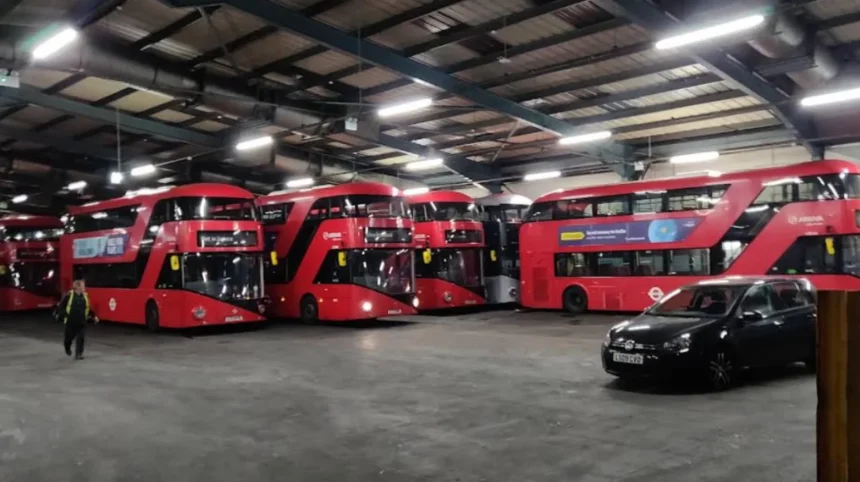
North London (North London News) August 25, 2026 – More than 1,500 bus drivers working across North London and Essex have resumed industrial action today, commencing a four-day strike over high cab temperatures during periods of hot weather. The walkout, organized by the trade union Unite, follows a rejected proposal from employer Arriva North London, with the union confirming that further disruptions are scheduled in the coming weeks as temperatures and working conditions remain at the centre of the dispute.
Why Are Arriva North London Bus Drivers Taking Strike Action?
As reported by transport journalists covering the London network, the primary cause of the current walkout is the physical environment within the driver cabs during summer heatwaves. Unite members voted against an offer presented by management, arguing that the measures put forward by Arriva North London were insufficient to address safety and comfort concerns.
Regarding the rationale behind the industrial action, Unite General Secretary Sharon Graham stated:
“London bus drivers do a vital job, but are putting themselves at risk due to these appalling conditions. Arriva can fully afford to make meaningful changes our members can accept. Until that happens, strike action will continue and our members at Arriva North London will continue to have the full backing of Unite.”
In response to the union’s stance, representatives for Arriva stated that the wellbeing of their workforce remains a “top priority” and emphasized that management has implemented extra welfare checks for staff during periods of elevated temperatures.
What Wider Concerns Have Been Raised Regarding Bus Driver Working Conditions?
Beyond the immediate dispute over vehicle air conditioning and ventilation, the union has highlighted broader operational pressures affecting transport staff. In an interview with ITV News London, Sharon Graham outlined a wider range of issues, explaining that drivers are reaching a “crisis point” due to extreme heat, fatigue, lack of access to proper toilet facilities, and safety concerns regarding physical assaults.
Speaking to ITV News London, Sharon Graham stated:
“The only way that we can get people to listen is by the bus workers now saying, quite frankly, we’ve had enough. This is the end of the line. We are bringing together all of our bus reps in London. We are having the conversation with them, of course, we’re trying to move the operators, but should there be no movement, then of course the only option we have is to say we are going to have to withdraw labour because they’re not listening.”
To address these recurring operational challenges, Unite is seeking to arrange an emergency summit bringing together regional bus operators, Transport for London (TfL), trade union representatives, and central government officials. Graham indicated that she intends to raise the matter directly with government ministers, stating to ITV News London:
“I will be speaking to Andy Burnham directly about this, what is really clear is the situation in buses has to change now.”
Background of the Development
The current dispute comes after several summers of record-high temperatures across the South East of England, which have repeatedly placed pressure on public transport infrastructure. Bus driver cabs, surrounded by large glass windscreens and often lacking effective localized air-conditioning units on older fleet models, can reach temperatures significantly higher than the ambient outdoor environment.
In recent years, trade unions representing transport workers in Greater London have increasingly linked workplace safety directly to environmental conditions. While statutory UK workplace regulations mandate minimum indoor working temperatures, there is currently no legal maximum temperature limit for workplaces, including public transport vehicles. Consequently, disputes regarding heat stress and driver fatigue have increasingly become major points of friction between transport operators and union representatives during summer months.
Prediction: How Will This Strike Affect Passengers and the Regional Transport Sector?
This industrial dispute directly impacts hundreds of thousands of daily commuters and residents across North London and Essex who rely on Arriva-operated routes for daily transit.
Impact on Commuters and Local Transport Networks
During the four-day strike and any subsequent walkouts, commuters face reduced service frequencies, bus route cancellations, and increased congestion on alternative travel modes, such as the London Underground and suburban rail links. Local businesses and educational institutions in affected sectors of Essex and North London are likely to experience secondary disruption due to staff travel delays.
Potential Policy and Industry Shifts
If the dispute prompts the proposed emergency summit between TfL, private bus operators, and government bodies, it could lead to standardized regulations regarding vehicle cab specifications. In the medium to long term, transport authorities may be pressured to accelerate the refurbishment or retirement of older bus fleets to ensure mandatory temperature-control standards, potentially altering procurement contracts and maintenance budgets across London’s franchised bus network.