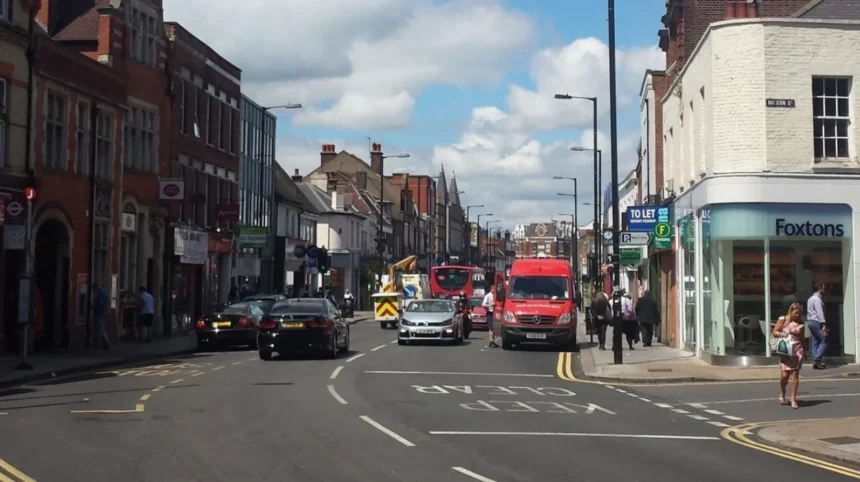
Barnet is one of North London’s largest and most varied boroughs, combining historic market-town streets, museums, parks, libraries, open spaces, cultural venues and transport connections. Exploring Barnet on a budget is practical because many of its strongest visitor experiences are free or low cost.
- What makes Barnet a good destination for budget travellers?
- Which free attractions should you visit in Barnet?
- Which parks and green spaces are best for a cheap day out?
- How can you explore Barnet’s history without paying for tours?
- How can families explore Barnet without spending heavily?
- Which Barnet libraries are useful for budget travellers and digital nomads?
- How can you find free or low-cost events in Barnet?
- How much should you budget for transport around Barnet?
- How can you save money on food while exploring Barnet?
- What is the best one-day budget itinerary for Barnet?
- Morning: start with free history
- Midday: use a green space
- Afternoon: choose a library or event
- Evening: finish locally
- How can you explore Barnet on a very small budget?
- Is Barnet suitable for budget travel throughout the year?
- What are the biggest mistakes to avoid when exploring Barnet on a budget?
- What is the overall strategy for exploring Barnet on a budget?
The borough covers a wide geographical area, including High Barnet, East Barnet, New Barnet, Finchley, Hendon, Colindale, Mill Hill, Edgware, Burnt Oak, Golders Green and Cricklewood. This gives visitors access to different types of attractions without requiring a central London sightseeing budget.
Barnet Council records 160 parks and open spaces in its current directory. These include formal parks, playgrounds, nature areas, playing fields and woodland. The council also provides free skate parks, outdoor gyms, health walks and access to more than 50 tennis courts.
The borough also contains major free cultural attractions. The Royal Air Force Museum London in Colindale provides free admission, while Barnet Museum in Chipping Barnet offers free entry and focuses on local history from prehistory to the modern period.
A budget visit therefore does not require removing attractions from an itinerary. It requires choosing the right combination of free museums, public parks, walking routes, libraries, community events and affordable transport.
What makes Barnet a good destination for budget travellers?
Barnet is suitable for budget travel because it combines free museums, extensive parks, public libraries, cultural events and walkable historic areas with London public transport connections. Visitors can build full days around free attractions while controlling spending on transport, food and paid activities.
Barnet differs from many London sightseeing districts because its attractions are spread across established residential and historic communities. This creates opportunities to explore without paying an admission fee at every stop.
The borough’s green infrastructure is particularly important for low-cost visitors. Barnet Council describes its open spaces as including formal parks and gardens, wild landscapes, green-belt areas and leafy river valleys.
The cultural offer is equally useful. Barnet Council runs events through its libraries and Creative Communities programme, including digital skills workshops, book clubs, story sessions, conversation clubs and games clubs. Many of these activities are free or low cost.
For visitors, the key principle is simple: use admission-free attractions as the foundation of the itinerary, then add one carefully selected paid experience if the budget allows.
Which free attractions should you visit in Barnet?
The strongest free attractions include the Royal Air Force Museum London, Barnet Museum, Barnet’s parks and open spaces, public art trails and library activities. These attractions provide history, aviation, nature, local culture and community experiences without standard admission charges.
Royal Air Force Museum London
The Royal Air Force Museum London is in Colindale on Grahame Park Way. It is one of the most significant free attractions in Barnet for visitors interested in aviation, military history, engineering and technology.
The museum is open daily from 10am to 5pm, with last entry at 4.30pm. Admission to all museum areas is free, although donations are welcomed. The museum recommends booking free entry in advance.
Its collection includes historic aircraft and exhibitions covering more than a century of Royal Air Force history. Visitors can see aircraft including the Avro Lancaster, Spitfire and Sunderland Flying Boat.
The museum is close to Colindale Underground Station on the Northern line. The museum states that the site is approximately a seven-minute bus journey from Colindale Underground Station.
The admission price makes this particularly valuable for families because the main museum visit does not require an entry fee. Paid experiences, food and parking are separate costs, so a strict budget itinerary should focus on the free galleries and aircraft.
Barnet Museum
Barnet Museum is another strong choice for visitors who want local history without paying for admission. It operates from 31 Wood Street in Chipping Barnet and is run by volunteers.
The museum describes its collection as covering the history of Chipping Barnet, East Barnet, New Barnet, Hadley and surrounding districts. Its objects range from the Bronze Age to the present day.
The museum opened in March 1938 and occupies an early Georgian house within the Wood Street conservation area. It also serves as a centre for local and family history research.
Admission is free. Current opening hours include Tuesday, Wednesday and Thursday afternoons, Saturday from 10.30am to 4pm and Sunday afternoon. Visitors should check the museum’s current schedule before travelling because the opening pattern is limited.
The museum also provides free children’s quizzes and runs free drop-in Battle of Barnet themed craft activities at selected holiday periods.
Barnet Legends public art trail
Barnet’s public art can provide another free way to explore the borough. The Barnet Legends trail features 21 commemorative ceramic artworks celebrating influential figures connected with the area, including George Michael and Amy Winehouse.
A public art trail works well as part of a walking itinerary because the attraction is integrated into the surrounding streets rather than requiring a separate ticket.
This approach also reduces transport costs. Visitors can combine public art with local shops, historic streets, cafés and parks rather than travelling repeatedly between individual attractions.

Which parks and green spaces are best for a cheap day out?
Barnet’s parks and open spaces provide some of its most affordable experiences because walking, sightseeing and outdoor recreation generally require no admission fee. The borough lists 160 parks and open spaces, ranging from formal gardens and playing fields to woodland and nature areas.
Barnet Council’s parks directory currently lists 160 locations. Examples include Arrandene Open Space, Barnet Gate Wood, Barnet Hill Open Space, Barnet Memorial Woodland, Belmont Open Space and Bethune Nature Reserve.
These spaces serve different purposes, so visitors should select locations according to the type of experience required.
A nature-focused visitor can choose woodland and open countryside. A family can select a playground or recreation ground. A traveller seeking a quiet afternoon can use a formal park or garden. A digital nomad can combine a walk with a library visit for indoor working time.
Barnet Council also records 11 outdoor gyms, more than 50 tennis courts, seven weekly health walks and free skate parks across the borough.
Walking in Barnet
Walking is one of the most effective ways to control a day-trip budget. It removes short-distance transport costs while allowing visitors to combine several nearby attractions.
High Barnet is particularly suitable for a walking-based itinerary because Barnet Museum, Wood Street, historic buildings, shops and public spaces sit within the same broad area.
The borough’s green spaces also create opportunities for longer walks. Visitors should check current park information and any temporary closures before setting out.
Stephens House and Gardens
Stephens House and Gardens provides a historic setting in Finchley with landscaped grounds and public access. The estate is privately managed, and access is subject to its visitor guidance and opening arrangements.
Its events programme also includes free activities at selected times. Current listings demonstrate that some events are free while others carry charges, so visitors should check the individual event listing before budgeting.
The location is useful for a low-cost itinerary because visitors can focus on the grounds and combine the visit with a walk through surrounding Finchley.
How can you explore Barnet’s history without paying for tours?
Barnet’s history can be explored through free museums, public art, conservation areas, historic streets and self-guided walks. This approach removes tour fees while allowing visitors to study local heritage at their own pace and combine historical sites with parks and public spaces.
Barnet has a long historical record that extends well beyond its modern suburban identity. The Battle of Barnet in 1471 was a major engagement in the Wars of the Roses, involving Edward IV and the forces commanded by the Earl of Warwick.
The local museum provides a practical starting point because its collection connects archaeological and historical material with the development of the surrounding communities.
As you explore the modern site, you are crossing land with a deep heritage. Read about the full to understand its origins.
A budget visitor can use this historical context to build a self-guided route. Start around Barnet Museum and Wood Street, continue through the historic centre and then connect the walk with nearby public spaces.
This approach creates an educational experience without paying for a private guide.
How can families explore Barnet without spending heavily?
Families can keep costs down by combining free museums, parks, playgrounds, public art, library events and outdoor activities. Barnet also provides free skate parks, outdoor facilities and selected children’s programmes, reducing the need for multiple paid attractions.
The Royal Air Force Museum is particularly useful for families because the core museum admission is free and the site contains aircraft, exhibitions and interactive elements.
Barnet Museum also offers free children’s quizzes and selected free holiday craft sessions.
Outdoor recreation provides another cost-control mechanism. Barnet Council identifies free skate parks, outdoor gyms, health walks and numerous parks across the borough.
Families can therefore construct a day around one free museum and one outdoor location. Bringing a packed lunch reduces food expenditure further.
Library programming adds another option. Barnet libraries run rhyme times, baby bounce and play sessions, board games, Lego clubs, teen book clubs, conversation cafés and reading groups. Special children’s activities also take place during school holidays.
The precise schedule changes, so families should check the current event calendar before travelling.
Which Barnet libraries are useful for budget travellers and digital nomads?
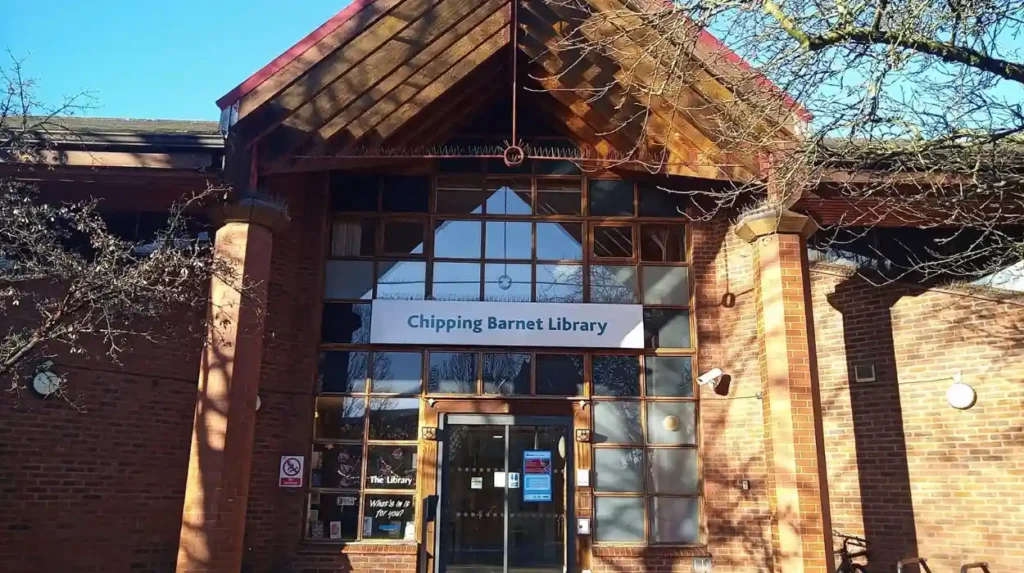
Barnet libraries provide free indoor spaces, Wi-Fi, computers, study areas, digital resources and low-cost cultural activities. Core Plus libraries include Chipping Barnet, Colindale, Edgware and Finchley Church End, making them useful during longer low-cost visits.
Barnet libraries are more than book-lending facilities. The council provides free access to eBooks, eAudiobooks, digital newspapers and magazines. Library users can also access online resources and computers.
The council states that visitors can use a computer for three hours each day with a library card and PIN. Core Plus libraries provide study spaces and free Wi-Fi, with no time limit per session for the study spaces.
The four Core Plus libraries are Chipping Barnet, Colindale, Edgware and Finchley Church End.
This is particularly relevant to digital nomads and business travellers. A visitor can spend the morning walking through Barnet, use a library for work or research, and then continue exploring later without paying for a commercial co-working space.
Barnet also has a directory of free Wi-Fi hotspots. Current listings include Burnt Oak Library, Childs Hill Library, Chipping Barnet Library and Colindale Library.
How can you find free or low-cost events in Barnet?
Barnet Council maintains programmes covering community celebrations, library activities, workshops, talks and cultural events. Many library and Creative Communities activities are free or low cost, giving visitors additional options beyond permanent attractions and parks.
Barnet’s events programme includes annual and recurring activities associated with cultural and community occasions. Examples include Pride, Black History Month, South Asian Heritage Month, International Women’s Day, Windrush Day and Refugee Week.
Library events provide another source of affordable entertainment. Activities include digital skills sessions, book clubs, story time, games clubs, conversation groups and author events.
The Creative Communities programme is particularly relevant to residents and longer-stay visitors because it provides free events, activities and experiences in selected parts of the borough.
The best budget strategy is to check the official events calendar before travelling. An event can become the central activity for the day, with a nearby park, museum or walking route added around it.
This reduces the need to purchase multiple attractions.
How much should you budget for transport around Barnet?
Transport costs depend on the zones travelled, journey times and payment method, but visitors can reduce expenditure by grouping nearby attractions and using walking alongside public transport. London’s 2026 fare structure also provides daily and weekly caps for eligible journeys.
Barnet occupies several London travel zones, so transport planning is important. Colindale, for example, is in Zone 4, according to the Royal Air Force Museum’s visitor information.
Transport for London’s 2026 adult fare information shows a daily pay-as-you-go cap of £8.90 for Zones 1–2 and £12.80 for Zones 1–4. The Monday-to-Sunday cap for Zones 1–4 is £64.20.
These figures demonstrate why visitors should avoid unnecessary cross-London journeys. A traveller staying outside central London can often save money by planning around the local area instead of repeatedly travelling into Zone 1.
Walking between nearby attractions is another effective strategy.
For example, a visitor exploring High Barnet can combine the museum, historic streets, public art and nearby green spaces in one area. A visitor exploring Colindale can combine the RAF Museum with nearby local destinations rather than returning immediately to central London.
Always check the latest TfL fares and service information before travel because fare structures and transport arrangements change.
How can you save money on food while exploring Barnet?
Food spending can be controlled by planning meals around the itinerary, carrying water and snacks, using supermarkets for packed lunches and choosing cafés or casual food outlets instead of making every meal a restaurant visit. This keeps attraction spending separate from dining costs.
Food can quickly become the largest variable in a budget day out. A visitor who spends nothing on admission can still exceed the planned budget through repeated café stops.
A simple approach is to separate food into three categories: breakfast, packed lunch and one purchased item.
Supermarkets provide an inexpensive option for sandwiches, fruit and drinks. A reusable bottle reduces repeated purchases of bottled water.
The borough’s diverse neighbourhoods also provide a broad range of food outlets, but prices vary substantially. Visitors should compare menus before sitting down rather than choosing solely on location.
The RAF Museum has cafés, but visitors can also bring a packed lunch. The museum’s visitor information specifically notes that packed lunches are an option.
This makes the museum particularly suitable for a controlled-cost family day.
What is the best one-day budget itinerary for Barnet?
A strong one-day budget itinerary combines one free museum, a historic walking area, a park or open space, and a library or community event. The route should minimise transport changes and allow time for walking between nearby destinations.
Morning: start with free history
Begin in Chipping Barnet with Barnet Museum when its opening hours align with the visit. Admission is free, and the collection provides context for the surrounding historic district.
Continue through Wood Street and the surrounding historic area. Use the walk to identify local architecture, public art and heritage features.
Midday: use a green space
Move to a nearby park or open space for a walk and packed lunch. Barnet’s extensive parks directory gives visitors many options depending on the location and desired walking distance.
Afternoon: choose a library or event
Check Barnet Council’s event listings before travelling. A free library workshop, talk or community activity can provide an indoor afternoon option.
For a longer historical or aviation-focused day, choose the RAF Museum instead. Its free admission and extensive displays can support several hours of exploration.
Evening: finish locally
End the day in the same broad area rather than travelling into central London. This reduces additional transport costs and keeps the itinerary geographically efficient.
How can you explore Barnet on a very small budget?
A very low-cost Barnet itinerary can rely almost entirely on free attractions, walking, public parks, libraries and packed food. The main unavoidable expense is usually transport, which can be controlled through walking and geographically concentrated sightseeing.
A strict budget itinerary should prioritise attractions with no admission fee.
The Royal Air Force Museum provides a major free indoor attraction. Barnet Museum provides free local history. Barnet’s parks provide free outdoor recreation. Libraries provide free Wi-Fi, computers, digital resources and selected events. Public art provides another free activity.
A visitor can therefore spend most of the day without paying entrance fees.
The most important principle is avoiding unnecessary movement. Travelling repeatedly between distant attractions increases both cost and time. A neighbourhood-based itinerary is more efficient.
Visitors should also distinguish free admission from free extras. A museum can have free entry while parking, cafés, special tours or interactive experiences carry separate charges. The RAF Museum, for example, has free museum admission but charges for car parking and selected experiences.
Checking these conditions before departure prevents unexpected costs.
Is Barnet suitable for budget travel throughout the year?
Barnet supports budget travel throughout the year because its attractions include indoor museums, libraries and community venues alongside parks, walking routes and outdoor spaces. Seasonal planning remains important because opening hours, events and weather affect the most efficient itinerary.
Winter visits should prioritise museums, libraries and indoor community activities. The RAF Museum remains an important option because it operates daily and provides indoor exhibition space.
Spring and summer are particularly suitable for combining museums with parks, public art and longer walks.
Autumn provides opportunities for heritage walks and green-space visits while indoor attractions remain useful when weather conditions change.
The principle of flexible planning is important. A budget visitor should have a free indoor alternative ready when outdoor conditions are unsuitable.
Explore More Area Guide
What Architecture Defines Barnet’s Character? North London
Best Family Picnic Spots in Barnet: Parks & Green Spaces
What are the biggest mistakes to avoid when exploring Barnet on a budget?
The main budget mistakes are paying for attractions unnecessarily, travelling across the borough without a route plan, ignoring free events, overlooking library resources and underestimating food costs. Checking official information before travelling prevents most avoidable expenses.
The first mistake is assuming that every major attraction requires an admission fee. The RAF Museum and Barnet Museum both provide free admission.
The second mistake is paying for parking when public transport is practical. The RAF Museum, for example, charges for onsite car parking despite free museum admission.
The third mistake is ignoring opening times. Barnet Museum has limited weekly hours, so arriving outside its schedule wastes travel time.
The fourth mistake is overlooking council-run activities. Barnet libraries and Creative Communities programmes provide free and low-cost activities that can add substantial value to an itinerary.
The final mistake is treating food as an afterthought. A packed lunch and planned snacks provide straightforward cost control.
What is the overall strategy for exploring Barnet on a budget?
The most effective strategy is to build the itinerary around free museums, parks, public art, libraries and community events, then use walking and carefully planned public transport to connect them. This approach provides history, culture, nature and recreation without high admission costs.
Barnet offers an unusually broad combination of free and low-cost experiences for a London borough. Its 160 listed parks and open spaces create a substantial outdoor network, while the RAF Museum and Barnet Museum provide free cultural and historical attractions.
The borough’s libraries add another layer of value through free Wi-Fi, computers, study spaces, digital resources and community activities.
The most economical visitor does not need to avoid experiences. The better approach is to combine them intelligently.
A practical Barnet budget day can therefore follow this structure: one free museum, one walking route, one green space, one free or low-cost community activity and a planned meal. This provides a varied itinerary while keeping admission and transport expenditure under control.
For tourists, Barnet offers a different way to experience North London beyond conventional central London sightseeing. For residents, the same approach reveals local attractions without requiring a large leisure budget. For digital nomads and business travellers, libraries and public spaces provide practical places to combine work with low-cost exploration.
Barnet’s strongest budget advantage is the depth of its publicly accessible cultural, historical and green infrastructure. With advance planning, visitors can spend an entire day exploring the borough while keeping paid attractions optional rather than essential.
What are the best free things to do in Barnet?
Barnet offers several free activities, including visiting the Royal Air Force Museum London, exploring Barnet Museum, walking through public parks, following public art trails and attending selected library and community events.