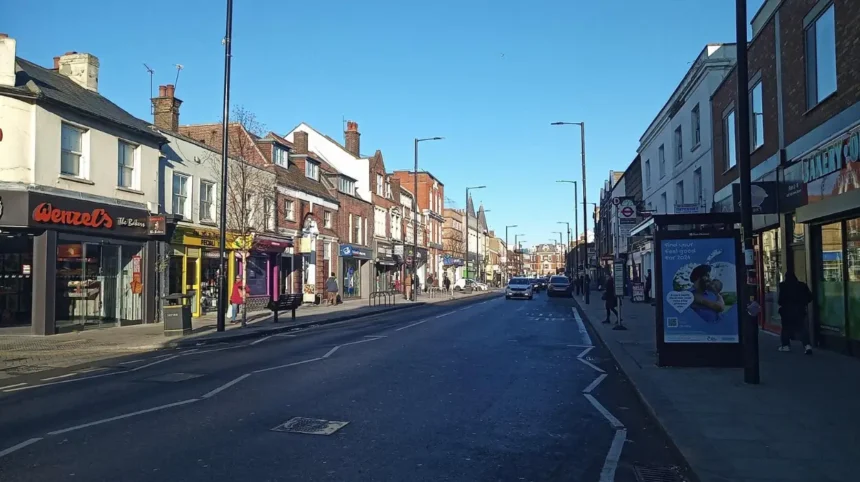
Barnet is one of North London’s most varied visitor destinations, combining historic streets, museums, parks, open spaces, shopping areas and cultural attractions. A day in Barnet does not require a large sightseeing budget because several of its most useful visitor experiences are free.
- How much should you budget for a day in Barnet?
- How much does transport cost for a day in Barnet?
- Which free attractions can reduce the cost of a Barnet day?
- How much does food and drink cost in Barnet?
- How much do Barnet’s paid attractions cost?
- Is Barnet expensive for a family day out?
- How much does a budget day in Barnet cost?
- How much does a comfortable day in Barnet cost?
- How can you visit Barnet cheaply without missing the main attractions?
- What should you budget for parking and driving in Barnet?
- Does Barnet have enough free activities for a full day?
- What is the best Barnet budget for tourists, residents and business travellers?
- Is Barnet cheaper than central London for a day out?
- What is a realistic one-day Barnet itinerary on a £50 budget?
- What is the final cost of a day in Barnet?
A realistic one-day Barnet budget is around £25–£45 per person for a budget-conscious visitor using public transport, eating an inexpensive lunch and choosing mainly free attractions. A more comfortable day with café meals, paid entertainment or a family attraction costs around £50–£90 per adult. Visitors adding premium experiences, extensive shopping or multiple paid attractions need a larger budget.
Barnet’s position within Greater London also affects spending. Public transport connects districts such as High Barnet, Finchley, Hendon, Colindale, Mill Hill, Edgware and Golders Green with the wider London network. Transport for London allows contactless and Oyster pay-as-you-go travel across buses, Tube, London Overground, DLR and other participating services, with daily caps applying within London zones.
The borough also has a strong supply of free outdoor spaces. Barnet Council’s parks directory lists 160 parks and open spaces, including Barnet Hill open space, Barnet Gate Wood, Bethune Nature Reserve and Arrandene Open Space.
This combination makes Barnet suitable for different spending levels. The main costs are transport, food, attraction admission, refreshments, parking and shopping.
How much should you budget for a day in Barnet?
A typical Barnet day costs about £25–£45 for a budget visitor, £50–£90 for a comfortable visitor, and £90 or more for premium activities, dining, shopping or family entertainment. Accommodation is excluded because this guide covers daytime visitor spending.
A Barnet day trip is relatively flexible because visitors control the largest variable costs. Free parks and museums reduce admission spending, while restaurants, cafés, paid attractions and private parking increase the total.
A useful budget model for one adult is:
A budget day can allocate approximately £5–£10 to transport, £10–£18 to food and drinks, and £0–£10 to attractions. This produces a practical total of approximately £15–£38 before shopping and unexpected expenses.
A mid-range day can allocate approximately £8–£15 to transport, £20–£35 to food and drinks, and £10–£30 to paid attractions. This creates a working budget of approximately £38–£80.
A higher-spending day can exceed £90 when visitors combine restaurant dining, entertainment, paid experiences, shopping and parking.
These figures are planning ranges rather than fixed tariffs. Attraction prices, restaurant menus and transport fares change over time. Visitors should check the relevant provider before travelling.
Barnet also benefits from free cultural attractions. Barnet Museum states that admission is free and operates at 31 Wood Street, High Barnet. Its current opening pattern includes Tuesday to Thursday afternoons and weekend sessions, so opening hours should be checked before planning a visit.
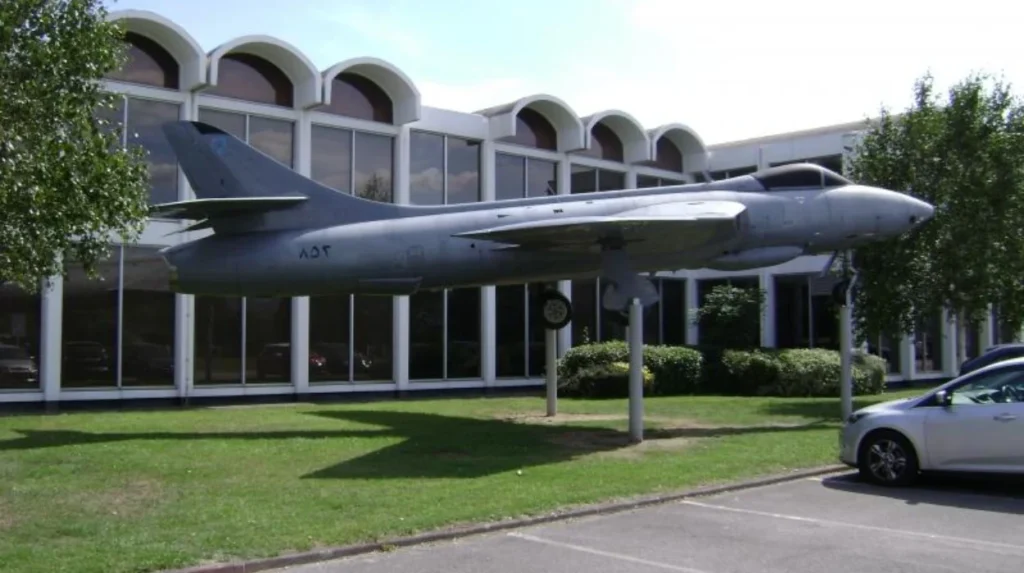
The Royal Air Force Museum London in Colindale is another major free attraction. The museum is open daily from 10am to 5pm and admission is free.
How much does transport cost for a day in Barnet?
Transport spending depends on where you start, how many journeys you make and which London travel zones you use. Contactless or Oyster pay-as-you-go is generally practical because TfL automatically applies relevant fares and daily caps within London zones.
Barnet is served by multiple forms of public transport. High Barnet and nearby areas have Underground connections, while Thameslink provides rail services around stations such as Hendon and Mill Hill Broadway. Buses connect neighbourhoods that are further from rail stations.
Transport for London states that pay-as-you-go travel works on buses, Tube, tram, DLR, London Overground, most Elizabeth line services and other participating London services. Contactless payment or Oyster can be used to pay for journeys.
For visitors travelling into Barnet from central London, the final cost depends on the route and time. TfL’s Single Fare Finder provides individual fares because prices vary according to line, direction, time and day.
The March 2026 TfL fare revision provides useful benchmarks. For example, the published fare information lists a Zone 1–6 pay-as-you-go fare of £5.90 peak and £4.00 off-peak for the relevant rail and Underground fare structure.
Bus travel provides another cost-control option. Visitors who spend most of their day travelling around Barnet can avoid repeated individual calculations by using contactless or Oyster and allowing the applicable daily cap to operate.
A Day Travelcard is another option. TfL describes a Day Travelcard as unlimited travel for the zones covered by the ticket. Off-Peak Day Travelcards start at 9.30am Monday to Friday and operate at any time on weekends and bank holidays.
However, a Day Travelcard is not automatically the cheapest choice for every Barnet visitor. Someone making only a small number of journeys should compare pay-as-you-go costs first.
A visitor travelling from central London into Barnet and returning after sightseeing should therefore allow roughly £5–£15 for local and London transport, depending on the route, zones and number of journeys.
Which free attractions can reduce the cost of a Barnet day?
Barnet has enough free attractions to build a full low-cost itinerary. Barnet Museum offers free admission, while parks, open spaces and the Royal Air Force Museum London provide additional opportunities for sightseeing without standard admission charges.
Free attractions are the main reason a Barnet day can cost substantially less than a conventional London sightseeing trip.
Barnet Museum provides local history and heritage interpretation without an admission charge. The museum is located on Wood Street in High Barnet and contains displays across three floors. It also offers free children’s quizzes.
The Royal Air Force Museum London is particularly significant for budget planning. It has six aircraft hangars and free general admission. The museum recommends booking free tickets in advance.
The museum’s location in Colindale also makes it suitable for combining with other North London activities. It is approximately a seven-minute bus journey from Colindale Underground Station according to the museum’s visitor information.
Visitors interested in aviation can spend several hours at the museum without paying a standard entrance fee. Optional experiences have separate charges. For example, the museum lists an aviation experience at £5 per person per ride, with a family ticket priced at £16 for up to four people.
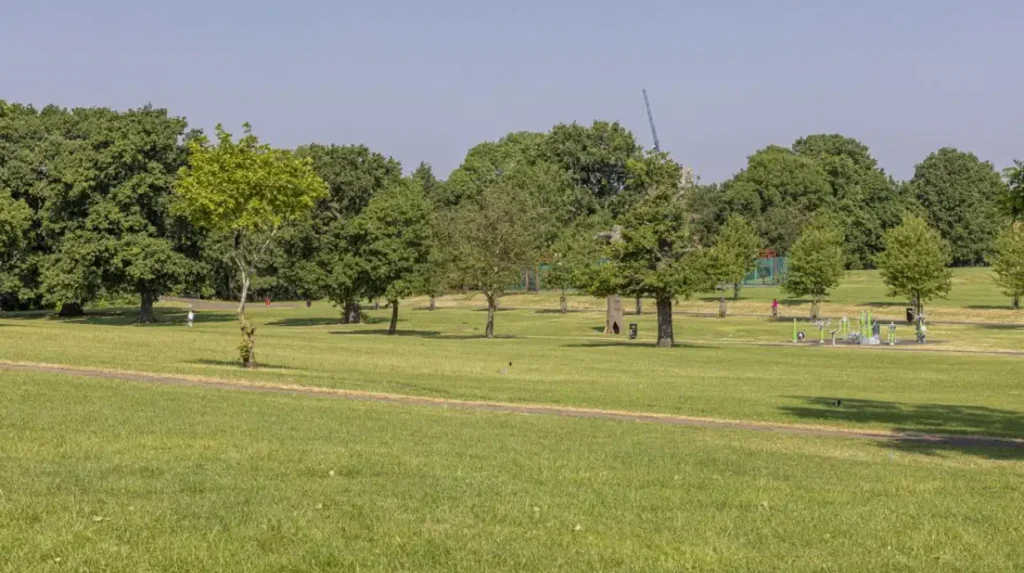
Barnet’s parks create another free category. The council identifies formal parks, gardens, wild landscapes, Green Belt areas and leafy river valleys among its open spaces.
Examples include Barnet Hill open space, Barnet Gate Wood, Bethune Nature Reserve, Arrandene Open Space and Barnet Memorial Woodland.
A visitor who prioritises these locations can therefore spend most of the day sightseeing without paying attraction admission.
How much does food and drink cost in Barnet?
Food is one of the largest controllable costs during a Barnet day. A visitor eating economically can budget £10–£18 for food and drinks, while café dining costs roughly £18–£30 and a restaurant meal can push daily food spending above £30.
Barnet has a broad food offer across High Barnet, Finchley, Hendon, Colindale, Edgware, Golders Green and surrounding neighbourhoods. Spending depends more on the type of meal than the district itself.
A budget visitor can reduce costs by purchasing breakfast before travelling, taking a packed lunch and buying only drinks or snacks locally. Supermarkets and convenience shops provide another low-cost option.
A simple budget lunch generally requires less spending than a sit-down restaurant meal. Visitors who combine a sandwich, snack and drink should plan around £7–£12 as a practical planning allowance, while a café lunch with a hot drink can take the total towards £12–£20.
A restaurant lunch or dinner requires a larger allowance. A visitor ordering a main course and soft drink should plan around £20–£35, excluding premium restaurants and alcoholic drinks.
Drinks also affect the daily total. Several café purchases can add £8–£15 without appearing significant individually. Visitors working remotely or using cafés as daytime workspaces should therefore include repeated drink purchases in their budget.
Barnet also contains food and drink destinations listed by Visit London, alongside museums, open spaces, shopping and other visitor attractions.
The most effective budget strategy is to decide the meal structure before travelling. A packed lunch plus one café stop creates a different daily cost from breakfast, café lunch, afternoon coffee and restaurant dinner.
How much do Barnet’s paid attractions cost?
Paid attraction costs vary considerably because Barnet combines free museums with family farms, theatres, cinemas, activity venues and specialist experiences. A visitor should reserve £10–£40 for paid entertainment, with premium activities requiring a larger allowance.
Barnet’s paid attraction market covers several categories. Examples include family attractions, theatres, cinemas, sports venues and activity centres.
Visit London’s Barnet listings include Belmont Children’s Farm, Go Ape Cockfosters, Chickenshed Theatre, Phoenix Cinema, Hollywood Bowl and other visitor venues. The published listing shows Belmont Children’s Farm from £8 and Go Ape Cockfosters from £36, illustrating the wide price range between attractions.
This price difference makes itinerary selection important.
A visitor choosing one low-cost attraction and several free activities can keep entertainment spending below £15. Someone choosing an adventure activity can spend £30–£40 or more before food and transport.
The RAF Museum demonstrates how optional extras influence a free attraction. General admission is free, but specific aviation experiences carry separate charges.
Families also need to consider how pricing is structured. A family ticket, child ticket or group rate can change the per-person cost. Visitors should check whether an attraction charges separately for adults, children, activities, parking or special exhibitions.
The correct approach is therefore to separate entry cost from total attraction cost.
For example, a free museum with £5 parking is not a £5 admission attraction. It is a free admission attraction with a vehicle cost.
This distinction becomes important when comparing public transport and driving.
Is Barnet expensive for a family day out?
Barnet can support a low-cost family day because parks and several major cultural attractions have free admission. A family using public transport, taking a packed lunch and selecting free activities can keep spending substantially below commercial attraction-based itineraries.
Family spending increases mainly through food, transport for multiple people, paid activities and parking.
The Royal Air Force Museum is especially useful for family budgeting because general admission is free. Its galleries include aircraft, exhibitions and interactive displays, providing a substantial activity without an admission charge.
The museum also has cafés, which creates an optional food expense rather than a compulsory admission expense.
Families travelling by car should consider parking separately. The RAF Museum currently lists parking at £8.50 for cars for up to three hours and £11 for three to six hours.
That means a family driving to the museum can face a parking expense even though museum admission is free.
Public parks provide another way to reduce family spending. Barnet Council’s park directory includes playgrounds, open spaces and nature areas across the borough.
A family itinerary can therefore combine a free museum, packed lunch, park visit and public transport.
A practical family budget for two adults and two children can sit around £45–£80 for transport, food and optional activities, depending on the starting point and entertainment choices.
Families selecting several paid attractions should budget substantially more.
How much does a budget day in Barnet cost?
A budget Barnet day can cost approximately £20–£35 per adult when visitors use public transport, choose free attractions, bring or buy an inexpensive lunch and avoid paid entertainment, parking, extensive shopping and premium dining.
The cheapest itinerary focuses on activities with no standard admission charge.
A practical low-cost day could begin in High Barnet with a visit to Barnet Museum. Because the museum offers free admission, the visitor’s immediate cost is limited to transport and any optional purchases.
The visitor can then explore nearby streets and open spaces before moving to another part of the borough.
Parks provide a particularly strong budget option because Barnet Council maintains a large network of green spaces. Its directory currently lists 160 parks and open spaces.
A packed lunch eliminates the need for restaurant spending. A single café drink can provide a controlled refreshment cost.
The Royal Air Force Museum provides another free indoor activity. Its daily opening hours are 10am to 5pm, and admission is free.
A budget visitor should allow around £5–£15 for transport, £7–£12 for food, and £0–£5 for optional refreshments.
That creates an estimated total of approximately £12–£32, before shopping or optional paid activities.
A £30–£35 allowance provides a useful safety margin.
The main principle is simple: Barnet’s free attractions reduce the cost of the itinerary, while transport and food remain the core unavoidable expenses.
How much does a comfortable day in Barnet cost?
A comfortable Barnet day generally requires £50–£90 per adult when the visitor uses public transport, eats at cafés or restaurants, pays for one attraction or experience and allows additional money for drinks, snacks and incidental spending.
A comfortable itinerary does not require luxury spending. It simply allows more flexibility.
A visitor can start with breakfast, visit a museum or historic location, stop for coffee, eat lunch at a café, explore a park and finish with an attraction or restaurant.
Transport spending can remain controlled through contactless or Oyster pay-as-you-go. TfL confirms that pay-as-you-go fares are automatically calculated when visitors touch in and out, with caps available within London zones.
Food becomes the largest variable.
Allowing £10–£15 for breakfast or a morning drink, £12–£20 for lunch, and £20–£35 for dinner produces a food budget of approximately £42–£70.
Visitors do not need all three meals purchased locally. Breakfast at accommodation and a packed lunch can reduce the total substantially.
A paid attraction adds another variable. Visit London’s Barnet listings show attractions with prices ranging from lower-cost family admission to experiences priced from £36.
A comfortable visitor should therefore allocate approximately:
Transport: £8–£15.
Food and drinks: £25–£45.
Attractions: £10–£30.
Miscellaneous spending: £5–£10.
This produces a working range of around £48–£100, with £50–£90 serving as a practical target for many visitors.
How can you visit Barnet cheaply without missing the main attractions?
The most effective Barnet budget strategy is to combine free museums, parks and heritage sites with public transport and one controlled food purchase. Scheduling free activities around paid experiences keeps the overall day affordable without removing the borough’s main visitor highlights.
Start by selecting the attraction that defines the day. For aviation, the Royal Air Force Museum provides free admission. For local history, Barnet Museum provides another free option.
Next, add outdoor activities.
Barnet has formal parks, gardens, wild landscapes, Green Belt areas and river valleys. These spaces support walking, photography, nature observation and family recreation without standard attraction admission.
Transport planning should follow the itinerary rather than the other way around. Group destinations in the same area to reduce unnecessary journeys.
Visitors should also check attraction opening times before leaving. Barnet Museum, for example, has limited opening sessions rather than all-day opening.
The RAF Museum operates daily from 10am to 5pm, making it easier to use as a central part of a full-day itinerary.
Parking should be treated as an optional cost rather than an automatic expense. If public transport provides a convenient route, it can eliminate parking charges.
Food planning has the same effect. A packed lunch reduces restaurant spending, while choosing one café stop creates a predictable discretionary cost.
Visitors interested in heritage should also understand that Barnet’s modern visitor experience is connected to a much older landscape. The Battle of Barnet in 1471 is a registered historic battlefield associated with the Wars of the Roses, and Historic England identifies publicly accessible viewpoints and paths around parts of the battlefield area. As you explore the modern borough, you are crossing land with a deep heritage. Read about the full [Insert Anchor Text for History Article Here] to understand its origins.
What should you budget for parking and driving in Barnet?
Driving costs more than public transport when parking, fuel and possible congestion-related expenses are included. Visitors using a car should separate fuel from parking and check attraction-specific charges before travelling, because free admission does not always mean free parking.
Parking is particularly important for visitors travelling to large attractions.
The Royal Air Force Museum provides a clear example. Its current information lists car parking at £8.50 for up to three hours and £11 for three to six hours.
A driver therefore needs to add parking to fuel costs.
Fuel spending depends on the vehicle, distance and fuel price, so it is not useful to assign one permanent Barnet figure. A visitor travelling a short distance within North London spends less than someone driving from outside Greater London.
Parking in town centres also varies by location and duration. Visitors should check the relevant car park before arrival rather than assuming that an attraction, shopping centre or public space provides free parking.
Public transport can be more predictable for solo visitors and couples. A family comparing transport options should calculate the total cost for every passenger and compare it with fuel plus parking.
For budget planning, a driver should reserve approximately £10–£25 beyond food and attraction spending for local fuel and parking, with a larger allowance for longer journeys or extended parking.
Does Barnet have enough free activities for a full day?
Yes. Barnet has sufficient free attractions and outdoor spaces to create a complete day itinerary. Free museums, parks, open spaces, historic locations and the Royal Air Force Museum allow visitors to limit spending mainly to transport, food and optional purchases.
Barnet’s free activity base is unusually important for budget-conscious visitors.
The council’s park directory identifies 160 parks and open spaces. Examples include Barnet Gate Wood, Barnet Hill open space, Bethune Nature Reserve and Arrandene Open Space.
These locations create opportunities for walking and outdoor recreation without standard admission fees.
Barnet Museum provides a free indoor history option. Its displays cover local history, while the building itself is located on Wood Street in High Barnet.
The Royal Air Force Museum adds a major free cultural attraction in Colindale. The museum contains six hangars and offers free admission.
Historic locations also contribute to a low-cost itinerary. Historic England’s local Barnet heritage records include the Battle of Barnet battlefield, Hadley Highstone, Hadley House and other listed heritage assets.
Not every heritage asset functions as a conventional visitor attraction. Some listed sites are private or have limited public access. Visitors should therefore distinguish between seeing a historic building or landscape from public space and entering a managed attraction.
A full free day can therefore focus on public-access spaces and free museums while using cafés only when required.
This approach is particularly useful for tourists who want to explore North London without paying central London attraction prices.
What is the best Barnet budget for tourists, residents and business travellers?
Tourists should budget around £35–£70, residents can spend less by using familiar free spaces, digital nomads need to add workspace costs, and business travellers should allow more for convenient meals, transport and short leisure activities.
Different visitor groups have different spending patterns.
Tourists often travel farther and make more transport journeys. Their budget should therefore prioritise transport and attraction planning.
Residents already familiar with Barnet can create very low-cost days because they can use local parks and neighbourhood amenities without paying for accommodation or extensive transport.
Digital nomads have a different cost structure. A café used as a temporary workspace creates repeated drink purchases. A visitor working for several hours should include approximately £5–£15 for refreshments or consider a dedicated workspace where available.
Business travellers often prioritise convenience. A business visitor staying elsewhere in London can use Barnet for a few hours of downtime rather than paying for an extensive entertainment programme.
A short business-leisure itinerary can involve a museum, walk, café and early dinner. A budget of £35–£60 is practical for this type of visit, depending on transport.
Tourists seeking a full day should generally reserve £50–£90 for a comfortable experience.
The main difference between these groups is not the price of Barnet itself. It is the number of journeys, meals, paid experiences and incidental purchases included in the day.
Is Barnet cheaper than central London for a day out?
Barnet can provide a lower-cost sightseeing day than many central London itineraries because it has free museums, extensive public green space and attractions with comparatively low or no admission costs, reducing the need for multiple high-priced tickets.
Central London sightseeing often involves several paid attractions, premium dining and extensive transport between destinations.
Barnet provides a different cost structure.
The Royal Air Force Museum has free general admission. Barnet Museum also has free admission. Barnet Council maintains a large network of parks and open spaces.
These factors allow visitors to spend money selectively.
Transport remains a cost because Barnet sits within the wider London transport network. However, TfL’s pay-as-you-go system and daily caps help visitors control repeated journeys.
The comparison changes when visitors select premium entertainment, expensive restaurants or extensive shopping. Barnet contains commercial attractions and retail destinations, so spending can rise quickly.
The most economical Barnet itinerary is therefore not simply about choosing cheap venues. It is about combining free attractions with one or two paid elements.
A visitor who spends £30 on an attraction and £35 on food already has a £65 day before transport.
A visitor who spends £0 on admission, £15 on food and £8 on transport can experience a substantial day for less than £25.
This difference demonstrates why itinerary design is the strongest determinant of Barnet day-trip cost.
Explore More Area Guide
Four North London Private Schools Rank in UK Top 20 2026
What First-Time Visitors Should Know About Barnet 2026
What is a realistic one-day Barnet itinerary on a £50 budget?
A £50 Barnet budget supports a full day when visitors prioritise free attractions, use public transport, choose inexpensive meals and limit paid entertainment. The budget works best when visitors plan transport first and reserve discretionary money for one optional experience.
A practical £50 itinerary starts with public transport into Barnet.
Allocate approximately £8–£12 for transport. Use contactless or Oyster pay-as-you-go and monitor the relevant London zones. TfL confirms that pay-as-you-go fares apply across participating London transport services and that caps limit spending within applicable zones.
Spend the morning exploring High Barnet and visiting Barnet Museum during its opening period. Admission is free.
Allow approximately £5–£8 for a morning drink or snack.
Continue with a walk through nearby public spaces or historic areas. No standard attraction admission is required for public outdoor areas.
Set aside £12–£15 for lunch.
In the afternoon, visit another free attraction or park. Visitors interested in aviation can select the Royal Air Force Museum, which provides free admission and opens daily from 10am to 5pm.
Reserve approximately £5–£10 for an optional paid experience, additional refreshments or incidental spending.
The remaining budget acts as a contingency.
This produces an indicative structure:
Transport: £8–£12.
Food and drinks: £17–£23.
Paid activity or optional spending: £5–£10.
Contingency: £5–£10.
Total: approximately £35–£55.
A visitor who avoids the optional paid activity can finish below £50.
What is the final cost of a day in Barnet?
For most visitors, £35–£70 is a sensible overall Barnet day-trip budget, while £20–£35 supports a low-cost itinerary and £70–£100+ provides greater flexibility for restaurants, paid attractions, shopping, parking and additional experiences.
Barnet is not defined by one fixed visitor price. The total depends on the structure of the day.
The strongest budget advantage is the availability of free attractions. Barnet Museum offers free admission, while the Royal Air Force Museum provides free access to a substantial aviation collection.
The borough’s extensive parks and open spaces provide another free component. Barnet Council lists 160 parks and open spaces across the borough.
Transport remains an essential expense for visitors arriving from elsewhere in London. Contactless or Oyster pay-as-you-go provides a straightforward way to pay, while TfL caps can control daily spending where applicable.
Food is the largest everyday variable. A packed lunch keeps spending low. Café dining creates a medium budget. Restaurant meals produce a higher daily total.
Paid attractions also change the calculation. Visit London’s Barnet listings demonstrate that prices range from low-cost family admission to activities starting around £36.
For a simple planning rule, visitors should use £50 per adult as a practical starting budget for a comfortable Barnet day. Increase that figure for restaurant dining, paid activities, parking or shopping.
A £30 budget suits visitors focused on free attractions and inexpensive food.
A £75 budget provides greater flexibility.
A £100-plus budget supports premium entertainment and dining.
Barnet’s combination of heritage, green space, free museums and transport connections therefore makes it possible to tailor a day around almost any spending level. The most effective approach is to decide the main attractions first, calculate transport second and allocate the remaining budget between food and optional experiences.
How much does a day in Barnet cost?
A typical day in Barnet costs around £35–£70 per adult, excluding accommodation. A budget day costs approximately £20–£35, while a comfortable itinerary with meals and paid activities can reach £70–£100 or more.