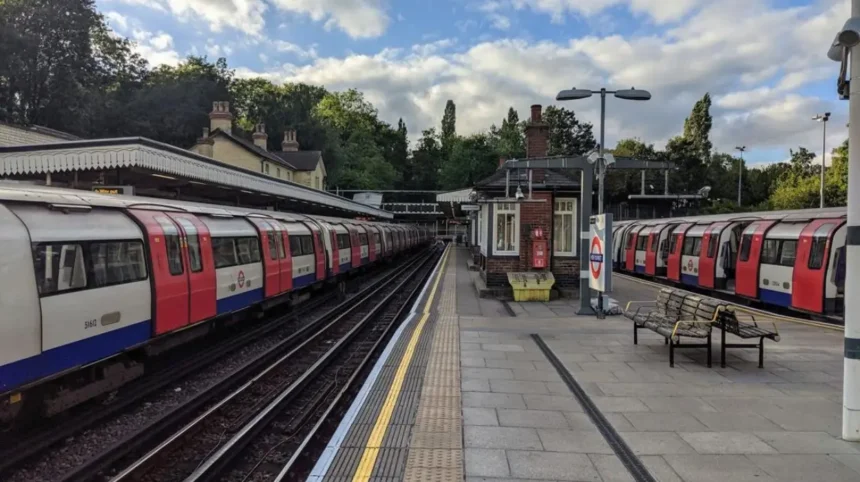
Barnet has a direct London Underground connection through the Northern line’s High Barnet branch. The route links High Barnet in north London with central London destinations including Camden Town, Euston, Tottenham Court Road, Leicester Square, Charing Cross, Embankment and Waterloo. Southbound services continue through the southern branches towards Morden or Battersea Power Station, depending on the service pattern.
- How does the Northern line connect High Barnet with central London?
- Which Northern line stations serve Barnet?
- Why is High Barnet station important to the Northern line?
- What route does a Northern line train take from High Barnet?
- Which central London destinations can you reach directly from High Barnet?
- How does the Northern line connect Barnet with south London?
- How long does the Northern line journey from High Barnet to London take?
- What connections can passengers make along the Northern line?
- How did the Northern line reach Barnet?
- What does the Northern line mean for visitors to Barnet?
- How should travellers use the Northern line from Barnet?
- Why is the Northern line connection important for Barnet?
For visitors, the connection provides a straightforward way to travel between Barnet and major cultural, commercial, transport and leisure districts across London. For residents and business travellers, the line provides direct access to central employment areas and interchange stations without requiring a change at the edge of the city.
The High Barnet branch is part of a much larger Underground route. The Northern line developed from several historic railways and extensions rather than being built as one continuous railway. Transport for London describes it as an amalgamation of three different railways and extensions, with its origins reaching back to the City and South London Railway in 1890.
How does the Northern line connect High Barnet with central London?
The Northern line provides a direct southbound Underground route from High Barnet through Totteridge, Finchley, Highgate, Camden and central London, reaching destinations such as Euston, Tottenham Court Road, Charing Cross, Embankment and Waterloo.
High Barnet is the northern terminus of the High Barnet branch. Travelling south, trains call at Totteridge & Whetstone, Woodside Park, West Finchley, Finchley Central, East Finchley, Highgate, Archway, Tufnell Park and Kentish Town before reaching Camden Town.
From Camden Town, the route continues through Mornington Crescent and Euston. Trains then serve Warren Street, Goodge Street, Tottenham Court Road, Leicester Square, Charing Cross, Embankment and Waterloo on the central London section.
This alignment gives Barnet a direct relationship with several major areas of central London. Camden provides access to a major visitor and entertainment district. Euston provides connections with National Rail and London Underground services. Tottenham Court Road provides connections with the Central line and Elizabeth line. Charing Cross connects with National Rail and the Bakerloo line. Waterloo connects with National Rail and several Underground lines.
The practical significance is simple. A passenger starting at High Barnet does not need to change trains to reach many major central London locations. The exact stopping pattern and destination depend on the service operating at the time of travel, so passengers should check the TfL journey planner before travelling.
Which Northern line stations serve Barnet?
The High Barnet branch serves Barnet through High Barnet, Totteridge & Whetstone, Woodside Park, West Finchley, Finchley Central and East Finchley, with each station providing access to different neighbourhoods and destinations in North London.
The relationship between Barnet and the Northern line extends beyond High Barnet station itself. Several stations on the northern part of the route are located within or closely associated with the London Borough of Barnet.
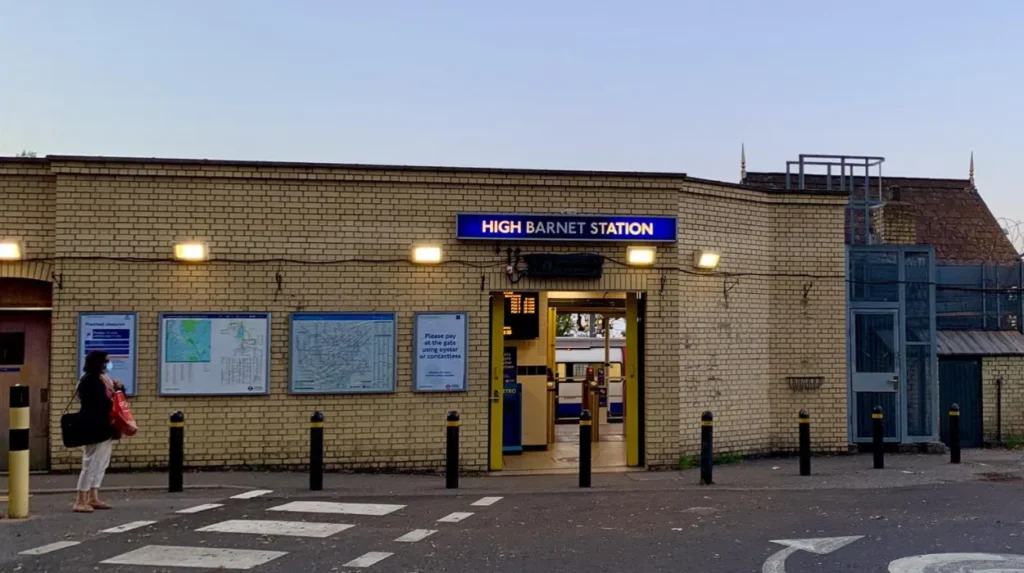
High Barnet station serves Chipping Barnet and forms the northern end of the branch. The station is in London fare Zone 5. Totteridge & Whetstone is in Zone 4 and serves Whetstone and Totteridge. Woodside Park is also part of the northern section and provides access to the North Finchley area.
West Finchley and Finchley Central provide further connections through Finchley. East Finchley then marks the transition towards the inner northern districts before Highgate and Archway.
The station sequence matters because London Underground journeys are based on the route rather than simply the administrative boundary of a borough. Travellers staying in different parts of Barnet can therefore use different Northern line stations depending on walking distance, bus connections and the destination.
The High Barnet branch also connects with wider public transport at selected stations. TfL identifies National Rail connections at Kentish Town, Euston, Charing Cross and Waterloo, while Euston also connects with London Overground and Victoria line services.
Why is High Barnet station important to the Northern line?
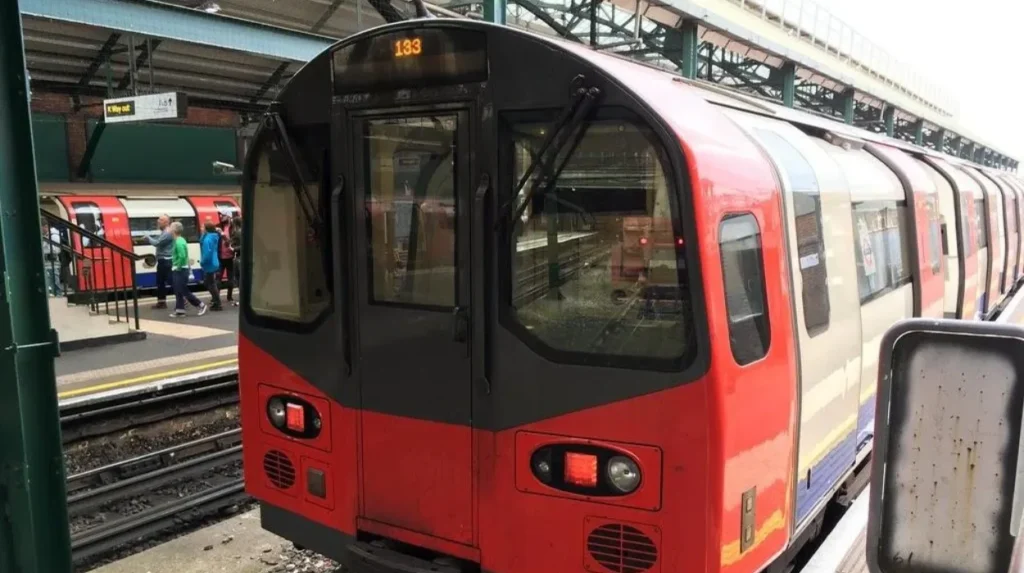
High Barnet is important because it is the northern terminus of the Northern line’s High Barnet branch, giving the Barnet area a direct Underground connection through North London into Camden, central London and the southern sections of the Northern line.
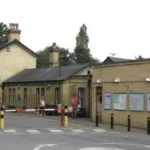
High Barnet station has a much older railway history than its current London Underground role suggests. The station opened on 1 April 1872 under the Great Northern Railway. It originally formed part of a railway connection linking the Barnet area with the wider North London railway network.
Northern line services began operating to High Barnet on 14 April 1940. The change formed part of the Northern Heights development programme, which integrated sections of existing railway infrastructure into the London Underground system. London Underground services subsequently became the principal passenger operation on the branch.
The station therefore represents two phases of London’s transport development. The first was the expansion of surface railways into North London during the nineteenth century. The second was the integration of established railway routes into the expanding Underground network during the twentieth century.
As you explore the modern station and surrounding neighbourhood, you are crossing land with a deep railway heritage. Read about the full [Insert Anchor Text for History Article Here] to understand its origins.
High Barnet remains significant because the branch begins here. Southbound passengers can therefore travel through the entire northern section of the route without first travelling to another Underground interchange.
What route does a Northern line train take from High Barnet?
A typical southbound journey from High Barnet runs through Totteridge & Whetstone, Woodside Park, West Finchley, Finchley Central, East Finchley, Highgate, Archway, Tufnell Park and Kentish Town before reaching Camden Town and central London.
The first part of the journey passes through the northern suburbs. High Barnet is followed by Totteridge & Whetstone, then Woodside Park, West Finchley and Finchley Central.
East Finchley follows Finchley Central. The railway then continues to Highgate and Archway before reaching Tufnell Park and Kentish Town.
Camden Town is an important point in the route because the Northern line continues from the northern suburbs into the central London network. From Camden Town, passengers can travel through Mornington Crescent and Euston towards Warren Street and Goodge Street.
Tottenham Court Road is another major interchange. TfL lists connections there with the Central line and Elizabeth line. Leicester Square provides access to the Piccadilly line, while Charing Cross connects with the Bakerloo line and National Rail.
Embankment connects with the Bakerloo, Circle and District lines. Waterloo provides connections with the Bakerloo, Jubilee and Waterloo & City lines as well as National Rail.
This sequence makes the Northern line particularly useful for journeys that start in Barnet but finish in central London. Passengers can remain on the same train for a large part of the journey instead of changing between separate Underground lines.
Which central London destinations can you reach directly from High Barnet?
High Barnet has direct Northern line services to central London locations including Camden Town, Euston, Warren Street, Goodge Street, Tottenham Court Road, Leicester Square, Charing Cross, Embankment and Waterloo, subject to the operating service pattern.
Camden Town is one of the earliest major central destinations after the northern suburbs. It provides access to Camden’s markets, entertainment venues and surrounding streets.
Euston is particularly important for longer-distance travel because the station connects the Underground network with National Rail. TfL also identifies connections with the Victoria line and London Overground at Euston.
Warren Street provides access to the Victoria line. Goodge Street is located close to Fitzrovia and the surrounding central London districts.
Tottenham Court Road is a major interchange with the Central line and Elizabeth line. The Elizabeth line provides rapid east-west access across London, making Tottenham Court Road useful for passengers travelling beyond the Northern line corridor.
Leicester Square provides a connection with the Piccadilly line and access to London’s West End. Charing Cross connects the Underground with National Rail and the Bakerloo line.
Embankment provides access to the Bakerloo, Circle and District lines. Waterloo provides several Underground connections and National Rail services.
These connections allow a journey that starts in Barnet to continue across many parts of London through relatively simple interchanges.
How does the Northern line connect Barnet with south London?
The Northern line continues beyond central London, connecting High Barnet with southern destinations through stations including Kennington, Nine Elms and Battersea Power Station, while other services continue towards the Morden branch.
The Northern line is unusual because its network extends far beyond the Barnet section. After Waterloo, trains continue south through Kennington and Nine Elms towards Battersea Power Station on services using that branch.
Other Northern line services operate through the southern branch towards Morden. TfL timetable information shows High Barnet services reaching destinations including Balham, Tooting Bec, Tooting Broadway, Colliers Wood, South Wimbledon and Morden.
This gives Barnet passengers access to a substantial north-south transport corridor.
The route also demonstrates why passengers should check the destination displayed on the train. The Northern line has different branches and service patterns. A train leaving High Barnet is not necessarily bound for every southern destination served by the line.
For visitors, the simplest approach is to identify the final destination first and then follow the TfL journey planner. The correct train destination matters when travelling through the southern part of the network.
How long does the Northern line journey from High Barnet to London take?
Journey time depends on the destination, stopping pattern and service conditions. TfL timetable examples show High Barnet to Euston taking about 27 minutes, while High Barnet to Waterloo takes about 37 minutes on the displayed services.
TfL timetable data provides useful examples rather than one fixed journey duration. A displayed High Barnet service leaves High Barnet at 05:57 and reaches Euston at 06:24, giving a scheduled journey of approximately 27 minutes.
Another TfL timetable shows a High Barnet departure at 06:24 reaching Waterloo at 07:01. That represents approximately 37 minutes.
A displayed service from High Barnet reaches Charing Cross in around 34 minutes in another timetable example. TfL also shows High Barnet to Warren Street at approximately 29 minutes on a displayed morning service.
These figures are timetable examples, not permanent journey guarantees. Engineering works, delays, station closures and changes to operating patterns affect actual travel times.
The important point is the direct nature of the route. A passenger travelling from High Barnet to many central destinations does not normally need an Underground interchange before reaching the destination.
What connections can passengers make along the Northern line?
The Northern line connects Barnet with other London transport services at major interchanges including Kentish Town, Euston, Tottenham Court Road, Charing Cross and Waterloo, providing access to National Rail, Elizabeth line, Victoria, Central, Piccadilly and other services.
Kentish Town provides a National Rail connection. This makes the station useful for passengers travelling between the Northern line and surface railway services in North London.
Euston is one of the most important interchanges on the route. TfL identifies connections with National Rail, the Victoria line and London Overground.
At Tottenham Court Road, passengers can connect with the Central line and Elizabeth line. The Elizabeth line expands the journey options towards locations across east and west London.
Leicester Square connects with the Piccadilly line. Charing Cross connects with the Bakerloo line and National Rail. Embankment connects with the Bakerloo, Circle and District lines.
Waterloo provides connections with National Rail, the Bakerloo line, Jubilee line and Waterloo & City line.
These interchange points transform the Northern line from a simple Barnet-to-central-London railway into part of a much wider transport network.
For visitors, this means High Barnet can function as the starting point for journeys to locations that are not directly served by the Northern line. One interchange at a major station often provides access to another part of London.
How did the Northern line reach Barnet?
The Northern line reached Barnet through the integration of older railway infrastructure into the Underground network. High Barnet station opened in 1872, while Northern line services began there in 1940 as part of the Northern Heights development programme.
The history of the Northern line begins with the City and South London Railway, which opened in 1890. It was the first deep-level electric railway and formed one of the principal foundations of the modern Northern line.
Another major predecessor was the Charing Cross, Euston and Hampstead Railway. It opened in 1907 between Golders Green and Charing Cross. The different railway companies and branches were later integrated into a larger Underground system.
The High Barnet branch has a different immediate history. The railway to High Barnet opened in 1872 under the Great Northern Railway. The London Underground later incorporated the route as part of the Northern Heights programme.
Northern line services reached High Barnet on 14 April 1940. The Second World War interrupted several planned transport developments, but the High Barnet service became an established part of the Underground network.
This history explains why the Northern line does not resemble a single railway built during one construction period. Its present route reflects more than a century of railway development, consolidation and expansion.
What does the Northern line mean for visitors to Barnet?
The Northern line makes Barnet practical for visitors who want access to both local North London attractions and central London, with direct trains linking High Barnet to Camden, major interchanges and prominent West End and riverside destinations.
Visitors staying in Barnet can use High Barnet station as a direct gateway into London. The route reaches Camden Town without an interchange and continues into the West End and central London.
The journey also supports flexible sightseeing. A visitor can travel from High Barnet to Camden Town, continue to Tottenham Court Road, change for another Underground or Elizabeth line service, and return through the Northern line later.
The connection is also useful for visitors combining Barnet with other North London destinations. Stations such as Totteridge & Whetstone, Woodside Park and Finchley Central provide access to different parts of the borough and neighbouring districts.
For business travellers, Euston and central London provide important transport and commercial connections. Digital nomads and remote workers can also use the route to reach central districts with extensive cafés, libraries, offices and public facilities, although workspace suitability varies by venue.
The route also supports leisure journeys towards London’s major cultural districts. Charing Cross and Leicester Square provide access to the West End, while Embankment and Waterloo connect passengers with the Thames and major central London destinations.
Explore More Area Guide
Barnet Underground Stations: 13 Northern Line Stops Explained
ARTA Awards Curry Oscars Shortlist Four Restaurants in North London 2026
How should travellers use the Northern line from Barnet?
Travellers should identify their final destination, check the Northern line branch and train destination, allow time for interchange where required, and confirm live TfL service information before departure because Underground operating conditions and timetables change.
Start by identifying the nearest suitable Northern line station. High Barnet is the principal station for Chipping Barnet, while Totteridge & Whetstone, Woodside Park, West Finchley and Finchley Central serve other northern areas.
Next, check whether the destination is directly served. High Barnet has direct services towards major destinations including Camden Town, Euston, Tottenham Court Road, Leicester Square, Charing Cross, Embankment and Waterloo.
If the final destination is outside the Northern line, identify the most convenient interchange. Tottenham Court Road is useful for Elizabeth line and Central line connections. Euston provides National Rail, Victoria line and London Overground connections. Waterloo provides National Rail, Jubilee, Bakerloo and Waterloo & City connections.
Check the train destination before boarding, particularly when travelling south of central London. The Northern line has different branches, including routes towards Morden and Battersea Power Station.
TfL’s official route information should be used for live service conditions, planned engineering works, first and last trains and journey planning. Historical route information remains useful for understanding the network, but operational information should always come from the current transport authority.
Why is the Northern line connection important for Barnet?
The Northern line gives Barnet a direct Underground link with central London and an extensive wider transport network, supporting commuting, tourism, business travel and leisure journeys while connecting a historic northern suburb with major destinations across the capital.
The connection combines local accessibility with metropolitan connectivity. High Barnet is geographically north of central London, but the Underground places it directly on one of London’s major north-south corridors.
The route serves residential districts before entering the central London network. It then provides connections with major railway and Underground interchanges. This structure allows passengers to travel from Barnet into central London and continue towards destinations across the wider capital.
The line’s historical development also explains its current importance. High Barnet’s railway connection dates from 1872, while Northern line services began in 1940. The modern route therefore represents the continuation of a transport corridor that has evolved for more than a century.
For tourists, the most important benefit is direct access to central London. For residents, the route provides a major public transport connection. For business travellers, it links Barnet with central transport hubs. For visitors exploring North London, the sequence of stations provides access to multiple neighbourhoods along one Underground branch.
The Northern line therefore connects Barnet with London at several levels: geographically through its north-south route, operationally through direct Underground services, historically through inherited railway infrastructure, and practically through connections with other London transport services.
High Barnet’s position at the northern end of the branch makes it one of the key gateways between Barnet and the wider London transport network.
Is High Barnet on the Northern line?
Yes. High Barnet is the northern terminus of the Northern line’s High Barnet branch. Northern line trains connect High Barnet with destinations across North London and central London.