Key Points
- Historic Legal Milestone: A 65-year-old man living in Islington, London, has become the first person ever charged in the United Kingdom with offences linked to the 1994 genocide against the Tutsi in Rwanda.
- Identity of the Accused: The defendant has been identified as Dr Vincent Brown, formerly known as Dr Vincent Bajinya.
- Seven Formal Charges: Crown Prosecution Service (CPS) prosecutors have authorised one count of conduct ancillary to genocide and six counts of conduct ancillary to murder as a crime against humanity under section 52 of the International Criminal Court Act 2001.
- Allegations: Prosecutors allege Dr Brown directed, incited, and encouraged others to kill members of the Tutsi ethnic group in the Rugenge district of Kigali in April 1994.
- Seven-Year Investigation: The charges follow a complex seven-year inquiry initiated in September 2019 by the Metropolitan Police Counter Terrorism Policing War Crimes Team following an official extradition and investigative request from the Rwandan government.
- Court Appearance: Dr Brown has been remanded in custody and is scheduled to appear at Westminster Magistrates’ Court on Tuesday, 22 September 2026.
- Broader Scope: Metropolitan Police officials confirmed that investigations remain active into multiple other individuals residing in the UK regarding suspected involvement in the Rwandan genocide.
Islington (North London News) September 22, 2026 — A 65-year-old Rwandan national residing in north London has become the first individual in the United Kingdom to be formally charged with criminal offences relating to the 1994 genocide against the Tutsi in Rwanda, the Crown Prosecution Service (CPS) announced on September 21, 2026.
As reported by Frank Ferguson, Head of the CPS Special Crime and Counter Terrorism Division, Dr Vincent Brown, formerly known as Dr Vincent Bajinya, faces seven individual charges brought under section 52 of the International Criminal Court Act 2001. Dr Brown, who formerly resided in Kigali, Rwanda, and currently lives in the Islington district of north London, was arrested and charged following a long-running inquiry by specialist detectives. He has been remanded in custody to appear before Westminster Magistrates’ Court on Tuesday, 22 September 2026.
What Are The Specific Charges Brought Against Dr Vincent Brown?
As detailed in legal filings published by the Crown Prosecution Service and reported by various media outlets, the charges brought against Dr Brown comprise one count of conduct ancillary to genocide and six counts of conduct ancillary to murder as a crime against humanity.
As reported by Frank Ferguson of the CPS, the prosecutor stated:
“The charges relate to allegations that Dr Brown took part in the genocide against the Tutsi in Rwanda in 1994. He is alleged to have directed and incited acts of murder and genocide carried out by others”.
The Metropolitan Police Service specified that the single count of conduct ancillary to genocide alleges that during April 1994 in Kigali, Rwanda, Dr Brown engaged in conduct with the intent to destroy, in whole or in part, the Tutsi ethnic or racial group by encouraging others to commit fatal acts. The six additional counts relate to ancillary conduct connected to murder as a crime against humanity within the same area and timeframe.
Frank Ferguson further clarified the structural process behind the CPS decision, stating:
“The Crown Prosecution Service made its decision after reviewing a file of evidence submitted by the War Crimes Team at the Metropolitan Police. We concluded that our legal test for bringing criminal charges had been met”.
Ferguson emphasized the independence of the prosecution process, adding:
“The Crown Prosecution Service makes prosecution decisions independently of police and government, on the evidence available and in accordance with the law. Criminal proceedings against Dr Brown are now active. The defendant has the right to a fair trial, and it is extremely important that there should be no reporting, commentary or sharing of information online that could prejudice those proceedings”.
How Did Counter Terrorism Officers Investigate The Case?
As reported by investigative reporter coverage across British national publications including The Independent and ITV News, the charges stem from an extensive international inquiry spanning several years.
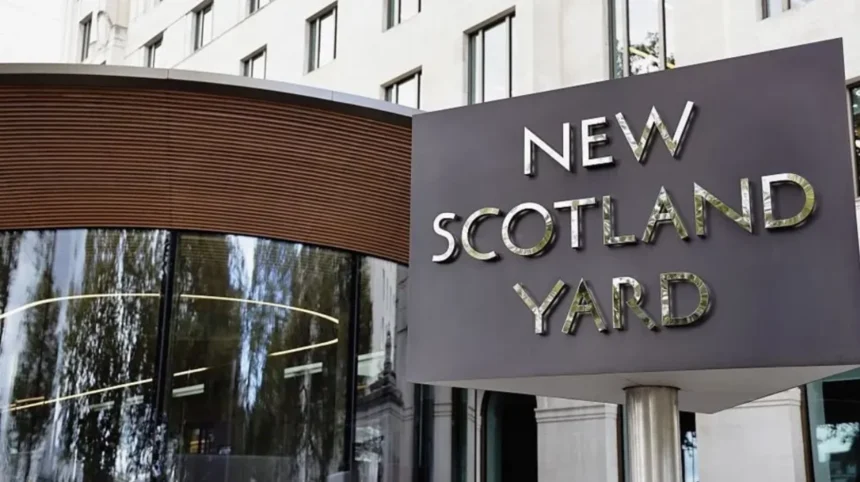
The Metropolitan Police Counter Terrorism Policing War Crimes Team formally initiated its investigation in September 2019 following an official referral from the Government of Rwanda. Rwandan authorities requested that British law enforcement investigate individuals living within the UK who were allegedly involved in atrocity crimes committed in the Rugenge district of Kigali during April 1994.
As reported by media sources quoting Commander Helen Flanagan, Head of Counter Terrorism Policing London, the police commander highlighted the operational scale required to achieve the charging decision:
“To secure the first-ever UK charges related to a genocide has involved a huge amount of work and determination from officers in the War Crimes Team”.
Commander Flanagan elaborated on the broader enforcement stance of British authorities, stating:
“This case demonstrates the UK is not a safe haven for individuals suspected of committing international crimes. The War Crimes Team remains committed to ensuring those suspected of involvement in genocide and other atrocity crimes are held accountable through due legal process”.
Commander Flanagan also confirmed that the scope of policing activities extends beyond a single individual, explaining:
“A number of other investigations remain ongoing into other individuals in the UK for similar offences related to the genocide in Rwanda”.
As reported by Reuters, these active inquiries involve at least six other individuals, including two men who were previously arrested in 2024 and 2026 on suspicion of genocide offences and currently remain on bail.
Closing her public statement, Commander Flanagan noted:
“Our thoughts remain with the people of Rwanda, particularly those who lost family members and loved ones during the genocide against the Tutsi”.
Background of the Particular Development
The legal developments marking the charging of Dr Vincent Brown represent the culmination of a decade-long legal process in the United Kingdom regarding suspects of the 1994 Rwandan genocide.
Over a period of 100 days between April and July 1994, an estimated 800,000 to 1,000,000 ethnic Tutsis and politically moderate Hutus were systematically killed in Rwanda by Hutu extremist forces and militia groups. Following the end of the genocide, hundreds of thousands of individuals fled the country or were subjected to domestic and international legal proceedings.
For many years, the Rwandan government sought the extradition of several high-profile suspects residing in the United Kingdom, including Dr Vincent Bajinya (who subsequently changed his name to Vincent Brown). However, formal extradition requests submitted by Kigali were repeatedly denied by British courts. UK judges ruled against extradition on human rights grounds, citing concerns over whether the accused would receive fair trials within the Rwandan judicial system at that time.
Because extradition attempts reached a legal impasse, Rwandan officials requested that British law enforcement utilize the principle of universal jurisdiction incorporated into UK domestic law. Under section 52 of the International Criminal Court Act 2001, British courts hold jurisdiction to prosecute UK residents for acts of genocide, war crimes, and crimes against humanity, regardless of the geographic location where the alleged acts took place.
This statutory framework allowed the Metropolitan Police War Crimes Team to open a primary criminal investigation in September 2019. Officers conducted multiple international deployments, gathered witness testimony, and collaborated with judicial authorities in Rwanda to assemble the evidence file evaluated by the Crown Prosecution Service.
Explore More Islington News
North London Primary Schools Tighten Security Following Threatening Emails, Islington 2026
Islington Council Expands Landlord Licensing Scheme Across North London 2026
Prediction: How This Development Can Affect the Legal and International Community
The historic prosecution of Dr Vincent Brown is expected to exert significant structural impacts across several operational domains:
- Impact on UK-Based Foreign National Suspects: The authorization of charges under the International Criminal Court Act 2001 establishes an operational blueprint for UK authorities. This development signals to remaining suspects under active investigation that the inability to extradite individuals to foreign jurisdictions does not grant immunity from prosecution within the UK legal system.
- Impact on Victims and Diaspora Communities: For survivors of the 1994 genocide against the Tutsi and members of the global Rwandan diaspora, the commencement of formal criminal proceedings in a domestic British court offers a verified legal mechanism for accountability and official record-keeping three decades after the events occurred.
- Impact on UK War Crimes Unit Operations: The progression of this case from a 2019 referral to formal trial proceedings provides a procedural template for Counter Terrorism Policing. It is anticipated to increase resource allocation and cross-border cooperation for secondary inquiries involving atrocity crimes committed in other conflict zones globally.
- Impact on International Judicial Relations: The successful application of universal jurisdiction principles strengthens bilateral law enforcement cooperation between the United Kingdom and foreign governments seeking accountability for historical international crimes.