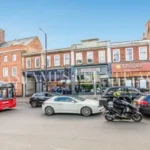
Barnet is a large North London borough that combines established transport connections, accommodation options, local services, commercial areas and access to central London. It includes High Barnet, New Barnet, Finchley, Hendon, Golders Green, Whetstone, Edgware, North Finchley and other neighbourhoods.
- Why is Barnet convenient for business travellers in London?
- Which transport connections make Barnet useful for work trips?
- How does New Barnet support business travel?
- Does the Northern line make Barnet practical for London meetings?
- What accommodation options does Barnet offer business travellers?
- Where can business travellers work outside formal offices?
- How close is Barnet to North London business districts?
- Does Barnet provide practical access to airports?
- How do Barnet’s roads support business travellers?
- Why is Barnet useful for combining business with downtime?
- How has Barnet’s transport history shaped its modern business role?
- What should business travellers consider before staying in Barnet?
- Why does Barnet remain relevant for future business travel?
For business travellers, location efficiency is important. A useful base needs reliable transport, practical accommodation, places to work, food and everyday services. Barnet provides these through London Underground, National Rail, major roads, local centres and proximity to employment areas across North London and central London.
Barnet also has a long transport history. The modern business environment developed from routes that historically connected London with northern England. The Great North Road passed through Barnet, while later railways and Underground services transformed the area into a suburban transport network.
As you explore the modern commercial environment, you are crossing land shaped by centuries of movement and trade. Read about the full [Insert Anchor Text for History Article Here] to understand its origins.
Why is Barnet convenient for business travellers in London?
Barnet gives business travellers access to London Underground, National Rail, major roads, local commercial centres and accommodation while keeping them outside the central London core. Its transport network supports journeys towards central London, North London, Hertfordshire and other employment destinations.
Barnet covers a substantial part of North London and contains several distinct transport corridors. The Northern line provides Underground connections through areas including High Barnet, Totteridge & Whetstone, Woodside Park, West Finchley, Finchley Central, East Finchley and Golders Green.
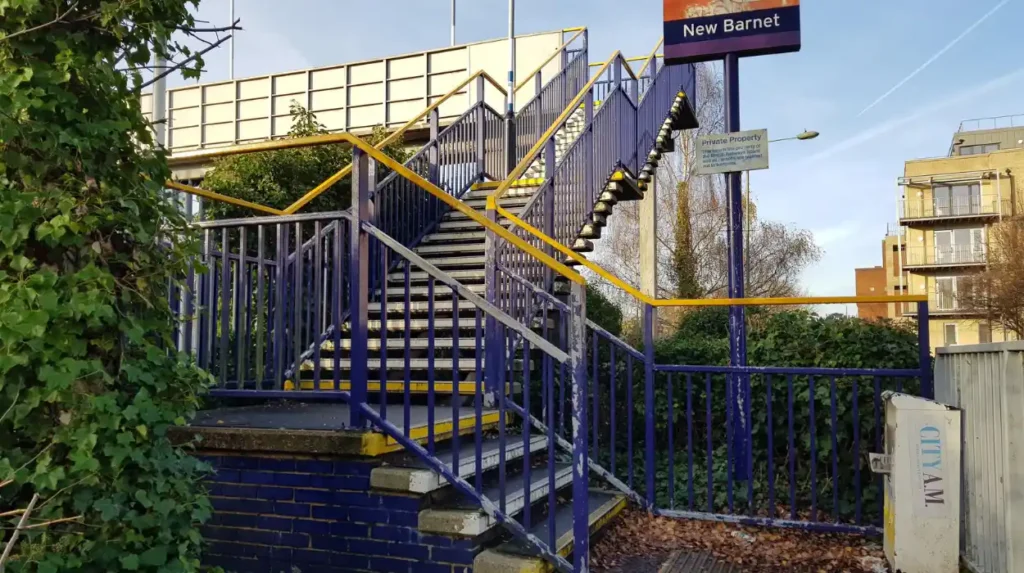
National Rail provides another transport layer. New Barnet station is served by Great Northern and Thameslink services, giving travellers an alternative to Underground travel. Transport for London lists Great Northern and Thameslink services at New Barnet and provides station facilities including ticket halls, waiting facilities and a car park.
This combination matters for business travel because work appointments do not all take place in central London. A traveller staying in Barnet can choose between Underground, National Rail, buses, taxis and road travel according to the destination.
Barnet also connects with major roads. The A1 and A41 provide important road corridors, while the North Circular Road passes through the wider borough area and connects North London with other parts of the capital.
The result is a location with several transport options rather than dependence on one route.
Which transport connections make Barnet useful for work trips?
Barnet’s business-travel value comes from multiple transport systems, including the Northern line, Great Northern, Thameslink, London buses and major roads. These connections provide practical routes towards central London, northern London, employment centres, airports and destinations beyond the borough.
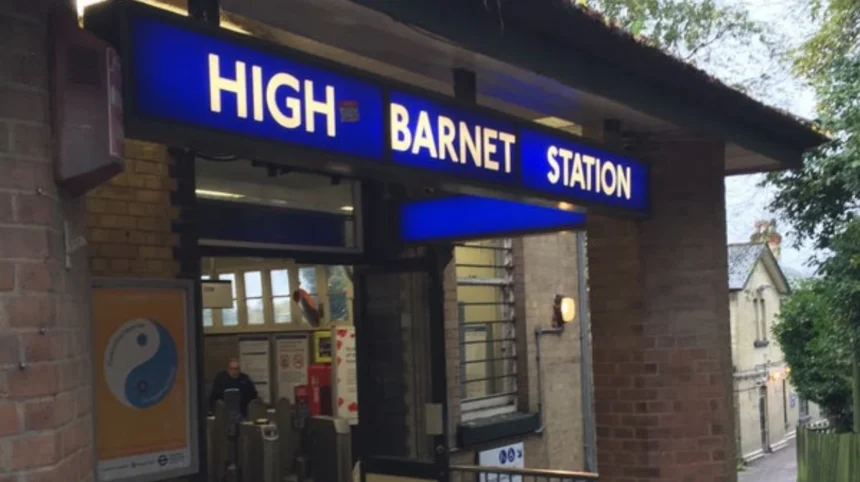
The Northern line is particularly important for travellers whose meetings are located in central London or along the northern part of the Underground network. High Barnet is the northern terminus of the High Barnet branch, while stations further south connect Barnet neighbourhoods with Camden, the City and other central destinations.
National Rail adds a separate option. New Barnet station is served by Great Northern and Thameslink. This is relevant for travellers who need rail connections rather than Underground services.
The transport structure also reflects Barnet’s historic development. High Barnet became an important stopping point on the Great North Road. Barnet Council records that the High Road became a turnpike in 1712 and that Barnet had 25 coaching inns by 1756. Railway stations later accelerated suburban development.
Modern business travel therefore operates on infrastructure that developed over several centuries.
For travellers attending meetings across different parts of London, transport choice is important. A Northern line journey, a National Rail service, a bus connection and a road journey serve different purposes. The appropriate option depends on the meeting location, appointment time and luggage requirements.
How does New Barnet support business travel?
New Barnet provides a practical rail-based base because its station is served by Great Northern and Thameslink, with facilities including a car park, ticket hall and waiting area. Its suburban setting also provides access to accommodation, shops, restaurants and everyday services.
New Barnet developed directly from railway infrastructure. Barnet Council states that there was no New Barnet before the railway line was built. The Great Northern Company acquired land from farms and estates, and the surrounding settlement developed progressively during the nineteenth century.
New Barnet station opened the area to stronger connections with London. Today, the station is served by Great Northern and Thameslink. Transport for London lists the station at Station Approach, New Barnet, with a car park, ticket halls, waiting room and help points.
This creates a useful transport proposition for business visitors whose work involves rail-connected destinations.
New Barnet also sits close to High Barnet and other northern parts of the borough. Travellers can combine rail with local buses, walking or taxi journeys.
Accommodation in this part of Barnet is generally suburban rather than concentrated in a traditional central business district. That distinction affects the type of business trip it suits. Travellers who value access to meetings across North London can use New Barnet as a base without staying directly in central London.
Does the Northern line make Barnet practical for London meetings?
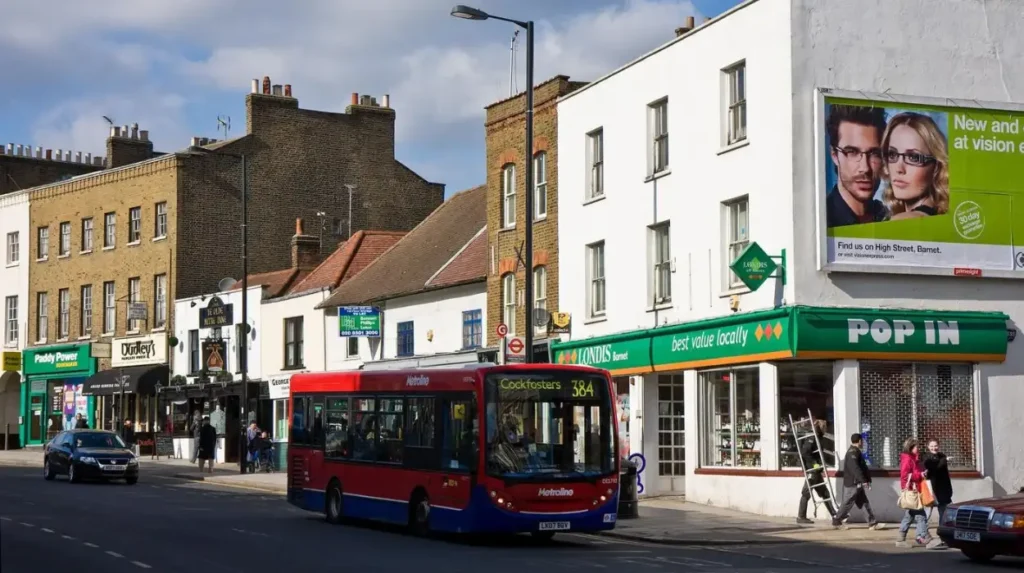
The Northern line gives Barnet travellers direct Underground access towards central London and several major business districts. Stations across High Barnet, Totteridge, Whetstone, North Finchley, Finchley and Golders Green create several entry points into the wider London transport network.
The Northern line is one of the key reasons Barnet works as a North London business base. Different neighbourhoods connect to different stations, allowing travellers to choose accommodation according to the location of their appointments.
High Barnet provides the northern terminus. Totteridge & Whetstone, Woodside Park, West Finchley and Finchley Central serve further south. Golders Green and other stations continue the connection towards central London.
The history of this network is significant. Barnet Council records that the Great Northern Railway branch reached Barnet in 1872. The railway infrastructure later became part of the Northern Line system.
This development changed Barnet from a mainly rural and market-oriented area into a connected London suburb.
For business travellers, the practical implication is straightforward. A hotel or guest accommodation near a Northern line station gives access to a large part of London without requiring a separate journey into central London before every meeting.
The network also supports evening leisure. Business travellers can travel south after work for dining, theatre, cultural attractions or networking and return to a Barnet base later.
What accommodation options does Barnet offer business travellers?
Barnet provides access to hotels, guest accommodation and serviced residential options across several neighbourhoods. Accommodation near transport corridors gives business travellers practical access to meetings while providing local restaurants, shops and services outside central London’s hotel districts.
Accommodation is distributed rather than concentrated in one business quarter. Travellers can therefore select a location according to their transport requirements.
High Barnet provides access to the town centre and Northern line. New Barnet provides National Rail access. Finchley offers several Underground stations and established local centres. Golders Green provides another transport-connected base with access to central London.
The wider London accommodation market also includes business-oriented hotels. Visit London categorises London accommodation for different purposes, including business trips, family breaks and leisure travel.
For business visitors, proximity to transport is often more important than being immediately beside a large office complex. A property close to a station reduces the number of transport stages required for a meeting.
Accommodation choice also depends on trip length. A one-night meeting requires different facilities from a week-long project assignment. Longer stays place greater importance on kitchen facilities, laundry access, supermarkets and neighbourhood services.
Barnet’s established residential districts provide these everyday facilities alongside commercial and transport infrastructure.
Where can business travellers work outside formal offices?
Business travellers can work between meetings from cafés, hotel workspaces, libraries and other public facilities across Barnet. Local town centres provide food, Wi-Fi-dependent work environments and everyday services that support short periods of remote or mobile working.
Barnet is not defined by one central business district. Work activity is distributed across neighbourhood centres, offices, retail streets and transport corridors.
This structure suits travellers who need temporary work periods rather than a permanent office. A visitor can complete emails in accommodation, conduct a short working session in a café and then travel to a meeting.
Libraries provide another category of public workspace and information services. Barnet’s council infrastructure includes libraries across the borough, supporting local residents and visitors with access to information and public facilities.
Digital nomads and business travellers should check individual venue policies before relying on Wi-Fi, sockets or extended laptop use. Facilities vary between locations.
Hotel accommodation can also provide private working space. A desk, reliable internet connection and quiet room can reduce the need to find an external workspace.
The combination of accommodation and local services makes Barnet suitable for business itineraries that mix meetings, remote work and travel.
How close is Barnet to North London business districts?
Barnet sits within North London’s wider employment network and provides transport connections towards Finchley, Hendon, Camden, Brent, the City and other commercial areas. Its position supports business trips that involve several appointments rather than one central London destination.
North London contains employment areas with different commercial functions. Finchley and North Finchley contain established commercial centres. Hendon has business, education and institutional activity. Brent and neighbouring districts contain major employment and retail destinations.
Barnet’s transport network links these areas through Underground, rail, bus and road connections.
This is particularly relevant for domestic business travellers visiting clients at different locations. A central London hotel does not automatically provide the shortest journey to a North London appointment.
Barnet also provides access to London’s wider road network. Road travel remains relevant for representatives carrying equipment, visiting industrial or suburban sites, or attending appointments that are poorly served by rail.
Travel planning should therefore begin with the meeting address rather than the borough name. Barnet is geographically large, and the difference between High Barnet, Finchley, Hendon and Golders Green affects the most efficient route.
Does Barnet provide practical access to airports?
Barnet provides road and public transport connections towards London’s airport network, although journey times depend on the airport, starting neighbourhood, traffic and service conditions. Travellers should select accommodation according to their departure route and required airport connection.
Airport access is an important consideration for international and domestic business travellers.
Barnet’s position in North London gives travellers access to routes towards Heathrow, London City, Luton and Stansted airports. The best route differs according to the airport.
Luton and Stansted are particularly relevant to northern London travellers because of their position north of central London. Heathrow is farther west and requires a cross-London journey or road transfer. London City Airport sits east of central London and involves a different transport pattern.
Business travellers with early flights should consider the first available public transport services, road conditions and the location of their accommodation. A hotel close to a suitable station can reduce the number of transfers required.
Airport access should therefore be treated as part of the complete itinerary rather than a separate travel decision.
How do Barnet’s roads support business travellers?
Barnet’s road network supports business travellers who need flexible movement across North London, Hertfordshire and Greater London. Major routes such as the A1, A41 and North Circular provide road connections for client visits, equipment transport and destinations where public transport is less direct.
Road transport has been central to Barnet’s development for centuries.
The Great North Road historically passed through Barnet and supported military, coaching and commercial movement. Barnet Council records that a straighter section of road was constructed from 1818 to improve the route and reduce the steepness of the previous alignment.
Modern roads serve a different transport system but retain the same geographic function.
The A1 provides an important north-south corridor. The A41 supports movement through northwest London and towards Hertfordshire. The North Circular provides an east-west connection around the northern part of the capital.
Road travel is particularly useful for business visitors travelling between multiple suburban destinations.
Parking also influences accommodation choice. Travellers arriving by car should confirm whether their accommodation provides parking and check local restrictions before arrival.
Why is Barnet useful for combining business with downtime?
Barnet gives business travellers access to parks, local shopping streets, restaurants, heritage sites and neighbourhood centres alongside its transport infrastructure. This allows visitors to use free time locally instead of travelling into central London for every activity.
Business trips often include gaps between meetings. Barnet provides several ways to use those periods without making a separate central London journey.
High Barnet has a historic town centre and market heritage. Finchley contains established high streets and cultural facilities. Golders Green has a diverse local commercial environment. Whetstone and North Finchley provide further shopping and dining areas.
Barnet also contains substantial green space. Parks and open areas provide options for walking, exercise and informal downtime.
These facilities matter for longer work trips. A visitor staying several nights requires more than a hotel and transport station. Food shops, restaurants, pharmacies, cafés and leisure facilities reduce dependence on long journeys.
The borough’s varied neighbourhood structure also gives leisure travellers options beyond the conventional central London itinerary.
How has Barnet’s transport history shaped its modern business role?
Barnet’s modern business role developed from historic road, coaching and railway connections. The Great North Road created movement through Barnet, railways expanded suburban access during the nineteenth century, and Underground services later strengthened connections with central London.
Barnet’s historical transport role explains much of its modern urban structure.
An important route north from London passed through Barnet by the eleventh century. High Barnet later developed as a market and coaching centre. By the eighteenth century, its position on the Great North Road supported numerous coaching inns.
Railways changed the pattern again. Barnet Station opened in 1850, while High Barnet and Totteridge and Whetstone stations opened in 1872. Railway access encouraged suburban development around stations and roads.
New Barnet provides a particularly clear example. Barnet Council records that the settlement emerged because of railway construction and the development of surrounding land.
Finchley experienced a similar transformation. The Great Northern Railway reached the area during the nineteenth century, while later tram and Underground infrastructure supported further suburban growth.
The modern business traveller therefore uses a network shaped by successive transport investments.
Explore More Area Guide
Is Barnet Suitable for Students Visiting London?
Is Barnet Suitable for Older Visitors? Accessibility Guide
What should business travellers consider before staying in Barnet?
Business travellers should compare their meeting location, nearest station, accommodation facilities, airport route, parking requirements and expected working arrangements before choosing Barnet. The borough is extensive, so selecting the right neighbourhood is central to an efficient business itinerary.
The first consideration is the meeting location. High Barnet, New Barnet, Finchley, Hendon and Golders Green offer different transport advantages.
The second consideration is station proximity. A property within practical walking distance of an Underground or National Rail station can simplify daily journeys.
The third consideration is accommodation facilities. Business visitors should check Wi-Fi availability, workspace, breakfast arrangements, reception hours, parking and luggage storage where relevant.
The fourth consideration is the working schedule. Travellers with long periods between meetings benefit from nearby cafés, libraries, restaurants and quiet public spaces.
The fifth consideration is the return journey. Airport departure time, rail connections and road conditions affect the most suitable location.
Barnet Council provides current local statistics through its Open Barnet resources, while labour-market information is available through sources including NOMIS. These datasets cover employment, occupations, qualifications, earnings and business information.
Using current transport and local data is important because services, schedules and commercial conditions change over time.
Why does Barnet remain relevant for future business travel?
Barnet’s future business-travel relevance rests on its established transport network, large residential population, diverse local centres and position within North London. Its combination of Underground, rail, road, accommodation and everyday services supports changing patterns of mobile and hybrid work.
Business travel is increasingly connected with hybrid working. A visitor can combine an in-person meeting with remote work during the same trip.
Barnet’s suburban structure supports this model because accommodation, transport, food, retail and local services operate within established neighbourhoods.
The borough also provides multiple transport choices. New Barnet has Great Northern and Thameslink services, while Northern line stations provide access through several parts of the borough.
The long-term importance of these connections is reinforced by Barnet’s history. Transport infrastructure repeatedly changed the area’s economic and residential structure, from the Great North Road to railways and Underground services.
For modern visitors, the key benefit is practical connectivity. Barnet provides a North London base with access to central London while retaining the facilities of established suburban communities.
Its business-travel role therefore comes from a combination of transport, accommodation, local services and geographic position rather than a single commercial district.
Is Barnet a good location for business travellers?
Barnet provides several transport options, accommodation choices, local services and access to central London. Its Northern line and National Rail connections make it practical for business trips involving North London and central London.