Birdwatching in Barnet offers visitors access to woodland, wetlands, grassland, reservoirs and urban parks across North London. The borough’s varied habitats support familiar garden birds, woodland species, waterbirds and seasonal migrants. Local green spaces provide opportunities for wildlife observation throughout the year.
- Where are the best places to spot birds in Barnet?
- Totteridge Fields
- Darland’s Lake Nature Reserve
- Hadley Green
- Dollis Valley Greenwalk
- Other parks and green spaces
- What types of birds can you see in Barnet?
- Garden and suburban birds
- Woodland birds
- Birds of grassland and open countryside
- Waterbirds and riverside birds
- Seasonal migrants and winter visitors
- When is the best time to go birdwatching in Barnet?
- How do you identify birds in Barnet’s parks and nature reserves?
- How can you plan a birdwatching walk around Barnet?
- Choose a route that matches your interests
- Allow time for quiet observation
- Bring practical equipment
- Check access and transport
- What makes Barnet’s green spaces important for bird conservation?
- Why habitat diversity matters
- How Barnet protects wildlife habitats
- How visitors can reduce disturbance
- How does Barnet’s history influence its birdwatching locations?
- How can visitors enjoy responsible birdwatching in Barnet?
- Follow wildlife-friendly practices
- Avoid feeding wild birds in unsuitable ways
- Support local conservation
- What should you know before visiting Barnet for birdwatching?
For tourists, leisure travellers and residents, Barnet’s parks and nature reserves offer accessible places to discover British birdlife. Birdwatching also provides a practical outdoor activity for business travellers with free time and digital nomads looking for a quiet break from urban routines.
Where are the best places to spot birds in Barnet?
The best places to spot birds in Barnet include Totteridge Fields, Darland’s Lake Nature Reserve, Hadley Green, Dollis Valley Greenwalk and the borough’s larger parks. Each location offers different habitats, from open grassland and woodland edges to ponds and waterways that attract varied birdlife.
Barnet occupies the northern part of Greater London, where residential neighbourhoods meet open countryside, wooded areas and historic parkland. This mixture creates valuable habitats for birds throughout the year. The best location depends on the species visitors want to observe and the time available for a walk.
Totteridge Fields
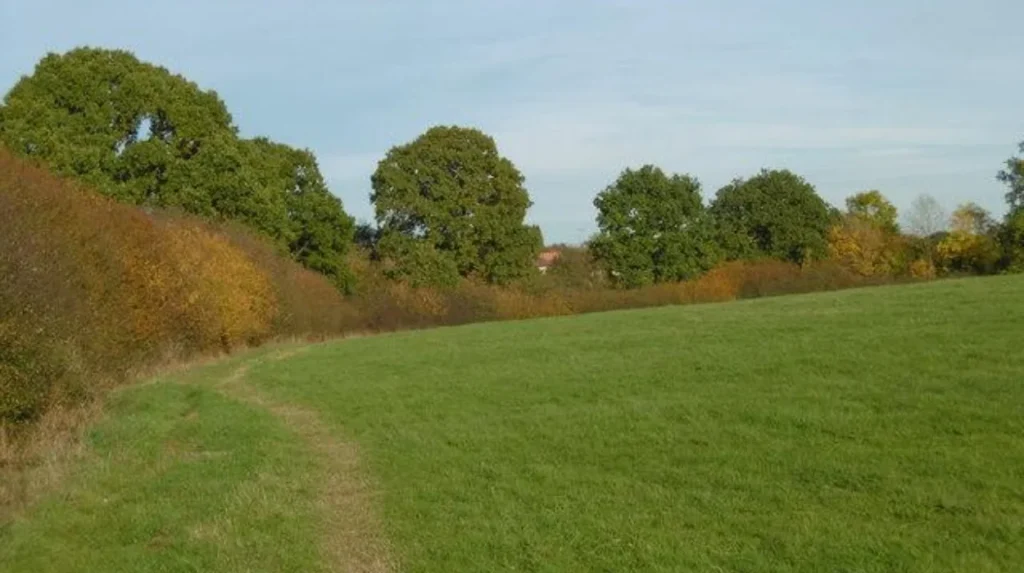
Totteridge Fields is an area of open countryside in northern Barnet, known for its grassland, hedgerows and mature trees. The combination of open feeding areas and sheltered boundaries supports birds that forage on the ground, search for insects or nest in vegetation.
Visitors should look for robins, blackbirds, tits and finches around trees and hedges. Open fields also provide opportunities to observe birds feeding on seeds and invertebrates. Species vary according to season, vegetation management and weather.
Darland’s Lake Nature Reserve
Darland’s Lake Nature Reserve is a useful destination for observing birds associated with freshwater and surrounding vegetation. Lakes attract waterbirds for feeding, resting and bathing, while nearby trees and shrubs offer shelter to smaller species.
Look across the water for ducks and other water-associated birds. Check the shoreline for birds feeding in shallow water, and watch the surrounding branches for perching species. Visitors should keep a respectful distance from nesting birds and avoid feeding wildlife unless local guidance specifically permits it.
Hadley Green
Hadley Green is a historic green space near Monken Hadley. Its open grassland, mature trees and surrounding hedges provide habitat for birds associated with parkland and suburban countryside.
Visitors should scan the grass for blackbirds and other ground-feeding species, then examine the tree canopy for tits, finches and woodpigeons. Quiet observation around the green’s edges offers a better chance of detecting birds than walking quickly through the centre.
Dollis Valley Greenwalk
The Dollis Valley Greenwalk is a walking route through green spaces in the London Borough of Barnet. Its combination of riverside vegetation, grassland, trees and connected paths creates opportunities to observe birds in several habitats during one outing.
The Dollis Brook corridor is particularly useful for watching common woodland-edge and riverside birds. Listen for bird calls along the water and inspect shrubs for movement. The route also connects green areas that function as ecological corridors, helping wildlife move through the built environment.
Other parks and green spaces
Barnet’s public parks and neighbourhood green spaces provide further opportunities for birdwatching. Examples include Victoria Park in Finchley, Friary Park in Friern Barnet and other parks with mature trees, lawns and planted borders.
Small parks support common urban birds even when they lack large ponds or extensive woodland. Visitors should examine tree trunks, hedges, flowerbeds and open lawns rather than concentrating only on water. The most productive locations change with weather, breeding activity and seasonal food supplies.
What types of birds can you see in Barnet?
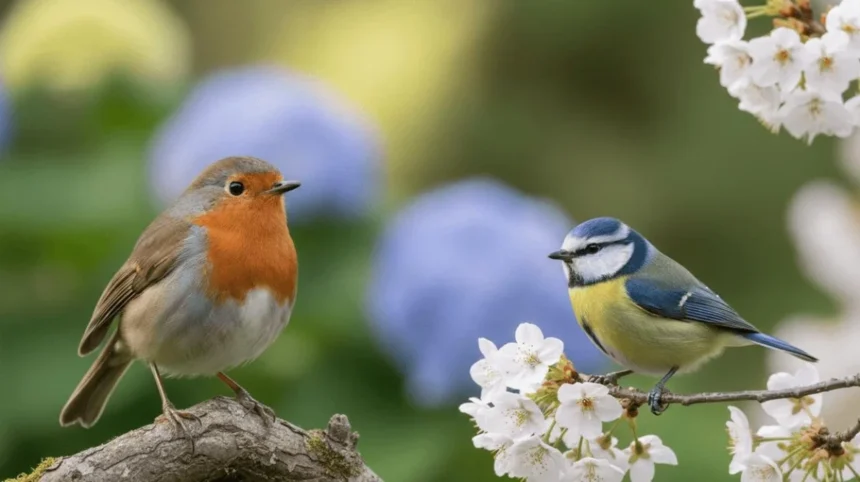
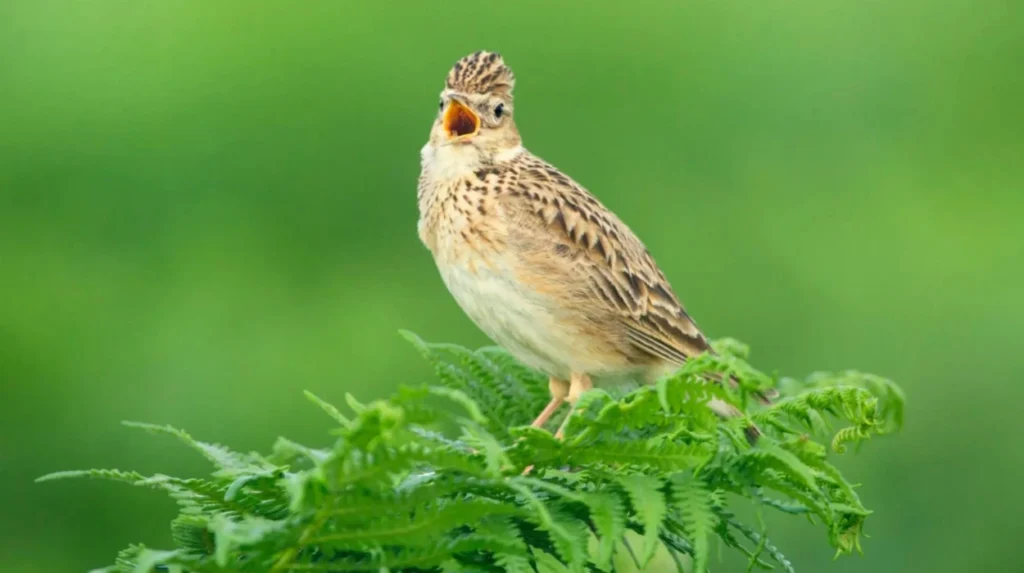
Barnet supports several broad groups of birds, including garden birds such as robins and blue tits, woodland species such as great spotted woodpeckers, open-country birds such as skylarks in suitable habitats, and waterbirds such as mallards. Actual sightings depend on location, season and habitat conditions.
Barnet’s birdlife reflects its position between metropolitan London and the countryside of Hertfordshire. Different birds use different parts of the borough for feeding, nesting and resting. Recognising habitat preferences helps visitors identify likely species without expecting every bird to appear at every site.
Garden and suburban birds
Robins, blue tits, great tits, house sparrows, woodpigeons and blackbirds are familiar residents of London’s gardens and parks. They feed on insects, seeds, berries and other food sources available in residential landscapes.
Robins often forage close to the ground, while blue tits and great tits search leaves and branches for insects. Woodpigeons feed on lawns and other open areas. House sparrows are more closely associated with buildings, gardens and dense shrubs.
Woodland birds
Woodland edges and mature trees attract birds that depend on tree cover for feeding and shelter. Great spotted woodpeckers, nuthatches, treecreepers and various tits are examples of species associated with suitable wooded habitats in southern England.
Woodpeckers are often detected by their drumming or calls. Nuthatches move along trunks and branches, while treecreepers search bark for small invertebrates. Observers should scan tree trunks carefully and listen before approaching.
Birds of grassland and open countryside
Open grassland provides feeding habitat for birds that consume seeds and invertebrates. Depending on the precise site, habitat quality and season, visitors can look for meadow pipits, skylarks and other birds associated with open countryside.
Not every grassland in Barnet supports the same species. Closely mown lawns differ from flower-rich meadows, rough grassland and agricultural fields. Longer vegetation and diverse plant communities provide more feeding opportunities for insects and the birds that depend on them.
Waterbirds and riverside birds
Ponds, lakes and streams attract birds that feed in or beside freshwater. Mallards and grey herons are familiar examples, while moorhens and coots use suitable vegetated ponds and lakes.
Mallards often feed at the water’s edge or paddle across open water. Grey herons stand still while watching for fish and other prey. Moorhens favour waterside vegetation, and coots are recognisable by their dark bodies and white frontal shields.
Seasonal migrants and winter visitors
Some birds appear in Barnet only during particular periods of the year. Migrants use the borough’s green spaces as feeding, breeding or resting habitat, while winter visitors take advantage of food and shelter available during colder months.
Chiffchaffs and blackcaps are examples of seasonal migrants found in suitable habitats across southern England. Redwings and fieldfares visit Britain during the colder season, especially where berries and other food sources are available. Their presence in Barnet varies annually and between individual sites.
When is the best time to go birdwatching in Barnet?
Spring and early summer are excellent seasons for birdwatching in Barnet because many resident birds become more vocal and breeding activity increases. Autumn and winter also provide rewarding sightings, particularly of seasonal visitors, waterbirds and birds gathering around food sources in sheltered green spaces.
Bird activity changes throughout the year according to breeding cycles, migration, daylight and food availability. Choosing the right season helps visitors identify more species and understand their behaviour.
Spring: March to May
Spring brings increased birdsong as many species establish territories and prepare to breed. Woodlands, hedgerows and gardens become particularly active, with robins, tits, blackbirds and seasonal migrants using trees and shrubs.
April and May are productive months for visiting Totteridge Fields and other green spaces with mature hedgerows. The London Wildlife Trust identifies April to July as a recommended visiting period for Totteridge Fields, when its meadows and hedgerows provide important nesting and feeding habitat.
Visitors should avoid approaching nests or entering areas closed for wildlife protection. Observing from established paths reduces disturbance during this sensitive period.
Summer: June to August
Summer provides opportunities to observe adult birds feeding and raising their young. Meadow habitats support insects, which provide food for many breeding birds, while ponds and lakes remain useful places to observe water-associated species.
Early morning is particularly productive during warmer weather. Birds often feed actively before temperatures rise and human activity increases. Carry water, wear suitable footwear and remain on public paths when exploring countryside reserves.
Autumn: September to November
Autumn brings changes in bird distribution as some species leave Britain and others arrive from northern Europe. Hedgerows containing berries attract feeding birds, while trees and scrub provide shelter.
Observers should pay attention to movement within tree canopies and to flocks crossing open ground. Migration is affected by weather conditions, so sightings differ between visits. Recording the date and location of each observation helps build an accurate picture of seasonal birdlife.
Winter: December to February
Winter birdwatching focuses on resident species, visiting birds and feeding activity around accessible food sources. Bare deciduous trees also make birds easier to spot because fewer leaves obstruct the view.
Waterbirds remain useful subjects at suitable lakes and ponds. In open countryside, look for flocks feeding in fields and listen for calls from hedgerows. Cold weather increases the importance of undisturbed feeding and resting areas, so avoid flushing birds from sheltered vegetation.
How do you identify birds in Barnet’s parks and nature reserves?
Bird identification in Barnet relies on four main clues: size and shape, plumage, behaviour and sound. Observers improve accuracy by watching a bird for several seconds, comparing visible features and recording the habitat, date and location before selecting a species identification.
Bird identification means recognising a species from its physical characteristics and behaviour. Binoculars help reveal markings and movement, while a field guide or reputable identification application provides a reference for comparison.
Observe shape, colour and movement
Start by estimating the bird’s size and body shape. A woodpigeon has a heavier body than a robin, while a blue tit is small and agile, frequently moving among branches.
Next, look for distinctive markings. A robin has an orange-red breast, a blue tit has a blue crown and yellow underparts, and a great spotted woodpecker has bold black-and-white markings. Observe the bird’s movement as well as its colour because plumage changes with age, sex and season.
Listen to birdsong and calls
Birdsong provides a useful identification clue when vegetation hides the bird. Robins produce varied, clear phrases, while woodpeckers produce distinctive drumming sounds against tree trunks.
Listen carefully before moving closer. Repeated calls often indicate a bird’s position, and several different calls from one area reveal which habitats support active bird communities.
Record sightings systematically
A simple field notebook or digital record should include the species, date, approximate location and behaviour. For uncertain sightings, describe the visible features instead of recording an unverified species name.
Bird recording also supports conservation. Organisations such as the British Trust for Ornithology collect observations to improve understanding of bird populations, distribution and long-term changes. Local records become more useful when observers provide consistent dates, locations and identification details.
How can you plan a birdwatching walk around Barnet?
A successful Barnet birdwatching walk combines one habitat-rich destination, sufficient observation time and a route suited to your fitness and transport arrangements. Choose a reserve for focused wildlife observation or a longer greenway for varied habitats, and check access information before departure.
Visitors do not need specialist equipment or an entire day to enjoy birdwatching. A short walk through a local nature reserve can produce useful sightings when the observer moves slowly and pays attention to calls, movement and vegetation.
Choose a route that matches your interests
Darlands Nature Reserve offers woodland, wetlands, grassland and a lake across approximately 32 hectares. This habitat diversity makes it suitable for visitors who want to observe different kinds of wildlife during one visit.
Totteridge Fields suits visitors interested in open countryside, hedgerows and meadow habitats. The Dollis Valley Greenwalk provides a longer walking option through connected green spaces, following a route of approximately 10 miles from Moat Mount towards Hampstead Heath.
Allow time for quiet observation
Plan to spend at least 30–60 minutes at a reserve rather than rushing from one end to the other. Pause at the edge of a pond, observe a hedgerow or scan the tree canopy from a suitable viewpoint.
A longer visit helps you notice birds that initially remain hidden. It also allows time to distinguish individual calls and observe feeding behaviour.
Bring practical equipment
Binoculars make distant birds easier to identify. A notebook, mobile phone, suitable walking shoes and weather-appropriate clothing are also useful.
A camera with a zoom lens helps visitors photograph birds without approaching too closely. Keep equipment simple, and prioritise watching the bird over obtaining a photograph.
Check access and transport
Check the relevant council or reserve website for entrances, paths, restrictions and current conditions. Barnet’s parks directory provides information about public green spaces and facilities.
The Dollis Valley Greenwalk is largely flat and uses hard-surfaced paths, although weather conditions can make some sections muddy or icy. The council also provides route guides for planning a visit.
What makes Barnet’s green spaces important for bird conservation?
Barnet’s green spaces support bird conservation by providing food, nesting sites, shelter and movement corridors within a heavily developed urban area. Meadows, woodland, hedgerows, ponds and streams contribute different resources, making habitat diversity essential for maintaining healthy local bird populations.
Bird conservation involves protecting species and maintaining the habitats they depend on for survival and reproduction. In an urban borough, parks and nature reserves provide more than recreational space: they also form part of the wider ecological network.
Why habitat diversity matters
Different birds require different conditions. Waterbirds depend on suitable freshwater habitats, while many woodland species need mature trees, deadwood or dense vegetation. Grassland birds rely on suitable vegetation structure and food availability.
A landscape containing several connected habitat types supports a broader range of ecological needs than a uniformly mown lawn. Hedgerows also provide shelter and feeding opportunities while linking otherwise separated patches of habitat.
How Barnet protects wildlife habitats
Barnet Council’s Parks and Open Spaces Strategy for 2026–2036 identifies biodiversity enhancement, habitat creation and woodland management as priorities. The strategy recognises the contribution of wildflower meadows, ancient woodlands and watercourses to local wildlife.
The borough’s nature conservation network includes Sites of Importance for Nature Conservation, a local designation used to identify sites important for wildlife. This designation informs planning considerations and supports the protection of habitats.
How visitors can reduce disturbance
Responsible birdwatching protects the same wildlife visitors come to see. Keep to public paths, avoid entering nesting areas and never attempt to handle wild birds.
Dogs should remain under control, following local rules and reserve guidance. Visitors should also avoid leaving food waste, playing loud recordings of bird calls or using flash photography close to wildlife.
These simple practices help birds feed, rest and breed without unnecessary interference.
How does Barnet’s history influence its birdwatching locations?
Barnet’s historic countryside, former agricultural fields, mature hedgerows and established parkland help explain the distribution of bird habitats today. These landscapes preserve features that support wildlife, connecting the borough’s rural past with its present role as an important green part of North London.
Barnet’s landscape developed through centuries of farming, settlement and urban expansion. Historic fields, boundary trees and old hedgerows remain visible in parts of the borough, particularly around Totteridge and other areas where open countryside survives.
Totteridge Fields illustrates this connection between history and ecology. According to the London Wildlife Trust, the area’s traditional countryside once supplied hay for London’s horse traffic. Its surviving meadows and hedgerows now provide nesting and feeding sites for birds and other wildlife.
As you explore Barnet’s countryside and historic green spaces, you are crossing landscapes shaped by generations of local activity. Discover the [Insert Anchor Text for Barnet’s History Article Here] to understand how the area’s heritage influenced the green spaces visitors enjoy today.
Historic landscape features are important because they often remain useful to wildlife long after their original purpose has disappeared. Mature trees provide nesting cavities and perches, while hedgerows offer shelter, berries and routes between feeding areas.
Protecting these features supports both local heritage and biodiversity. It also helps visitors understand why some of Barnet’s most rewarding birdwatching locations retain a distinctly rural character despite their position within Greater London.
Explore More Area Guide
Native Trees and Plants in Barnet: A Local Flora Guide
Historic Public Buildings in Barnet: Places to Visit
How can visitors enjoy responsible birdwatching in Barnet?
Responsible birdwatching means observing birds without damaging their habitat or disrupting their behaviour. Visitors should remain on public paths, keep a safe distance from nests, follow reserve regulations, control dogs and take litter home to protect Barnet’s wildlife and natural spaces.
Birdwatching is an accessible outdoor activity for individuals, families and small groups. Its environmental benefits depend on respectful behaviour and an understanding of how human activity affects wildlife.
Follow wildlife-friendly practices
Avoid approaching birds repeatedly to obtain photographs. Birds that stop feeding, call in alarm or repeatedly move away are showing signs of disturbance. Step back and allow them to return to normal behaviour.
Never touch eggs or chicks, and do not attempt to move nests. During breeding season, respect temporary closures and warning signs.
Avoid feeding wild birds in unsuitable ways
Bread and processed foods are not suitable substitutes for a bird’s natural diet. Feeding also concentrates birds in particular places and can increase waste or disease transmission.
Where a site provides specific wildlife-feeding guidance, follow that advice. Otherwise, enjoy observing birds as they forage naturally.
Support local conservation
Visitors can support conservation by reporting wildlife sightings through established recording schemes, joining organised nature walks or volunteering with local environmental groups.
Accurate records help conservation organisations understand where birds occur and how their populations change. Volunteering also helps maintain the habitats that support wildlife across Barnet.
What should you know before visiting Barnet for birdwatching?
Before visiting Barnet for birdwatching, identify your preferred habitat, check access arrangements and prepare for changing British weather. Nature reserves and public parks offer different facilities, so confirm route conditions, opening information and local wildlife guidance before setting out.
Barnet offers options for visitors seeking a short wildlife break as well as walkers planning a longer countryside route. A little preparation improves the experience and helps visitors choose a suitable destination.
For a first visit, Darlands Nature Reserve provides a varied landscape of woodland, wetlands, grassland and lake habitat. Totteridge Fields is suitable for exploring traditional countryside, while the Dollis Valley Greenwalk offers a longer route through connected green spaces.
Visitors with limited time should choose one reserve and explore it slowly. Those planning a full day outdoors should check the length of their route, available transport and opportunities to stop safely along the way.
Barnet’s birdwatching opportunities are not limited to specialist nature reserves. Neighbourhood parks, gardens, tree-lined streets and smaller green spaces also support familiar urban birds. Observing these everyday habitats provides a useful introduction to local wildlife and the relationship between urban development and biodiversity.
Ultimately, the best place to spot birds in Barnet depends on the habitat, season and species you want to observe. By visiting responsibly and returning at different times of the year, you can build a more complete picture of North London’s birdlife.
Where are the best places to spot birds in Barnet?
The best places to spot birds in Barnet include Totteridge Fields, Darlands Lake Nature Reserve, Hadley Green and the Dollis Valley Greenwalk. These locations offer grassland, woodland, wetlands and riverside habitats that support different bird species.