Barnet is one of North London’s important green boroughs for wildlife observation. Its landscape includes traditional meadows, ancient woodland, riverside habitats and managed public parks. These environments support butterflies, wild bees, hoverflies and other insects that transfer pollen between flowers.
- Which places in Barnet are best for seeing butterflies and pollinators?
- Why does Totteridge Fields attract butterflies and bees?
- When is the best time of year to see butterflies in Barnet?
- What can visitors expect in spring?
- Why is summer suitable for meadow wildlife?
- Are butterflies visible in autumn and winter?
- What types of pollinators can you spot in Barnet?
- How do wildflower meadows and woodland habitats support pollinators?
- Why does flowering grassland matter?
- Why are woodland edges and hedgerows important?
- How does less frequent mowing help?
- Which Barnet parks have wildflower areas for pollinator watching?
- How can you plan a butterfly-watching walk in Barnet?
- How can visitors protect butterflies and pollinators in Barnet?
- Which wildlife-watching practices are important?
- How can visitors help pollinators beyond a park visit?
- How does Barnet’s history connect with its butterfly habitats?
- Why is Barnet worth exploring for butterfly and pollinator watching?
Barnet Council reports that approximately one-third of the borough’s total area is green space. Its habitats include ancient woodland, traditional hay meadows and watercourses, creating varied conditions for wildlife.
The best places to begin a pollinator-spotting visit include Totteridge Fields, Oak Hill Wood, Mill Hill Park Nature Reserve and the borough’s flower-rich public spaces. Totteridge Fields stands out for its traditional grassland and documented insect interest, while Oak Hill Wood offers a different setting for observing woodland wildlife.
Which places in Barnet are best for seeing butterflies and pollinators?
Totteridge Fields is a leading destination for butterflies and bees in Barnet, supported by its traditional meadow habitat. Oak Hill Wood, Mill Hill Park Nature Reserve and suitable wildflower areas in public parks provide additional opportunities to observe pollinating insects.
Totteridge Fields
This seven-hectare London Wildlife Trust reserve contains traditional grassland, mature hedgerows and wildflowers. Common knapweed, tufted vetch, selfheal and creeping thistles provide valuable flowering resources for insects. It is the strongest starting point for a dedicated butterfly and bee walk.
Oak Hill Wood
This 10-hectare medieval woodland reserve contains ancient trees and wildflowers. Woodland edges and sunny clearings offer different conditions from open meadows. It is a useful choice for combining a nature walk with observation of flowering plants and woodland wildlife.
Mill Hill Park Nature Reserve
Barnet Council includes Mill Hill Park Nature Reserve among the locations involved in its grassland conservation programme. Check the reserve’s current access arrangements and managed areas before travelling.
Barnet’s managed wildflower areas
Sites including Sunny Hill Park, Hadley Green and Bethune Recreation Ground appear in Barnet Council’s grassland management programme. Flowering areas provide opportunities to look for bees, hoverflies and butterflies when plants are in bloom.
These locations offer different habitats rather than identical wildlife experiences. Meadow reserves are the best starting point for flower-visiting insects. Woodland reserves provide a broader nature experience, while public parks offer accessible options for shorter visits.
Why does Totteridge Fields attract butterflies and bees?
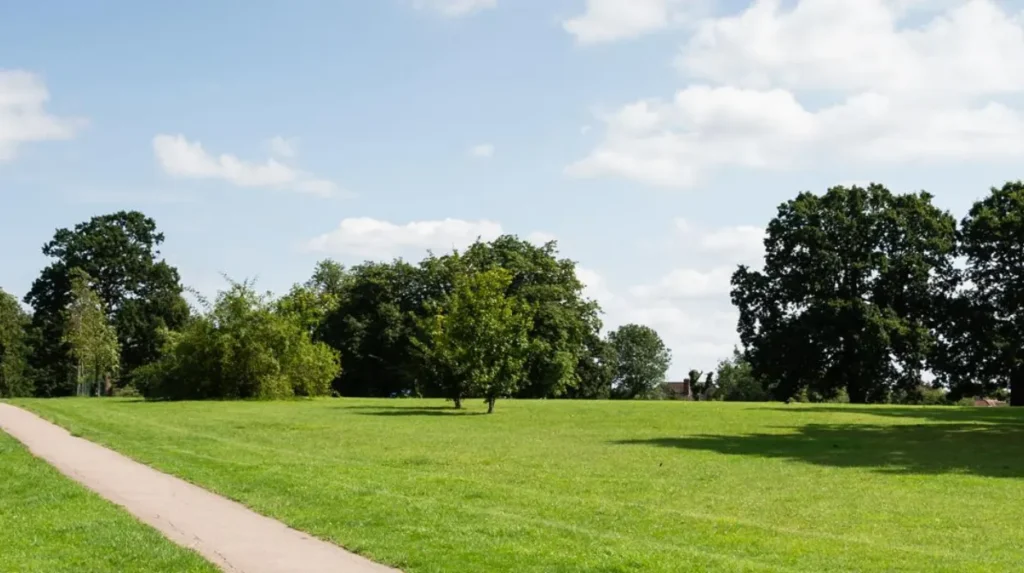
Totteridge Fields attracts pollinating insects because its traditional grassland supports flowering plants, varied vegetation and established hedgerows. The reserve occupies seven hectares beside the Dollis Brook valley, creating a valuable patch of countryside within urban North London.
Totteridge Fields is managed by London Wildlife Trust in partnership with Barnet Council. The reserve forms part of a landscape that retains features of traditional lowland pastoral countryside. These features are important because they provide food, shelter and suitable conditions for many invertebrates.
The reserve’s grassland supports several flowering plants that attract insects during the warmer months.
Which flowers should visitors look for?
Common knapweed produces purple flower heads that attract bees and butterflies. Tufted vetch provides clusters of small flowers, while selfheal and creeping thistles contribute further nectar and pollen resources.
These plants are valuable because pollinating insects require accessible food throughout their active seasons. Different flowers bloom at different times, helping extend the period during which insects find nourishment.
Visitors should observe the flowers along established paths and avoid walking through the grassland. Trampling damages plants and disturbs insects using the vegetation.
How does the reserve’s management support wildlife?
Traditional hay-meadow management maintains grassland that would otherwise become dominated by taller vegetation and scrub. Appropriate cutting schedules allow flowering plants to grow, produce seeds and support insects before the grass is cut.
The reserve’s established hedgerows add further habitat diversity. They provide sheltered edges and connect sections of grassland, giving insects additional places to feed and shelter.
The Dollis Brook valley also contributes to the local landscape. The combination of grassland, hedgerows and a watercourse makes Totteridge Fields a useful place to understand how several habitat features work together.
Visitors seeking a dedicated butterfly walk should prioritise late spring and summer, when meadow plants are flowering and daytime temperatures support insect activity.
When is the best time of year to see butterflies in Barnet?
Late spring and summer are generally the best seasons for butterfly watching in Barnet, especially when wildflowers are blooming and the weather is warm, dry and relatively calm. Spring woodland visits and early autumn walks offer different opportunities to observe flowering plants and insects.
Butterfly activity follows seasonal changes in temperature, daylight and plant growth. Most familiar British butterflies are easiest to observe during the warmer months, although the precise timing differs by species and weather conditions.
What can visitors expect in spring?
From March to May, woodland edges, gardens and sheltered park areas begin to develop fresh vegetation and flowers. Early-emerging butterflies include brimstones and small tortoiseshells, although sightings depend on local conditions and the date of emergence.
Bees also become increasingly active as temperatures rise and flowering plants become available. Visitors should look for insects around blossom, early wildflowers and sheltered sunny areas.
Spring is a useful season for visiting Oak Hill Wood, where woodland flowers provide an additional reason to explore the reserve.
Why is summer suitable for meadow wildlife?
From June to August, grassland plants often produce their richest displays of flowers. Totteridge Fields is particularly relevant during this period because its traditional meadow vegetation supports a range of flowering plants.
Warm, sunny afternoons generally offer better butterfly-watching conditions than cold, wet or windy periods. Butterflies often settle on flowers or warm surfaces, giving visitors time to identify them without disturbing them.
Bees and hoverflies also visit flowering grassland throughout summer. Watching the same patch of flowers for several minutes often reveals different insect species using the same food source.
Are butterflies visible in autumn and winter?
Some butterflies remain active into early autumn, particularly during mild weather. Ivy blossom and late-flowering garden plants provide food for insects that remain active after the main meadow flowering season.
Winter is less productive for adult butterfly sightings because most British species are inactive, overwintering in different life stages or absent as flying adults. Winter visits still provide opportunities to examine habitat structure and identify places likely to flower in spring.
Seasonal planning improves the chances of sightings, but it does not guarantee a particular species will appear.
What types of pollinators can you spot in Barnet?
Barnet’s meadows, woodlands and gardens support several groups of pollinating insects, including butterflies, bumblebees, solitary bees and hoverflies. The species present depend on flowering plants, weather and habitat conditions, so visitors should identify insects from their visible features.
Pollinators transfer pollen between flowers, helping plants reproduce by producing seeds and, in many species, fruit. Butterflies and bees are familiar examples, but flies and other insects also perform this ecological function.
Which butterflies should visitors look for?
Four familiar British butterfly examples to learn about before visiting Barnet are:
- Meadow brown: A grassland butterfly commonly associated with grassy habitats. Look for adults flying low over meadow vegetation.
- Gatekeeper: Often found around hedgerows, brambles and sunny grassland edges during summer.
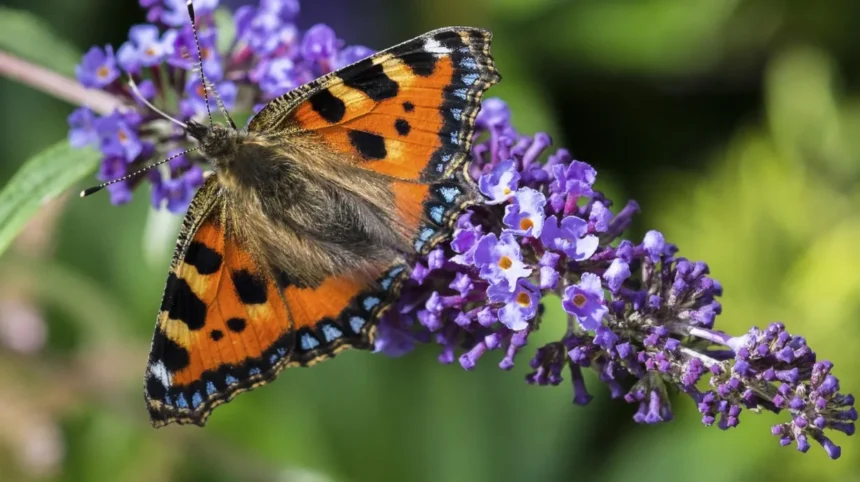
- Small tortoiseshell: An orange, black and yellow butterfly frequently associated with gardens and flowering plants.
- Common blue: A small butterfly with blue colouring in males, often associated with suitable grassland containing its caterpillar food plants.
These are useful identification examples, not a confirmed species inventory for every Barnet reserve. Visitors should consult current local wildlife records when seeking a particular butterfly.
Which bees and other insects visit local flowers?
Bumblebees, solitary bees and hoverflies are valuable groups to look for around flowering plants.
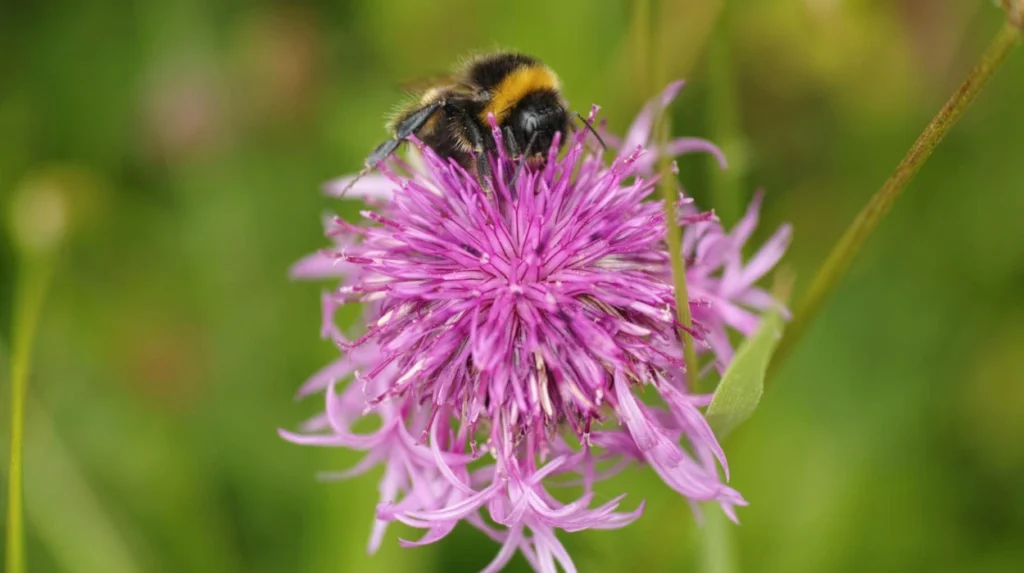
Bumblebees are relatively large, often hairy insects. Their bodies carry pollen as they move between flowers. Solitary bees include many smaller species that nest individually rather than forming large colonies like honeybees.
Hoverflies resemble bees or wasps, but they belong to the fly family. Many hoverflies visit flowers for nectar and pollen. Their ability to hover in one position often makes them easier to observe.
Visitors should avoid identifying an insect from colour alone. Body shape, wing structure, behaviour and markings provide more reliable clues.
How do wildflower meadows and woodland habitats support pollinators?
Wildflower meadows provide nectar, pollen and host plants, while woodland edges supply sheltered feeding areas and varied vegetation. When these habitats connect with gardens and parks, they create a broader network of resources for pollinators across Barnet.
A pollinator habitat is an environment that provides the food, shelter, nesting opportunities and seasonal conditions insects need to survive and reproduce. Different habitats meet these requirements in different ways.
Barnet Council identifies ancient woodland, traditional hay meadow and watercourses among the borough’s important natural habitats. Its biodiversity programme also focuses on improving grassland management and reducing unnecessary mowing.
Why does flowering grassland matter?
Wildflower meadows contain grasses alongside flowering plants. Their value depends on the diversity of plants, the timing of mowing and the availability of flowers throughout the growing season.
Barnet Council reports that flower-rich grassland has declined substantially in England, estimating a 97% reduction over the last century. The council is responding by changing how suitable grassland is maintained.
Its grassland programme includes common knapweed, lady’s bedstraw, oxeye daisy and meadow buttercup among the wildflowers visitors can encounter.
These plants provide different flower shapes and flowering periods. That variation helps accommodate insects with different feeding requirements.
Why are woodland edges and hedgerows important?
Woodland interiors, sunny clearings and woodland edges experience different light and temperature conditions. Some flowering plants thrive in partial shade, while many butterflies prefer warm, sunlit places.
Hedgerows connect feeding areas and provide shelter from wind. Mature trees and decaying wood also support other forms of biodiversity, although not all woodland wildlife depends directly on pollination.
Oak Hill Wood illustrates the importance of preserving established woodland. Its ancient trees and wildflowers provide a distinct habitat from the open grassland at Totteridge Fields.
How does less frequent mowing help?
Frequent mowing removes flowers before they finish blooming and reduces the vegetation available to insects. Less frequent cutting allows selected plants to flower, produce seed and provide food for wildlife.
Barnet Council has participated in the Plantlife No Mow May initiative since 2020. Its wider grassland work includes adjusting cutting frequency and trialling environmental mowing methods at selected sites.
This does not mean every part of a park should remain uncut. Paths, sports areas and formal lawns serve different purposes. Targeted grassland management balances public use with biodiversity.
Which Barnet parks have wildflower areas for pollinator watching?
Barnet’s public parks include grassland areas managed to improve biodiversity, with selected locations receiving less frequent mowing or wildflower enhancement. Sunny Hill Park, Hadley Green and Bethune Recreation Ground are useful starting points for checking local meadow habitats.
The borough’s grassland programme identifies a range of locations where mowing practices are adjusted to support wildlife. The exact management of individual areas changes over time, so visitors should check current council information before planning a dedicated visit.
Examples include:
- Sunny Hill Park, Hendon: A public park with areas included in the council’s grassland management work.
- Hadley Green, Barnet Vale: An open green space included in the borough’s No Mow May locations.
- Bethune Recreation Ground, Friern Barnet: A recreation ground included in the council’s programme to support flowering grassland.
- Lyttelton Playing Fields, Hampstead Garden Suburb: A location where the council identified an environmental mowing trial.
- Mill Hill Park Nature Reserve, Mill Hill: A designated nature reserve included in the borough’s wider grassland enhancement work.
These sites are not all dedicated butterfly reserves. Their suitability depends on the location of flowering areas, the season and current management arrangements.
How can visitors identify the best area within a park?
Look for flowering grassland, native wildflowers, sunny edges and vegetation that has not recently been cut. Bees often concentrate around flowers with abundant nectar or pollen, while butterflies frequently use warm, sheltered sections of grassland.
Remain on paths and observe from the edge of the habitat. This approach reduces disturbance and allows other visitors to use the park safely.
How can you plan a butterfly-watching walk in Barnet?
A successful butterfly-watching walk starts with a flower-rich location, suitable weather and enough time to observe insects without disturbing them. Choose a reserve such as Totteridge Fields, check transport and access, and visit during daylight when butterflies are active.
A short wildlife walk is suitable for visitors exploring North London between other activities. A longer visit provides more time to compare meadow and woodland habitats.
What should you bring?
A small pair of binoculars helps with distant wildlife, although many butterflies are visible without specialist equipment. A camera with a zoom lens records details without requiring close contact.
A notebook or wildlife identification app helps visitors record observations. Write down the date, weather, location, flower type and insect characteristics. These details make later identification easier.
Wear comfortable walking shoes, especially when visiting reserves with unsurfaced paths. Carry drinking water during warm weather and check forecasts before setting out.
How long should you spend at each location?
Allow approximately 45–90 minutes for a relaxed visit to a small reserve, depending on its size and the length of the walking route. A longer outing combining several green spaces requires additional travel time.
At each location, spend time observing a few flowering plants rather than continuously walking. Remaining in one place often reveals insects that are easy to miss while moving.
Check the access details for each destination. London Wildlife Trust notes that Totteridge Fields has unsurfaced footpaths, while Oak Hill Wood has steep slopes and steps in some areas. Oak Hill Wood paths also become muddy in wet weather.
How can visitors protect butterflies and pollinators in Barnet?
Visitors protect pollinators by staying on established paths, leaving flowers intact and avoiding disturbance to nests or caterpillars. Respecting wildlife habitats, following reserve guidance and supporting native flowering plants help maintain the conditions that butterflies, bees and other insects need.
Responsible wildlife watching keeps natural areas suitable for future visits. Small actions reduce damage to fragile vegetation and protect insects during important stages of their life cycles.
Which wildlife-watching practices are important?
Follow these principles during a visit:
- Stay on paths where routes are provided.
- Photograph butterflies without catching or handling them.
- Avoid trampling meadow flowers to reach an insect.
- Never disturb bee nests or remove caterpillars.
- Keep dogs under control and follow site-specific restrictions.
- Take litter home and leave plants where they grow.
These practices are particularly important in nature reserves, where vegetation management supports specific wildlife objectives.
How can visitors help pollinators beyond a park visit?
Planting nectar-rich flowers creates additional feeding opportunities in gardens, balconies and window boxes. Choosing plants with different flowering periods helps provide food across more of the year.
Barnet Council encourages residents to grow native plants and wildflowers, increase greenery and allow suitable areas to grow less intensively. Its nature guidance also highlights the contribution of residents and community groups to local biodiversity.
Residents without gardens can support local initiatives through volunteering and community gardening. The borough’s green-space network connects public parks, neighbourhood planting areas and larger natural habitats.
Explore More Area Guide
Where to Spot Birds in Barnet: Best Birdwatching Locations
Native Trees and Plants in Barnet: A Local Flora Guide
How does Barnet’s history connect with its butterfly habitats?
Barnet’s wildlife habitats reflect a landscape shaped by woodland, agriculture, settlement and modern conservation. Traditional grassland survives in parts of the borough, while contemporary management helps preserve flowering plants and the insects that depend on them.
The borough’s natural landscape includes remnants of older countryside within a heavily developed part of Greater London. Totteridge Fields retains traditional meadow features, including established hedgerows and a valley landscape associated with the Dollis Brook.
Oak Hill Wood offers a different historical perspective through its medieval woodland setting and mature trees. Together, these places demonstrate why conservation involves protecting more than individual plants or insects.
As you explore Barnet’s modern green spaces, you are also crossing landscapes shaped by earlier generations. Read the full [history of Barnet’s ancient woodlands, historic fields and rural landscapes] to understand how the borough’s heritage connects with its remaining natural habitats.
This historical context helps explain the value of preserving traditional landscape features. Old hedgerows, established trees and long-standing grassland management practices provide continuity for wildlife within an urban environment.
Barnet Council’s Parks and Open Spaces Strategy for 2026–2036 sets out a longer-term approach to maintaining accessible green spaces, enhancing biodiversity and responding to environmental pressures.
The future of pollinator habitats depends on continued management, appropriate public access and the protection of flowering vegetation. These measures help retain opportunities for wildlife observation as the borough develops.
Why is Barnet worth exploring for butterfly and pollinator watching?
Barnet offers opportunities to observe pollinators in traditional meadows, woodland reserves and public parks. Totteridge Fields is the strongest starting point for flower-rich grassland, while Oak Hill Wood and selected park habitats provide complementary nature experiences.
The borough’s green spaces demonstrate how wildlife habitats persist within a large urban area. Traditional meadow flowers, mature hedgerows, woodland vegetation and less frequently mown grass all contribute to the local ecological network.
For a first visit, prioritise Totteridge Fields during the warmer months. Explore Oak Hill Wood for woodland scenery and wildflowers, then check Barnet Council’s current grassland programme to identify additional flowering areas.
Arrive during suitable weather, allow time to observe insects carefully and respect reserve boundaries. These simple measures create a rewarding wildlife visit while helping protect the habitats that support Barnet’s butterflies, bees and other pollinators.
Where is the best place to see butterflies in Barnet?
Totteridge Fields is one of the best places to start butterfly watching in Barnet. Its traditional grassland, flowering plants and hedgerows provide suitable habitats for butterflies, bees and other pollinating insects.