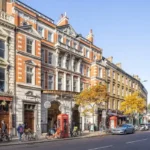
Islington’s local character is best discovered through its historic neighbourhoods, independent markets, traditional pubs, cultural venues, Georgian streets and community spaces. Located in North London, the borough combines centuries of history with contemporary food culture, independent businesses and creative communities.
- What Makes Islington’s Local Character Distinctive?
- A Combination of Historic and Contemporary Environments
- Cultural Diversity and Independent Businesses
- Which Islington Neighbourhoods Best Represent Its Local Identity?
- Angel: Independent Shopping and Traditional Street Markets
- Barnsbury: Georgian Streets and Residential Heritage
- Canonbury: Historic Houses and Leafy Streets
- Highbury: Green Spaces and Football Heritage
- Holloway and Archway: Everyday North London Community Life
- Clerkenwell: Historic Streets and Creative Culture
- Where Can You Experience Islington’s Traditional Market Culture?
- Chapel Market: Traditional Community Shopping
- Camden Passage: Antiques and Independent Retail
- Exmouth Market: Food and Contemporary Local Culture
- Archway and Nag’s Head Markets
- Whitecross Street Market
- Which Historic Streets and Landmarks Reveal Islington’s Past?
- Where Can You Discover Islington’s Arts, Theatre and Creative Communities?
- Sadler’s Wells: International Dance and Performing Arts
- Almeida Theatre: Contemporary Theatre
- King’s Head Theatre: Independent Performance
- Union Chapel: Music and Architectural Heritage
- Islington Museum: Understanding Local Heritage
- Which Local Pubs, Cafés and Independent Restaurants Reflect Islington’s Character?
- Upper Street: Restaurants and Independent Cafés
- Exmouth Market: Independent Food Businesses
- Traditional Pubs and Neighbourhood Social Life
- Independent Coffee Shops and Work-Friendly Spaces
- Where Can You Experience Islington’s Green Spaces and Community Gardens?
- Highbury Fields: Recreation and Community Activity
- Culpeper Community Garden: Urban Gardening
- New River Walk: A Historic Waterway Route
- Regent’s Canal: Walking and Waterside Experiences
- How Can You Discover Islington Through Local Traditions and Community Activities?
- Explore Independent Markets and Meet Local Traders
- Experience Arsenal’s Football Culture
- Attend Local Cultural Events
- Participate in Community Gardening
- How Can Visitors Explore Islington’s Local Character on Foot?
- Barnsbury Local History Walk
- Mildmay Local History Walk
- Clerkenwell Historic Walk
- EC1 Heritage Walk
- A Practical Angel and Islington Walking Route
- What Makes Islington Suitable for Different Types of Visitors?
- For Tourists and Leisure Travellers
- For Residents Seeking Local Activities
- For Digital Nomads and Remote Workers
- For Domestic Business Travellers
- How Does Islington’s Local Character Influence Its Future Development?
- Protecting Historic Buildings and Streets
- Supporting Independent Businesses
- Maintaining Public Green Spaces
- Preserving Cultural Institutions
- What Is the Best Way to Experience Islington’s Authentic Local Character?
Unlike areas defined by a single landmark, Islington has a distinctive identity shaped by several neighbourhoods. Angel offers lively shopping streets and traditional markets. Barnsbury features Georgian architecture and residential garden squares. Canonbury provides quieter streets and historic buildings. Clerkenwell combines medieval heritage with contemporary restaurants and creative businesses. Highbury adds green spaces, football heritage and a strong residential identity.
Understanding these neighbourhoods provides a more complete picture of Islington than visiting its most popular attractions alone. Local markets, independent shops, historic pubs, theatres, walking routes and community gardens reveal how the borough developed and how residents experience it today.
What Makes Islington’s Local Character Distinctive?
Islington’s local character comes from its combination of historic architecture, independent businesses, traditional markets, cultural institutions and diverse residential neighbourhoods. Its identity reflects centuries of urban development, local trade, artistic activity and community life across North London.
Islington is a London borough situated immediately north of the City of London. It extends from Finsbury Park in the north towards Clerkenwell in the south. Its neighbourhoods include Angel, Barnsbury, Canonbury, Highbury, Holloway, Archway, Finsbury Park and Clerkenwell.
The borough’s character is not limited to its buildings. Islington Council defines local character through the relationship between natural and built environments, historical development, land use, economic activity and social influences.
This explains why different parts of Islington have noticeably different identities. Some streets feature Georgian terraces and historic squares, while others contain busy shopping centres, independent restaurants, cultural venues and modern residential developments.
The borough also has a strong connection with London’s wider cultural and commercial development. Its location beside the City of London historically encouraged residential growth, trade, transport connections and employment.
A Combination of Historic and Contemporary Environments
Islington’s streets contain buildings from different periods. Georgian terraces, Victorian commercial properties, twentieth-century housing developments and contemporary architecture exist within the same borough.
The mixture creates a recognisable urban environment. Historic buildings remain part of everyday neighbourhood life rather than functioning exclusively as tourist attractions.
The London Borough of Islington’s urban design guidance identifies areas including Angel, Barnsbury, Canonbury, Highbury, Clerkenwell, Archway and Holloway Road as distinctive character areas.
Cultural Diversity and Independent Businesses
Independent businesses contribute significantly to Islington’s identity. Small restaurants, specialist food shops, bookshops, antique dealers, independent retailers and traditional pubs give individual streets their commercial character.
The borough’s markets also provide affordable shopping opportunities and trading spaces for local businesses. These activities connect residents, visitors, traders and people working in the area.
Which Islington Neighbourhoods Best Represent Its Local Identity?
Angel, Barnsbury, Canonbury, Highbury, Holloway, Archway and Clerkenwell represent different aspects of Islington’s identity. Each neighbourhood offers distinctive architecture, shopping streets, cultural attractions and community environments that reveal the borough’s wider character.
Exploring individual neighbourhoods is one of the most effective ways to understand Islington. Each area has developed around different historical, commercial and residential influences.
Angel: Independent Shopping and Traditional Street Markets
Angel is one of Islington’s best-known neighbourhoods. It combines busy shopping streets, independent restaurants, historic pubs and traditional markets.
Upper Street is the area’s main commercial route. It contains restaurants, fashion shops, cafés, entertainment venues and independent businesses. The street connects Angel with Highbury Corner and provides an accessible introduction to Islington’s contemporary lifestyle.
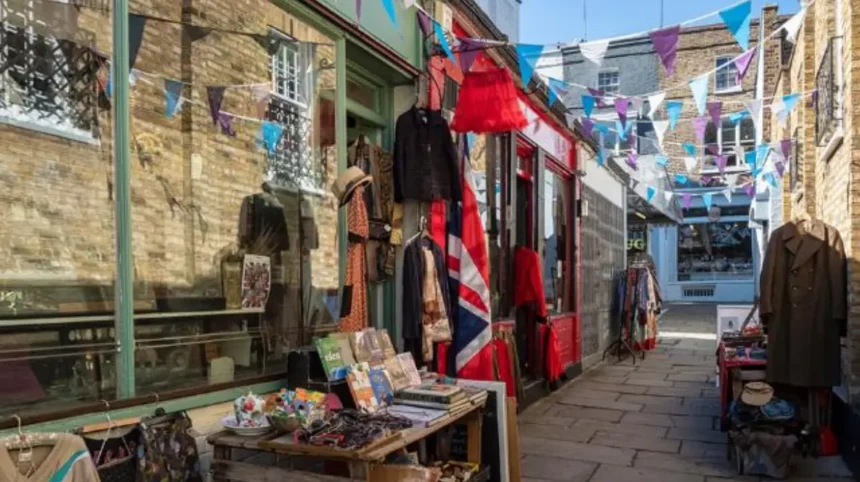
Camden Passage is particularly important to Angel’s independent retail identity. This pedestrianised street contains antique dealers, vintage shops, specialist retailers, cafés and restaurants. Its reputation as an antiques destination dates back to the 1950s.
Chapel Market offers a different experience. It is a traditional street market that has served the local community for more than 150 years. Its traders sell fresh produce, flowers, household goods, gifts and everyday products.
These two markets demonstrate how Angel combines specialist shopping with practical local commerce.
Barnsbury: Georgian Streets and Residential Heritage
Barnsbury is recognised for its Georgian residential architecture, attractive streets and historic garden squares.
The neighbourhood developed during periods of London’s nineteenth-century expansion. Its built environment includes Georgian terraces, residential squares and traditional townhouses.
Barnsbury Square is an important example of the area’s historic residential layout. Its surrounding buildings and landscaped environment reflect the architectural character of this part of Islington.
The neighbourhood also has quieter streets that contrast with Angel’s busy commercial environment. Walking through Barnsbury reveals the residential character that forms an important part of the borough’s identity.
Canonbury: Historic Houses and Leafy Streets
Canonbury offers a quieter residential environment with historic buildings, leafy streets and established community spaces.
Canonbury Tower is one of its best-known historic landmarks. The area also contains attractive residential architecture and streets that preserve elements of Islington’s earlier development.
Canonbury’s character is closely connected with its residential setting. Independent local shops, neighbourhood cafés and green spaces support everyday community activity.
Highbury: Green Spaces and Football Heritage
Highbury combines residential architecture, public green space and sporting heritage.
Highbury Fields is one of the borough’s most recognisable open spaces. Its grass areas, mature trees, walking routes and recreational facilities provide an important public environment for residents and visitors.
The neighbourhood also has a strong connection with Arsenal Football Club. The Emirates Stadium, located in Holloway, is the club’s current home ground. The former Arsenal Stadium site at Highbury has been redeveloped into residential accommodation while retaining elements of its sporting heritage.
This connection makes football an important part of Islington’s wider cultural identity.
Holloway and Archway: Everyday North London Community Life
Holloway and Archway provide an opportunity to experience Islington beyond its best-known visitor streets.
Holloway Road is a major commercial route containing supermarkets, independent retailers, restaurants, cafés and essential local services.
Nag’s Head is an established shopping area within Holloway. Its indoor market provides space for independent traders selling food, clothing, accessories and household products.
Archway has a separate local identity shaped by its transport connections, shops, residential streets and community facilities. Archway Market adds an independent trading environment to the neighbourhood.
Clerkenwell: Historic Streets and Creative Culture
Clerkenwell is one of Islington’s most historically significant neighbourhoods. It combines medieval street patterns, historic religious buildings, former industrial properties and contemporary creative businesses.
Clerkenwell Green is a central historical location. The area developed around religious institutions and later became associated with manufacturing, trade, printing and political activity.
Today, Clerkenwell is also known for design studios, restaurants, independent businesses and creative workplaces.
Its historic streets provide a direct connection between Islington’s earlier development and its contemporary cultural economy.
Where Can You Experience Islington’s Traditional Market Culture?
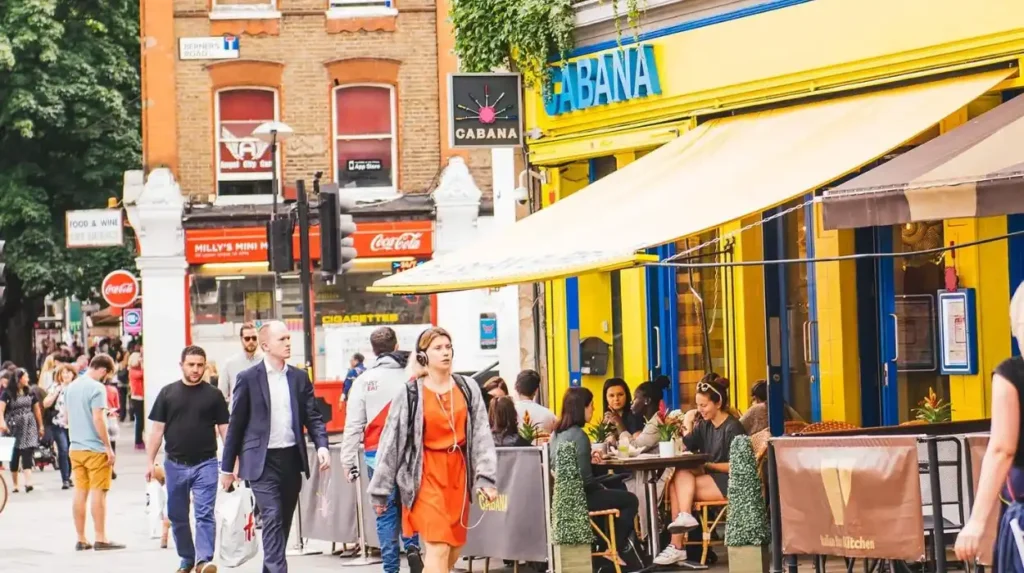
Islington’s traditional market culture is most visible at Chapel Market, Camden Passage, Exmouth Market, Whitecross Street Market, Archway Market and Nag’s Head Market. These destinations combine independent trading, local food, specialist shopping and everyday community activity.
Markets are an important part of Islington’s commercial and social identity. They provide spaces where independent traders interact directly with customers and offer products that reflect local demand.
Islington Council identifies several established markets across the borough, each serving a different shopping and visitor purpose.
Chapel Market: Traditional Community Shopping
Chapel Market is located near Angel station and has served the surrounding community for more than 150 years.
The market was officially recognised in 1879. It offers fresh fruit, vegetables, flowers, household products, gifts and everyday shopping essentials.
The location also has historical commercial importance. Sainsbury’s opened its first Islington store on the corner of Chapel Market in 1882.
The market operates from Tuesday to Sunday, with different opening hours across the week. On Sundays, Islington Farmers’ Market takes place in the same area from 10am to 2pm.
This combination of traditional street trading and specialist food shopping makes Chapel Market an important part of Angel’s identity.
Camden Passage: Antiques and Independent Retail
Camden Passage is a pedestrianised shopping street just off Upper Street.
Its identity is closely associated with antiques, vintage clothing, collectables and specialist independent shops. The market includes three trading areas: Camden Passage itself, Pierrepoint Arcade and Charlton Place.
Wednesday and Saturday are the main market days, with trading generally taking place from approximately 8am to 5pm.
The surrounding cafés and restaurants make the street suitable for combining shopping with a longer neighbourhood visit.
Exmouth Market: Food and Contemporary Local Culture
Exmouth Market is situated in Clerkenwell and is particularly associated with food, cafés and independent restaurants.
The street contains more than 20 designated market pitches, alongside permanent hospitality businesses and specialist shops.
Its lunchtime food stalls attract workers from nearby offices as well as local residents and visitors.
The market demonstrates how traditional trading streets adapt to changing commercial demand while retaining their community function.
Archway and Nag’s Head Markets
Archway Market combines street food, independent traders, vintage products and collectables. Islington Council identifies more than 20 independent local businesses associated with the market.
Nag’s Head Market is an indoor shopping destination in Holloway. It contains independent traders selling food, clothing, accessories and other everyday products.
These markets provide a more neighbourhood-focused experience than the larger tourist-oriented shopping destinations elsewhere in London.
Whitecross Street Market
Whitecross Street Market is located between Old Street and Fortune Street in the southern part of Islington.
It is particularly recognised for street food, clothing, jewellery and household products. Its weekday lunchtime trading makes it relevant to people working in nearby commercial areas.
Together, these markets demonstrate the importance of independent retail and accessible shopping to Islington’s local economy.
Which Historic Streets and Landmarks Reveal Islington’s Past?
Islington’s historical character is visible around Clerkenwell Green, St John’s Gate, Canonbury, Barnsbury Square, Islington Green and the Regent’s Canal. These locations preserve architectural, religious, commercial and transport heritage from different periods of London’s development.
Islington developed from rural settlements and historic villages into an increasingly urban part of London. Its streets preserve evidence of this transformation.
The London Museum identifies the River Fleet, the New River, the Regent’s Canal and historic religious institutions as important influences on the borough’s development.
Islington Green and Upper Street
Islington Green is historically associated with the development of the original village.
By the seventeenth century, settlement had expanded along Upper Street and Lower Road, now known as Essex Road. The area developed around agricultural activity, transport routes and commercial services.
Upper Street subsequently became an important shopping and social route.
Today, its restaurants, independent retailers and entertainment venues maintain its position as one of the borough’s main public streets.
St John’s Gate and Clerkenwell Green
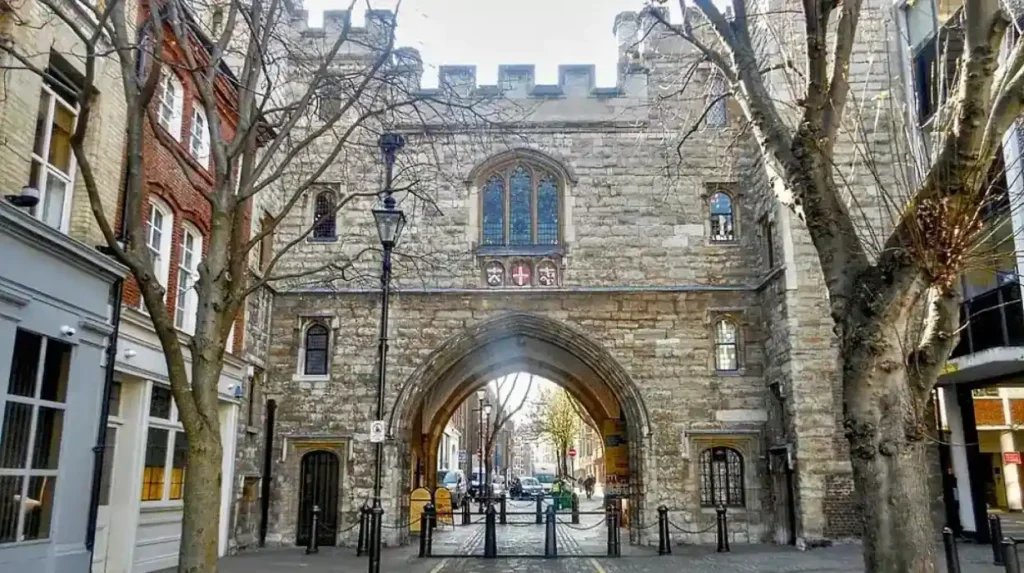
St John’s Gate is a major historic landmark in Clerkenwell. Its gatehouse dates from 1504 and is associated with the medieval history of the Order of St John.
The surrounding area retains connections with religious institutions and historic street patterns.
St John’s Ambulance was launched from an upper room of the gatehouse in 1877, creating another important connection with the development of British voluntary healthcare services.
Clerkenwell Green also has political and social history. Its surroundings reflect the neighbourhood’s historic role in London’s commercial and public life.
The Regent’s Canal
The Regent’s Canal opened in 1820 and connected the Grand Junction Canal at Paddington with the River Thames at Limehouse.
Its arrival transformed transport and commercial connections across North London. Canal infrastructure supported the movement of goods and encouraged industrial development.
Today, the canal is an important recreational route. Walking along its towpaths provides views of historic buildings, residential developments, narrowboats and waterside businesses.
As you explore modern Islington, you are crossing land shaped by centuries of settlement, trade and urban development. Discover the full [History of Islington: From Historic Village to Modern North London Borough] to understand the origins of its neighbourhoods, streets and cultural landmarks.
Where Can You Discover Islington’s Arts, Theatre and Creative Communities?
Islington’s creative character is concentrated around Sadler’s Wells, Almeida Theatre, King’s Head Theatre, Union Chapel, Islington Museum and independent galleries. These institutions support theatre, dance, music, visual arts and local cultural activities throughout the borough.
Arts and entertainment are important parts of Islington’s identity. The borough has a long association with independent theatre, live music, artistic communities and creative industries.
Its cultural venues attract international visitors while maintaining connections with local audiences.
Sadler’s Wells: International Dance and Performing Arts
Sadler’s Wells Theatre is one of London’s major dance and performing arts institutions.
The organisation has a long history in Islington, with origins connected to the mineral springs and entertainment culture of the seventeenth century.
Its programme includes contemporary dance, ballet, international performances and experimental movement productions.
The venue is an important part of Clerkenwell’s cultural identity and attracts audiences interested in professional performing arts.
Almeida Theatre: Contemporary Theatre
Almeida Theatre is a prominent theatre venue near Upper Street.
It is recognised for contemporary productions, new writing and reinterpretations of established plays.
The theatre contributes to Islington’s independent cultural reputation. Its relatively intimate setting creates a different experience from London’s larger commercial theatre venues.
King’s Head Theatre: Independent Performance
King’s Head Theatre has an important place in London’s independent theatre history.
Founded in 1970, it became widely recognised as London’s first pub theatre.
The organisation moved from its original pub-based performance setting into a purpose-built venue at Islington Square, reopening there in January 2024.
Its history demonstrates the role of smaller independent institutions in developing London’s theatre culture.
Union Chapel: Music and Architectural Heritage
Union Chapel is a historic Grade I listed church that also operates as a live music and events venue.
Its Gothic Revival architecture, stained glass and distinctive interior make it an important architectural landmark.
The venue hosts concerts, cultural events and community activities. Its combination of religious heritage and contemporary performance gives it a distinctive place in Islington’s cultural landscape.
Islington Museum: Understanding Local Heritage
Islington Museum provides an introduction to the borough’s social and historical development.
Its collections cover different periods of Islington’s history through objects, exhibitions and archival material.
The museum is particularly useful for understanding how local communities, industries, transport and cultural movements shaped the borough.
It also provides an educational experience for visitors interested in London’s neighbourhood history.
Which Local Pubs, Cafés and Independent Restaurants Reflect Islington’s Character?
Islington’s food and drink culture is visible along Upper Street, Exmouth Market, Camden Passage and surrounding residential streets. Traditional pubs, independent cafés, international restaurants and neighbourhood dining businesses reflect the borough’s diverse communities.
Food businesses are an important part of Islington’s local identity. They create everyday meeting places and support the commercial activity of individual neighbourhoods.
The borough’s hospitality scene includes traditional British pubs, independent coffee shops, international restaurants, bakeries and contemporary dining destinations.
Upper Street: Restaurants and Independent Cafés
Upper Street is one of the main destinations for dining and social activities in Islington.
Its hospitality businesses serve different audiences, including residents, office workers, theatre audiences and tourists.
The street offers international cuisine, casual dining, coffee shops, specialist food businesses and traditional British hospitality.
Its location between Angel and Highbury Corner makes it a convenient starting point for exploring surrounding neighbourhoods.
Exmouth Market: Independent Food Businesses
Exmouth Market has a strong association with independent restaurants and lunchtime street food.
Its permanent restaurants and cafés operate alongside designated market pitches.
The street provides a convenient environment for visitors seeking food while exploring Clerkenwell’s historic buildings and cultural attractions.
Traditional Pubs and Neighbourhood Social Life
Traditional pubs remain important social spaces across Islington.
The King’s Head on Upper Street has a historic connection with independent theatre. The Hemingford Arms in Barnsbury is another recognised neighbourhood pub.
These establishments illustrate the relationship between hospitality, entertainment and local community life.
Independent Coffee Shops and Work-Friendly Spaces
Islington also has a strong café culture. Upper Street, Camden Passage, Exmouth Market and Clerkenwell contain cafés suited to casual meetings and daytime breaks.
For digital nomads and remote workers, these locations offer convenient places to meet colleagues, take breaks and experience local commercial activity.
However, a café is not automatically a suitable workspace. Visitors should check Wi-Fi availability, seating arrangements, power sockets and working policies before planning a long working session.
Dedicated coworking facilities and serviced offices are more appropriate for regular professional work.
Where Can You Experience Islington’s Green Spaces and Community Gardens?
Highbury Fields, Culpeper Community Garden, New River Walk, Regent’s Canal and smaller neighbourhood gardens reveal Islington’s relationship with urban nature. These spaces provide recreation, walking routes, community gardening and opportunities for outdoor relaxation.
Islington is a densely developed inner London borough. Its green spaces therefore have an important environmental and social function.
Public parks provide opportunities for exercise, recreation and informal community interaction. Community gardens also encourage residents to participate in local environmental activities.
Highbury Fields: Recreation and Community Activity
Highbury Fields is one of Islington’s principal public parks.
Its open lawns, mature trees, walking paths and recreational facilities make it a popular outdoor destination.
The park provides space for walking, informal sports, exercise and relaxation.
Its location near Highbury Corner also makes it accessible from surrounding residential areas and transport connections.
Culpeper Community Garden: Urban Gardening
Culpeper Community Garden is a community-managed garden near Angel.
It provides an example of how residents use shared green spaces for gardening, environmental learning and neighbourhood activities.
The garden contains planted areas and places for visitors to enjoy a quieter environment.
Its community-based approach demonstrates how small urban green spaces contribute to local identity.
New River Walk: A Historic Waterway Route
The New River is a historic water supply system developed to transport fresh water into London.
It opened in 1613 and remained an important source of water for the capital for approximately 400 years.
Sections of its historic route provide an opportunity to explore the relationship between infrastructure, urban development and green space.
The New River Walk connects historical interpretation with outdoor recreation.
Regent’s Canal: Walking and Waterside Experiences
The Regent’s Canal provides a different outdoor experience through its towpaths and waterside environment.
Visitors can observe narrowboats, historic bridges, residential developments and canal-related businesses.
It also connects Islington with other parts of London, including Camden and King’s Cross.
The canal is particularly useful for visitors seeking a walking route that combines industrial heritage with contemporary urban life.
How Can You Discover Islington Through Local Traditions and Community Activities?
Local traditions in Islington are experienced through street markets, independent trading, community gardens, football culture, theatre performances and neighbourhood events. These activities connect residents with their surroundings and provide visitors with a more authentic understanding of everyday borough life.
Local character is created through repeated community activities as well as historic landmarks.
Islington’s markets, cultural organisations, sporting institutions and neighbourhood businesses provide opportunities for people to participate in local life.
Explore Independent Markets and Meet Local Traders
Shopping at Chapel Market or Camden Passage provides direct contact with independent businesses.
Visitors can browse specialist products, discover vintage items and purchase fresh produce.
Markets also reveal how local commercial traditions continue to operate alongside supermarkets, online retailers and modern shopping centres.
Experience Arsenal’s Football Culture
Emirates Stadium is an important sporting landmark in Islington.
It is the home ground of Arsenal Football Club and hosts domestic and international football events.
Football culture influences the area’s social activity, hospitality businesses and visitor patterns, particularly on matchdays.
The former Highbury Stadium also remains important to the club’s history and the wider identity of the neighbourhood.
Visitors interested in the club’s heritage can explore stadium tours and museum experiences when available.
Attend Local Cultural Events
Islington’s theatres, music venues and community organisations support a varied programme of cultural activities.
These include live music, theatrical productions, dance performances, exhibitions and community events.
The borough’s cultural calendar changes throughout the year. Checking individual venue programmes and Islington Council’s events information provides the most reliable way to identify current activities.
Participate in Community Gardening
Community gardens provide opportunities to understand local environmental initiatives.
Culpeper Community Garden is an example of a shared space where gardening and neighbourhood participation are connected.
Such spaces show how residents contribute to the appearance and environmental quality of their surroundings.
How Can Visitors Explore Islington’s Local Character on Foot?
Walking is one of the most practical ways to discover Islington’s local character. Routes connecting Angel, Barnsbury, Canonbury, Highbury and Clerkenwell reveal historic buildings, independent markets, public gardens, cultural venues and everyday neighbourhood activity.
Islington has several compact neighbourhoods that are suitable for walking exploration. Visitors can combine historic landmarks with shopping streets, parks and independent hospitality businesses.
The council provides free self-guided local history walking routes through different parts of the borough.
Barnsbury Local History Walk
The Barnsbury history trail covers approximately 2 miles.
Its highlights include:
- Barnsbury Square and its historic gardens.
- Richmond Avenue and its distinctive architectural features.
- West Library Reading Room.
- The former Islington Workhouse.
This route is suitable for visitors interested in residential architecture and nineteenth-century urban development.
Mildmay Local History Walk
The Mildmay route also covers approximately 2 miles.
Its highlights include Newington Green, a historic Jewish burial ground and a Unitarian chapel.
The route provides an opportunity to understand the area’s religious, social and residential heritage.
Clerkenwell Historic Walk
The Clerkenwell historic trail covers approximately 2 miles.
Its main highlights include St John’s Gate, the historic medieval priory area and St John Street.
The route demonstrates how religious institutions, commercial activity and historic transport routes influenced the development of southern Islington.
EC1 Heritage Walk
The EC1 route covers approximately 2.5 miles.
Its highlights include St John’s Gate, Clerks Well, Finsbury Health Centre, the Metropolitan Water Board building and Sadler’s Wells Theatre.
It is particularly useful for visitors interested in architectural development and the relationship between historic and modern urban infrastructure.
A Practical Angel and Islington Walking Route
Visitors can also create an informal neighbourhood walk connecting several well-known locations.
A practical route includes:
- Start at Angel station and explore Islington Green.
- Walk towards Camden Passage to explore independent shops and antique businesses.
- Visit Chapel Market for traditional street trading.
- Continue along Upper Street towards Islington Square.
- Finish with a visit to Highbury Fields.
This route combines shopping, architecture, food and public green space without requiring extensive travel between locations.
What Makes Islington Suitable for Different Types of Visitors?
Islington appeals to tourists, residents, remote workers and domestic business travellers because its neighbourhoods combine shopping, culture, heritage, green spaces and convenient transport. Each visitor group can explore different aspects of its local character.
The borough’s appeal extends beyond conventional sightseeing. Its commercial streets, cultural institutions and public spaces support different visitor requirements.
For Tourists and Leisure Travellers
Tourists can explore several aspects of North London culture without travelling between distant parts of the capital.
Angel provides independent shopping and markets. Clerkenwell offers historic architecture and cultural venues. Highbury provides green spaces and football heritage.
A visitor interested in local experiences can combine these activities into a full-day itinerary.
For Residents Seeking Local Activities
Residents can discover neighbourhood businesses, community gardens, local markets and walking routes.
Regular visits to Chapel Market, Highbury Fields and independent cafés provide opportunities to experience the borough beyond its main commercial streets.
The local history walks also offer an educational way to explore familiar neighbourhoods.
For Digital Nomads and Remote Workers
Islington has a useful combination of cafés, coworking facilities, transport links and informal meeting spaces.
Clerkenwell and Angel are particularly relevant because of their commercial and professional environments.
Remote workers should distinguish between cafés suitable for short working sessions and dedicated coworking facilities offering desks, meeting rooms and professional services.
For Domestic Business Travellers
Business travellers can use their available leisure time to explore the borough’s cultural and commercial destinations.
Exmouth Market is convenient for lunchtime dining, while Upper Street provides evening restaurants and entertainment.
Sadler’s Wells and Almeida Theatre offer cultural activities, subject to their performance schedules.
Explore More Area Guide
Best Places to Visit in Islington | Weekend Guide 2026
How to Explore Islington in One Day: Top Attractions and Itinerary
How Does Islington’s Local Character Influence Its Future Development?
Islington’s future character depends on balancing historic preservation, housing requirements, independent businesses, public spaces and economic development. Its established neighbourhood identities remain important considerations in planning and community investment.
Islington continues to experience development pressures associated with its location close to central London.
Demand for housing, employment space, hospitality businesses and transport infrastructure influences the borough’s built environment.
However, maintaining local distinctiveness remains an important planning consideration.
Protecting Historic Buildings and Streets
Historic buildings and conservation areas contribute to Islington’s architectural identity.
Georgian terraces, Victorian commercial properties, historic churches and former industrial buildings provide evidence of the borough’s development.
Planning decisions must consider the relationship between new construction and existing heritage.
Historic England and Islington Council provide resources for understanding listed buildings, conservation areas and local architectural significance.
Supporting Independent Businesses
Independent retailers and market traders contribute to the economic and cultural character of Islington.
Markets such as Chapel Market, Camden Passage and Exmouth Market provide commercial opportunities for smaller businesses.
Maintaining accessible trading spaces supports local entrepreneurship and preserves the variety of neighbourhood shopping experiences.
Maintaining Public Green Spaces
Parks, community gardens and waterside routes are important in a densely developed borough.
Highbury Fields, Culpeper Community Garden and the Regent’s Canal provide recreational and environmental benefits.
Future development must consider the need for accessible outdoor spaces alongside residential and commercial growth.
Preserving Cultural Institutions
Theatres, galleries, museums and music venues contribute to Islington’s identity as a creative part of London.
Institutions such as Sadler’s Wells, Almeida Theatre and Union Chapel attract visitors while providing cultural opportunities for local communities.
Continued cultural activity helps maintain the borough’s distinctive identity as residential, commercial and creative spaces develop.
What Is the Best Way to Experience Islington’s Authentic Local Character?
The best way to experience Islington is to combine its neighbourhood streets, traditional markets, historic landmarks, independent businesses and cultural venues. Exploring these places on foot provides a broader understanding of its history and contemporary community life.
A meaningful visit does not require concentrating exclusively on major attractions. Everyday neighbourhood environments provide equally useful insights into the borough.
A balanced exploration should include:
- Local shopping: Visit Chapel Market and Camden Passage to discover independent traders and traditional retail.
- Architecture: Explore Barnsbury, Canonbury and Clerkenwell to see historic streets and residential buildings.
- Culture: Visit Sadler’s Wells, Almeida Theatre and Union Chapel for performing arts and music.
- Outdoor activities: Walk through Highbury Fields or follow sections of the Regent’s Canal.
- Food and hospitality: Explore Upper Street and Exmouth Market for independent restaurants and cafés.
- Community life: Discover local gardens, neighbourhood pubs and indoor markets.
The best approach is to explore more than one neighbourhood. Angel demonstrates Islington’s commercial energy, Barnsbury reveals its residential heritage, Clerkenwell illustrates its historic development, and Highbury highlights its sporting and recreational identity.
These different experiences explain why Islington remains one of North London’s distinctive destinations for visitors interested in authentic urban culture.
Islington’s local character is shaped by its historic neighbourhoods, traditional markets, independent businesses, cultural institutions and public spaces. Its identity reflects centuries of development, from the original village around Islington Green to the commercial streets and residential communities of modern North London.
Angel, Barnsbury, Canonbury, Highbury, Holloway, Archway and Clerkenwell each contribute something different to the borough’s identity.
Visitors can discover this character through Camden Passage, Chapel Market, Exmouth Market, historic pubs, theatres, museums, community gardens and walking routes.
For tourists, Islington provides opportunities to experience London’s neighbourhood culture beyond its major sightseeing destinations. For residents and business travellers, its independent businesses, cultural venues and green spaces offer valuable opportunities to explore local life.
The combination of historic preservation, contemporary creativity and community activity continues to define Islington as a distinctive part of North London.
What makes Islington unique in North London?
Islington is known for its Georgian architecture, independent shops, traditional markets, historic pubs, theatres and diverse neighbourhoods. Its combination of historic heritage and contemporary culture gives the borough a distinctive identity.