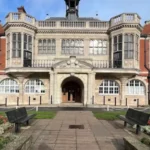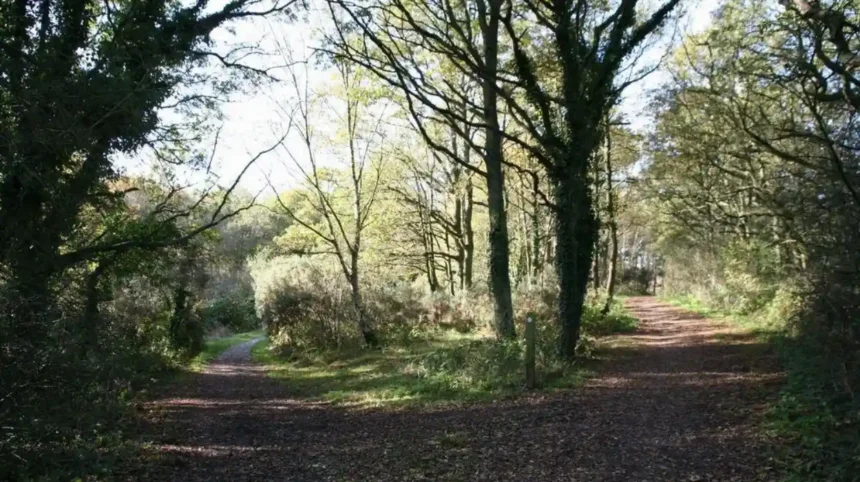
Children in Barnet, North London, can learn about nature through woodland walks, nature reserves, community gardens, wildlife habitats and outdoor education activities. Places such as the Welsh Harp, Trent Park, Scratchwood Open Space and Barnet parks provide opportunities to explore plants, observe birds, identify insects and understand local ecosystems.
- What makes Barnet a good place for children to learn about nature?
- Which nature reserves in Barnet help children discover local wildlife?
- Where can children explore woodland and learn about trees in Barnet?
- Which Barnet parks are suitable for learning about plants, insects and habitats?
- Where can children take part in organised outdoor nature activities near Barnet?
- What can children learn about birds and wetland habitats in North London?
- How can families make a nature walk educational for different age groups?
- When is the best time of year for children to explore nature in Barnet?
- How can families reach Barnet’s nature-learning destinations?
- What should parents pack for an educational nature outing?
- How do nature activities benefit children’s learning and environmental awareness?
- How can visitors combine nature education with other family activities in Barnet?
- How can families find reliable information about nature activities in Barnet?
- Which Barnet nature destination should families choose first?
For families visiting North London, these outdoor locations combine recreation with practical environmental learning. Children experience nature directly rather than relying solely on books or classroom lessons. Parents can organise short nature walks, wildlife observation sessions, seasonal activities and educational day trips around Barnet’s green spaces.
Barnet is a London borough in North London with residential neighbourhoods, historic parkland, woodland and open spaces. Its varied landscapes support outdoor activities for children of different ages. The most suitable destination depends on the child’s interests, walking ability, accessibility requirements and the type of wildlife or habitat they want to explore.
What makes Barnet a good place for children to learn about nature?
Barnet provides children with access to woodland, grassland, ponds, wetlands and managed parkland within North London. These habitats support practical learning about wildlife, plants, seasonal changes and conservation, making local green spaces useful destinations for family outings and informal environmental education.
Nature education helps children understand how living organisms interact with their surroundings. In Barnet, families can introduce these concepts through activities such as watching birds, examining fallen leaves, comparing tree species and observing how insects use different habitats.
Barnet’s green spaces also demonstrate the relationship between urban development and biodiversity. Biodiversity means the variety of living organisms in an environment, including plants, animals, fungi and microorganisms. Parks, gardens and nature reserves provide important habitats within a densely populated urban area.
Children can investigate how trees provide shelter, how flowering plants attract pollinators and how wetlands support birds and other wildlife. These observations introduce ecological concepts without requiring specialist equipment.
Seasonal changes provide further learning opportunities. Spring brings fresh growth and increased bird activity, summer supports flowering plants and insect observation, autumn provides opportunities to study seeds and falling leaves, and winter encourages children to examine evergreen plants and look for birds in bare trees.
Parents should explain that wild animals need space and should be observed without disturbance. Children should avoid feeding wildlife, picking protected plants or entering restricted areas. These simple practices introduce responsible behaviour towards the natural environment.
Which nature reserves in Barnet help children discover local wildlife?
Nature reserves provide protected or managed habitats where children can observe wildlife and investigate ecological relationships. Scratchwood Open Space and the Welsh Harp offer different outdoor environments for exploring birds, plants and habitats, although facilities, paths and wildlife visibility vary by location and season.
Nature reserves and designated wildlife areas offer opportunities to understand how different species depend on particular environments. Families should check current access information and site guidance before travelling, particularly when visiting areas with uneven paths or sensitive habitats.
Scratchwood Open Space
Scratchwood Open Space is a green area in the north-western part of Barnet, close to the borough’s boundary with Hertfordshire. Its woodland and open habitats provide opportunities to examine trees, ground vegetation and seasonal changes in the landscape.
Children can compare the shapes of leaves, notice differences between mature trees and younger growth, and look for signs of animal activity. Fallen leaves, seed cases and naturally occurring woodland features provide useful material for observation without removing anything from the site.
A simple woodland investigation involves asking children to record three different leaf shapes, identify changes in light beneath the trees and listen for bird calls. For younger children, this activity develops attention and vocabulary. Older children can use a notebook to record habitat differences and discuss why particular plants grow in particular places.
Families should check local access information before visiting. Woodland routes can become muddy after rainfall, and not every path is suitable for pushchairs or wheelchairs.
Welsh Harp and the Brent Reservoir
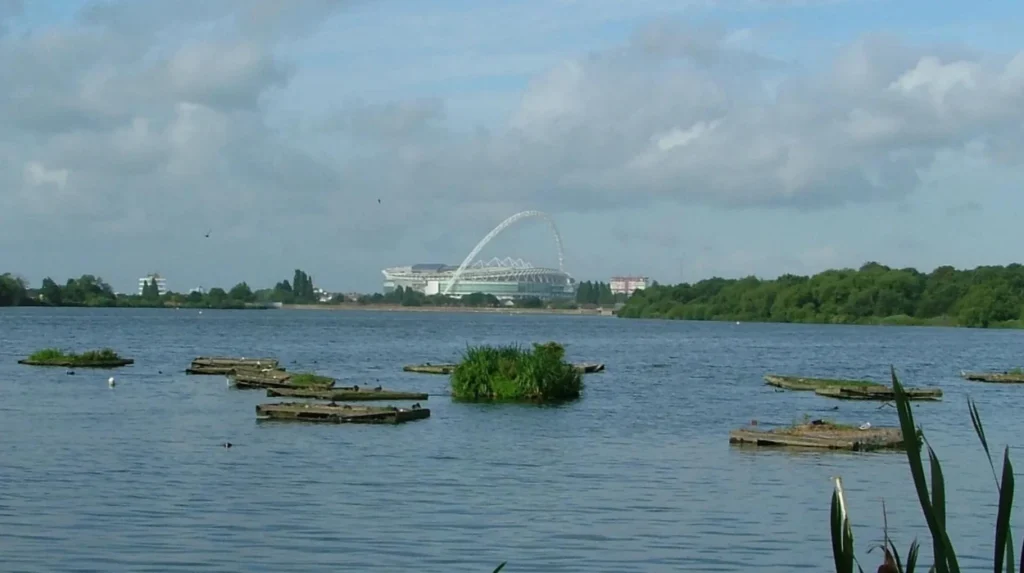
The Welsh Harp, also known as the Brent Reservoir, is a large reservoir and wildlife area on the boundary between the London boroughs of Barnet and Brent. Its open water and surrounding habitats support birdlife and provide a setting for learning about freshwater environments.
Children can observe the differences between birds swimming on open water and birds feeding near the shoreline. They can also investigate how water, vegetation and sheltered areas contribute to wildlife habitats.
The site is particularly useful for introducing bird identification. Children can compare body shapes, beak sizes, movement and feeding behaviour. Binoculars improve observation from a distance, but they are not essential for a basic nature walk.
The reservoir has open water, so children need close adult supervision around its edges. Families should follow designated paths and avoid entering restricted areas. The Welsh Harp is a shared recreational landscape, so wildlife observation should not interfere with other visitors or disturb birds.
Where can children explore woodland and learn about trees in Barnet?
Woodland and mature parkland help children investigate tree identification, habitats, soil and seasonal change. Trent Park and Scratchwood Open Space provide settings for exploring these subjects through supervised walks, leaf observations, birdwatching and simple field activities suitable for different ages.
Woodland education introduces children to the structure and function of trees. They can learn to distinguish broadleaf trees, such as oak and beech, from conifers, which commonly have needle-like or scale-like leaves.
Trent Park
Trent Park is a large historic park in the neighbouring London Borough of Enfield, close to Barnet. Its parkland, woodland and open landscapes make it a useful option for families exploring nature across North London.
Children can investigate how habitats change between wooded areas and open grassland. Beneath trees, they can observe shade, fallen leaves and decaying plant material. In open areas, they can compare grass growth, flowering plants and the insects attracted to them.
A tree-identification activity works well during a visit. Children can examine leaf shape, bark texture and the overall form of trees without damaging them. Older children can record observations and use a field guide to identify common species.
Trent Park also provides an opportunity to connect environmental education with local history. Its historic landscape demonstrates how land use changes over time. Families researching the site’s past can explore a dedicated [Trent Park history and heritage guide] to understand how its landscape developed.
The park is outside Barnet’s administrative boundary, so visitors should treat it as a nearby North London alternative rather than a Barnet-managed destination. Check current visitor information for access, facilities and any temporary restrictions.
How can a woodland walk become an educational activity?
A woodland walk becomes an educational activity when children follow a clear observation task instead of simply walking between destinations. Families can ask children to identify leaf shapes, compare shaded and sunny areas, listen for birds and record evidence of seasonal change.
The activity should suit the child’s age. Younger children benefit from matching leaves to pictures and identifying colours. Older children can compare habitats, sketch plants and explain how environmental conditions influence wildlife.
Parents should avoid encouraging children to handle unknown fungi, berries or insects. Some plants and fungi are toxic, while wildlife handling can harm animals and expose children to bites or irritants. Observation from a safe distance is sufficient for meaningful learning.
Which Barnet parks are suitable for learning about plants, insects and habitats?
Barnet’s public parks and open spaces give children practical ways to study plants, insects and local habitats. Families can use everyday park features, including flowerbeds, lawns, mature trees and ponds where present, to explore biodiversity through simple observation and nature-based activities.
Barnet Council manages a network of parks and open spaces that includes formal gardens, wild landscapes, woodland and green corridors. These environments provide accessible starting points for families who want outdoor educational activities without planning a full-day excursion.
Children can learn that a habitat is a place where an organism lives and obtains the resources it needs. A flowerbed, for example, provides food for pollinating insects, while mature trees offer nesting and shelter opportunities for birds.
A park visit can follow a simple investigation. Children can compare plants growing in sunny and shaded places, look for insects visiting flowers and observe how fallen leaves contribute to the ground layer. The purpose is to identify relationships between living things and their surroundings.
Parents should choose areas where observation does not interfere with park maintenance or wildlife. Children should remain on permitted paths, avoid trampling flowerbeds and leave plants in place.
How can children learn about pollinators?
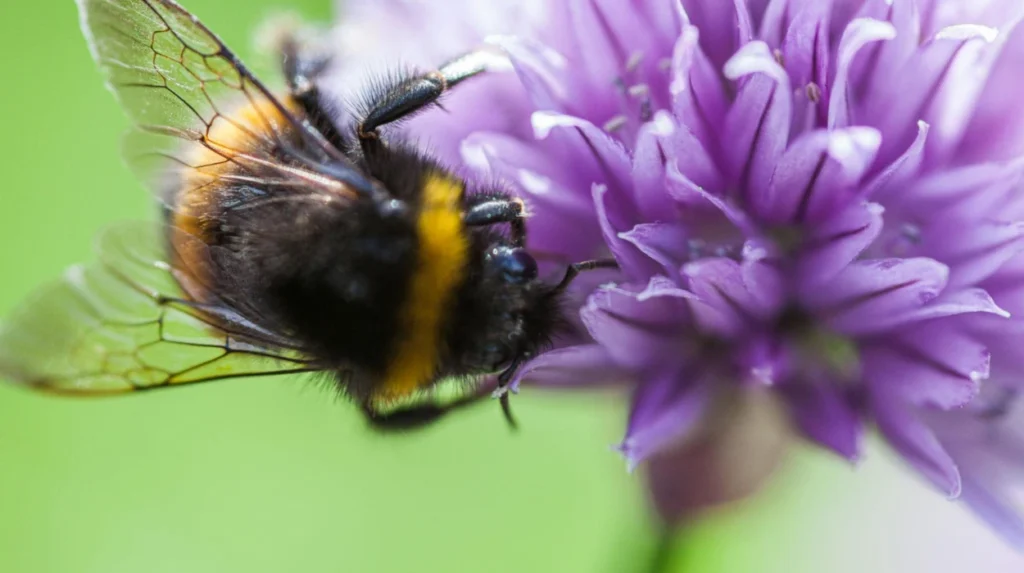
Pollinators are animals that transfer pollen between flowers, helping many plants reproduce. Bees, butterflies, hoverflies and some other insects perform this function.
Children can watch insects visiting flowers and record which plants attract the most activity. They can compare flower colours, shapes and the number of insects observed during a short, timed session. The results introduce basic scientific methods, including observation, recording and comparison.
The UK-wide Big Butterfly Count, organised by Butterfly Conservation, is another useful educational resource. Families can check the current survey dates, identification guides and participation instructions on the organisation’s official website. The activity introduces children to butterfly identification and the importance of recording wildlife observations consistently.
Where can children take part in organised outdoor nature activities near Barnet?
Organised outdoor activities provide structured learning through guided walks, environmental workshops and practical conservation tasks. Families should check local council announcements, nature-group programmes and outdoor education providers for current sessions, age limits, booking requirements and any charges before arranging a visit.
Independent exploration works well for short outings, but organised activities provide additional guidance. A trained leader helps children identify species, understand habitats and follow safe outdoor practices.
Moat Mount Outdoor Activity Centre
Moat Mount Open Space is a woodland and nature area in Mill Hill, Barnet. Barnet Council identifies the site as part of the borough’s largest woodland area alongside Scratchwood. The council also describes an outdoor activity centre associated with orienteering, adventure courses, camping and a permanent aerial runway.
Orienteering is an outdoor navigation activity in which participants use a map and checkpoints to find a route. For children, it develops map-reading, direction-finding and observation skills. When delivered in a woodland setting, it also encourages participants to notice paths, vegetation and changes in the landscape.
Families should distinguish the open space from the organised activity centre. Access to woodland does not automatically include admission to supervised activities, camping or adventure facilities. Contact the centre’s operator, Friends of Moat Mount Camp Site, to confirm available sessions, age restrictions, prices and booking arrangements.
Scratchwood and Moat Mount are separated by the A1. Families should use the designated crossing arrangements and never attempt to cross the carriageway directly.
Welsh Harp Environmental Education Centre
The Welsh Harp Environmental Education Centre provides a particularly relevant option for families interested in wetland ecology and wildlife. The centre is associated with the Brent Reservoir area, which supports conservation and outdoor education.
Before travelling, contact the centre to establish whether it offers a suitable public session, school-holiday activity or family event. Confirm the age range, booking procedure and whether the session includes guided wildlife observation.
This distinction matters because a nature education centre is not necessarily open for unrestricted drop-in visits. Checking arrangements in advance helps families choose an activity appropriate to their children’s ages and interests.
What can children learn about birds and wetland habitats in North London?
Wetland environments teach children how water, vegetation and wildlife interact. At Brent Reservoir, also known as the Welsh Harp, families can observe waterbirds, compare shoreline habitats and discuss conservation. The reservoir is a designated Site of Special Scientific Interest.
A Site of Special Scientific Interest, or SSSI, is an area designated for its special wildlife, geological or physiographical features. The Welsh Harp is recognised for the importance of its open water and associated habitats, which support a diverse selection of wetland birds and plants.
This makes the reservoir a valuable place to explain why certain natural environments receive special protection. Children can learn that wetlands provide feeding, sheltering and breeding areas for wildlife and that changes in water quality or vegetation affect these habitats.
The Canal & River Trust describes floating ecosystems installed at Brent Reservoir in 2022 to provide nesting habitat for birds and improve water quality. The project received £55,000 from the Mayor of London’s Grow Back Greener Fund.
This example helps children understand how conservation projects address environmental challenges. Artificial floating habitats provide additional nesting opportunities, while improvements to water quality benefit the wider ecosystem.
A family birdwatching session can use four simple steps:
- Observe birds from a suitable distance without approaching nests.
- Compare body size, colour, beak shape and swimming behaviour.
- Record the number of birds visible during a short observation period.
- Discuss why different birds use open water, vegetation and sheltered shorelines.
Children should never enter the reservoir or attempt to reach floating habitats. Open water and strong currents present serious hazards. Birdwatching belongs on safe, permitted paths and designated viewing areas.
How can families make a nature walk educational for different age groups?
A successful educational nature walk uses short, age-appropriate tasks that encourage children to observe, record and discuss the environment. Younger children benefit from simple identification games, while older children gain more from field notes, habitat comparisons, wildlife surveys and guided conservation activities.
Nature learning does not require expensive equipment. A notebook, pencil and child-friendly identification guide provide enough resources for many outdoor investigations.
Activities for younger children
Children in the early years benefit from activities involving shapes, colours, textures and sounds. Parents can ask them to identify a large tree, find a fallen leaf, listen for a bird or count flowers within a clearly defined area.
These tasks develop observation skills and introduce environmental vocabulary. Adults should explain the difference between observing a plant and damaging it. Children should also learn to leave insects, nests and other wildlife undisturbed.
Activities for primary-school children
Primary-school pupils can undertake short investigations with a defined question. For example, they can compare the number of insects visiting two flower patches or record the differences between plants growing in shade and sunlight.
Children can organise observations into categories and discuss possible explanations. They should understand that a single visit provides a snapshot rather than proof of a long-term ecological pattern.
Activities for older children
Older children can use a field notebook to document habitats, sketch leaves, identify common bird species and compare environmental conditions between locations.
They can also research why ancient woodland is important, how wetlands support biodiversity and why conservation organisations monitor wildlife populations. These activities connect outdoor experiences with science, geography and environmental studies.
When is the best time of year for children to explore nature in Barnet?
Spring and summer offer opportunities to observe flowering plants, pollinating insects and active birdlife, while autumn provides opportunities to study seeds, leaves and seasonal change. Winter walks focus on evergreen plants, tree structure and bird observation, with activities adapted to weather and daylight.
Each season introduces different aspects of the natural environment. Families who revisit the same park throughout the year help children recognise that habitats change over time.
Spring is suitable for identifying woodland flowers and observing new plant growth. Scratchwood’s ancient woodland includes oak and hornbeam, and Barnet Council highlights spring flowers such as bluebells and wood anemones.
Summer supports pollinator observation and longer outdoor sessions. Children can compare the insects visiting different flowers and discuss the role of plants in providing food for wildlife.
Autumn introduces seed dispersal, falling leaves and decomposition. Children can investigate how wind moves seeds, how leaves change colour and how dead plant material becomes part of the woodland floor.
Winter offers opportunities to study tree shapes, bark and evergreen foliage. Bare branches also make some birds easier to see, although weather and seasonal movements influence which species appear.
Families should check daylight hours and local conditions before setting out. Wet woodland paths, cold weather and reduced visibility affect the suitability of routes for young children.
How can families reach Barnet’s nature-learning destinations?
Families can reach Barnet’s nature areas using a combination of public transport, walking and, where available, car parking. The best route depends on the destination, starting point, children’s mobility and current transport services. Check council information before travelling.
Barnet’s green spaces are spread across a large borough, so families should plan travel around a specific destination rather than assume every nature site sits within walking distance of a town centre.
Scratchwood Open Space is listed by Barnet Council at Barnet Way, on the A1 Northbound, in Mill Hill, NW7. Moat Mount Open Space is listed on the A1 Southbound, in Mill Hill, EN5. The council provides location and site information for both destinations.
The Welsh Harp Environmental Education Centre is associated with Birchen Grove, London NW9 8RY. Brent Council also lists parking at designated Welsh Harp Open Space car parks, including locations at Cool Oak Lane and Neasden Recreation Ground. Parking availability should be confirmed before departure.
For a family day trip, check the route, walking distance, toilets, refreshment facilities and accessibility before leaving home. A short circular walk with several observation stops is generally easier to manage with younger children than an unplanned long-distance route.
Visitors relying on public transport should check live journey information and the walking route between the stop and the entrance. Families travelling with pushchairs should confirm path conditions and access arrangements, especially at woodland sites.
What should parents pack for an educational nature outing?
Parents should pack weather-appropriate clothing, comfortable footwear, drinking water, a small notebook and suitable wildlife identification resources. Binoculars are useful for birdwatching, while a charged phone helps with navigation. Equipment should support observation without disturbing animals or damaging plants.
Preparation helps children concentrate on the activity instead of becoming uncomfortable during the walk.
Useful items include:
- Waterproof jackets and suitable footwear for muddy paths.
- Drinking water and snacks for longer visits.
- A notebook and pencils for recording observations.
- A printed or digital guide to common British plants, birds or butterflies.
- Binoculars for observing wildlife from a safe distance.
- A small first-aid kit and a charged mobile phone.
Parents should check whether the site has toilets, drinking-water facilities or a café. Facilities vary between open spaces and managed visitor attractions, so families should not assume that every woodland entrance has visitor amenities.
Children should not collect wildflowers, disturb nests, handle unknown fungi or take wildlife home. Photographs, drawings and written observations provide useful records without removing anything from the habitat.
How do nature activities benefit children’s learning and environmental awareness?
Nature activities support practical learning by encouraging children to observe, compare, ask questions and record evidence. Outdoor experiences introduce biodiversity, habitats, seasonal change and conservation while helping children connect classroom subjects with the natural environments found across Barnet and neighbouring North London.
Outdoor nature education connects several areas of learning. Identifying leaves introduces classification, counting birds develops numeracy, recording observations supports scientific thinking, and reading a park map develops geographical awareness.
Children also learn that wildlife depends on suitable habitats. A bird needs food, water, shelter and appropriate places to nest. A pollinating insect depends on suitable food sources and conditions for survival. These relationships help explain why protecting one part of an ecosystem often benefits other species.
The Welsh Harp illustrates the role of wetland conservation, while Scratchwood demonstrates the value of woodland habitats. Moat Mount adds opportunities for combining outdoor learning with navigation and supervised physical activities.
Repeated visits provide further educational value. When children return to the same location in different seasons, they can compare their notes and identify changes in vegetation, wildlife activity and weather conditions.
Parents should encourage questions rather than expect children to identify every species correctly. The learning objective is to develop curiosity, careful observation and respect for living things.
How can visitors combine nature education with other family activities in Barnet?
Families can combine a nature walk with a picnic, a visit to a nearby park or a supervised outdoor activity. Planning around one main nature destination keeps the outing manageable and leaves time for children to observe wildlife rather than rushing between attractions.
Barnet’s parks include formal gardens, open landscapes and spaces for recreation. Families can use the council’s parks directory to identify locations with suitable facilities and plan a visit around their children’s interests.
A half-day itinerary can focus on Scratchwood Open Space, with a short woodland walk, leaf observations and a wildlife notebook activity. Another option is to visit the Welsh Harp for birdwatching and a discussion about wetlands, subject to checking access and any centre bookings.
Families seeking a more active experience can investigate the organised activities associated with Moat Mount Outdoor Activity Centre. Confirm the programme in advance rather than assuming that every activity is available on the day.
A practical itinerary includes time for breaks, refreshments and unstructured play. Children benefit from opportunities to explore at their own pace, provided they remain within safe, permitted areas and follow adult supervision.
Explore More Area Guide
Which Shopping Areas in Barnet Have the Strongest Local Character?
Shopping in Barnet: History, High Streets and Retail Trends
How can families find reliable information about nature activities in Barnet?
Official council pages, conservation organisations and established environmental education providers offer the most reliable starting points for planning nature activities. Families should verify current opening arrangements, event dates, accessibility, fees and booking requirements directly with the relevant site or organiser.
Barnet Council’s parks and open spaces directory provides information about local green spaces, including Scratchwood and Moat Mount. Brent Council publishes information about the Welsh Harp, its facilities and the environmental education centre.
The Canal & River Trust provides information about Brent Reservoir’s wildlife and conservation projects. The Welsh Harp Conservation Group is another relevant source for understanding the site’s wildlife and conservation work.
For historical context, Historic England documents the heritage of Trent Park, a neighbouring North London destination with historic parkland and woodland. Its records explain how the landscape developed from the former Enfield Chase hunting grounds into a historic estate and public park.
Families should distinguish general site access from organised educational provision. A publicly accessible park does not automatically offer guided activities, and event schedules change. Checking directly with organisers ensures that the planned experience suits the children’s ages, abilities and interests.
Which Barnet nature destination should families choose first?
Scratchwood is a strong starting point for woodland learning, the Welsh Harp suits families interested in wetland wildlife, and Moat Mount combines woodland exploration with organised outdoor activities. The best choice depends on the habitat, supervision and facilities required.
For families who want to introduce children to trees, woodland flowers and habitat differences, Scratchwood Open Space provides a relevant starting point. Its marked 1 km walking route offers a defined distance for a short nature outing.
For children interested in birds and water habitats, the Welsh Harp offers opportunities to observe wetland wildlife and learn about conservation. The environmental education centre provides an additional route to structured learning, subject to confirming its current programme.
Moat Mount is worth considering when the family wants woodland exploration alongside an organised outdoor activity. Families should check the operator’s arrangements before booking or travelling specifically for an activity.
Barnet’s natural spaces make environmental learning accessible to families who want an educational outdoor experience in North London. By choosing a suitable location, preparing a simple observation activity and respecting wildlife, parents can turn an ordinary walk into a practical introduction to biodiversity, habitats and conservation.
Where can children learn about nature in Barnet?
Children can learn about nature at Scratchwood Open Space, Moat Mount Open Space and nearby Welsh Harp Reservoir. These locations offer opportunities to explore woodland, observe wildlife, identify plants and understand local habitats.