Shopping in Barnet has evolved from a traditional market-town economy into a mixed retail environment combining independent businesses, national retailers, supermarkets, local services and online shopping. Barnet is a borough in North London, while Chipping Barnet and High Barnet are important local shopping areas with their own commercial histories. Understanding these distinctions explains how retail has changed across the wider area.
- What Was Shopping in Barnet Like in the Past?
- How Did Barnet Market Influence Local Shopping?
- How Did Barnet High Street Change During the Eighteenth and Nineteenth Centuries?
- How Did Public Transport and Suburban Growth Transform Shopping in Barnet?
- When Did Modern Shopping Centres Become Part of Barnet’s Retail Landscape?
- How Did Supermarkets and National Retail Chains Change Shopping Habits in Barnet?
- How Has Brent Cross Changed the Shopping Experience in Barnet?
- How Have Independent Shops and Traditional Markets Adapted to Modern Shopping?
- How Has Online Shopping Changed Consumer Behaviour in Barnet?
- Why Do Barnet’s Different Town Centres Offer Different Shopping Experiences?
- How Have Recent Economic Changes Affected Shopping in Barnet?
- What Can Visitors Learn from Barnet’s Shopping History Today?
- What Does the Future Hold for Shopping in Barnet?
The transformation reflects changes in transport, population, household spending, technology and consumer expectations. Historic streets continue to provide a setting for local businesses, while modern shopping habits increasingly combine physical visits with digital research, home delivery and online purchases.
Shopping in Barnet is therefore not simply a story of shops opening and closing. It is a broader account of how a historic settlement adapted to suburban growth, changing retail formats and the demands of contemporary consumers.
What Was Shopping in Barnet Like in the Past?
Shopping in historic Barnet centred on markets, local traders, inns and shops serving residents, travellers and surrounding communities. Chipping Barnet developed as a market town on an important route north from London, connecting commercial activity with transport, agriculture and regional trade.
Chipping Barnet’s commercial identity developed around its historic high street and market tradition. Its position on the Great North Road, an important route connecting London with northern England, brought travellers, traders and other visitors through the settlement.
Markets provided a place to exchange agricultural produce, livestock and everyday goods. Small retailers served the needs of local households, while inns and other businesses supplied travellers using the road. This combination of local demand and passing trade supported Barnet’s historic commercial economy.
Shopping was more closely connected to face-to-face transactions than it is today. Customers visited individual traders, compared the goods available in person and relied on established relationships with shopkeepers. Food, household necessities, clothing and services formed important parts of everyday retail.
The historic market-town structure established a commercial centre that remained relevant as Barnet expanded. Although the products sold and the methods of payment have changed, the high street continues to connect shopping with the area’s wider civic and social life.
How Did Barnet Market Influence Local Shopping?
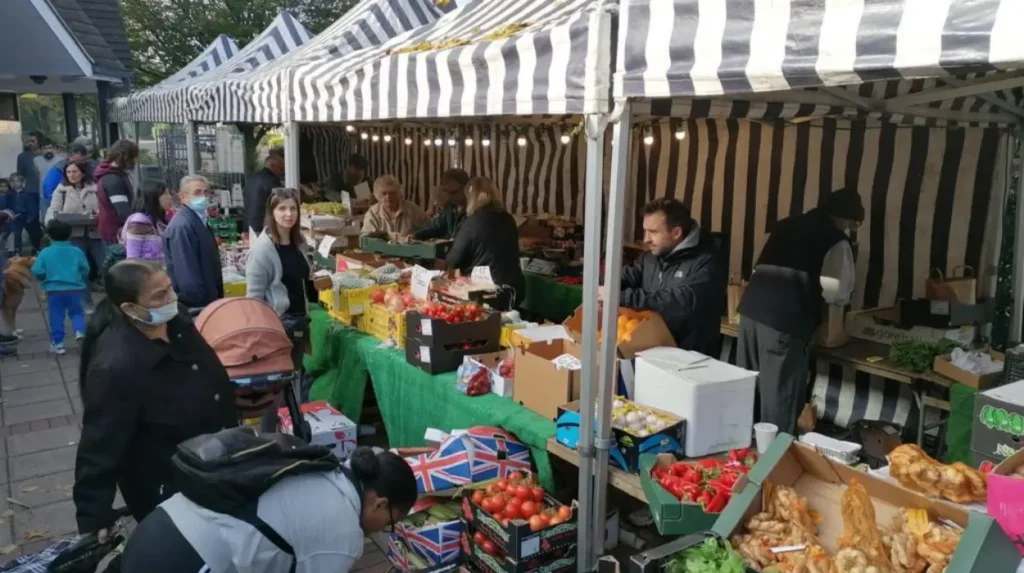
Barnet Market helped establish Chipping Barnet as a recognised commercial destination by bringing traders and customers together around a regular marketplace. Its market charter dates to 1199, and the continuing market tradition connects present-day shopping with Barnet’s medieval commercial origins.
King John granted a market charter for Barnet in 1199. The market supported exchanges between local communities, farmers and merchants travelling along the main road between London and settlements further north.
The marketplace offered a practical way to obtain food, livestock and household supplies. It also supported other businesses by attracting people who needed accommodation, refreshments, equipment and transport services.
During the sixteenth century, Barnet became particularly associated with livestock trading. The town’s market served London’s demand for meat before Smithfield developed into the capital’s principal livestock market. This connection demonstrates how Barnet’s retail history extended beyond the needs of its immediate population.
Over time, shopping expanded beyond the market stalls into permanent premises along the High Street. Traders could serve customers throughout the week rather than depending entirely on market days.
Barnet Market remains an important part of the town’s identity. Barnet Council identifies it as a continuing feature of Chipping Barnet, alongside the High Street, independent businesses and The Spires shopping centre.
For visitors, the market provides a direct connection with the area’s trading heritage. It also demonstrates that traditional markets remain relevant within a retail environment shaped by supermarkets, shopping centres and online transactions.
How Did Barnet High Street Change During the Eighteenth and Nineteenth Centuries?
Barnet High Street developed from a route serving market traders and travellers into an established shopping and service centre. Permanent shops, coaching inns, printing businesses and other premises expanded the range of goods and services available to residents and people passing through the town.
During the eighteenth century, Barnet benefited from its position on the Great North Road. Improved road infrastructure supported stagecoach travel, increasing the importance of businesses serving passengers, drivers and merchants.
Coaching inns provided accommodation and meals, while associated trades supplied horses and maintained transport equipment. Blacksmiths, wheelwrights, farriers and saddlers contributed to the commercial activity surrounding the main road.
The High Street also developed as a centre for permanent businesses. Barnet Council’s local history records that the street had served as the town’s principal shopping area since at least the eighteenth century.
Printing became another part of this commercial history. John James Cowing opened a printing business on the High Street in 1805. His sons subsequently established The Barnet Press in 1859, demonstrating how local commerce expanded beyond food and everyday retail into publishing and communications.
During the nineteenth century, new streets and buildings extended the town’s urban fabric. These developments increased the number of premises available for businesses, services and residential use.
The High Street’s commercial role consequently became more varied. Retailers served local households, while professional services and other businesses responded to a growing settlement.
Visitors exploring the historic street today encounter buildings and street layouts shaped by these successive periods of development. The shopping environment reflects the transition from a road-based market town towards a more permanent urban centre.
How Did Public Transport and Suburban Growth Transform Shopping in Barnet?
Improved transport and suburban development changed Barnet from a trading centre strongly associated with road traffic into a shopping destination serving a wider residential population. Public transport made regular journeys easier, while housing growth increased demand for groceries, clothing, household goods and everyday services.
Barnet’s historical development was closely connected to its location on routes north of London. Road transport initially brought travellers and merchants into the town, but later transport networks changed how residents accessed work, services and shops.
The arrival of the railway and the subsequent expansion of London’s transport network helped transform the wider region. Barnet’s relationship with London became increasingly suburban, with more households living locally while travelling to other parts of the capital.
The opening of High Barnet Underground station in 1940 strengthened the area’s connection with London’s transport system. The Northern line made journeys into the capital more convenient and formed part of the wider changes that shaped suburban life in North London.
As residential areas expanded, retail demand increasingly came from permanent local communities. Shops needed to provide regular essentials and services rather than depend primarily on farmers, market visitors and travellers.
The same pattern occurred across the wider borough, although each neighbourhood developed its own commercial identity. Finchley, Golders Green, Edgware, Hendon and Whetstone became distinct shopping areas serving different residential communities.
For shoppers, this transformation increased the importance of accessibility and convenience. Local shops became part of daily routines, while larger commercial destinations offered broader product choices.
The shift also changed the relationship between retail and transport. Modern visitors often combine shopping with commuting, school journeys, appointments or leisure activities. Barnet’s commercial centres continue to reflect this interconnected pattern of movement and spending.
When Did Modern Shopping Centres Become Part of Barnet’s Retail Landscape?
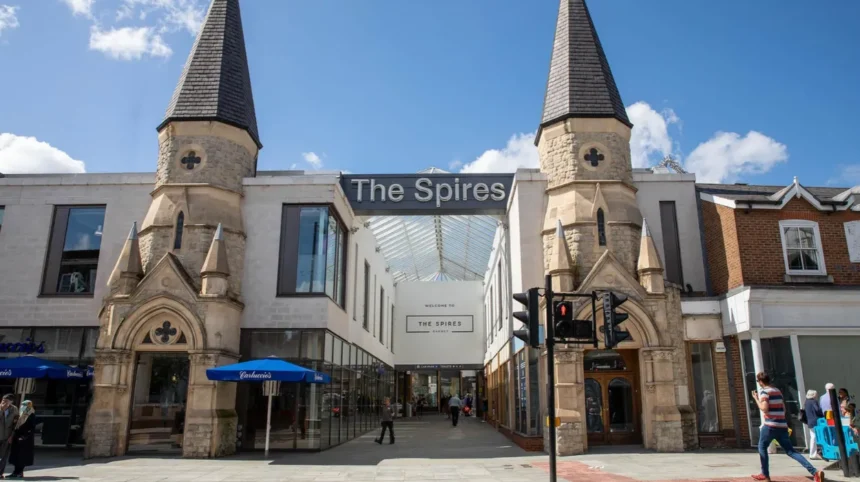
Modern shopping centres introduced a more concentrated retail format to Barnet, bringing multiple businesses into a managed environment. The opening of The Spires in Chipping Barnet in 1989 marked an important stage in the development of modern town-centre shopping.
The Spires shopping centre opened in 1989 on a site associated with a former Methodist chapel and military barracks. Its development brought a modern shopping destination into the historic centre while retaining part of the earlier chapel frontage as the entrance.
Shopping centres differ from traditional high streets because several retailers operate within a shared site. Customers can visit multiple businesses in one trip, while the centre’s management coordinates the wider environment.
This format responds to demand for convenient access to different types of shopping. It also creates a recognisable destination for people who want to combine retail visits with food, drinks and other activities.
The Spires did not replace the entire High Street. Instead, it became another component of Chipping Barnet’s retail mix, alongside independent premises, market trading and hospitality businesses.
The development also illustrates a broader change in British retail. During the late twentieth century, shopping centres and out-of-town retail destinations became increasingly prominent, offering alternatives to shopping exclusively along traditional streets.
For Barnet, the result was a more diverse commercial environment. Shoppers gained another way to access products and services, while the historic High Street retained its role as a recognisable part of the town’s identity.
How Did Supermarkets and National Retail Chains Change Shopping Habits in Barnet?
Supermarkets and national retail chains changed shopping in Barnet by concentrating larger product ranges within fewer premises and standardising prices, opening hours and purchasing processes. They increased convenience for routine shopping while creating competition for smaller retailers selling similar goods and everyday essentials.
Traditional shopping often required customers to visit separate specialist businesses for meat, bread, household supplies and clothing. Supermarkets introduced a different approach by offering multiple categories of everyday products under one roof.
This format reduced the number of stops needed for a typical household shop. Larger premises also supported broader inventories, self-service displays and standardised checkout systems.
National retail chains brought another change. A chain retailer operates multiple branches under a shared brand, usually following consistent approaches to product selection, pricing and store presentation.
For consumers, these formats made familiar products easier to find across different shopping areas. For retailers, they introduced competition based on convenience, purchasing power, promotional offers and the ability to maintain large stocks.
Barnet’s commercial landscape developed alongside these national trends. Its shopping destinations include traditional street-based businesses, shopping-centre retailers and supermarkets serving nearby residential areas.
Independent retailers continued to provide specialist products, personal service and locally distinctive offerings. Examples include specialist food shops, florists, gift shops and businesses selling products tailored to particular communities.
The resulting retail environment offers different choices for different purposes. Supermarkets support larger routine purchases, while independent shops and market stalls provide alternatives for specialist shopping and individual items.
The distinction is important when considering the history of Barnet’s high streets. Retail change has involved the growth of new formats alongside the continuing presence of older commercial traditions.
How Has Brent Cross Changed the Shopping Experience in Barnet?
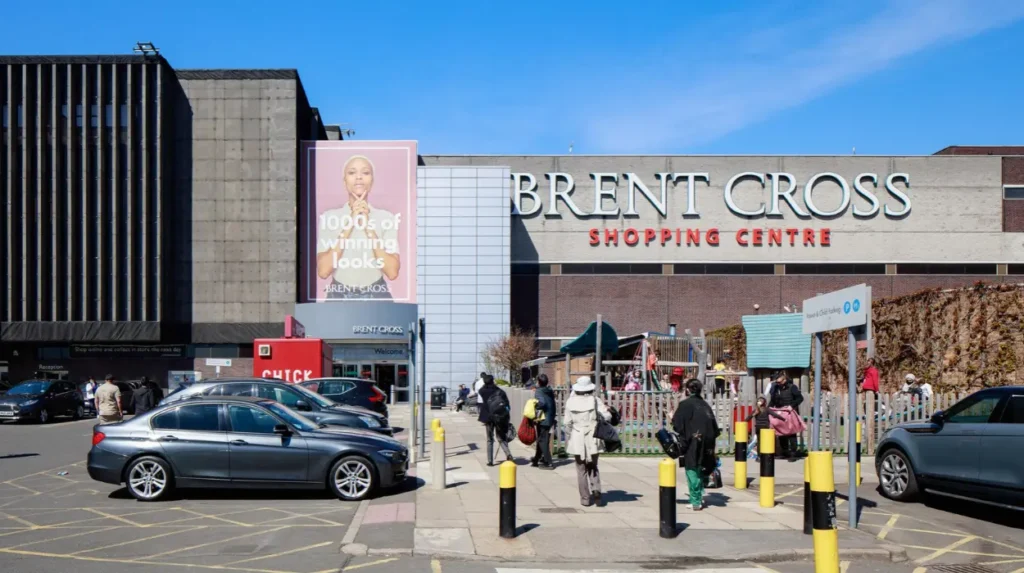
Brent Cross introduced large-scale regional shopping to the wider Barnet area when its shopping centre opened in 1976. It expanded the choice of retailers and services available to North London shoppers and established a different model from traditional high-street and market-based shopping.
Brent Cross Shopping Centre opened in 1976 and became a major retail destination for North London. Its regional role distinguishes it from neighbourhood shopping streets and smaller district centres.
A regional shopping centre attracts customers from beyond its immediate neighbourhood. Its retail offer typically includes larger stores, fashion retailers, food outlets and services that encourage longer visits.
This format changed how people approached shopping trips. Rather than visiting a single local street for everyday essentials, consumers gained access to a broader concentration of retailers in one destination.
Brent Cross also reflects the growing importance of car access, public transport connections and coordinated retail facilities in large-scale shopping. These factors influence how customers choose where to shop and how they combine purchases with other activities.
Its role complements Barnet’s smaller town centres rather than making them interchangeable. High Barnet provides access to historic streets, a traditional market and The Spires, while Brent Cross offers a different scale of retail choice.
For domestic visitors and tourists exploring North London, the contrast provides a useful way to understand the region’s retail evolution. Shopping in Barnet encompasses both long-established local centres and major destinations developed to serve a wider population.
How Have Independent Shops and Traditional Markets Adapted to Modern Shopping?
Independent shops and traditional markets remain relevant by serving local needs, offering specialist products and maintaining direct relationships with customers. In Barnet, their continued presence alongside shopping centres and chain retailers demonstrates that modern retail combines different business formats rather than relying on one type of shop.
Independent retailers operate businesses that are not simply branches of a national chain. Their product ranges and services often reflect local demand, specialist knowledge and the choices of individual owners.
Examples include independent grocers, florists, butchers, bookshops and gift shops. These businesses serve customers seeking specific products, advice or a more personal purchasing experience.
Traditional markets provide another option. Customers can explore stalls, compare products and purchase goods from individual traders. Market shopping also creates a public gathering place that supports activity around the surrounding streets.
In Chipping Barnet, the continuing market tradition and the presence of independent businesses contribute to the town centre’s distinct character. Barnet Council identifies more than 38,310 square metres of retail space in Chipping Barnet, alongside its market, shopping centre, restaurants and cafés.
This figure describes the retail space identified by the council, not the number of shops or the amount of occupied floor space.
Independent retailers face pressures that include commercial rents, operating costs, competition from large chains and changes in customer spending. Online shopping adds further competition because customers can compare products and prices without visiting a physical store.
Businesses respond through specialist ranges, customer service, local promotion and convenient purchasing options. Some also use digital channels to communicate opening hours, advertise products and reach customers beyond their immediate street.
The future of independent shopping in Barnet therefore depends on both local footfall and the ability of businesses to respond to changing expectations.
How Has Online Shopping Changed Consumer Behaviour in Barnet?
Online shopping has changed consumer behaviour in Barnet by allowing customers to research products, compare prices and place orders without visiting a physical shop. Home delivery, collection services and digital payments now complement traditional retail, changing how local businesses attract customers and organise sales.
Online shopping describes the purchase of goods or services through websites, mobile applications and other digital platforms. It separates the act of buying from the need to visit a retailer’s premises.
Consumers use digital channels to compare prices, read product descriptions, check stock and arrange delivery. These processes influence decisions before a shopper enters a physical store.
For Barnet retailers, digital competition has changed the importance of visibility and convenience. A customer looking for a particular product can compare local businesses with national retailers and online marketplaces within minutes.
Physical shops continue to offer benefits that digital transactions do not fully replicate. Customers can inspect goods in person, obtain immediate assistance, collect purchases and discover products while browsing.
Some businesses combine these advantages through a multichannel approach. This means operating physical retail alongside digital services, such as online enquiries, product reservations, social media promotion or delivery.
The change also affects how shoppers plan visits. A customer can check a store’s location and opening times online before travelling, making shopping trips more targeted.
Online shopping does not remove the importance of town centres. Instead, it increases the need for physical retailers to offer reasons for customers to visit, including specialist products, convenience, service and access to other local amenities.
For visitors, digital research makes it easier to plan a shopping trip around Barnet’s markets, high streets and shopping centres.
Why Do Barnet’s Different Town Centres Offer Different Shopping Experiences?
Barnet’s retail network includes historic market streets, suburban high streets, district shopping areas and regional retail destinations. These centres serve different catchments and needs, with examples including Chipping Barnet, Finchley Central, Golders Green, Edgware, North Finchley and Brent Cross.
The London Borough of Barnet identifies 30 town centres across the borough. These comprise seven main town centres, eight district town centres and 15 local and neighbourhood centres.
This network demonstrates that shopping in Barnet is not limited to one high street. Different locations serve different communities and provide varying combinations of retail, food, personal services and leisure facilities.
Chipping Barnet is notable for its historic market-town identity. Its High Street, Barnet Market and The Spires bring traditional and modern shopping formats together.
Finchley Central and North Finchley serve their surrounding residential communities through local retail and services. Golders Green and Edgware also function as established shopping destinations within the borough’s wider network.
Brent Cross operates on a larger regional scale, attracting visitors seeking a concentrated shopping experience.
These differences affect consumer behaviour. Residents often use neighbourhood centres for frequent purchases, while larger destinations support planned shopping trips and visits to a wider selection of retailers.
The variety also matters for tourism and leisure. Visitors interested in historic streets and markets can choose a different experience from those seeking major retailers or a combination of shopping and dining.
Barnet Council’s town-centre framework recognises the importance of maintaining centres that reflect their individual characteristics while supporting local economic activity.
How Have Recent Economic Changes Affected Shopping in Barnet?
Recent economic changes have increased the importance of affordability, convenience and business resilience across Barnet’s shopping areas. Household budgets, operating expenses, online competition and changing consumer expectations influence purchasing decisions, while local economic strategies seek to support businesses, investment and stronger town centres.
The cost of living influences how consumers allocate their budgets. Households compare prices, prioritise essential purchases and assess whether non-essential spending fits their available income.
Retailers face a different set of pressures. Rent, energy, staffing, stock and distribution expenses affect operating costs. Smaller businesses often have fewer resources to absorb increases or compete with national retailers offering large-scale purchasing advantages.
These pressures influence the range of shops available in a town centre. Businesses need to attract sufficient customers, maintain suitable stock and offer products at prices that match their target market.
Barnet Council announced its Economic Development Framework 2025–2030 and Placemaking Framework in November 2025. The plans aim to strengthen the local economy, support enterprises, encourage investment and improve town centres.
Placemaking refers to planning and improving public spaces so that they support community activity, accessibility and local economic life. In a shopping area, this approach involves more than the number of shops. It also concerns the condition of streets, access to transport, public spaces and the relationship between retail and other services.
For Barnet, the challenge is to support commercial areas that remain useful to residents while attracting visitors and investment. Successful adaptation depends on the needs of individual neighbourhoods rather than applying an identical retail model everywhere.
Explore More Area Guide
Specialist Food Shops in Barnet: Bakeries, Delis and Grocers
What Types of Shops Can You Find in Barnet, North London?
What Can Visitors Learn from Barnet’s Shopping History Today?
Visitors can explore Barnet’s shopping history by comparing its historic market, established high streets, independent retailers and modern shopping destinations. These locations demonstrate how transport, population growth, commercial investment and technology have changed retail while preserving connections with the area’s historic identity.
Chipping Barnet provides a useful starting point because its market tradition dates back to the medieval period. Visitors can explore the High Street, look at historic buildings and experience the contrast between traditional street shopping and The Spires.
The wider borough offers further opportunities to understand different stages of retail development. Brent Cross represents large-scale modern shopping, while suburban centres such as Finchley Central and Golders Green illustrate the role of local commercial districts.
A shopping visit can also include cafés, restaurants and other local services. These businesses demonstrate how town centres have expanded beyond the sale of goods to become places for eating, meeting and spending leisure time.
For a deeper understanding of the buildings, roads and settlement patterns behind these shopping areas, explore the history of Barnet’s historic market town and commercial development. This is the single recommended internal link to the matching historical background article.
Digital research supports a more efficient visit. Checking current opening times, market schedules, transport arrangements and individual retailer information before travelling helps visitors plan their time.
The experience ultimately depends on the type of shopping a visitor wants. Historic streets and markets provide insight into traditional retail, independent shops offer specialist products, and major shopping centres provide a broader concentration of national retailers.
What Does the Future Hold for Shopping in Barnet?
The future of shopping in Barnet depends on how effectively its town centres respond to digital competition, changing household needs and local economic development. A diverse retail mix, accessible public spaces, independent businesses and modern shopping facilities will remain important to the borough’s commercial resilience.
Retail continues to change as consumers combine online research with physical shopping. Businesses that provide convenient service, relevant products and clear information can respond more effectively to these expectations.
Town centres also depend on activities beyond shopping. Restaurants, cafés, community facilities and professional services attract people for different reasons, helping support activity throughout the day.
Barnet’s network of 30 town centres provides a foundation for adapting to different local needs. Historic centres require approaches that respect their character, while larger commercial destinations need to respond to accessibility, investment and competition.
The council’s Economic Development Framework 2025–2030 provides a policy context for supporting enterprises and local economic opportunities. Its Placemaking Framework also places emphasis on developing healthier, safer and more resilient town centres.
For independent retailers, digital visibility and customer service remain important tools for reaching shoppers. For consumers, the continued availability of different shopping formats provides flexibility over where, when and how to buy goods.
Barnet’s retail history shows that commercial change is not new. The town developed around a medieval market, expanded through road-based trade, adapted to suburban growth and introduced modern shopping centres. Online commerce and changing consumer habits represent the latest stage in that continuing transformation.
Shopping in Barnet therefore combines historical continuity with commercial adaptation. Its market heritage, traditional high streets, independent shops, supermarkets and modern retail destinations collectively explain how shopping has changed over the years.
How has shopping in Barnet changed over the years?
Shopping in Barnet has evolved from a traditional market-town economy into a mix of independent shops, supermarkets, shopping centres and online retailers. Transport improvements, suburban growth and digital technology have changed how residents and visitors buy goods.