Key Points
- Around 300 civilian workers ballot: Metropolitan Police civilian staff, including 999 emergency call handlers, car mechanics, and police station front desk personnel, are voting on industrial action.
- Pay dispute details: Staff are protesting against the partial non-implementation of last year’s pay deal and an offered 3.5 per cent pay rise for 2026/27.
- Disparities in pay: Police staff pay enhancement increases in London remain significantly lower than those granted to police officer colleagues.
- Impact of shift pattern changes: Management plans to alter 999 call handlers’ shifts from four-day to five-day patterns and increase weekend shifts from two in four to seven in ten.
- Operational consequences: Industrial action could severely disrupt 999 call processing, vehicle fleet maintenance, and police station front desk services across London.
- Ballot deadline: The trade union ballot closes on 26 November 2026.
London, UK (North London News) November 5, 2026 – Around 300 Metropolitan Police civilian employees are currently voting on whether to launch strike action following a escalating dispute regarding pay rates and proposed alterations to working conditions, Unite, the UK’s leading trade union, announced today.
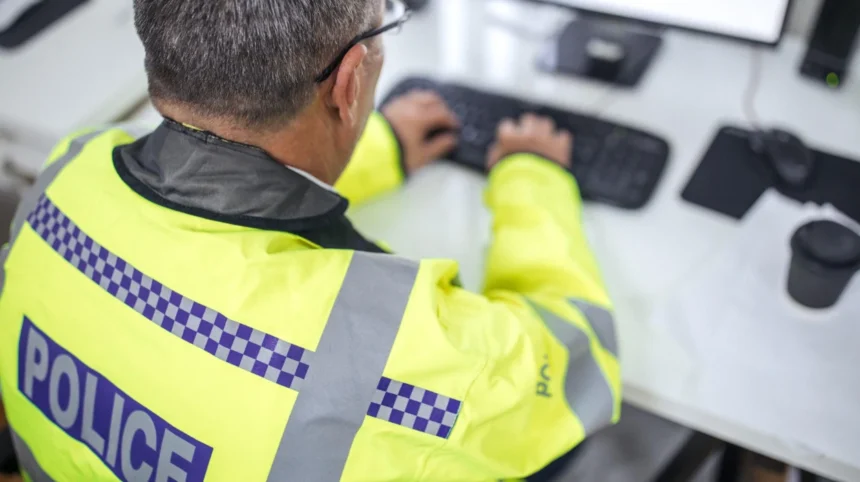
As reported by media staff covering the industrial dispute, the workplace ballot involves critical operational support personnel, including 999 emergency call handlers, vehicle mechanics, and front desk police station staff. The workforce is protesting against the partial non-implementation of the previously agreed pay deal from last year, alongside a proposed 3.5 per cent pay increase for the 2026/27 financial year, which union representatives describe as insufficient.
As reported by union officials representing the workers, the financial offer for police staff remains substantially lower than the package offered to police officer colleagues. This disparity has widened due to increases in London-specific pay enhancements awarded to sworn officers compared to civilian support staff.
Staff members have highlighted that consecutive years of falling real-terms remuneration have exacerbated cost-of-living pressures, leaving several employees reliant on short-term payday loans to manage standard household expenses.
Beyond remuneration concerns, the trade dispute encompasses planned changes to operational shift rosters. Management proposals include moving 999 emergency response call handlers from four-day shift patterns to five-day shift patterns. Additionally, the proposed roster changes would increase weekend working requirements for affected personnel from two weekends out of every four to seven weekends out of every ten.
The trade union has also raised concerns regarding service provision across the capital, noting that numerous police station front desks have closed permanently, while remaining operational desks face reduced opening hours and lowered staffing levels, impacting both employees and public accessibility.
As reported by the press office of Unite, Sharon Graham, General Secretary of Unite, stated that: “The Met police must address our members’ concerns about pay and working conditions. Unite fully supports their demands for fair wages, appropriate staffing levels and a decent work life balance.”
The industrial action ballot is scheduled to close on 26 November 2026. Should union members vote in favour of industrial action, the resulting strikes would lead to severe operational disruption across the Metropolitan Police Service, directly affecting 999 call reception, the repair and servicing of police vehicle fleets, and public access to police station front counters across Greater London.
As reported by press representatives covering the ballot, Keith Henderson, Regional Officer for Unite, stated that: “The Met will bear full responsibility for disruption to police services in the capital. It must meet with its workers, listen to their concerns and offer an acceptable solution. Until then, this dispute will continue to escalate.”
Background of the Metropolitan Police Civilian Staff Industrial Dispute
The current friction between Metropolitan Police management and civilian staff represents a continuation of long-standing structural pressures surrounding public sector pay and operational restructuring within London’s emergency services. Over recent years, public sector organizations across the United Kingdom have faced operational constraints alongside persistent inflationary pressures, leading to broad discontent over real-terms income decline.
Civilian staff fulfill central operational functions that maintain police operations. Emergency call handlers process thousands of 999 and non-emergency contacts daily, routing assistance to incidents across Greater London. Fleet maintenance mechanics maintain police vehicles to ensure operational readiness, while front desk personnel handle public inquiries, crime reporting, and administrative intake at police stations.
The gap in pay structures between sworn police officers and civilian staff has been a recurrent point of contention within police forces nationwide. Sworn officers operate under distinct legal frameworks and statutory pay review bodies, whereas civilian employees are subject to separate staff collective bargaining frameworks. When London-weighting adjustments or specific operational allowances differ between these groups, visible remuneration gaps emerge.
Simultaneously, police station front counters across Greater London have undergone steady rationalization over the past decade. Operational reviews aimed at reducing real estate overheads and reallocating resources toward digital reporting have led to the physical closure of numerous public-facing counters, alongside reduced operational hours at surviving locations. Staffing reductions within these environments have increased operational strain on remaining staff, creating the background conditions for the current ballot on industrial action.
Prediction: How This Development Can Affect London Residents and Emergency Services
If the ballot results in a mandate for industrial action, the outcome will directly affect multiple stakeholders across Greater London, primarily impacting the general public, operational police officers, and municipal emergency response infrastructure.
Impact on the General Public
London residents relying on emergency response services face potential delays in critical communication channels. A reduction or cessation of civilian 999 call handling capacity would increase queue times for emergency calls, potentially slowing down the dispatch of police officers to emergency scenes. Members of the public visiting police stations would encounter closed front desks or limited operational hours, hindering their ability to report crimes in person, produce documentation, or access immediate assistance.
Impact on Sworn Police Officers and Fleet Logistics
The involvement of vehicle mechanics in the industrial dispute presents distinct operational risks for frontline policing. Without routine maintenance, safety checks, and repairs performed by civilian mechanics, police vehicles taken out of service due to mechanical faults cannot be rapidly redeployed. A constrained vehicle fleet would reduce police visibility, lengthen response times to urgent incidents, and place additional strain on operational officers managing broader logistical duties.
Impact on Metropolitan Police Management and Public Relations
For Metropolitan Police leadership, an active strike would necessitate the implementation of emergency contingency plans, potentially requiring the diversion of warranted police officers from operational duties to manage call centers and critical support roles. Such diversions lower public policing presence across London boroughs. Furthermore, protracted industrial unrest risks complicating institutional recruitment and retention efforts for civilian support roles, prolonging operational pressures within the service.