Barnet sits in north London with direct Underground connections into central London and additional National Rail services from stations such as New Barnet and Oakleigh Park. This makes major attractions including the British Museum, Westminster Abbey, Buckingham Palace, Tower of London and London Eye accessible by public transport.
- What is the easiest way to travel from Barnet to central London attractions?
- Which Barnet stations are useful for sightseeing in London?
- How can you travel from Barnet to the British Museum?
- How can you get from Barnet to Buckingham Palace?
- How can you travel from Barnet to Westminster Abbey and Big Ben?
- What is the best route from Barnet to the London Eye?
- How can you travel from Barnet to the Tower of London?
- How can you travel from Barnet to St Paul’s Cathedral?
- How can you reach the West End from Barnet?
- How can you travel from Barnet to museums in South Kensington?
- How should visitors pay for journeys from Barnet into London?
- How can visitors make Barnet-to-London sightseeing journeys easier?
- Which London attractions are easiest to combine in one day from Barnet?
- Is public transport better than driving from Barnet to central London attractions?
- How can Barnet visitors plan an accessible journey to London’s attractions?
- Why is Barnet a useful base for visiting London’s major attractions?
What is the easiest way to travel from Barnet to central London attractions?
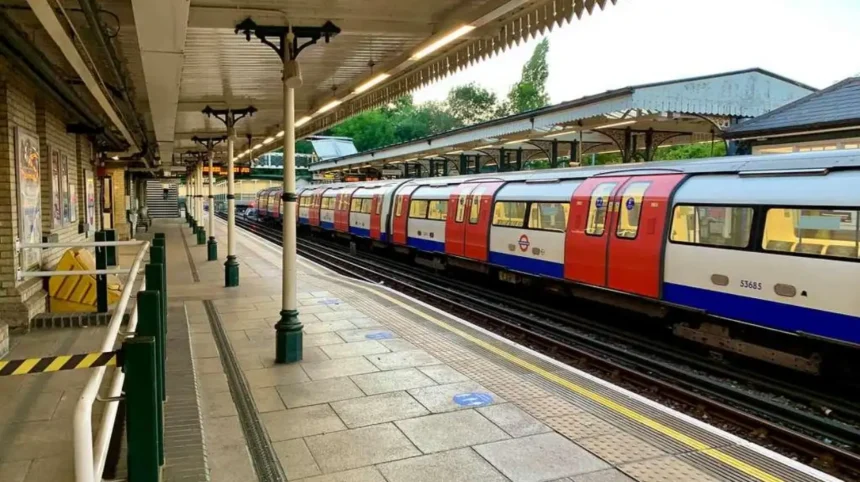
The easiest option for most visitors is the Northern line from High Barnet, Totteridge & Whetstone or Woodside Park towards central London. It provides direct access to Euston, King’s Cross St Pancras, Tottenham Court Road, Leicester Square, Charing Cross and Waterloo.
Barnet has a strong connection with the London Underground network. High Barnet, Totteridge & Whetstone and Woodside Park are served by the Northern line. The line continues south through Finchley, Highgate, Camden Town and Euston before reaching major central London destinations.
High Barnet is particularly useful for visitors staying around Barnet town centre. It is a Zone 5 Underground station and has several London bus connections, including routes serving nearby neighbourhoods.
Travellers closer to Totteridge, Whetstone or North Finchley can use Totteridge & Whetstone or Woodside Park instead. Woodside Park is in Zone 4, while the Northern line provides the same southbound corridor towards central London.
The important advantage is that visitors do not need to travel into another part of London before reaching the central attractions area. The Northern line directly serves several locations that function as useful interchange points.
For example, Euston connects with National Rail and the Victoria line. King’s Cross St Pancras connects with several Underground lines and National Rail services. Tottenham Court Road connects with the Central and Elizabeth lines. Charing Cross provides access to Trafalgar Square and the West End.
Which Barnet stations are useful for sightseeing in London?
High Barnet, Totteridge & Whetstone and Woodside Park are the main Northern line stations serving the Barnet area. New Barnet and Oakleigh Park provide National Rail alternatives for journeys towards central London and other destinations.
The best station depends on where you start in Barnet. High Barnet is convenient for the town centre and surrounding residential districts. Totteridge & Whetstone serves the southern Barnet corridor. Woodside Park is useful for passengers around North Finchley and neighbouring areas.
High Barnet is on the Northern line’s High Barnet branch. TfL timetables show services running through Totteridge & Whetstone, Woodside Park, Finchley Central, East Finchley, Highgate, Archway, Camden Town and Euston before continuing towards central London.
Woodside Park also has local bus connections and station facilities including Wi-Fi, toilets and waiting areas.
New Barnet provides another option through National Rail. Thameslink lists direct journeys from New Barnet towards Moorgate, making the station useful for travellers heading towards the City of London.
The choice between Underground and National Rail depends on the attraction. The Northern line is especially useful for destinations around the West End, Westminster connections and South Bank. National Rail is useful when the destination is close to St Pancras, Farringdon, Moorgate or another railway interchange.
Visitors should check the TfL journey planner before departure because live service conditions, engineering works and station closures change travel arrangements. TfL Go provides live arrival information, disruption information, route planning and accessibility options.
How can you travel from Barnet to the British Museum?
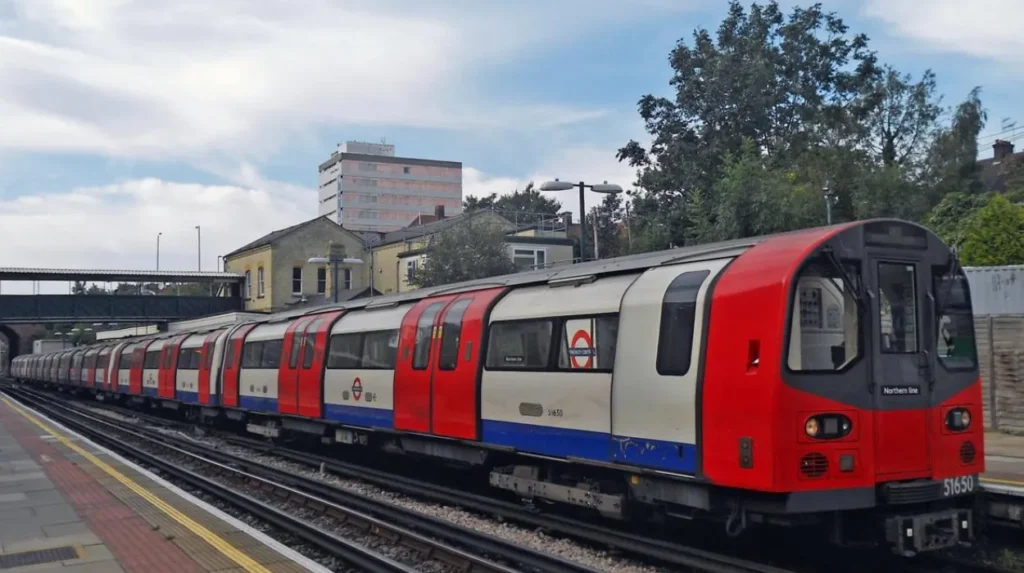
Travel on the Northern line from Barnet towards central London and leave at Tottenham Court Road, then walk towards the British Museum. The route uses the Underground for the main journey and walking for the final central London section.
The British Museum is in Bloomsbury, close to Tottenham Court Road, Goodge Street and Holborn. From High Barnet, the Northern line reaches Tottenham Court Road without requiring an Underground change.
Tottenham Court Road is particularly useful because it connects the Northern line with the Central and Elizabeth lines. For a Barnet visitor, however, changing trains is unnecessary when travelling directly from a Northern line station.
After leaving the station, the journey continues on foot through central London. The exact walking time depends on the exit used and the final destination within the museum complex.
The British Museum is one of London’s major cultural attractions. Its collections cover human history, art and archaeology, including Egyptian, Greek and Roman material. Visit London’s official attractions guide identifies it among the capital’s major free attractions.
The area around the British Museum also provides access to Bloomsbury, Covent Garden and the West End. This makes the attraction suitable for a wider sightseeing itinerary rather than a standalone visit.
As you explore the modern museum district, you are also crossing an area shaped by centuries of London’s development. Read about the full [Insert Anchor Text for History Article Here] to understand its origins.
How can you get from Barnet to Buckingham Palace?
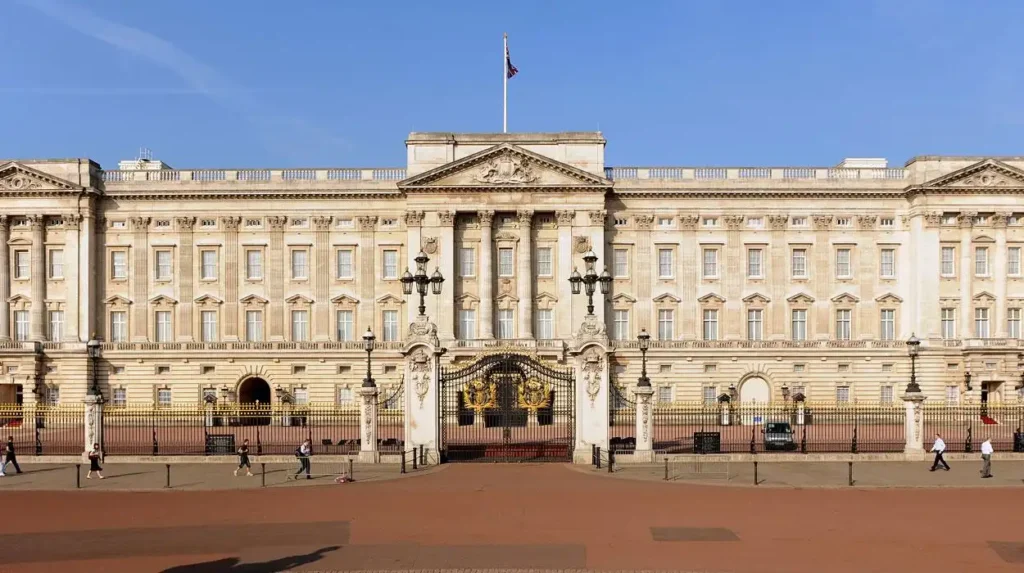
Travel south on the Northern line and change in central London for a service towards Green Park or Victoria. From either station, Buckingham Palace is reached by a short walk through the central London streets and royal district.
Buckingham Palace is located in Westminster and serves as a major royal attraction. The most practical Underground options from the Northern line depend on the station used and current service conditions.
A journey from High Barnet can follow the Northern line towards central London. Leicester Square, Charing Cross and Embankment are useful points for reaching the Westminster area. Green Park and Victoria are particularly close to Buckingham Palace, although reaching them requires an interchange or a walking connection depending on the selected route.
The route through Charing Cross is also useful for visitors who want to combine Buckingham Palace with Trafalgar Square. Charing Cross is served by the Northern and Bakerloo lines and has a National Rail connection.
Visitors should distinguish between Buckingham Palace and the surrounding royal attractions. The palace is close to St James’s Park, The Mall and Green Park. These locations form a compact sightseeing area.
Visit London’s current visitor guidance identifies Buckingham Palace as one of London’s major attractions and a working royal residence.
A Barnet visitor can therefore combine the palace with Westminster, St James’s Park and Trafalgar Square without making separate long journeys across London.
How can you travel from Barnet to Westminster Abbey and Big Ben?
Use the Northern line towards central London and change for Westminster, or travel to Charing Cross or Embankment and continue on foot. Westminster station is served by the Jubilee, Circle and District lines and sits beside London’s parliamentary landmarks.
Westminster is one of the most concentrated sightseeing areas in London. Westminster Abbey, the Palace of Westminster, Big Ben and the River Thames are located close together.
For Westminster Abbey, the most direct Underground interchange is generally Westminster station. The station is served by the Jubilee, Circle and District lines. Visit London’s current Westminster guide identifies Westminster station as a direct transport option for Westminster Abbey.
From Barnet, the Northern line provides the main north-to-central connection. A change is required to reach Westminster station itself because the Northern line does not serve Westminster.
Another option is travelling to Charing Cross or Embankment and walking towards Westminster. This can work well for visitors who want to include Trafalgar Square, Whitehall or the Thames Embankment in the same outing.
Westminster Abbey has more than 1,000 years of history and has hosted British coronations since 1066. It remains an active place of worship and a major historic attraction.
Big Ben is the commonly used name for the Great Bell at the Palace of Westminster. The surrounding parliamentary complex sits beside the Thames and forms one of London’s most recognisable sightseeing areas.
What is the best route from Barnet to the London Eye?
Take the Northern line from Barnet towards Waterloo and leave at Waterloo station. The London Eye is on the South Bank and is a short walk from Waterloo, making this one of the simplest direct sightseeing journeys from Barnet.
The London Eye is particularly convenient from the Northern line because Waterloo is directly served by the Northern line. TfL’s Northern line timetable shows the sequence from High Barnet through central London to Waterloo.
From Waterloo, visitors cross the surrounding South Bank streets towards the London Eye. The attraction stands beside the River Thames opposite the Houses of Parliament and Big Ben.
The London Eye provides a 360-degree view over central London. Visit London’s current visitor information identifies Waterloo as its nearest Underground station and describes the attraction as a major observation experience.
The South Bank also contains other visitor attractions, including SEA LIFE London Aquarium, cultural venues and riverside walking routes. This makes Waterloo a useful arrival point for a longer sightseeing session.
Visitors can therefore plan a route from Barnet to Waterloo and combine the London Eye with Westminster Bridge, South Bank, the Thames and the Palace of Westminster.
How can you travel from Barnet to the Tower of London?
Take the Northern line towards central London and change for the District or Circle line to Tower Hill. Tower Hill station is about a five-minute walk from the Tower of London, making it the main Underground access point.
The Tower of London is located at Tower Hill in the City of London. Tower Hill Underground station is served by the District and Circle lines. The attraction’s visitor information identifies Tower Hill as its closest Tube station.
A Barnet visitor therefore uses the Northern line for the first part of the journey and changes at a suitable central interchange. The exact interchange depends on service conditions and the chosen journey planner route.
London Bridge is another useful transport area for the Tower of London. National Rail services and Underground connections serve London Bridge, while the attraction itself remains a walk away across the City of London.
The Tower of London has almost 1,000 years of history. It has served as a fortress, royal palace and prison and houses the Crown Jewels.
Tower Hill also provides access to Tower Bridge and the Thames. Visitors can therefore build a wider eastern central London itinerary around the Tower.
For a first visit, travelling from Barnet to Tower Hill also provides a practical introduction to the City of London, where historic streets, financial buildings and riverside landmarks occupy a compact area.
How can you travel from Barnet to St Paul’s Cathedral?
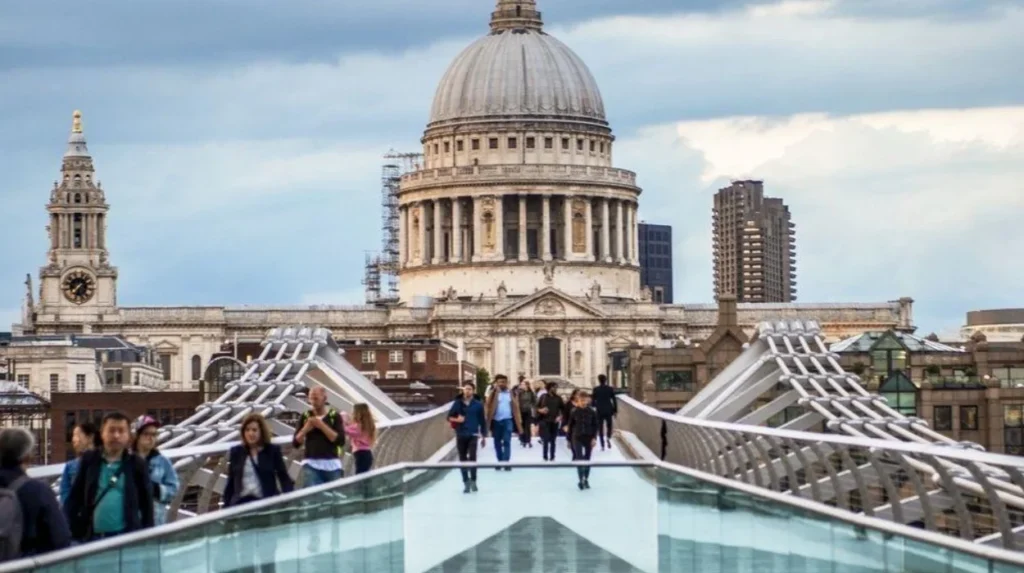
Travel south on the Northern line and change for a service towards Bank or another suitable City of London interchange. St Paul’s Cathedral sits in the City and is connected to several Underground and walking routes from central London.
St Paul’s Cathedral stands at the centre of the City of London. Its large dome is one of the defining features of the London skyline.
The Northern line provides access towards Bank and Moorgate, two important City transport points. TfL lists Bank and Moorgate among the Northern line’s central stations.
The journey from Barnet therefore combines a direct north-to-central Underground trip with a short interchange or walking section.
St Paul’s also works well as part of a walking itinerary. Visitors can continue towards Millennium Bridge, Tate Modern, Shakespeare’s Globe and the South Bank.
This makes the attraction particularly suitable for travellers who want to see several major landmarks in one day. London’s official visitor guide identifies St Paul’s Cathedral as one of the capital’s principal attractions and notes its high-level galleries and historic architecture.
The surrounding City of London also contains historic streets, markets and financial institutions, giving visitors a different environment from Westminster and the West End.
How can you reach the West End from Barnet?
The Northern line provides one of the most direct connections between Barnet and London’s West End. Stations including Tottenham Court Road, Leicester Square and Charing Cross place theatres, restaurants, shopping streets and major entertainment venues within walking distance.
The West End is London’s main theatre and entertainment district. It includes areas around Soho, Covent Garden, Leicester Square, Piccadilly Circus and Shaftesbury Avenue.
For Barnet travellers, the Northern line is particularly valuable because it reaches several West End stations directly.
Tottenham Court Road provides access to Soho and Oxford Street. Leicester Square sits near theatres, Chinatown and Covent Garden. Charing Cross provides access to Trafalgar Square and the southern part of the West End. TfL’s Northern line timetable confirms these stations on the route from High Barnet.
Visitors travelling for a theatre performance should allow additional time for walking, security checks and finding the correct theatre entrance. Theatre locations are spread across several streets rather than concentrated at one station.
The West End is also useful for domestic business travellers and digital nomads with free time between appointments. Central cafés, libraries, public spaces and transport hubs provide options for short work sessions, although visitors should check individual venue policies before working.
How can you travel from Barnet to museums in South Kensington?
Travel on the Northern line into central London and change for the Piccadilly line towards South Kensington. The station provides access to the Natural History Museum, Victoria and Albert Museum and Science Museum.
South Kensington is one of London’s major museum districts. The Natural History Museum, Victoria and Albert Museum and Science Museum sit close together.
The Northern line does not directly serve South Kensington, so a change is required. A practical route is to travel towards central London and interchange with the Piccadilly line.
South Kensington station provides direct Underground access to the museum district. Visitors can then walk between the museums because they occupy neighbouring sites.
The Natural History Museum contains extensive collections covering the natural world. The Science Museum focuses on science, technology and engineering. The Victoria and Albert Museum covers decorative arts and design.
Visit London’s attractions guide identifies the Natural History Museum among London’s major free attractions and includes the museum district among the city’s principal cultural destinations.
This journey is especially useful for families because several major attractions sit within the same neighbourhood. It also works for visitors planning an indoor sightseeing day during poor weather.
How should visitors pay for journeys from Barnet into London?
Contactless payment and Oyster are the main pay-as-you-go options for London public transport. Travellers touch in and out where required, while TfL calculates the applicable fare according to the journey and payment system.
TfL states that contactless and Oyster can be used for pay-as-you-go travel across London’s public transport network. This includes the Tube, buses, tram, DLR, London Overground and most Elizabeth line services.
Contactless payment is useful for visitors who already have a compatible bank card or mobile device. Oyster is another established option for travellers who prefer a dedicated transport card.
The fare depends on the route, zones and time of travel. TfL’s Single Fare Finder allows travellers to check the cost between two stations.
Visitors should use the same contactless card or device throughout a journey. Using different cards for touching in and out can result in separate journeys being recorded.
Travellers crossing London without entering Zone 1 should also understand pink card readers. TfL uses these readers to identify routes that avoid Zone 1 and apply the appropriate fare.
For a normal sightseeing trip from Barnet into central London, checking the fare before departure provides a clear indication of expected transport costs.
How can visitors make Barnet-to-London sightseeing journeys easier?
Use the TfL journey planner or TfL Go before departure, check live service conditions, select the most suitable Barnet station and group nearby attractions into the same itinerary to reduce unnecessary changes and walking.
TfL Go provides live arrival information, service disruption updates, route planning and accessibility options. Its journey planner can prioritise the fastest route, fewer changes, reduced walking or step-free access.
This is important because London transport conditions change during the day. Planned engineering works, temporary closures, station congestion and service disruptions affect journey times and route choices.
Visitors should also distinguish between journey planning and attraction planning. A transport route gets you to the destination, but opening hours and timed admission determine when the attraction can actually be visited.
Visit London’s official visitor guidance states that many London attractions require timed entry or advance booking.
A practical itinerary therefore starts with the attraction’s admission requirements, followed by the transport route.
Grouping attractions geographically is also efficient. The London Eye and Westminster sit around the Thames. The Tower of London and Tower Bridge are close together. The British Museum and West End are relatively close to one another. South Kensington contains several major museums within one district.
Which London attractions are easiest to combine in one day from Barnet?
Barnet visitors can reduce travel time by grouping attractions located in the same central district. Examples include the London Eye with Westminster, Tower of London with Tower Bridge, and British Museum with the West End and Covent Garden.
London’s major attractions are spread across several districts, but many sightseeing locations are clustered around particular transport hubs.
The South Bank and Westminster form one practical cluster. A visitor can travel from Barnet to Waterloo, visit the London Eye, walk across Westminster Bridge and continue towards Big Ben and Westminster Abbey.
The City provides another cluster. Visitors can travel towards Tower Hill, visit the Tower of London and continue towards Tower Bridge and the riverside.
The West End and Bloomsbury provide another combination. A visitor can reach Tottenham Court Road, walk to the British Museum and continue towards Covent Garden or Leicester Square.
South Kensington is particularly suitable for visitors interested in museums because several institutions are located within the same area.
Visit London’s current sightseeing guidance specifically promotes routes that combine major central London attractions within walking distance.
This approach is useful for first-time visitors because it reduces unnecessary cross-city journeys and leaves more time for the attractions themselves.
Is public transport better than driving from Barnet to central London attractions?
Public transport is usually the more practical option for sightseeing because central London attractions are served by Underground, rail and bus networks, while driving involves parking, traffic restrictions and additional journey-planning requirements.
Central London has an extensive public transport network designed around high-capacity travel. Barnet’s Northern line connection provides a direct route into several major sightseeing districts.
Driving requires visitors to consider parking availability, road conditions and central London traffic restrictions. Parking near major attractions is also limited compared with the number of visitors travelling into the city.
Public transport also removes the need to return to a parked vehicle between attractions. A visitor can arrive at Waterloo, walk around Westminster and then continue by Tube or bus to another district.
Buses are useful for shorter connections and areas where walking between stations is less convenient. High Barnet itself has multiple bus services, including routes connecting surrounding neighbourhoods with the Underground station.
Walking is another important part of central London sightseeing. Many attractions are closer together than their separate Tube stations suggest.
The most efficient trip therefore often combines several transport modes rather than relying on one system for the entire day.
Explore More Area Guide
Barnet to Wembley: Best Transport Options
Barnet Parking: Car Parks, Charges & Visitor Restrictions
How can Barnet visitors plan an accessible journey to London’s attractions?
Visitors requiring step-free access should use TfL’s accessibility journey-planning options before travelling. TfL Go can identify step-free routes and account for current lift or station closures when planning journeys.
Accessibility requirements should be considered before leaving Barnet rather than after reaching central London.
TfL Go includes a step-free journey option and adjusts suggested journeys for current disruptions, including lift closures.
Not every station has the same level of step-free access. A route that appears simple on a standard map can involve stairs, escalators or long interchanges.
Travellers should also check the attraction itself. Accessible transport does not automatically mean that every entrance, gallery or facility at the destination has identical access arrangements.
St Pancras is an example of a major interchange with extensive accessibility facilities. Thameslink lists the station as fully step-free to platforms and provides assistance facilities.
Planning the complete journey from Barnet station to attraction entrance creates a more accurate accessibility assessment.
Why is Barnet a useful base for visiting London’s major attractions?
Barnet combines residential surroundings with direct Northern line access to central London. High Barnet, Totteridge & Whetstone and Woodside Park connect travellers with Euston, King’s Cross St Pancras, Tottenham Court Road, Leicester Square, Charing Cross and Waterloo.
Barnet’s position in north London gives visitors access to both local neighbourhoods and central London’s major attractions.
The Northern line is the main transport spine. Its route connects Barnet with central locations that serve different sightseeing districts. Euston provides access to major rail connections. Tottenham Court Road serves the West End and Bloomsbury. Leicester Square serves theatre and entertainment areas. Charing Cross provides access to Trafalgar Square. Waterloo provides access to the London Eye and South Bank.
National Rail adds another option through stations including New Barnet and Oakleigh Park. New Barnet also provides a rail connection towards Moorgate.
This network gives visitors flexibility when building day itineraries.
The key to travelling from Barnet to London’s major attractions is therefore not finding one universal route. It is selecting the right Barnet station, identifying the attraction’s nearest transport hub, checking live service information and grouping nearby sights into the same outing.
London remains a city where Underground travel, rail journeys, buses and walking work together. For visitors starting in Barnet, understanding those connections turns the northern edge of the capital into a practical base for exploring central London’s museums, royal landmarks, historic buildings, theatres, riverside attractions and cultural districts.
How do you travel from Barnet to central London?
The Northern line provides the main Underground connection from Barnet to central London. High Barnet, Totteridge & Whetstone and Woodside Park connect with destinations including Euston, Tottenham Court Road, Leicester Square, Charing Cross and Waterloo.