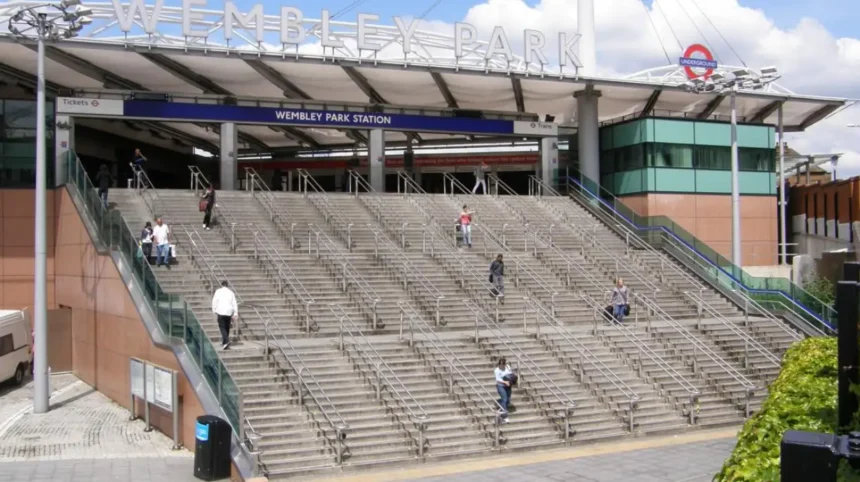
Travelling from Barnet to Wembley is straightforward because both areas sit in north-west London’s wider transport network. The journey connects residential Barnet with Wembley’s stadium, arena, shopping, entertainment and transport hubs. The best route depends on the starting point in Barnet, the exact Wembley destination, journey time, accessibility needs and whether the trip takes place during a major event.
- What is the easiest way to travel from Barnet to Wembley?
- Can you travel from High Barnet to Wembley by Tube?
- Is the 326 bus useful from Barnet to Wembley?
- Does the 182 bus go from Brent Cross to Wembley?
- What is the best route from Barnet to Wembley Stadium?
- Is Wembley Park or Wembley Central better for Wembley?
- What bus routes connect the Barnet and Wembley areas?
- How much does it cost to travel from Barnet to Wembley?
- Should you travel by car from Barnet to Wembley?
- Is cycling from Barnet to Wembley practical?
- How reliable is public transport between Barnet and Wembley?
- How does Wembley’s transport network affect Barnet journeys?
- What is the best Barnet-to-Wembley route for tourists?
- What should you check before travelling from Barnet to Wembley?
For most journeys from central Barnet, public transport provides the most practical solution. The London Underground, London Buses and combinations of the two provide connections across the area. High Barnet Underground Station is served by the Northern line, while Wembley has several major transport points, including Wembley Park, Wembley Central and Wembley Stadium.
Wembley Park Underground Station is served by the Jubilee and Metropolitan lines. Wembley Central is served by London Underground, London Overground and London Bus services. Wembley Stadium station provides a National Rail option for selected journeys.
The route is also influenced by the difference between Wembley destinations. Wembley Stadium, Wembley Arena and Wembley Park are close but have different transport access points. Choosing the correct destination station reduces unnecessary walking and changes.
What is the easiest way to travel from Barnet to Wembley?
The easiest public transport journey usually combines a Barnet connection with London Underground or an orbital bus route towards Wembley. High Barnet travellers can use the Northern line or connect to buses at Brent Cross before continuing towards Wembley.
High Barnet Underground Station sits on the Northern line and provides direct southbound access through north London. The station has connections with local London Bus services, including routes serving Brent Cross and surrounding Barnet neighbourhoods.
For many passengers, the most useful strategy is to choose the transport hub closest to the starting point rather than automatically travelling into central London.
The journey can therefore be divided into several practical patterns.
A passenger near High Barnet can travel south on the Northern line and interchange for Wembley. A passenger near New Barnet or East Barnet can first use a local bus towards a suitable Underground station. A passenger close to Brent Cross can use the bus network towards Wembley.
This orbital approach is important because Barnet and Wembley are both outer London centres. Travelling through central London is not always the most direct geographical route.
The exact journey also depends on whether the destination is Wembley Park, Wembley Stadium or Wembley Central. TfL provides live journey planning, service status and route information for these journeys.
Can you travel from High Barnet to Wembley by Tube?
High Barnet connects to Wembley through the Northern line and an interchange with the Metropolitan or Jubilee network. The route requires a change because High Barnet and Wembley Park are served by different Underground lines.
High Barnet Underground Station is the northern terminus of the High Barnet branch of the Northern line. TfL lists southbound services towards stations including Finchley Central, Camden Town and Euston.
A Tube-based journey can therefore use the Northern line as the first stage. The second stage requires a change to reach Wembley.
One practical interchange is at King’s Cross St Pancras, where passengers can connect with the Metropolitan line. TfL’s Metropolitan line timetable shows Wembley Park connected with the Metropolitan and Jubilee lines, while King’s Cross St Pancras provides an interchange with the Metropolitan line.
Another consideration is the final destination.
Wembley Park is normally the relevant Underground station for destinations around Wembley Park and the northern side of the stadium complex. Wembley Central is more suitable for Wembley High Road and locations around the central Wembley area.
Tube journeys provide predictable routing because they avoid much of the road congestion that affects buses. They also provide frequent services during normal operating periods.
However, Underground disruptions and planned engineering works can affect individual lines. Checking the TfL status page before departure is important, particularly when travelling to a ticketed event.
Is the 326 bus useful from Barnet to Wembley?
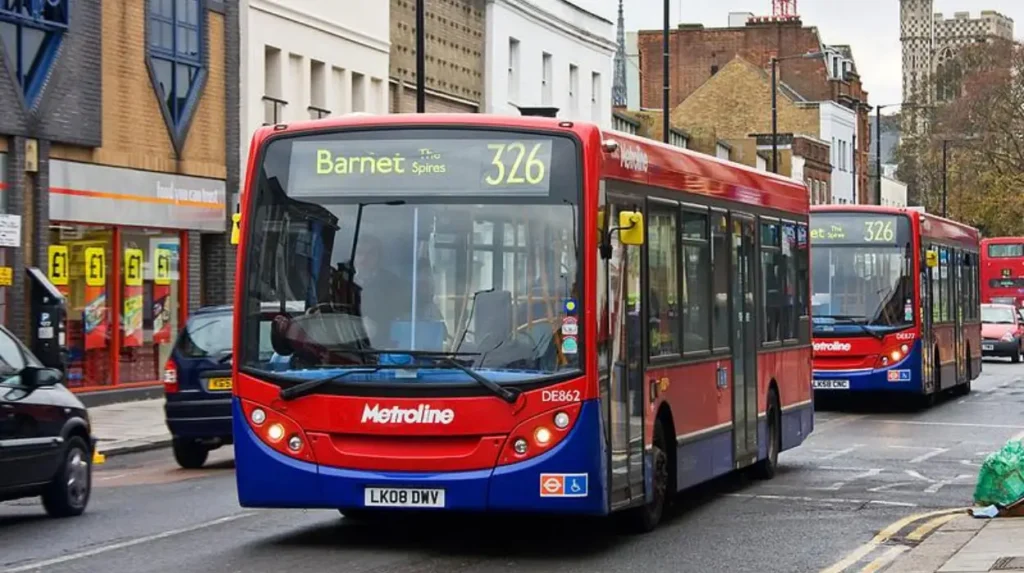
The 326 bus is useful for connecting High Barnet with Brent Cross, where passengers can connect with other services towards Wembley. It is therefore particularly relevant for Barnet travellers who prefer buses or live away from a convenient Underground station.
TfL lists route 326 among the services operating at High Barnet Station, with Brent Cross as one of its destinations.
Brent Cross is an important interchange point in north London because it connects Barnet with the wider bus network and the Northern line.
From Brent Cross, route 182 provides a useful orbital connection towards Wembley. TfL’s published bus information identifies route 182 as linking Brent Cross with Wembley, including Wembley Central, Wembley Stadium and Wembley Park.
This creates a practical two-stage bus journey:
High Barnet → Brent Cross → Wembley.
The route is particularly useful when the starting point is close to High Barnet Station but the passenger wants to avoid travelling through central London.
Bus journeys also provide street-level access. This benefits passengers travelling with luggage, shopping bags or equipment when a nearby stop is more convenient than an Underground station.
The disadvantage is that buses operate on roads. Traffic around Barnet, Brent Cross and Wembley can increase during peak periods and major events.
For this reason, the bus option works particularly well when the traveller has flexible arrival time.
Does the 182 bus go from Brent Cross to Wembley?
Yes. Route 182 provides an important orbital connection between Brent Cross and Wembley. Its route serves Wembley Central, Wembley Stadium and Wembley Park, making it one of the most relevant bus services for Barnet-to-Wembley journeys.
TfL’s route information identifies the 182 as operating between Brent Cross and Wembley, with stops serving major Wembley destinations. The route also continues beyond Wembley towards Harrow and Harrow Weald.
This makes route 182 particularly useful for passengers who start in northern Barnet and reach Brent Cross by another service.
The route provides access to several Wembley destinations without requiring passengers to enter central London.
Wembley Central is a significant interchange point. TfL lists routes including 18, 92, 182, 204, N18 and N118 at Wembley Central.
Wembley Park is another important destination on the wider route network. It provides Underground access through the Metropolitan and Jubilee lines.
For visitors attending an event, checking the exact venue address before boarding is important. A passenger heading to Wembley Stadium does not always benefit from getting off at the same location as someone travelling to Wembley High Road.
What is the best route from Barnet to Wembley Stadium?
For Wembley Stadium, passengers should select the transport option that reaches Wembley Park, Wembley Stadium or Wembley Central according to the event entrance. Wembley Park is a major Underground access point, while Wembley Stadium station provides National Rail access.
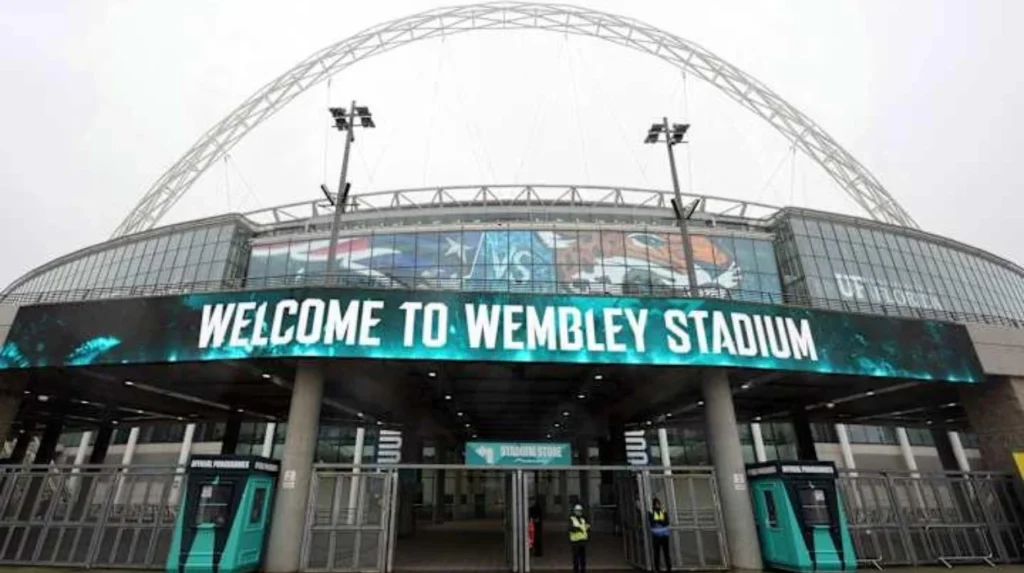
Wembley Stadium is a large sports and entertainment venue in Wembley. Its transport demand changes significantly during football matches, concerts and other major events.
Wembley Park Underground Station is served by both the Metropolitan and Jubilee lines. TfL identifies the station as having connections with both lines.
Wembley Stadium station provides a separate National Rail option. The station is located close to the stadium and forms part of the rail network serving the Wembley area.
Wembley Central is another option, particularly for passengers arriving by bus or London Overground. TfL lists Wembley Central as a bus interchange with multiple routes.
Event travel requires additional planning because station approaches become crowded. TfL regularly publishes temporary travel information for major Wembley events.
The final walking section is therefore an important part of the journey. Passengers should follow event-specific signs and instructions rather than relying only on the nearest station name.
Is Wembley Park or Wembley Central better for Wembley?
Wembley Park is generally the key Underground access point for Wembley Stadium and Wembley Park developments, while Wembley Central provides strong bus, Overground and Underground connections around Wembley High Road. The correct station depends on the final destination.
Wembley Park Station is located on Bridge Road and is served by the Jubilee and Metropolitan lines. TfL lists both Underground lines at the station.
Wembley Central is located on High Road and has a broader local bus interchange. TfL lists routes 18, 92, 182, 204 and night services among its connections.
For Wembley Stadium events, Wembley Park is an important arrival point. Olympic Way provides the major pedestrian approach towards the stadium.
For Wembley High Road, local shopping, restaurants and businesses, Wembley Central can provide a more convenient arrival point.
For Wembley Arena and destinations around the central Wembley complex, the appropriate station depends on the exact venue entrance and current event arrangements.
Passengers with accessibility requirements should also check the latest station access information. TfL currently reports temporary lift access restrictions at Wembley Park between the street and ticket hall, while step-free access remains available through the Bridge Road entrance.
What bus routes connect the Barnet and Wembley areas?
Several bus routes create useful connections between Barnet, Brent Cross, Edgware and Wembley. Important examples include routes 326 and 182, while local services provide links from individual Barnet neighbourhoods to Underground and bus interchanges.
The London bus network is particularly important in outer north London because many journeys between neighbouring centres do not require central London connections.
Route 326 connects High Barnet with Brent Cross.
Route 182 then provides the onward connection from Brent Cross towards Wembley. TfL information identifies Wembley Central, Wembley Stadium and Wembley Park among its Wembley-area destinations.
Edgware provides another useful northern interchange. Route 204 operates between Edgware and Wembley Central, giving travellers in western parts of Barnet another route towards Wembley. TfL’s current Wembley Central information lists route 204 among the services operating at the station.
This creates several practical journey patterns rather than one universal route.
Travellers in eastern Barnet can use local buses towards High Barnet or other Underground stations. Travellers in central Barnet can use High Barnet Station. Travellers around western Barnet can consider Edgware connections.
The correct option depends on walking distance, traffic, service frequency and final destination.
How much does it cost to travel from Barnet to Wembley?
London travel costs depend on the combination of bus, Tube and rail services used. Contactless and Oyster pay as you go simplify payment, while bus-only journeys use a separate bus and tram fare structure with the Hopper fare.
TfL accepts contactless payment and Oyster pay as you go across buses, Underground services, London Overground and other participating London transport services. Passengers should use the same contactless card or device throughout a journey to ensure the correct fare calculation.
As of September 2026, the adult pay-as-you-go bus and tram fare is £1.75. The Hopper fare allows unlimited bus and tram journeys within one hour of the first touch-in when the same payment method is used.
A journey involving the Tube has a different fare calculation because Underground and rail fares depend on the zones and journey made.
Current fare levels change over time, so travellers should use TfL’s fare finder before travelling if the exact cost matters.
Visitors from outside the United Kingdom should also check whether their bank charges foreign transaction fees when using a non-UK contactless card. TfL states that many overseas contactless cards work on the network, but additional charges can depend on the card issuer.
Should you travel by car from Barnet to Wembley?
Driving from Barnet to Wembley provides door-to-door flexibility, but road congestion, parking costs and event traffic make car travel less predictable. Public transport is usually easier for major Wembley events because dedicated rail and Underground services avoid much road congestion.
Car travel remains useful for passengers carrying bulky equipment, travelling with several people or starting from a location with limited public transport.
The journey normally uses the north-west London road network connecting Barnet, Brent Cross and Wembley. Traffic conditions vary significantly during weekday peaks.
Wembley event days create an additional consideration. Football matches and concerts attract large numbers of visitors, increasing traffic and parking demand around the stadium district.
Parking should therefore be planned before departure. Drivers should check restrictions, parking availability and event-specific traffic arrangements rather than assuming that standard local parking will be available.
For leisure travellers, a park-and-ride style approach using a suitable Underground or bus interchange can reduce the amount of driving required.
Is cycling from Barnet to Wembley practical?
Cycling provides a direct road-based alternative for confident cyclists and reduces dependence on public transport. The practical route depends on the exact Barnet starting point, road conditions, cycle infrastructure and the cyclist’s experience with north-west London traffic.
Barnet and Wembley are connected by London’s wider network of roads and local streets. Cycling can therefore provide flexibility when public transport connections are inconvenient.
The route should be planned using current cycling information rather than simply following the shortest driving route. Roads suitable for cars are not automatically suitable for bicycles.
Secure cycle parking at the destination is another important consideration. Event venues can introduce temporary restrictions or changes around major gatherings.
Cycling also removes the need to find a parking space in Wembley, but the final approach can become busy during stadium events.
For visitors unfamiliar with the area, public transport provides a simpler option. Local residents who already understand the road network have more flexibility.
How reliable is public transport between Barnet and Wembley?
Public transport reliability depends on the operating mode, time of day, traffic conditions and planned engineering work. Underground services avoid road congestion, while buses provide more direct orbital routes but remain affected by traffic conditions.
The Northern line provides a strong connection from High Barnet into central and north London. TfL publishes live service information and first and last train details for High Barnet.
Bus routes provide valuable orbital connections, particularly through Brent Cross and Edgware. Their main operational limitation is road traffic.
Major events introduce another reliability factor. Wembley stations can become exceptionally busy before and after events, so passengers need additional time for queues and pedestrian movement.
TfL publishes live status information for its transport modes. Checking this information immediately before departure provides the most accurate picture of disruptions and station closures.
The same principle applies to accessibility. Station facilities and lift availability can change temporarily, so passengers requiring step-free access should check current TfL information before travelling.
How does Wembley’s transport network affect Barnet journeys?
Wembley functions as a major north-west London transport and entertainment centre, so Barnet journeys benefit from multiple arrival points. Wembley Park, Wembley Central and Wembley Stadium provide different combinations of Underground, bus, Overground and National Rail connections.
The concentration of transport infrastructure around Wembley reflects the area’s development as a major London destination.
Wembley Park provides Metropolitan and Jubilee line services. Wembley Central provides Underground, Overground and extensive bus connections. Wembley Stadium provides National Rail access.
This network allows passengers to select an arrival point according to their final destination rather than treating Wembley as a single station.
The area also has a substantial historical dimension. The modern transport network developed alongside Wembley’s transformation into a major sporting and entertainment district. As you travel through the modern area, read the [Insert Anchor Text for Wembley History Article Here] to understand the area’s origins and development.
For SEO and topical understanding, this distinction between Wembley Park, Wembley Central and Wembley Stadium is important. They are separate transport entities serving different parts of the same wider destination.
Explore More Area Guide
Barnet Parking: Car Parks, Charges & Visitor Restrictions
Can You Cycle Around Barnet? Routes, Lanes and Parks
What is the best Barnet-to-Wembley route for tourists?
Tourists should choose the route according to their Wembley destination, with Wembley Park, Wembley Central and Wembley Stadium treated as separate arrival points. Public transport offers the clearest combination of Underground and bus connections for visitors unfamiliar with the area.
Tourists travelling from Barnet often combine sightseeing with shopping, dining or an event.
A visitor staying near High Barnet can begin at High Barnet Underground Station and use the Northern line before changing for Wembley. This approach uses established Underground interchanges and avoids navigating unfamiliar roads.
Visitors staying closer to Brent Cross can use route 182 towards Wembley, particularly when the bus route matches their final destination.
Visitors near western Barnet can investigate Edgware-based connections, including route 204 towards Wembley Central.
The most important planning step is to identify the destination postcode or venue entrance before starting the journey.
A traveller heading to Wembley Stadium, for example, should not simply search for “Wembley” and select the first station shown. Wembley Park, Wembley Central and Wembley Stadium have different locations and transport connections.
What should you check before travelling from Barnet to Wembley?
Check the exact destination, live TfL service status, planned engineering work, station accessibility and event information before leaving Barnet. These checks reduce unnecessary changes and help passengers select the most suitable Wembley arrival point.
The first check should be the exact destination.
Wembley Park, Wembley Stadium, Wembley Arena and Wembley Central are distinct locations.
The second check should be the current transport status. TfL publishes live information for Underground and other services. High Barnet and Wembley Park both have dedicated TfL information pages with service and accessibility updates.
The third check should be accessibility.
Wembley Park currently has a temporary restriction affecting lift access between street level and the ticket hall, although step-free access remains available through Bridge Road.
The fourth check should be event information.
A normal journey on an ordinary weekday differs from travel immediately before a major Wembley Stadium event. Additional walking time, queues and station-management arrangements are common during large events.
Finally, passengers should use the same contactless card or device for pay-as-you-go journeys where applicable. TfL specifically advises against switching between devices because this can result in incorrect fare calculation.
For most Barnet residents and visitors, the transport network provides several practical ways to reach Wembley. The strongest choices are the Northern line for Underground-based journeys, the 326 and 182 combination for an orbital bus journey from High Barnet, and the Edgware-to-Wembley bus network for western Barnet. The final destination should determine the arrival station.
Wembley Park suits many stadium and northern Wembley destinations. Wembley Central provides a major High Road interchange. Wembley Stadium provides a National Rail option. Selecting the correct transport point before departure makes the Barnet-to-Wembley journey simpler, more predictable and easier to navigate.
What is the easiest way to get from Barnet to Wembley?
The easiest option depends on your starting point. From High Barnet, the Northern line provides a useful first connection, while bus routes through Brent Cross and Edgware offer alternatives for reaching Wembley.