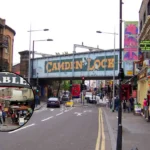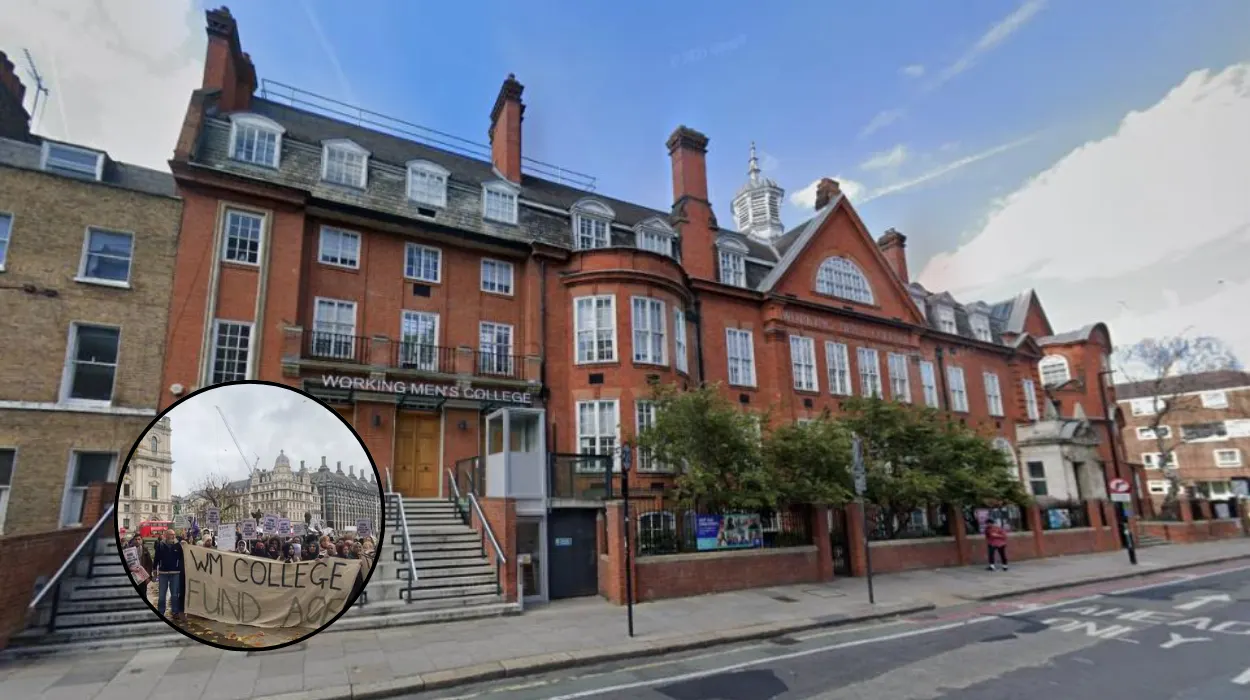
Camden College North London captures the essence of educational excellence in one of the UK’s most dynamic boroughs, where historic institutions blend timeless learning with modern aspirations. Often referring to landmarks like Camden School for Girls and nearby further education hubs such as City Lit’s Camden campus or the Working Men’s College, this area has shaped generations of North Londoners through inclusive, high-achieving programs.
Historical Foundations
The roots of Camden’s educational prominence stretch back to the Victorian era, when pioneers like Frances Mary Buss established the Camden School for Girls in 1871 as a trailblazing secondary school for girls from modest backgrounds. Buss, building on her North London Collegiate School founded in 1850, championed rigorous academics amid industrial London, relocating the school to Sandall Road and adding science facilities with support from figures like Nobel laureate Sir John Cockcroft. Meanwhile, the Working Men’s College, opened in 1854 on Crowndale Road, became Europe’s oldest adult education center, driven by Christian socialist Frederick Denison Maurice to uplift working-class men through lectures and classes.
These foundations reflected North London’s evolution from textile mills and railways to a knowledge hub, bolstered by the 1864 Schools Enquiry Commission that affirmed girls’ right to advanced study. Government initiatives and local philanthropy ensured steady growth, setting precedents for today’s state-funded excellence.
Key Institutions Today
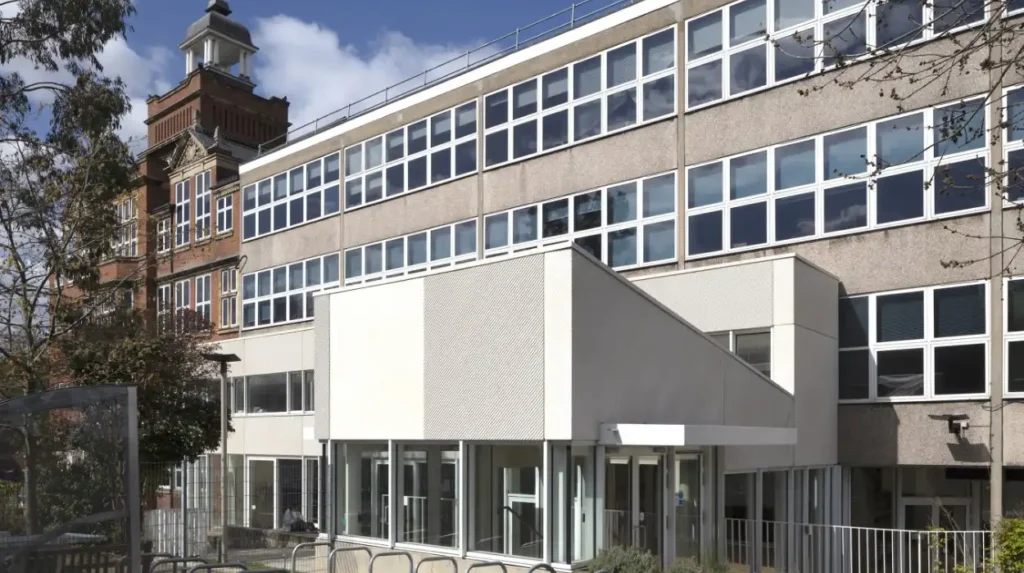
Camden School for Girls stands as a specialist music college for ages 11-18, maintaining its green-uniform tradition while delivering top GCSE and A-level results in arts and sciences. North London Collegiate School, now in Edgware but born in Camden, upholds Buss’s legacy with a focus on empowering girls in STEM, humanities, and leadership. Adult learners turn to City Lit’s Camden site for courses in languages, creative arts, and vocational skills, or the Working Men’s College for degrees and community programs.
These venues align with UK government lifelong learning goals, as outlined on GOV.UK further education pages, offering accessible paths from GCSEs to apprenticeships. The borough’s diversity enriches classrooms, drawing families seeking “Camden college North London” for culturally vibrant education.
Academic Excellence
Institutions in Camden consistently outperform national averages, with Camden School for Girls earning specialist status and high progression rates to Russell Group universities. Department for Education data highlights 90%+ employment or higher education outcomes from local further education providers, crediting inclusive policies and STEM investments like 1960s labs. Research from UCL’s Institute of Education underscores North London’s role in social mobility, with studies in the British Journal of Educational Studies praising pre-1944 innovations that democratized learning.
Borough reports emphasize extracurriculars, from music ensembles to debate clubs, fostering well-rounded graduates amid Camden’s punk-rock backdrop.
Cultural Impact
Camden’s education scene thrives alongside its iconic markets, canals, and music venues, creating a unique synergy of creativity and scholarship. Alumni from Camden School for Girls span arts, politics, and business, embodying the motto “Onwards and Upwards” in North London’s eclectic spirit. Community events like open days and lectures bridge campuses with locals, preserving heritage while adapting to modern needs such as digital skills training.
This fusion ensures enduring appeal, positioning Camden as a perennial choice for families googling education options in North London.
Why Choose Camden
Proximity to UCL and other top universities, diverse cohorts, and scholarships make Camden ideal for ambitious students. Historic stability, confirmed by Wikipedia and school archives, guarantees quality amid London’s changes. For North London residents, these colleges offer lifelong growth—explore admissions at official sites like camdengirls.camden.sch.uk.