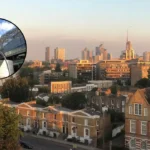
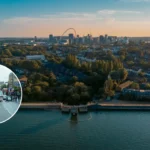
Haringey, a vibrant London borough in North London, blends rich history with modern diversity, making it a gem for residents and visitors alike. Spanning areas like Tottenham, Wood Green, and Harringay, it offers green spaces, cultural hotspots, and a unique urban-rural mix.
Ancient Roots and Saxon Origins
Haringey’s story begins in the Iron Age with the Celtic Catuvellauni tribe inhabiting the lands now part of the borough. Roman roads like Ermine Street, which became Tottenham High Road, highlight early infrastructure and possible settlements.
By the 5th and 6th centuries, Saxon settlers established Haeringehaia, meaning “meadow of hares” in Old English, marking the area’s rural character. This pastoral landscape persisted through the Middle Ages as part of the vast Hornsey parish and manor.
Victorian Transformation and Urban Boom
The 18th century saw grand country houses emerge near London, but railways from the mid-19th century sparked rapid urbanization. By 1900, rural fields turned into terraced housing and shopping centers along Green Lanes.
Harringay, straddling Hornsey and Tottenham, developed from 1880 onward on estates like Haringay House and St John’s Farm. Late Victorian expansion erased farmland, creating a unified suburban district by the early 1900s.
Post-1965, the London Borough of Haringey formed by merging Hornsey, Tottenham, and Wood Green, unifying governance for the first time in over a millennium.
Iconic Landmarks and Green Spaces
Haringey boasts diverse attractions. Alexandra Palace, perched on Muswell Hill, hosts events and offers panoramic views as a historic entertainment venue.
Parkland Walk, a former railway line turned nature reserve, winds through Harringay, ideal for walks amid wildlife. Finsbury Park provides expansive greenery for sports and festivals.
Highgate Cemetery shelters famous graves like Karl Marx’s, blending history with Gothic architecture. Tottenham Hotspur Stadium stands as a modern marvel for football fans.
Cultural Diversity and Community Life
Immigration post-World War II reshaped Haringey into a multicultural hub. Neighborhoods like Wood Green thrive with international markets and eateries.
Turkey Street and Seven Sisters buzz with Caribbean, Turkish, and African influences, fostering vibrant street food scenes. Community festivals celebrate this mix yearly.
Arts venues like the Bernie Grant Arts Centre promote local talent in music and theater.
Economy, Education, and Living in Haringey
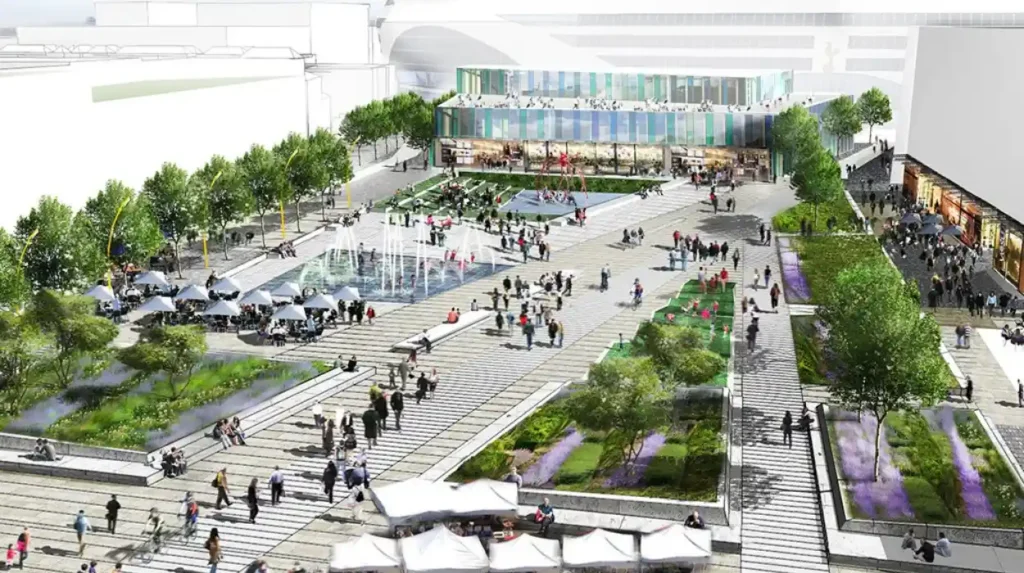
Wood Green serves as the economic core with retail hubs like the shopping mall. Tottenham evolves through regeneration, boosting tech and creative industries.
Schools like Gladesmore Community School excel academically. Universities nearby enhance opportunities.
Housing varies from Victorian villas to modern flats, with average prices appealing for North London. Excellent transport links Tube lines to central London.

Why Haringey Endures as North London’s Hidden Gem
Haringey’s evolution from hare meadows to dynamic borough ensures its timeless appeal. Its blend of history, nature, and culture keeps it relevant for families, professionals, and explorers.
Explore Tottenham Marshes for tranquility or catch a Spurs match for excitement. Haringey invites discovery year-round.