Barnet offers a strong mix of village-like settlements, historic centres, green spaces, and practical town areas. For visitors, the best neighbourhoods to explore are High Barnet, Monken Hadley, Totteridge, East Barnet, Finchley, Hendon, and Mill Hill.
- Which Barnet neighbourhoods give the strongest village feel?
- Why is High Barnet the best starting point?
- What makes Monken Hadley and Totteridge worth visiting?
- Which areas suit parks, walking, and downtime?
- Where should digital nomads and business travellers base themselves?
- How does Barnet’s history shape its neighbourhoods?
- Which areas should you choose for different trips?
Which Barnet neighbourhoods give the strongest village feel?
Barnet’s strongest village-feel areas are High Barnet, Monken Hadley, Totteridge, and East Barnet. These places combine older streets, local centres, low-rise housing, and green edges, which gives them a calmer character than central London or denser urban districts.
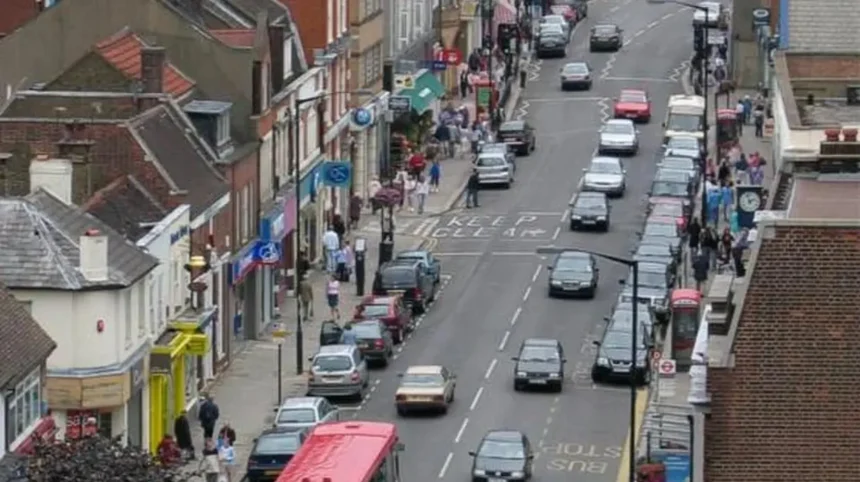
High Barnet is the best-known historic centre in the borough. It keeps the feel of an old market town, with a recognisable high street and a strong sense of local identity. Visitors use it as the main starting point for exploring the north of Barnet.
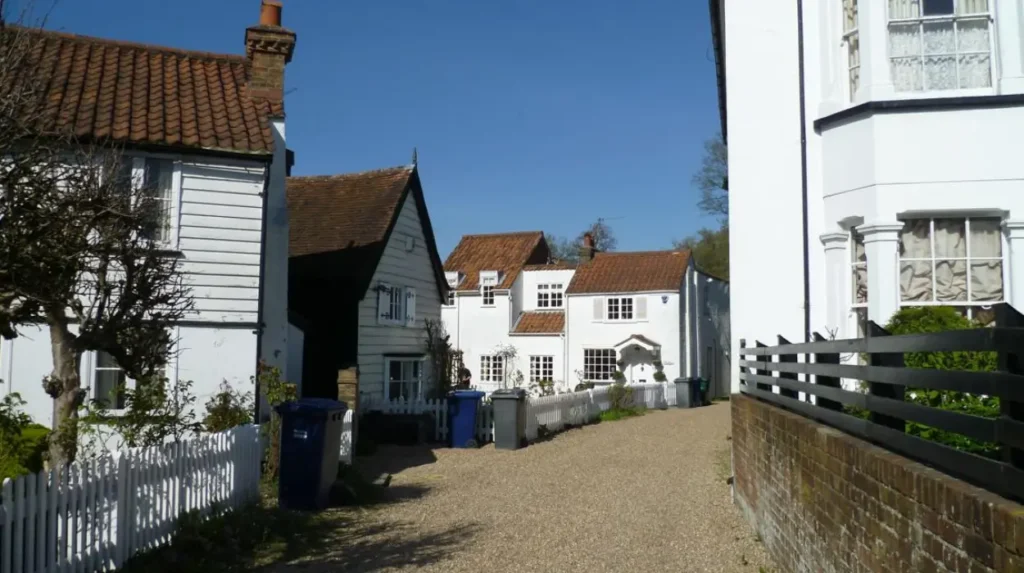
Monken Hadley feels especially distinctive because it sits close to open space and retains a strong heritage character. It suits visitors who want quiet streets, walking routes, and a more traditional village atmosphere inside Greater London.
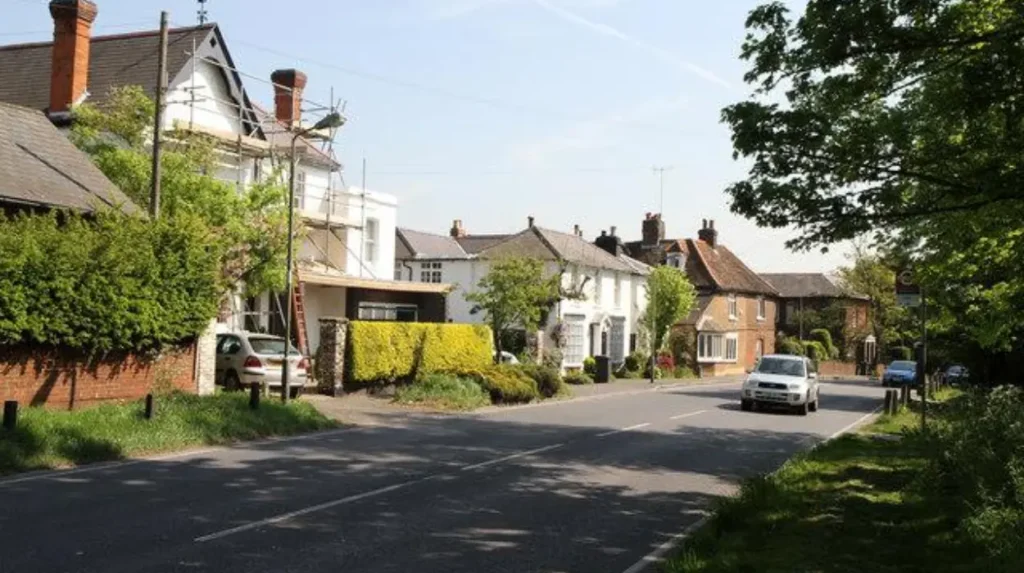
Totteridge has a secluded and residential feel. It is known for mature trees, larger homes, and a greener landscape than many other parts of London. That makes it attractive for travellers who prefer calm surroundings.
East Barnet also has a local, low-key character. It works well for visitors who want a quieter base with access to everyday shops, parks, and transport links without the busy atmosphere of a major town centre.
Why is High Barnet the best starting point?
High Barnet is the best starting point because it combines history, shops, transport, and easy access to nearby areas. It gives first-time visitors a clear introduction to Barnet while also working well as a practical base for exploring the rest of the borough.
High Barnet is the historic heart of the area. It has the strongest sense of an old settlement, with a town-centre layout that feels different from the borough’s more suburban districts.
It also works well for orientation. From High Barnet, visitors can move easily towards Monken Hadley, Hadley Green, and other nearby neighbourhoods. That makes it ideal for a first half-day or full-day visit.
The area suits travellers who want a mix of sightseeing and convenience. They can walk through historic streets, stop for food, and use the area as a base before moving into quieter neighbourhoods nearby.
What makes Monken Hadley and Totteridge worth visiting?
Monken Hadley and Totteridge are worth visiting because they show Barnet’s most historic and green character. These neighbourhoods are less commercial, more peaceful, and better suited to walking, photography, and slow exploration.
Monken Hadley is one of the most attractive places in Barnet for heritage-focused visitors. It has a strong conservation feel and a landscape that looks and feels older than most suburban parts of London.
The area is also useful for short walks and relaxed visits. Its streets, green areas, and village-style layout create a clear contrast with busier parts of the borough.
Totteridge offers a different kind of appeal. It feels spacious, private, and leafy. Visitors often choose it for its quiet roads and its strong connection to the natural landscape around north London.
Together, Monken Hadley and Totteridge show the two main sides of Barnet’s village identity: one historic and community-based, the other green and residential.
Which areas suit parks, walking, and downtime?
The best Barnet areas for parks, walking, and downtime are Monken Hadley, Mill Hill, East Barnet, and parts of High Barnet. These neighbourhoods offer access to green space, calmer roads, and a slower pace of movement than the borough’s busier commercial centres.
Monken Hadley is especially useful for walkers because of its open setting and heritage surroundings. It suits a quiet morning or afternoon walk.
Mill Hill is a good option for visitors who want more space and a less crowded environment. It combines residential calm with access to open land and local facilities.
East Barnet gives a balanced experience. It has enough local activity to stay practical, but it does not feel as intense as busier shopping districts.
High Barnet also works well for downtime because it links easily to nearby green spaces. That makes it a useful choice for visitors who want a mix of town-centre convenience and outdoor time.
Where should digital nomads and business travellers base themselves?
Digital nomads and business travellers should base themselves in Finchley, Hendon, Mill Hill, or High Barnet. These areas offer better transport, services, cafés, and accommodation choices than Barnet’s quieter village neighbourhoods.
Finchley is one of the most practical options because it has strong local services and good transport links. It suits remote workers who need easy movement and access to everyday essentials.
Hendon is also highly functional. It works well for business travel because it is well connected and has a more urban feel than the quieter northern neighbourhoods.
Mill Hill suits longer stays for people who want a calmer working environment. It offers a more residential pace and a better balance between work and downtime.
High Barnet is useful for travellers who want both convenience and atmosphere. It gives access to local services while still feeling more historic than many other parts of the borough.
Explore More Area Guide
How Accessible Is Barnet for First-Time Visitors? Travel Guide
The Ultimate Guide to the Best Shopping Destinations in Barnet London
How does Barnet’s history shape its neighbourhoods?
Barnet’s history shapes its neighbourhoods through old settlements, conservation areas, and later suburban growth. The result is a borough with a clear mix of historic village-like places and more modern residential districts.
High Barnet reflects the borough’s older settlement pattern. It still feels like a traditional town centre rather than a modern shopping district.
Monken Hadley and Totteridge preserve more of the landscape and street character associated with earlier Barnet. That gives them a stronger sense of continuity and local identity.
At the same time, places like Finchley, Hendon, and Mill Hill reflect later suburban development. They are more practical and connected, but less historic in feel.
This contrast is one of Barnet’s main strengths. It lets visitors choose between old village character and modern suburban convenience within the same borough.
Which areas should you choose for different trips?
Choose High Barnet for first-time sightseeing, Monken Hadley for heritage walks, Totteridge for quiet scenery, Finchley for convenience, Hendon for business access, Mill Hill for a relaxed base, and East Barnet for an easy local day out.
For a first visit, High Barnet is the best single choice. It gives the clearest introduction to the borough and works well for visitors who want a simple starting point.
For a slower, more scenic visit, Monken Hadley and Totteridge are the best options. They are quieter and more attractive for walking than the busier commercial districts.
For practical travel, Finchley and Hendon are the most useful. They suit visitors who care more about transport and convenience than heritage atmosphere.
For a balanced experience, Mill Hill and East Barnet are good choices. They give a calmer pace while still offering access to local facilities.
Barnet works best when visitors match the neighbourhood to their purpose. That is the easiest way to get the most from the borough’s range of local areas.