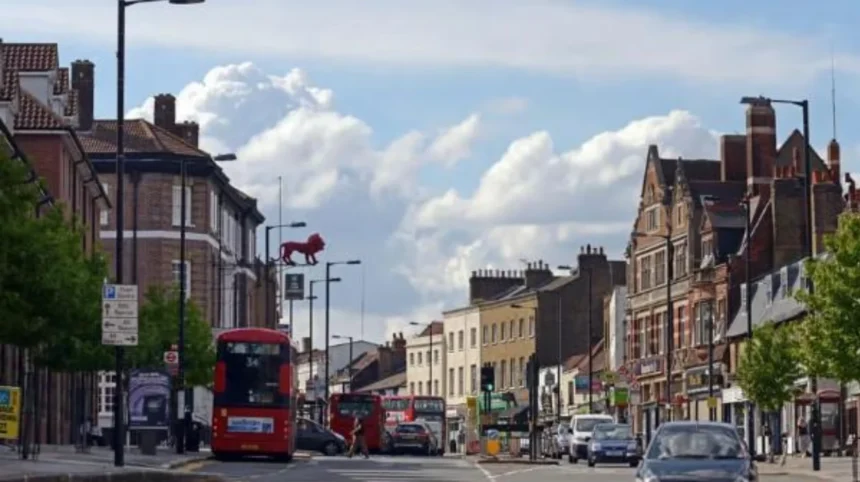
High Barnet, East Barnet, and Finchley are all in North London, but they feel very different in practice. High Barnet is the historic market-town end of the borough, East Barnet is quieter and greener, and Finchley is broader, busier, and more commuter-led.
- What is the simplest way to define these three areas?
- Why does High Barnet feel more historic?
- What kind of visitor experience does High Barnet offer?
- Why is East Barnet different from High Barnet?
- How does Finchley differ from both Barnets?
- Which area works best for tourists?
- What are the main differences in housing and streetscape?
- How do transport links shape each area?
- Which area suits digital nomads and business travellers?
- What should visitors remember before choosing between them?
What is the simplest way to define these three areas?
High Barnet is the old market town at the top of the borough, East Barnet is a leafy residential district with parkland, and Finchley is a larger suburban area with several local centres, stronger commuter links, and a more varied street pattern.
These places are close together, but they serve different purposes. High Barnet has the clearest historic core. East Barnet feels more like a settled neighbourhood. Finchley is less one single place and more a collection of connected districts with different characters.
For visitors, that means the experience changes a lot depending on where you go. One area is better for heritage, one for calm green surroundings, and one for convenience and everyday life.
Why does High Barnet feel more historic?
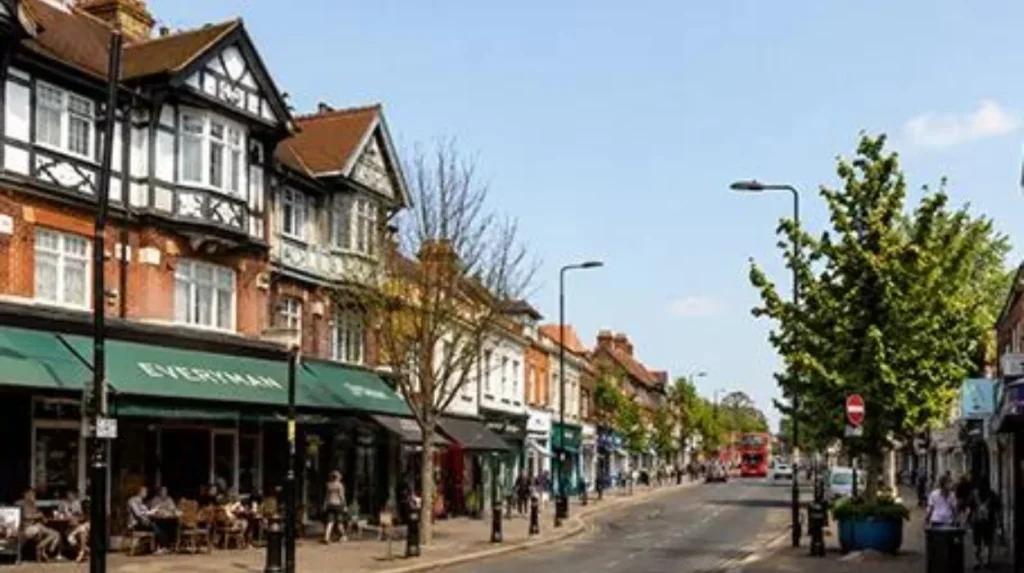
High Barnet feels more historic because it developed as a market town, kept a strong high-street centre, and retained the most obvious sense of older settlement structure in this part of Barnet.
High Barnet is the place most people mean when they say “Barnet” in a historic sense. It has the strongest connection to the old market town identity, with a traditional centre, older streets, and a sense of height and separation from the surrounding suburbs.
Its hilltop position matters too. That gives it a more distinct identity than flatter, more residential parts of the borough. It also makes the area feel more like a town centre than a suburb.
Transport reinforced that role. High Barnet became the northern end of the Underground line serving this branch, which made it easier to reach central London while keeping its older town character intact.
What kind of visitor experience does High Barnet offer?
High Barnet is best for visitors who want history, local character, independent shops, cafés, pubs, and a walkable town centre with a stronger sense of place than the other two areas.
It works well for short visits because the identity is easy to read. You can arrive, walk the main streets, stop for food or coffee, and get a clear feel for the area without needing a large itinerary.
It also suits travellers who prefer somewhere with a visible local centre rather than a generic suburb. High Barnet is the most destination-like of the three. It has the most obvious heritage appeal and the strongest “old North London” atmosphere.
For residents, it offers a useful mix of amenities and a recognisable centre. For leisure travellers, it is the best choice if the goal is to explore the character of Barnet rather than just use it as a base.
Why is East Barnet different from High Barnet?
East Barnet is different because it is calmer, more residential, more park-oriented, and less defined by a historic town centre.
East Barnet feels softer and more local. It is shaped more by family housing, green space, and neighbourhood life than by a major shopping or heritage core. That gives it a quieter atmosphere than High Barnet.
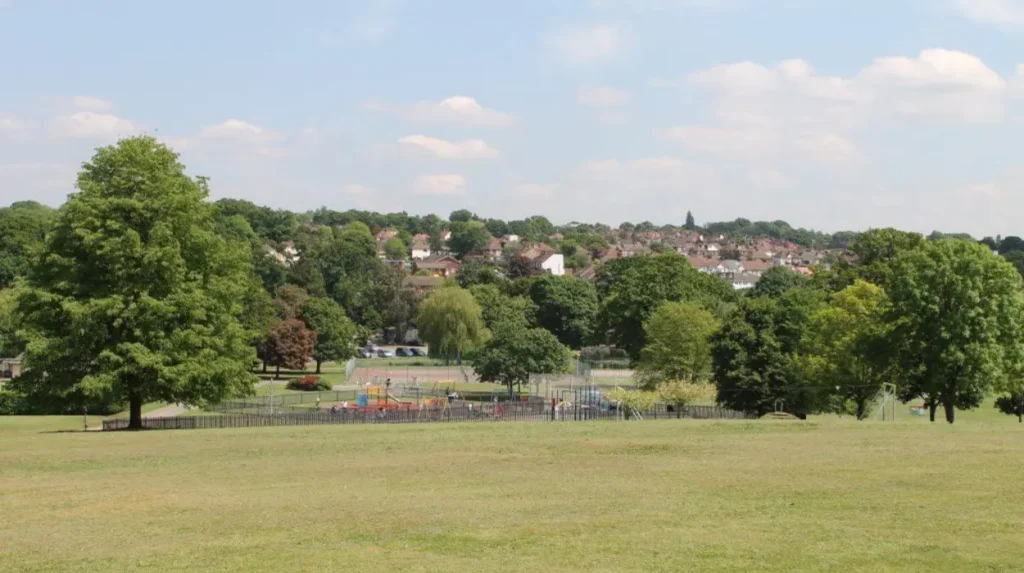
It is also strongly linked to parkland and outdoor use. The area suits walking, family time, and low-key leisure more than busy sightseeing. People go there for the environment, not for a market-town centre.
That is the main difference in feeling. High Barnet is the old town. East Barnet is the residential green district. One is more historic and concentrated; the other is more relaxed and spread out.
How does Finchley differ from both Barnets?
Finchley differs because it is larger, more varied, and more commuter-focused, with several sub-areas that each have their own pace, housing style, and local centre.
Finchley is not as easily summarised as the other two. It includes different neighbourhoods that feel separate in daily life. Some parts are busier and more commercial. Some are quieter and more residential. Some are strongly linked to commuting and transport.
That makes Finchley more practical than dramatic. It is a place people use for living, travelling through, shopping locally, and getting into central London. It does not have the same single historic core as High Barnet.
Compared with East Barnet, Finchley is more urban and more layered. Compared with High Barnet, it is less focused on heritage and more focused on convenience.
Which area works best for tourists?
High Barnet works best for tourists who want history, East Barnet works best for quiet green leisure, and Finchley works best for practical stays with good access and everyday facilities.
If the trip is about atmosphere, High Barnet is the strongest choice. It has the most distinctive town identity and the clearest historic setting.
If the trip is about calm surroundings, East Barnet is better. It gives visitors a slower pace, more residential comfort, and easier access to green space.
If the trip is about staying connected while moving around London, Finchley is the most useful. It is the easiest of the three for transport, daily needs, and flexible short-stay living.
What are the main differences in housing and streetscape?
High Barnet has more historic and varied housing, East Barnet has more settled family housing near green space, and Finchley has the widest mix, including denser suburban streets and more expensive residential pockets.
High Barnet usually feels older and more layered. Its housing and streets reflect the area’s long history. That gives it a stronger sense of change over time and a more traditional townscape.
East Barnet is more uniform in feel. It is mostly about family life, local streets, and residential stability. There is less of the older commercial-town look and more of a neighbourhood pattern.
Finchley is the most mixed. Some parts are dense and busy. Some are quiet and leafy. Some areas feel more affluent. That variety is part of what makes Finchley more complicated and less instantly defined.
How do transport links shape each area?
Transport makes High Barnet a terminus, Finchley a connected commuter corridor, and East Barnet a mainly residential district with less of a station-led identity.
High Barnet feels like the end of a line because it is. That gives it a stronger sense of being a destination in its own right. People arrive there intentionally rather than just passing through.
Finchley has several Underground stations across its different parts. That makes movement easier and spreads activity across a wider area. It is built for day-to-day commuting and access to central London.
East Barnet has less of that rail-centred identity. Its appeal comes more from its streets, homes, schools, and open space than from a major transit hub. That changes how visitors use it.
Explore More Area Guide
How to Explore Barnet Like a Local: Authentic North London Guide
What Is Barnet Famous For? History, Landmarks and Highlights
Which area suits digital nomads and business travellers?
Finchley suits digital nomads and business travellers best because it combines transport access, local services, food options, and a more practical day-to-day rhythm than either High Barnet or East Barnet.
Digital nomads usually need convenience first. Finchley gives them more choices for working, eating, moving around, and staying connected to the rest of London.
High Barnet can suit travellers who want a quieter base with stronger character. It is better for atmosphere than for constant practical movement.
East Barnet suits people who want calm and green surroundings. It is useful for downtime, but it is less obviously built around flexible work or business movement.
What should visitors remember before choosing between them?
High Barnet is the heritage choice, East Barnet is the quiet green choice, and Finchley is the practical mixed-use choice. The best option depends on whether the visitor wants history, rest, or convenience.
These three places are similar on a map but different in use. High Barnet is the most distinctive as a town. East Barnet is the most peaceful. Finchley is the most versatile.
That is why the right choice depends on the purpose of the trip. A tourist, resident, digital nomad, or business traveller will each value a different kind of place.