Enfield, located in North London, is a historically rich borough that has evolved from a royal hunting ground and market town into a vibrant suburban area. Famous for its mix of green spaces, historic landmarks, and modern amenities, Enfield offers a unique blend of heritage and community life that continues to attract residents and visitors alike.
Historical Background of Enfield
Enfield’s roots trace back to medieval times as part of the historic county of Middlesex. It was recorded in the Domesday Book of 1086 and was initially known for royal manors including Enfield and Edmonton. Throughout the Middle Ages, Enfield developed as a market town, officially granted a charter by King Edward I in 1303 to hold a weekly market and annual fairs. This market is one of the oldest continuous markets in the UK, symbolizing Enfield’s long-standing community and commercial importance.
The area was originally wooded and wealthy Londoners would come here to hunt, which later transitioned into building homes amidst the green surroundings. Enfield Chase, once an 8,349-acre royal hunting ground, was the site of a notable peasant rebellion in 1659, where locals successfully defended their land against military encroachment, exemplifying the borough’s spirit of resilience and community strength.
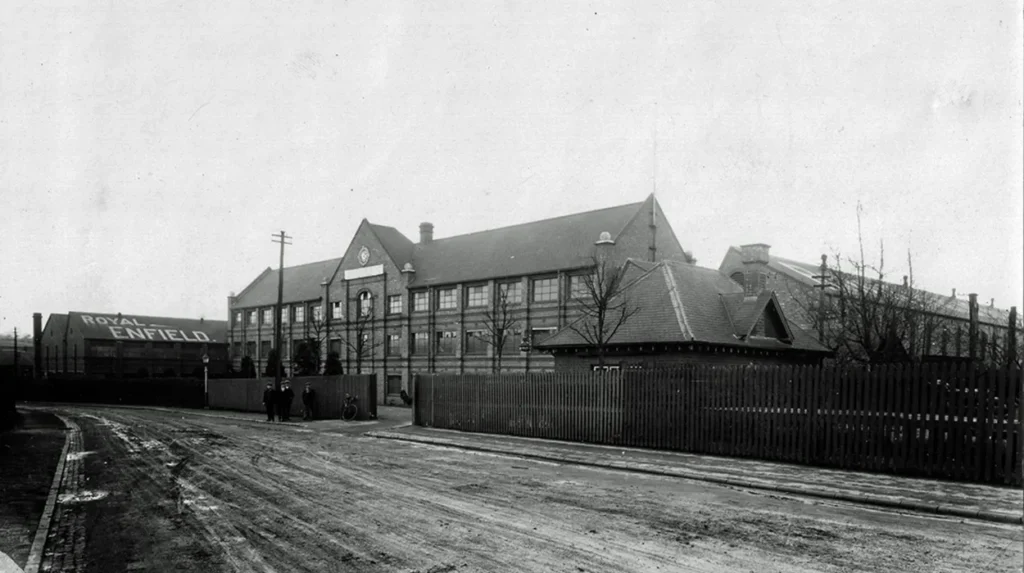
Enfield’s industrial history is also significant, with the development of the Royal Small Arms Factory in Enfield Lock during the early 19th century, contributing to the region’s economy and employment. Though the factory closed in the late 20th century, its legacy lives on through the redevelopment of the site into Enfield Island Village, a large housing estate that symbolizes the area’s transformation into a modern suburb while preserving its industrial heritage.
Transportation and Connectivity in Enfield
Enfield is well connected to central London and surrounding areas by road, rail, and underground services, making it an accessible and convenient place to live and visit. The borough benefits from multiple transportation options, including the Piccadilly Line of the London Underground, with stations such as Arnos Grove, Southgate, Oakwood, and Cockfosters—the latter serving as the line’s terminus.
Additionally, suburban rail services like the Great Northern line pass through Enfield, notably with the Hertford Loop providing rail access to and from the city. This connectivity has historically spurred residential growth, especially after the introduction of suburban railways with cheap fares in the 1870s, facilitating commuter living. Bus routes and major roads also ensure smooth travel within Enfield and neighboring boroughs, reinforcing its integration into the Greater London transport network.
Cultural and Recreational Highlights
Enfield offers a wealth of parks, open spaces, and community facilities that preserve the green character of the borough while supporting vibrant local life. Notable green spaces include Forty Hall Estate, a historic manor house surrounded by sweeping parkland, and Trent Park, a former country estate turned public park. These areas are cherished for their natural beauty and also serve as venues for community events and leisure activities.
Historic landmarks such as the Enfield Market Square, which evolved from the medieval marketplace, remain focal points of community and commerce. The old market cross, preserved and relocated to Myddelton House’s garden, illustrates Enfield’s dedication to preserving its historical artifacts.
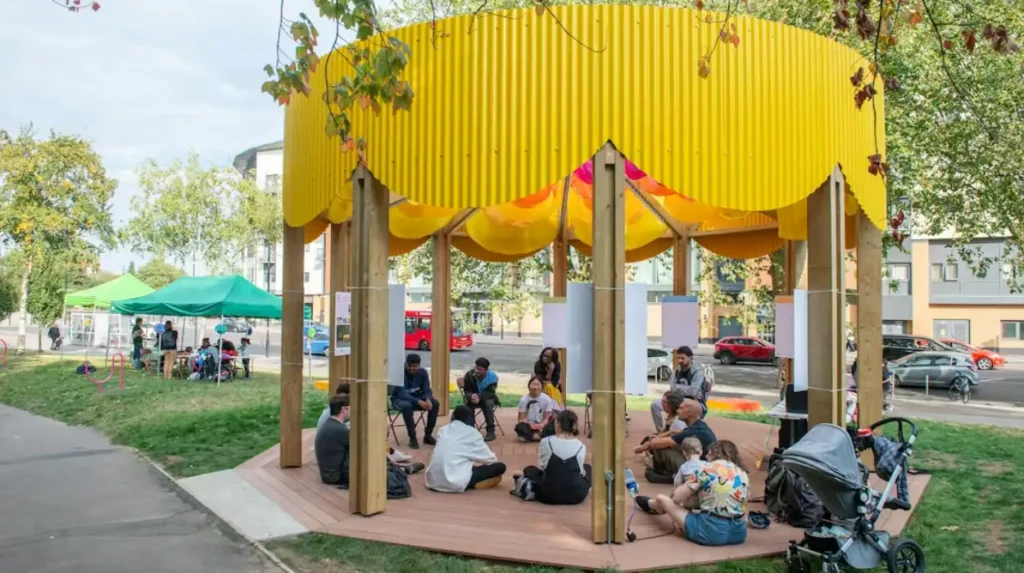
Local cultural institutions such as museums, community theatres, and libraries contribute to the dynamic cultural scene. Furthermore, Enfield hosts annual events that celebrate its history and diversity, creating a strong sense of identity and place that resonates with both long-term residents and newcomers.
Living in Enfield North London
Enfield is an attractive residential area offering a mix of housing styles from historic cottages and period homes to modern developments like Enfield Island Village. The borough blends urban convenience with suburban tranquility, making it popular among families, professionals, and retirees.
The education sector in Enfield is well served by a range of schools, colleges, and training centers, catering to diverse learning needs. Healthcare facilities and public services are also robust, aligned with the Greater London standards.
Community life thrives through numerous clubs, societies, and sports facilities that encourage active participation. Enfield’s shopping areas, local markets, and dining options add to the quality of life, sustaining a balanced environment for work, leisure, and family life.