North London’s historic buildings captivate with their architectural splendor and rich narratives spanning centuries. These enduring landmarks, from elegant Georgian estates to Victorian masterpieces, offer locals and visitors alike a window into the region’s layered past, making them perfect subjects for evergreen exploration.
Why North London’s Historic Buildings Matter
North London’s historic structures stand as vital links to its evolution from rural outskirts to vibrant urban enclaves. Many hold Grade I or II* listings, safeguarded by Historic England and local councils like those in Haringey, Enfield, and Islington, ensuring their preservation against modern pressures. These sites draw perennial interest through stories of royalty, merchants, and artists, blending architectural beauty with cultural significance that resonates year-round.
Their accessibility via TfL networks—Northern Line, Overground, and buses—fuels consistent searches for heritage trails, supporting SEO with timeless keywords like “North London historic sites.”
Jacobean and Georgian Masterpieces
Forty Hall in Enfield, constructed in 1622 for Sir Nicholas Rainton, exemplifies Jacobean symmetry with its grand oak-paneled rooms and expansive 273-acre estate featuring Capability Brown landscapes. Restored with a £7 million investment, it now serves as a museum hosting Tudor reenactments and art exhibits, drawing families for free entry and peaceful walks near Enfield Town station.
Kenwood House, perched on Hampstead Heath since its 1764 build and neoclassical makeover by Robert Adam, houses the Iveagh Bequest’s treasures including works by Rembrandt and Vermeer. Managed by English Heritage, its ivy-draped facade and lakeside setting make it a serene retreat, easily reached from Hampstead tube for picnics and panoramic views.
Apsley House, the Duke of Wellington’s 1778 residence near Hyde Park Corner, showcases Grade I opulence with Canova sculptures and Waterloo memorabilia in its state rooms. Open daily under English Heritage care, it highlights Regency grandeur on North London’s edge.
Victorian and Regency Elegance
Bruce Castle in Tottenham, tracing origins to the 1400s as one of Britain’s earliest brick buildings, evolved into a Haringey museum chronicling postal history with Victorian stamps and artifacts. Set in a lush park, it’s a quick Overground hop from Liverpool Street, ideal for local history buffs.
Fenton House in Hampstead, a 1693 merchant’s abode under National Trust stewardship, charms with baroque paneling, antique musical instruments, and walled gardens boasting 30 rose varieties. Summer concerts and proximity to Hampstead station enhance its appeal for cultural outings.
Islington’s Canonbury Tower, an early 16th-century relic once hosting Queen Elizabeth I, anchors Regency terraces with stucco facades and iron railings. Linked to Sir Francis Bacon, it offers glimpses of monastic roots during public access days.
Medieval and Ecclesiastical Gems
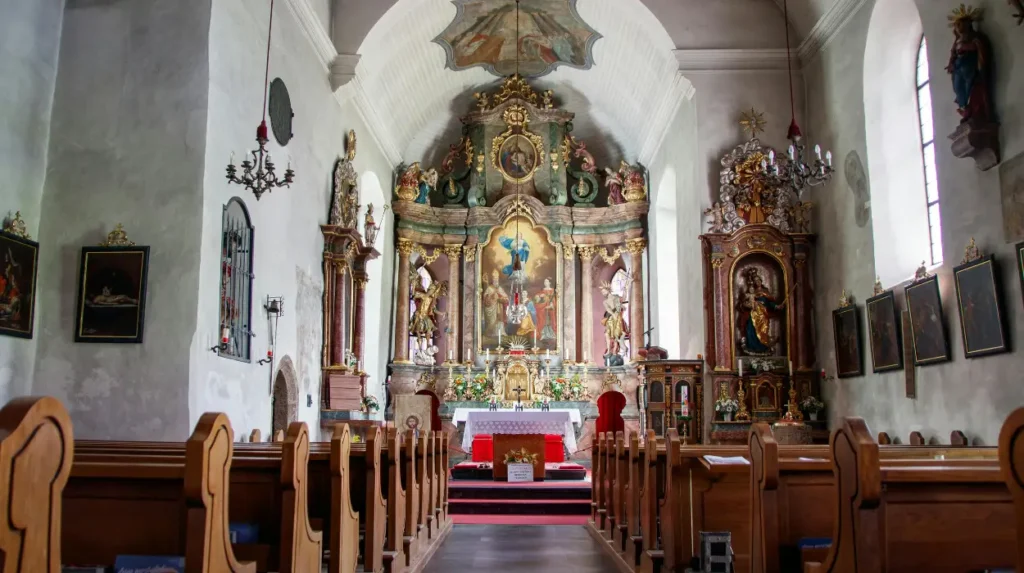
St. Mary’s Church in Highgate, rebuilt in the 1830s on medieval foundations, features Gothic Revival towers and overlooks Karl Marx’s nearby grave in Highgate Cemetery. Its churchyard provides tranquil walks amid historic whispers.
These ecclesiastical treasures underscore North London’s spiritual heritage, blending medieval resilience with Victorian revivalism for enduring fascination.
Literary and Artistic Havens
Keats House in Hampstead, the poet’s 1818-1821 Regency villa, preserves manuscripts of “Ode to a Nightingale” alongside period furnishings. Adjoining Hampstead Heath, it inspires modern creatives with its intimate literary aura.
2 Willow Road, Ernő Goldfinger’s 1939 modernist experiment, contrasts traditional peers through Bauhaus concrete and glass under National Trust care. Famously feuding with neighbors, it influenced Ian Fleming’s Bond villain and attracts architecture enthusiasts.
North London’s literary ties—from Keats to Orwell’s Canonbury days—infuse these homes with narrative depth, boosting searches for cultural landmarks.
Restored Estates and Gardens
Capel Manor Gardens in Enfield envelops a Victorian house in 30 acres of Italianate designs, tropical glasshouses, and a model village, hosting year-round events.
Myddelton House Gardens in Enfield, legacy of botanist E.A. Bowles from the early 1900s, spans eight acres of rare plants, recently restored and walkable from Turkey Street station.
Stephens House (Avenue House) in Finchley, a Victorian 1870s gift to locals, offers 10-acre grounds, theater performances, and cafes near Finchley Lido.
These community-supported revivals highlight adaptive preservation, keeping “restored North London estates” relevant.
Preservation Efforts and Challenges
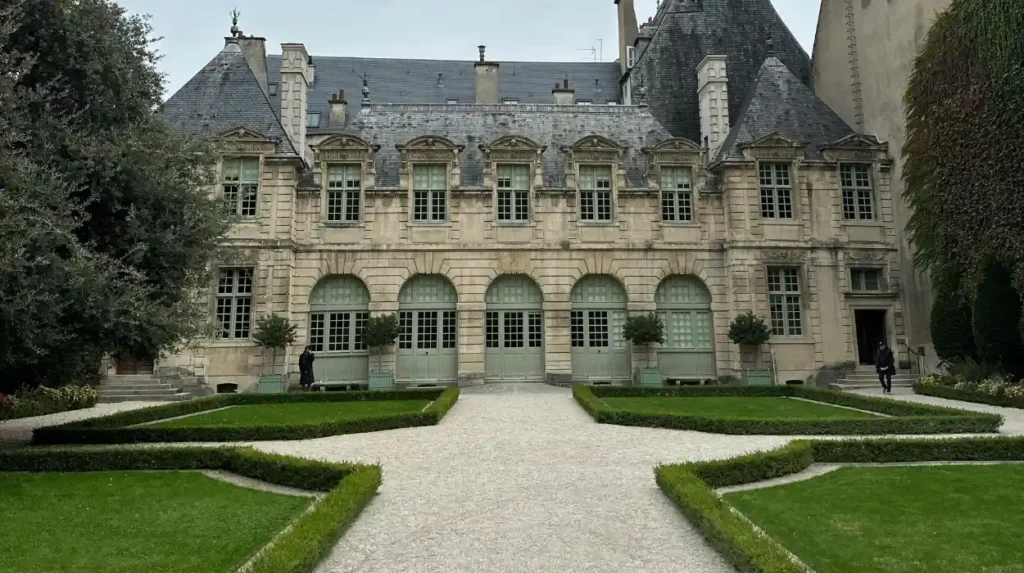
Local boroughs like Barnet and Haringey collaborate with Historic England to enforce listings, protecting against demolition through strict planning. Funding triumphs, such as Forty Hall’s grants, counter challenges like climate vulnerabilities and maintenance costs. Groups like Friends of Bruce Castle foster community involvement, ensuring longevity.
Cultural Impact Today
Historic buildings shape modern North London: Kenwood hosts music festivals, Spencer House luxury events, and Highgate Cemetery films like Love Actually. They anchor regeneration, influencing garden suburbs and creative industries for sustained relevance.
Planning Your Visit
Craft a trail starting at Kenwood for vistas, Hampstead for Fenton and Keats, Overground to Bruce Castle, and Forty Hall finale—spanning 1-2 days at £30-50 with passes. Spring gardens and autumn quiet suit all seasons; use TfL apps and Historic England’s AR tool.
Fun Facts for Enthusiasts
Bruce Castle’s bricks predate Columbus; Apsley’s porcelain seated 80; Goldfinger’s Willow Road sparked a literary villain. These tidbits spark shares and SEO shares.