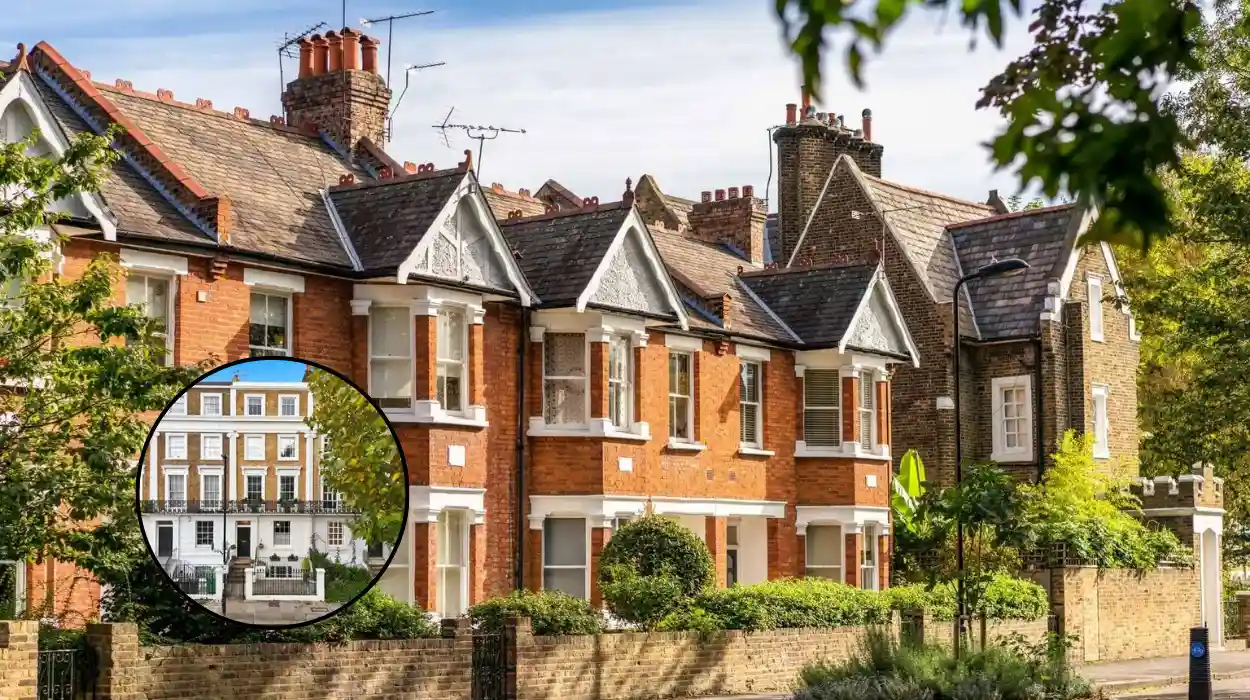
North London Camden houses embody a rich blend of Georgian elegance and Victorian resilience, attracting buyers and history lovers to this vibrant borough with their timeless architecture and cultural allure.
A Storied Past
Camden Town took shape in the late 18th century when Charles Pratt, the first Earl Camden, transformed open farmland into a residential grid beginning in 1791. Ambitious designs by architect George Dance the Younger evolved into practical terraces, with building leases sparking a self-contained suburb amid fields separating it from central London. The Regent’s Canal’s arrival in 1820 fueled industrial growth alongside grand homes on streets like Camden Square, marking the area’s shift from rural idyll to urban hub.
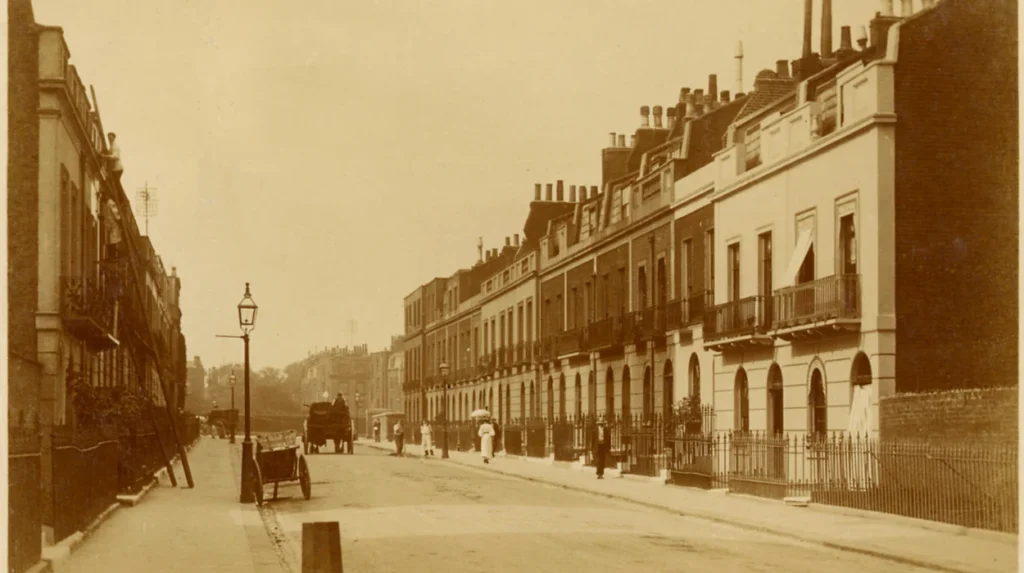
By the 1820s, stucco-fronted villas drew respectable residents, served by Camden Chapel—now a cathedral—in a style echoing John Nash’s nearby Regent’s Park. Landslips curtailed visions like the full Camden Crescent, yet surviving pedimented facades with the Earl’s elephant crest endure as neo-classical gems. Historian John Summerson later hailed it a quintessential Georgian suburb, expanding steadily through the 19th century on the historic Cantlowes estate.
Architectural Highlights
Camden’s housing stock fuses Regency terraces with Victorian semis, defined by yellow stock brick, sash windows, and wrought-iron railings that capture North London’s distinctive charm. Camden Square’s Grade I-listed 1840s villas feature Corinthian pilasters and pediments reminiscent of Bath’s crescents, while Delancey Street and Gloucester Avenue preserve intact Georgian rows. Mews once housing stables now charm as quaint cottages, popular with architects and creatives seeking period authenticity.
Victorian additions in Kentish Town and Gospel Oak bring red-brick variety, complete with bay windows and mansard roofs ripe for loft conversions. Conservation Areas safeguard these treasures amid canals and markets, including the evocative Upper Camden Place, a literary touchstone in Jane Austen’s Persuasion. Stucco parades and York stone steps maintain the borough’s cohesive aesthetic, blending seamlessly with modern life.
Living in Camden Homes Today
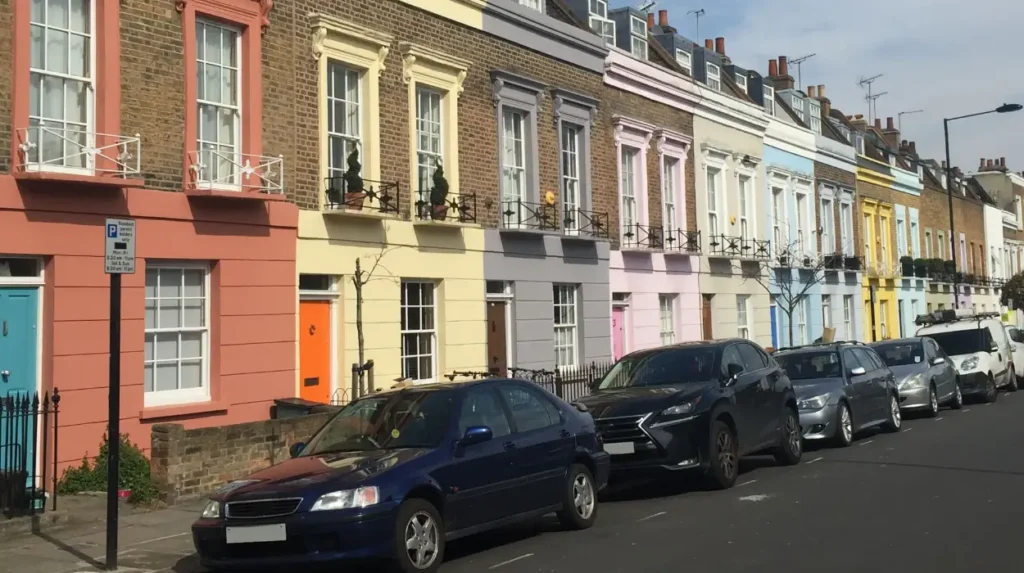
These homes fetch premium prices—terraced properties often surpass £1.2 million, with pristine Georgians doubling that—thanks to unbeatable access to markets, Overground lines, and cultural hotspots. Owners cherish original fireplaces, high ceilings, and canal vistas, renovating thoughtfully with open-plan spaces while navigating heritage restrictions. From Primrose Hill’s villas to Highgate’s ornate ironwork, conservation ensures enduring character for professionals, artists, and families.
Diverse communities, from Greek Cypriots to Portuguese influences, animate terraced streets, with mews offering quirky privacy. Sustainability tweaks like breathable lime plaster and double-glazed sashes integrate eco-features without compromising views or heritage. Proximity to Regent’s Park and Hampstead Heath adds lifestyle appeal, though leasehold issues and canal flood risks warrant careful checks.
Buying and Preserving
Prospective buyers should scour platforms like Rightmove for freehold terraces, prioritizing those in sought-after spots like Parkway or Leighton Road. Camden Council enforces rigorous planning for extensions, emphasizing facade preservation to protect the borough’s skyline. Restoration best practices include lime-based renders for moisture control and sympathetic modern insertions that honor original proportions.
Investment potential shines evergreen; these properties appreciate amid London’s northward migration, bolstered by Historic England protections. North London devotees find Camden houses a savvy, character-filled hold, blending history with future-proof value.
Cultural Legacy
Early 20th-century Camden Town Group artists like Spencer Gore and Harold Gilman immortalized the area’s gritty terraces in paint, capturing urban poetry amid industrial grit. Today, these homes shelter musicians, writers, and celebrities, echoing punk heritage from Dickens’ era to Amy Winehouse’s shadow. This enduring fusion of architecture, vibe, and history keeps “North London Camden houses” a perennial draw for searches and souls alike.