North London’s tube stations are more than transit hubs; they are gateways to communities, memories, and daily life that define the area’s character. This evergreen guide explores the key North London stations, their historical roots, notable nearby attractions, and practical tips for navigating the Underground with ease and curiosity.
- The North London Transport Tapestry
- Iconic Stations and Local Contexts
- The Northern Line: North London’s Lifeline
- Piccadilly Line: Connecting Neighborhoods to the City
- Jubilee and Cross-City Connectivity
- Architecture, Heritage, and Accessibility
- Local Culture and the Station as a Community Anchor
- Practical Guidance for Getting Around
- A Historical Perspective: How the Tube Shaped North London
- Future Developments and Investments
The North London Transport Tapestry
North London sits along several major lines that weave together a diverse tapestry of neighborhoods—from leafy suburbs to bustling high streets. The network has evolved since the earliest underground lines opened, expanding to meet population growth and shifting urban patterns. Understanding the layout, interchanges, and service patterns helps residents plan journeys efficiently and visitors discover hidden local gems around each station.
Iconic Stations and Local Contexts
Several stations in North London stand out for their historical significance and distinctive character:
- Highgate and Wood Green: These stations sit at the northern edge of the city’s core and have played crucial roles in extending access to suburban communities. Their design and surroundings reflect broader trends in railway architecture and urban expansion.
- Finchley Road, Kentish Town, Archway: Each station serves vibrant neighborhood spots, with proximity to markets, green spaces, and interchanges that connect multiple modes of transport, making them convenient entry points to local culture and daily life.
- Hampstead and Golders Green: Access to tranquil residential areas and historic entrances characterizes these stops, balancing preservation of heritage with modern accessibility needs.
- Southgate and Bounds Green: Suburban gateways that anchor local life, supporting schools, shops, and community events while connecting residents to central London and beyond.
The Northern Line: North London’s Lifeline
The Northern Line is a backbone for many North London journeys, linking northern suburbs with central hubs and providing crucial interchanges that facilitate quick trips to homes, workplaces, and cultural sites. Its history mirrors the city’s drive to ease congestion and deliver rapid transit to growing communities along its route. Interchanges along the line enable smooth transfers to other lines, expanding travel options for residents who commute or explore the region’s rich offerings. As with all major lines, service patterns can shift due to maintenance, holidays, or upgrade work, so checking live updates before travel is advisable.
Piccadilly Line: Connecting Neighborhoods to the City
The Piccadilly Line serves North London by linking residential neighborhoods with central London, supporting easy access to a range of attractions, markets, and cultural venues. The line’s ongoing evolution—through expansions, refurbishments, and modernization—reflects the broader need to balance heritage with contemporary passenger expectations. Nearby communities along the Piccadilly corridor benefit from reliable links to central hubs, enabling effortless day trips and weekend explorations.
Jubilee and Cross-City Connectivity
The Jubilee Line has reshaped North London accessibility by providing rapid cross-city connections, opening routes to areas that previously required longer journeys. Interchanges along the Jubilee Line create hubs that energize local economies, support small businesses, and enable cultural events to reach a wider audience. This cross-city connectivity enhances the appeal of North London as a place to live, work, and visit, with easier access to entertainment districts, parks, and heritage sites.
Architecture, Heritage, and Accessibility
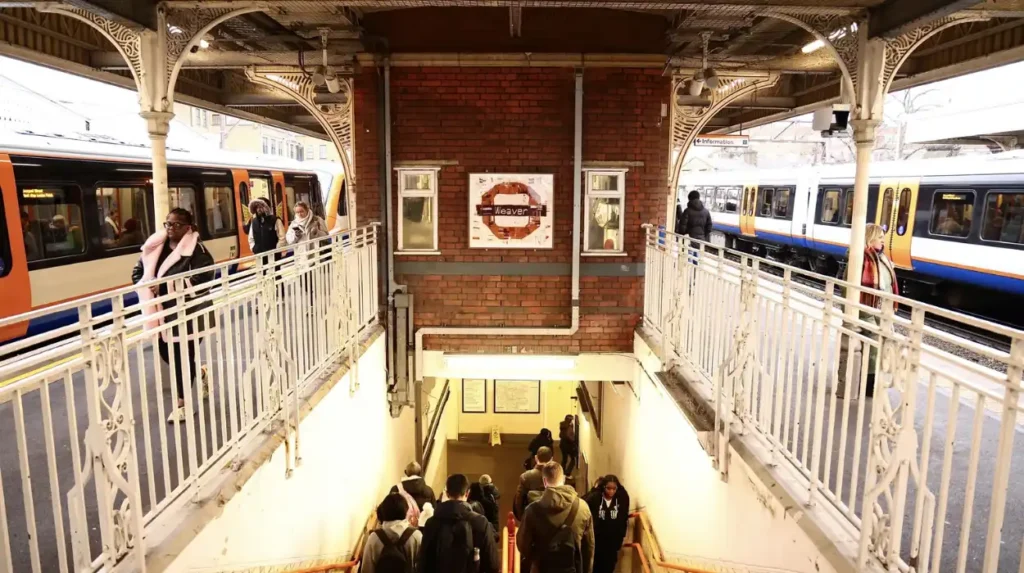
North London stations showcase a spectrum of architectural eras—from early 20th-century entrances to mid-century modernizations and recent accessibility upgrades. Station design often mirrors the urban planning and design movements of its time, offering a tangible link to the area’s history. Accessibility improvements—such as step-free access, tactile paving, and enhanced wayfinding—have become central to making the Underground usable for families, visitors with mobility needs, and those navigating with strollers. Preserving heritage while delivering practical upgrades remains a guiding principle for modern station development.
Local Culture and the Station as a Community Anchor
Around many North London stations, markets, parks, theaters, and independent shops contribute to a walkable, livable urban environment. Stations frequently serve as cultural entry points to neighborhoods, supporting local economies and offering convenient access to daily amenities. Walking routes that connect several stations with green spaces—such as Hampstead Heath, Highgate Woods, and Alexandra Palace—highlight North London’s distinctive blend of urban life and natural scenery.
Practical Guidance for Getting Around
Travelers should plan journeys by considering interchanges between the Northern, Piccadilly, and Jubilee lines, and take advantage of contactless payments for speed and convenience. Off-peak travel often offers a calmer experience and can reduce crowding on popular corridors. For families and visitors with mobility needs, checking station accessibility features in advance helps ensure a smoother trip. Following basic rail etiquette—standing back from the platform edge, minding gaps, and offering courtesy to fellow passengers—enhances the overall experience for everyone.
A Historical Perspective: How the Tube Shaped North London
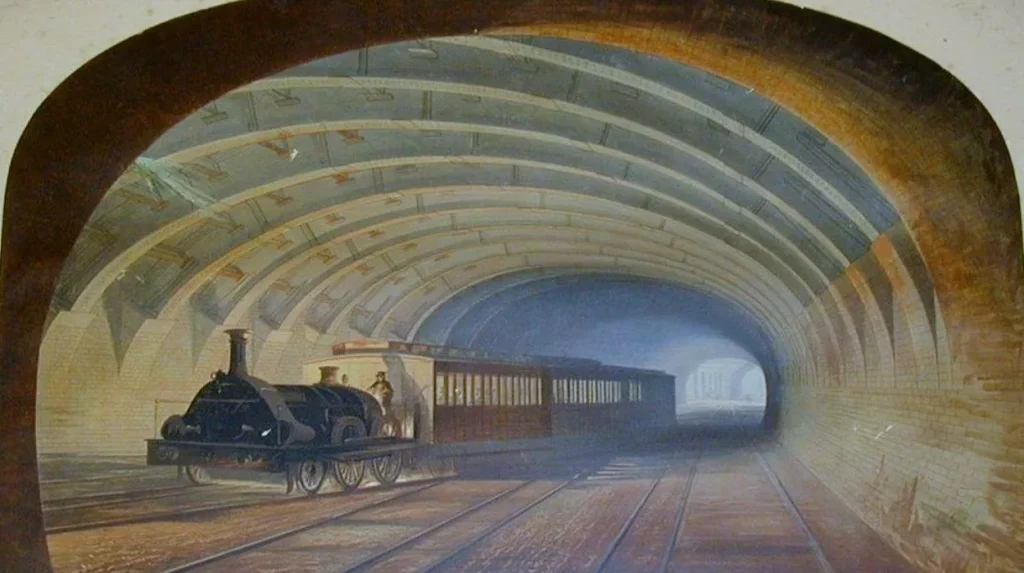
The expansion of the Underground in North London is closely tied to the area’s growth in the late 19th and early 20th centuries. Early tunnels, ventilation shafts, and station architecture collectively tell a story of ambitious civic projects aimed at knitting communities together. The ongoing modernization of stations and lines demonstrates a commitment to preserving heritage while meeting contemporary demands for reliability, accessibility, and environmental sustainability.
Future Developments and Investments
Ongoing and planned upgrades—ranging from signaling improvements to station modernization—promise to enhance reliability and travel times for North London commuters. Public investment and Transport for London’s stewardship aim to balance heritage preservation with the needs of a growing metropolis, ensuring the network remains resilient and adaptable for decades to come. Being aware of scheduled modernization can help readers anticipate changes that may affect local neighborhoods and commute patterns.
North London’s tube stations are not just transit points; they are living parts of communities with enduring histories and evolving roles. By understanding their stories, nearby attractions, and practical travel tips, residents and visitors can enjoy a richer, more connected experience of North London—whether commuting through the Underground, exploring neighborhood charms, or simply appreciating the area’s unique rhythm and character. This evergreen overview is designed to stay relevant as networks, urban life, and local culture continue to evolve.