Hendon is a North London area best known for its aviation heritage, the RAF Museum, Hendon Aerodrome, historic streets, Hendon Park, Middlesex University and a long-established local community. Its identity combines aviation history, Victorian development, green space, education, transport links and surviving historic buildings.
- What is Hendon best known for?
- Why is Hendon important in British aviation history?
- What can visitors see at the RAF Museum in Hendon?
- What historic places is Hendon known for?
- Is Hendon known for Hendon Park?
- What is Hendon known for besides aviation?
- Why is Hendon significant for North London visitors?
- How has Hendon changed from an aviation centre into a modern London district?
- What makes Hendon distinctive today?
- What should visitors know before exploring Hendon?
- Why does Hendon remain an important North London destination?
Located in the London Borough of Barnet, Hendon sits in north-west London between areas including Golders Green, Brent Cross, Colindale and Mill Hill. The district has developed from a historic rural settlement into a densely connected London neighbourhood.
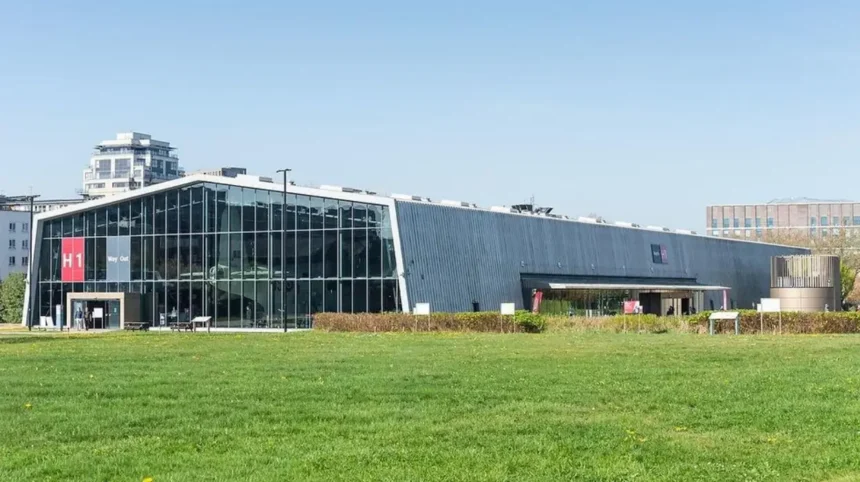
For visitors, Hendon is particularly significant because its aviation history is unusually visible. The former Hendon Aerodrome was an important centre for early British aviation, air displays, aircraft manufacturing and RAF activity. The site now contains the RAF Museum London, which preserves this history through aircraft, exhibitions and historic buildings.
Hendon also has a strong everyday identity beyond aviation. Hendon Park provides a major green space, The Burroughs forms an important civic and educational area, and Middlesex University brings a large student population to the district. Historic buildings such as St Mary’s Church and Hendon Hall add further layers to the area’s heritage.
What is Hendon best known for?
Hendon is best known for the RAF Museum and its aviation heritage, particularly the former Hendon Aerodrome, early air displays and RAF history. It is also recognised for Hendon Park, Middlesex University, historic buildings, established shopping streets and strong North London transport connections.
The strongest association with Hendon is aviation. The area’s connection with flying began before the Royal Air Force existed. Aircraft activity was established at the site in the early 20th century, with Claude Grahame-White becoming a major figure in the development of Hendon as an aviation centre.
The site became known as the London Aerodrome after Grahame-White acquired the land in 1911. Early aviation events attracted large crowds, while flying schools, aircraft workshops and air races established Hendon as an important location in Britain’s developing aviation industry.
The RAF later became central to Hendon’s identity. RAF activity continued through the First World War, the interwar period and the Second World War. The airfield was particularly associated with RAF displays and later military transport and communications.
Today, the RAF Museum provides the most visible connection between modern Hendon and this aviation past. The museum opened at the former RAF Hendon site in 1972 and continues to preserve aircraft, artefacts and stories associated with the Royal Air Force.
Why is Hendon important in British aviation history?
Hendon is important in British aviation history because its aerodrome hosted early flying experiments, aviation schools, aircraft manufacturing, air races, military flying and RAF operations. The site helped establish Hendon as one of Britain’s best-known early aviation centres.
Hendon’s aviation story began in 1909, when Everett & Edgcombe built an aeroplane locally and established a shed for it. By 1910, the site had developed sufficiently to attract other aviation organisations.
Louis Blériot, the French aviator who became the first person to fly across the English Channel, established a flying school associated with the developing aerodrome. Claude Grahame-White then purchased the site in 1911 and developed the London Aerodrome.
Hendon quickly became associated with public aviation. Flying displays and races attracted large crowds at a time when powered flight was still a new technology.
The first Aerial Derby took place at Hendon in 1912. The event started and finished at the aerodrome and attracted an estimated 500,000 spectators around London according to the RAF Museum’s historical account.
Aircraft manufacturing became another important part of Hendon’s history. The Grahame-White Aviation Company produced aircraft and expanded during the First World War. Other aviation companies, including Handley Page and Airco, also operated in the wider local area.
The aerodrome subsequently became an important military location. The Royal Naval Air Service took control during the First World War, and Hendon continued into the RAF era after the Royal Flying Corps and Royal Naval Air Service were combined to create the Royal Air Force in 1918.
Hendon’s air displays continued during the interwar period. The RAF Pageant began there in 1920, attracting very large crowds. The RAF Museum records that attendance increased from 40,000 in 1920 to more than 200,000 by 1925.
This aviation heritage explains why Hendon remains closely connected with British aviation more than a century after the first flying activities began.
For visitors wanting the wider story behind this transformation, provides the historical background needed to understand how Hendon developed from an older settlement into a major aviation and suburban district.
What can visitors see at the RAF Museum in Hendon?
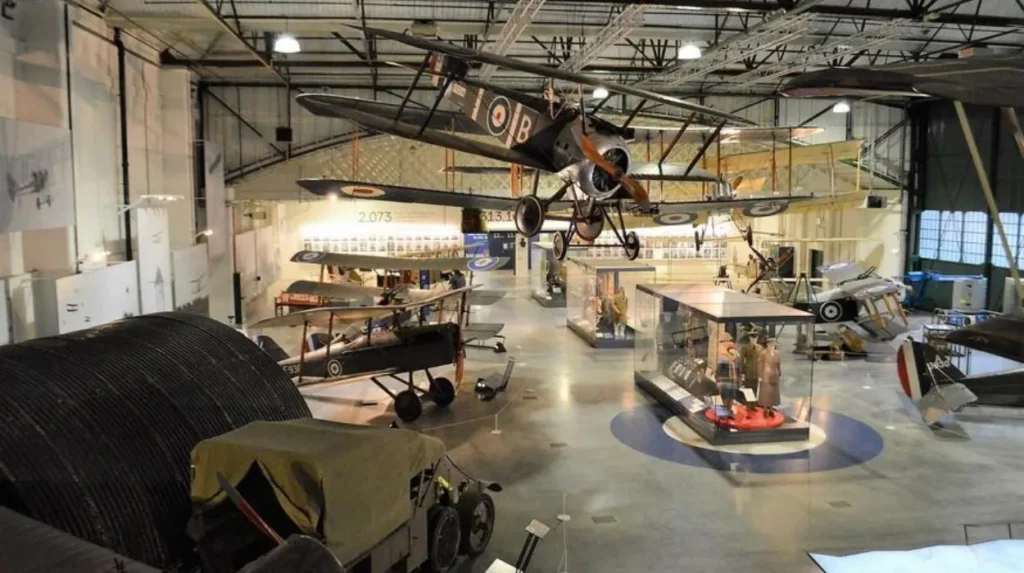
The RAF Museum London contains historic aircraft, aviation artefacts, exhibitions and restored buildings connected with the Royal Air Force. Visitors can explore aircraft displays, historic hangars, interactive experiences and the surviving heritage of the former Hendon Aerodrome.
The RAF Museum is Hendon’s most important visitor attraction and one of the clearest ways to understand the area’s aviation identity.
The London museum is located on Grahame Park Way, NW9 5LL. It is open daily from 10am to 5pm, and general site entry is free, although the museum recommends booking tickets in advance.
The collection includes aircraft from different periods of aviation and RAF history. Displays cover major technological changes, military aviation and the people associated with the Royal Air Force.
Visitors can also experience aviation through additional activities. The museum lists experiences including a 4D theatre, a Spitfire cockpit experience and a flight simulator.
Historic buildings are another important feature. The Grahame-White Watch Office dates from 1915 and was associated with Claude Grahame-White’s aviation company. It later became the airfield control tower. The building has been preserved as part of the museum’s interpretation of Hendon’s aviation history.
The museum also presents the history of the site itself. Its Historic Hendon exhibition explores the development of the location from the London Aerodrome through RAF Hendon to the modern museum. The exhibition is scheduled to run from August 2026 to July 2027.
This makes the museum useful for visitors who want more than an aircraft collection. The buildings, photographs, objects and displays explain why the surrounding area became significant in British aviation.
What historic places is Hendon known for?
Hendon is known for historic places including St Mary’s Church, Hendon Hall, older streets around Church End and Brent Street, and surviving buildings connected with its aviation past. These locations show how Hendon developed from a historic settlement into a modern North London district.
Hendon’s history is not limited to aviation. The district contains evidence of much older settlement patterns and later suburban development.
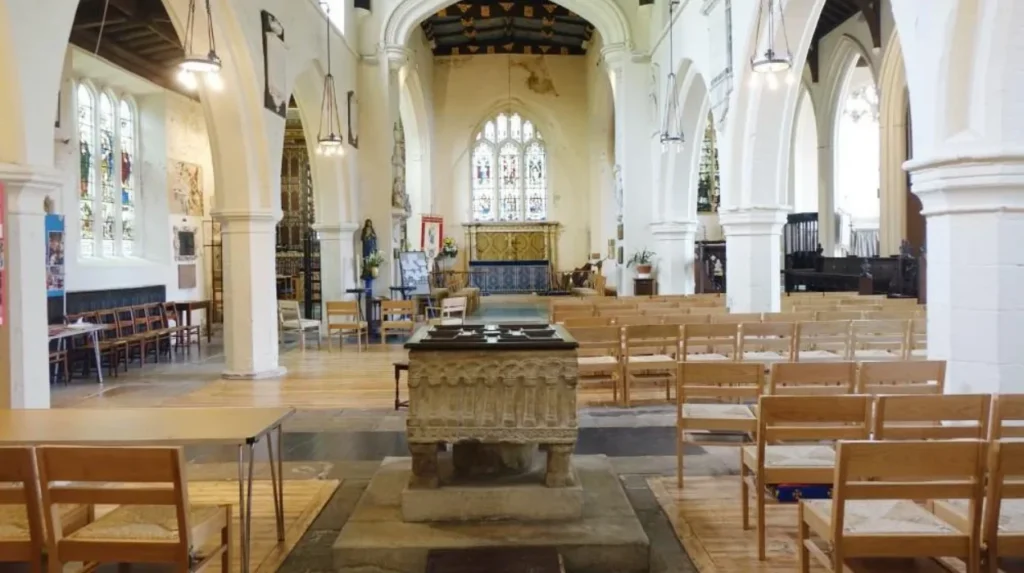
St Mary’s Church at Church End is one of the most important historic buildings in Hendon. Historic England lists it at Grade II* and records a medieval core, later additions, a C15 timber roof and other historic architectural features.
The church provides an important link with Hendon’s pre-industrial history. Its surviving fabric demonstrates that the area had an established religious and community identity centuries before the arrival of aircraft.
Hendon Hall is another notable historic building. Barnet Council’s local history material dates the house to around 1756. It later became a hotel. The building is associated with Hendon’s former country-house landscape and the area’s development before large-scale suburban expansion.
Brent Street also provides evidence of Hendon’s gradual urbanisation. Barnet Council records describe it as part of an old road north from London. A settlement developed around the junction with Bell Lane during the Tudor period, followed by shops, schools, public services and industrial activity.
The street changed substantially during the 19th and 20th centuries. Victorian houses, commercial premises, factories and later modern retail development created the mixed urban character visible today.
These historic locations are useful for visitors who want to explore Hendon beyond its headline aviation attraction.
Is Hendon known for Hendon Park?
Hendon Park is one of the area’s principal green spaces and provides gardens, sports facilities, play areas, an outdoor gym, tennis courts, a café and wildlife interest. Its history also reaches back to land associated with a medieval estate.
Hendon Park is located on Queens Road in NW4 and provides an accessible green space within the built-up North London environment.
Barnet Council records that the park was originally part of a medieval estate known as the Steps Fields. The Goodyer family owned the estate before the land later passed to the Kemp family. Hendon Council opened the park to the public during the period from 1868 to 1903.
The park has developed into a multi-purpose recreation area. Its facilities include basketball, bowls, football, gardens, an outdoor gym, tennis courts, a café, water features and play areas for different age groups.
For leisure travellers, the park provides a straightforward outdoor stop during a North London visit. It also works as a local break between indoor attractions and town-centre activities.
Its location near Hendon Central Underground Station makes it accessible by public transport. Barnet Council lists several bus services serving the area, including routes 113, 143, 186, 362, 643 and 797.
The park therefore contributes to Hendon’s identity in two ways. It is both a recreational space for the modern community and part of the area’s longer land-use history.
What is Hendon known for besides aviation?
Beyond aviation, Hendon is known for Middlesex University, historic streets, Hendon Park, local football, shopping areas and its position between major North London transport routes. These features give the district an everyday identity that extends well beyond its famous aerodrome history.
Middlesex University is one of Hendon’s most important modern institutions. Its main London campus is located on The Burroughs in Hendon.
The university states that its London campus is home to more than 12,000 students. The campus combines academic facilities with spaces for study, collaboration and community activity.
The university also contributes to Hendon’s international character. Students from different countries and backgrounds form part of the district’s contemporary population and support local cafés, shops, services and transport demand.
The Burroughs is particularly important because it combines education, civic functions and local streets within a relatively compact part of Hendon.
Hendon also has a long football association. Hendon Football Club was formed in 1908 as Christ Church Hampstead before later becoming known as Hendon. The club has a substantial history in English non-League football and has won the FA Amateur Cup three times according to its own historical records.
The club currently plays at Silver Jubilee Park in Kingsbury rather than within central Hendon. Its historical connection remains part of the wider identity associated with the Hendon name.
Brent Street and other local shopping areas provide another dimension. Historic commercial development began long before the modern retail environment, with shops recorded in Brent Street by the 1850s.
Together, education, recreation, retail and community institutions make Hendon a functioning urban district rather than simply a historic aviation site.
Why is Hendon significant for North London visitors?
Hendon is significant for North London visitors because it combines a nationally important aviation museum with historic buildings, green space, cultural institutions and strong public transport. Its attractions support short visits, dedicated heritage trips and wider North London itineraries.
Hendon is particularly useful for visitors interested in London’s aviation and transport history.
The RAF Museum is the principal destination. It can occupy several hours because the site includes multiple hangars, aircraft displays, exhibitions and additional visitor experiences. The museum also has a café and outdoor areas.
The museum states that its London site is approximately 10 minutes from Junction 4 of the M1, around 20 minutes from central London by Thameslink train and around seven minutes by bus from Colindale Underground Station.
Transport accessibility also supports visitors exploring Hendon alongside neighbouring North London districts.
Middlesex University provides another point of interest for visitors attending events, open days or conferences. The university describes its Hendon campus as close to the Northern line and Thameslink railway, with central London reachable in under 30 minutes.
Hendon Park adds an outdoor element. Historic Church End and the area’s older streets provide opportunities for visitors interested in architecture and local history.
The result is a destination with several visitor themes: aviation, military history, architecture, education, green space and urban heritage.
How has Hendon changed from an aviation centre into a modern London district?
Hendon changed from a semi-rural settlement into a major suburban district through transport development, industrial growth, aviation, housing expansion and institutional investment. The former aerodrome was gradually redeveloped, while the RAF Museum preserved an important part of its aviation identity.
The transformation accelerated during the 19th and 20th centuries.
Before modern suburbanisation, Hendon contained estates, farms, country houses, village streets and agricultural land. Improved roads and transport encouraged population growth and development.
Aviation then introduced an entirely new economic and technological role. The London Aerodrome attracted pilots, manufacturers, engineers, spectators and military organisations. Aircraft factories expanded, while housing was built for workers connected with aviation industries.
Government control of the aerodrome increased after the First World War. The RAF became the site’s principal military authority, and Hendon remained associated with flying and military communications for decades.
The final aircraft used Hendon’s runways in 1968. The RAF Museum opened on the site in 1972, converting the location from an operational aviation facility into a public museum and heritage destination. RAF Hendon officially closed in 1987.
Much of the former airfield was subsequently redeveloped for housing and other uses. The museum retained important structures and collections, ensuring that the site’s aviation history remained visible.
This process explains an important feature of modern Hendon: contemporary streets and residential areas exist alongside buildings and institutions linked to earlier periods.
What makes Hendon distinctive today?
Hendon is distinctive because its modern identity retains direct links with its past. The former aerodrome survives through the RAF Museum, while historic churches, streets, parks, education and transport infrastructure create a broader North London destination.
Hendon’s strongest defining feature is the continuity between history and modern life.
The former aviation site is not simply remembered through plaques or archives. Aircraft, hangars, historic buildings and exhibitions remain physically connected with the location where early aviation developed.
The RAF Museum describes Hendon as having a long aviation history that began before the RAF itself. Its surviving collections preserve the technological, military and social history associated with the site.
At the same time, Hendon functions as a modern residential and institutional district. Middlesex University brings more than 12,000 students to the area, while Hendon Park provides recreational space for residents and visitors.
Historic buildings add another layer. St Mary’s Church demonstrates Hendon’s medieval and later architectural history, while Hendon Hall represents the area’s country-house period. Brent Street records the transition from an older road and settlement into a commercial urban area.
This combination makes Hendon relevant to several types of visitor. Aviation enthusiasts have the RAF Museum. Heritage visitors have historic buildings and streets. Leisure visitors have Hendon Park. Students, conference visitors and business travellers have Middlesex University and its surrounding services.
Hendon’s identity therefore rests on several connected layers rather than one attraction. Its aviation heritage is the most nationally recognisable element, but its parks, historic architecture, education sector and transport connections explain why the district remains an important part of North London.
Explore More Area Guide
Camden Market London: Shops, Food and Opening Times Camden 2026
What Is Finchley Known For? History, Parks and Landmarks
What should visitors know before exploring Hendon?
Visitors should plan Hendon around the RAF Museum, then add Hendon Park, historic Church End, local streets and nearby attractions according to available time. Checking current museum opening arrangements and transport information helps create an efficient visit.
The RAF Museum is the clearest starting point for first-time visitors because it explains the area’s most distinctive historical connection.
General museum entry is free, although advance booking is recommended. The museum currently lists opening hours of 10am to 5pm daily.
Visitors interested in a particular aircraft or exhibition should check availability before travelling because the museum undertakes maintenance and conservation work that can temporarily affect individual displays.
After the museum, Hendon Park provides a natural outdoor addition. Historic Church End offers a different experience focused on architecture and local heritage.
The Burroughs and Middlesex University area provides another perspective on contemporary Hendon. Public transport is practical, with access to the Northern line, Thameslink and local buses.
For visitors combining Hendon with nearby North London destinations, the area’s location also makes it useful as part of a broader itinerary.
Hendon is therefore best understood as a place where aviation history provides the central identity while parks, heritage buildings, education, retail and transport give the district its modern character.
Why does Hendon remain an important North London destination?
Hendon remains important because its aviation heritage has been preserved as a major national museum while its historic streets, green spaces, university and transport connections continue to serve a growing modern community. Its past and present remain closely connected.
The RAF Museum is the clearest measure of Hendon’s continuing cultural importance. The museum is a national museum and a Government non-departmental public body, with its London site established at Hendon in 1972.
Its presence ensures that Hendon’s aviation history remains accessible to new generations. The site’s significance extends from early civilian aviation and air racing to the RAF, wartime operations and modern aviation heritage.
Hendon’s wider heritage also remains visible. Grade II* St Mary’s Church, historic Hendon Hall, older streets and surviving aviation buildings provide physical evidence of different periods in the area’s development.
Modern institutions reinforce the area’s continuing role. Middlesex University’s Hendon campus serves more than 12,000 students, while Hendon Park provides sports, recreation and green space.
For tourists and leisure travellers, Hendon offers a concentrated combination of aviation, heritage, green space and contemporary London life. For residents and business visitors, its transport links and local facilities make it a practical North London base.
Hendon is therefore known first for aviation, but its full identity is broader. The former aerodrome, RAF Museum, historic buildings, university, parkland and established streets collectively explain why Hendon remains one of North London’s most distinctive areas.
What is Hendon best known for?
Hendon is best known for its aviation heritage, particularly the RAF Museum London and the former Hendon Aerodrome. The area is also known for Hendon Park, Middlesex University, historic buildings and established North London streets.