Key Points
- The Liberal Democrats are pursuing a low-key election strategy aimed at positioning themselves as everyone’s second choice.
- Labour has dominated Haringey council in north London for over 50 years, with strong ties to Islington and Corbynista influence.
- Momentum gained control of the Haringey council in 2018.
- Reform UK and Conservatives show minimal presence in this left-leaning area characterised by tower blocks, corner shops, and cycle lanes.
- A key local election battle pits a tired and unpopular governing Labour Party against the insurgent Greens.
- A recent poll indicates Green Party leader Zack Polanski is on track to challenge Labour’s hold in this part of London’s heartlands.
- YouGov’s latest MRP poll of the capital, published by More in Common, shows a very close race in the area.
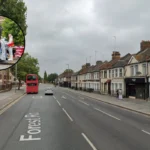
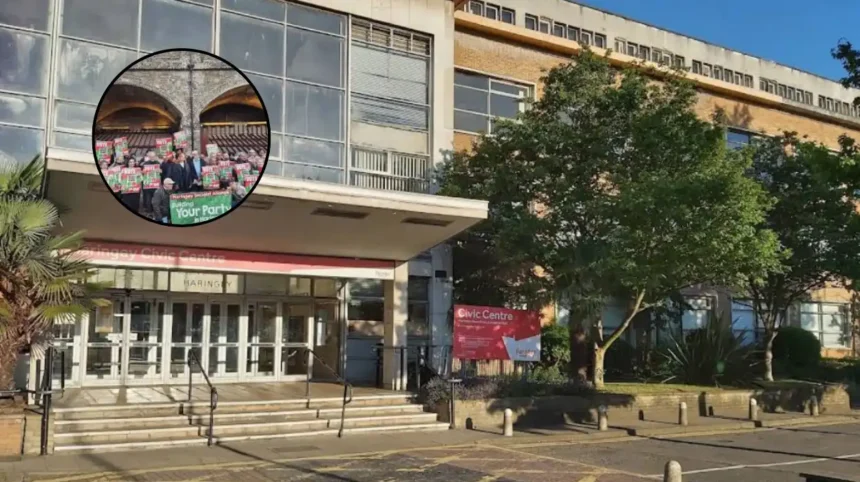
Haringey (North London News ) April 24, 2026 –Haringey, North London, has been under Labour Party control for more than half a century. As reported in The Spectator by an unnamed political correspondent, the borough sits geographically adjacent to Islington, the deep red stronghold associated with Corbynistas, though spiritually aligned with it. The area features tower blocks, corner shops, and cycle lanes, forming a left-leaning urban landscape where Reform UK and the Conservatives maintain a negligible presence.
- Key Points
- Why are the Liberal Democrats running a low-key election campaign?
- What is the context of Labour’s long control in Haringey?
- Who is Zack Polanski, and what does the poll say?
- How does Momentum’s 2018 takeover factor in?
- What defines Haringey’s political landscape?
- Background of the Particular Development
- Prediction: How This Development Can Affect Local Voters in Haringey and North London
Why are the Liberal Democrats running a low-key election campaign?
This setup positions Haringey as prime territory for pivotal battles in the upcoming local elections. The Spectator article highlights a contest between a tired and unpopular governing Labour Party and the insurgent Greens.
A recent poll, as cited in the piece, places Green Party co-leader Zack Polanski on track to disrupt Labour’s dominance in this corner of the party’s London heartlands.
YouGov’s latest MRP poll of the capital, referenced via More in Common’s insights at https://www.moreincommon.org.uk/latest-insights/more-in-common-s-april-2026-mrp/, indicates a nail-bitingly close race. The poll underscores the competitive dynamics without specifying exact margins, reflecting broader uncertainties in London’s local political landscape.
What is the context of Labour’s long control in Haringey?
Labour’s grip on Haringey council dates back over 50 years, as detailed in the Spectator coverage. The borough’s proximity to Islington reinforces its left-wing credentials.
In 2018, Momentum, the pro-Corbyn activist group, seized control of the council, amplifying progressive influences amid tower blocks and urban infrastructure like cycle lanes.
The article from The Spectator describes the area as a “lefty urban jungle,” devoid of meaningful Reform UK or Tory footholds. This isolation from right-wing parties frames the primary rivalry as Labour versus the Greens.
Who is Zack Polanski, and what does the poll say?
Zack Polanski, eco-populist leader of the Green Party, emerges as a central figure. The Spectator poll reference suggests he is positioned to “wrench” control from Labour in this key area.
No specific polling numbers are provided in the source, but the language implies a strong challenge.
Complementing this, the YouGov MRP model via More in Common paints a tight contest across London, with Haringey highlighted for its intensity.
These insights draw from data up to April 2026, capturing voter sentiment amid national political fatigue.
How does Momentum’s 2018 takeover factor in?
Momentum’s 2018 takeover of Haringey council marked a shift towards Corbyn-aligned policies.
As per The Spectator, this event solidified the borough’s progressive stance, aligning it with Islington’s political culture despite the borough boundary.
The group’s influence persists, contributing to Labour’s entrenched but now vulnerable position against Green advances.
What defines Haringey’s political landscape?
Tower blocks, corner shops, and cycle lanes characterise Haringey’s environment, as noted in the Spectator piece. This urban fabric supports a lefty demographic uninterested in Reform or Tory appeals, narrowing contests to Labour-Greens dynamics.
Background of the Particular Development
Haringey council’s political history dates back to Labour’s dominance since the mid-20th century, rooted in the area’s working-class and immigrant communities. The 2018 Momentum takeover followed internal Labour battles, installing left-wing candidates focused on housing, anti-austerity measures, and environmental policies.
Proximity to Islington, home to figures like Jeremy Corbyn, has culturally linked the boroughs. Recent polling shifts reflect national trends: declining trust in Labour post-government tenure, rising Green appeal on climate and local issues, and tight MRP projections signalling potential losses in urban strongholds. The Lib Dems’ “beige” strategy, as critiqued in the Spectator title, contrasts by avoiding bold moves, targeting second-preference votes amid multi-party fragmentation. This development builds on 2025 local election patterns, where the Greens gained in similar London boroughs like Hackney and Lewisham.
Prediction: How This Development Can Affect Local Voters in Haringey and North London
This close race could lead to a Green breakthrough, potentially shifting council priorities towards intensified green policies such as expanded cycle infrastructure and housing retrofits, directly impacting residents reliant on public services. Labour voters might face diluted influence if seats flip, prompting policy compromises on issues like social housing amid Momentum’s legacy.
For undecided or second-choice seekers, Lib Dem positioning offers stability without radical change, influencing turnout in low-key campaigns. Overall, a Green gain may accelerate environmental initiatives benefiting cyclists and eco-conscious families, while pressuring Labour to address unpopularity through concessions; conversely, Labour retention would maintain status quo services but risk further voter apathy in this urban demographic.