Key points
- A wave of antisemitic attacks on synagogues, community centres and Jewish‑owned properties in London has created a climate of anxiety among Jewish residents, even as many publicly affirm their determination to stay.
- In the past month, there have been multiple incidents, including arson attacks on Jewish ambulances in Golders Green and an attempted firebombing at Finchley Reform Synagogue, prompting arrests and heightened police presence.
- Jewish community leaders and organisations such as the Board of Deputies of British Jews and the Community Security Trust (CST) report record‑high levels of antisemitic incidents, with CST recording 3,700 incidents in the UK last year, the second‑highest annual total on record.
- Parents and congregants say they are fearful about sending children to Jewish schools and attending synagogue services, yet others respond by turning out in larger numbers to worship and community events as an act of defiance.
- Some Jewish leaders have criticised the way some politicians, including Israeli officials, have used the attacks for political messaging, arguing that they should instead focus on practical support and solidarity.
Finnell (North London News) April 24, 2026. In north London’s Golders Green, Finchley and surrounding areas, Jewish residents have been caught between a surge of antisemitic attacks and a growing determination not to be driven from their homes, schools and synagogues, as reported by multiple outlets covering the capital’s Jewish community. Recent incidents, including arson attacks on Jewish ambulances and an attempted firebombing of Finchley Reform Synagogue, have left many feeling “shaken and fearful,” yet community leaders say attendance at services and events has actually risen in response.
- Key points
- What has happened in London’s Jewish community?
- How are Jewish congregants and leaders responding?
- How extensive are the recent attacks?
- Why are leaders worried about political exploitation?
- What are the implications for security and daily life?
- Background of the particular development
- Prediction: How can this development affect the target audience
What has happened in London’s Jewish community?
As reported by CNN’s staff in London, a week of assaults on synagogues and other communal buildings in early 2026 has fostered a climate of heightened concern among Jewish residents, while simultaneously reinforcing a sense of resolve in parts of the community.
The Community Security Trust (CST), which monitors antisemitic incidents in the UK, recorded about 3,700 such incidents last year, the second‑highest annual total since records began, underlining how entrenched the problem has become.
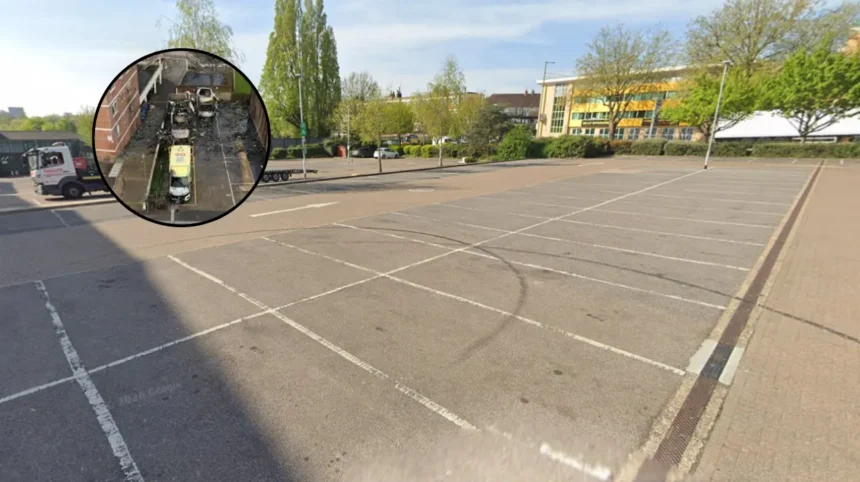
In Golders Green, an arson attack on ambulances belonging to the Jewish charity Hatzola last month became a focal point for anxiety, with local leaders warning that the incident was not just a one‑off but part of a sustained pattern of intimidation.
As reported by the London Evening Standard, the fire targeted vehicles used by volunteer paramedics serving the Jewish community, prompting fears that such attacks could escalate into more serious threats to life.
Just days later, in the early hours of a Wednesday, police were called to Finchley Reform Synagogue after an attempted arson attack on the building.
Two people were arrested in connection with the incident, and local media reported that the synagogue’s exterior was damaged, although the fire was extinguished before the main structure was destroyed.
How are Jewish congregants and leaders responding?
Rabbi Yehuda Black of Kenton Synagogue in Harrow, which also suffered an arson attack over the weekend, described the episode as part of a broader pattern of intimidation rather than an isolated event, as quoted by CNN. In a post on social media, he shared images of congregants gathering in his home for prayer, saying:
“We must not be dissuaded by what is unfolding outside. It should not, in any manner, alter our identity as Jews.”
Michael Wegier, secretary general of the Board of Deputies of British Jews, told CNN that the community feels “anxious but resilient,” capturing a mix of fear and determination. He explained that he hears from parents worried about sending their children to Jewish schools and from families anxious about attending synagogue, yet also from others insisting that
A London woman named Sharon, who lives in Hendon—a north‑west suburb with a large Jewish population—spoke to CNN about the toll the attacks are taking. She said that the surge of antisemitic incidents targeting Jewish venues such as synagogues and kosher restaurants has left her, as a British Jew born and raised in London, feeling “shaken and fearful.”
How extensive are the recent attacks?
As reported by the BBC, the rise in antisemitic incidents in London has included more than just arson. There have been spitting attacks, verbal threats and physical assaults, with victims describing being called “baby killer” and other slurs in the context of the Israel–Hamas conflict.
Some of those targeted say they feared for their lives, especially when they were attacked in broad daylight or on public transport.
The BBC also noted that the latest flare‑up comes on top of a broader uptick in hate crimes since the war in Gaza intensified, with Jewish, Muslim and other minority groups reporting harassment and intimidation.
In north London, attacks have ranged from vandalism with offensive graffiti to attempted arsons and harassment of individuals identifiable as Jewish, such as those wearing religious head coverings or visibly carrying religious items.
Why are leaders worried about political exploitation?
In an interview cited by Haaretz‑style coverage, a London Jewish community leader criticised the way some politicians have turned the attacks into what they called a “political football.” The unnamed leader said that some Israeli politicians in particular have used the rise in antisemitism in the UK to argue that “it’s all over for the Diaspora,” suggesting that Jews cannot be safe living outside Israel.
The leader added that this framing felt more like a photo‑op than genuine support, saying:
“This includes Israeli politicians who have used these attacks to say ‘oh, it’s all over for the Diaspora,’ instead of offering love and support and care.”
They argued that Jewish communities in London, many of which have existed for decades or even centuries, should be backed with practical measures—such as improved security and legal protections—rather than dramatic political statements.
What are the implications for security and daily life?
Security at many synagogues and Jewish schools has been tightened in response to the recent attacks, with organisations and community leaders urging congregants to report any suspicious activity to the CST or the police.
At some venues, the number of security guards has increased, but Jewish residents have noted that guards cannot realistically prevent every form of attack, especially those carried out by individuals armed or intent on causing serious harm.
As quoted by the London Evening Standard, one local activist said that the community has been “living under a low‑level threat” for years, but the recent incidents have made the danger feel more immediate and visible.
The arson attack on Hatzola ambulances in Golders Green, followed quickly by the attempt on Finchley Reform Synagogue, reinforced the sense that the attacks are not random but deliberately targeted at visible symbols of Jewish life.
Background of the particular development
The current wave of antisemitic attacks in London must be understood against a longer‑term backdrop of rising hate crime in the UK, particularly since the start of the Israel–Hamas war in late 2023.
Earlier in 2023, Dr Elliot Sorene, a London surgeon and Jewish community member, described the period as “the worst two months of our lives,” citing both the war in Gaza and a sharp increase in antisemitic incidents in the capital.
The CST has recorded sharply higher numbers of antisemitic incidents since 2023, with particular spikes around major political events and conflicts in the Middle East.
Jewish leaders have warned that online rhetoric often spills over into harassment and physical abuse, with social‑media campaigns sometimes encouraging boycotts of Jewish‑owned businesses or using inflammatory language about Jewish communities.
In north London, areas such as Golders Green, Hendon and Finchley have long been home to some of the largest concentrations of Jews in the UK, with multiple synagogues, schools, kosher shops and charitable organisations concentrated in relatively small geographic zones.
This visibility makes the community more exposed to targeted attacks, but also more visible in its acts of solidarity, such as the packed services at Finchley Reform Synagogue shortly after the attempted arson.
Prediction: How can this development affect the target audience
For London’s Jewish community, this pattern of attacks and counter‑responses is likely to deepen a sense of both vulnerability and resolve. Families may increasingly weigh questions of safety when deciding whether to send children to Jewish schools, attend synagogue regularly or participate in public community events, potentially leading some to reduce their visibility in Jewish spaces while others double down on attendance as an act of defiance.
For local residents more broadly—especially those in north London—this development may heighten awareness of antisemitism as a specific form of hate crime, but could also risk conflating criticism of Israeli government policy with hostility toward Jewish people. Community organisations and schools may respond by expanding interfaith and educational programmes, while local authorities may come under greater pressure to bolster security around minority‑owned premises and to document and prosecute hate crimes more effectively.