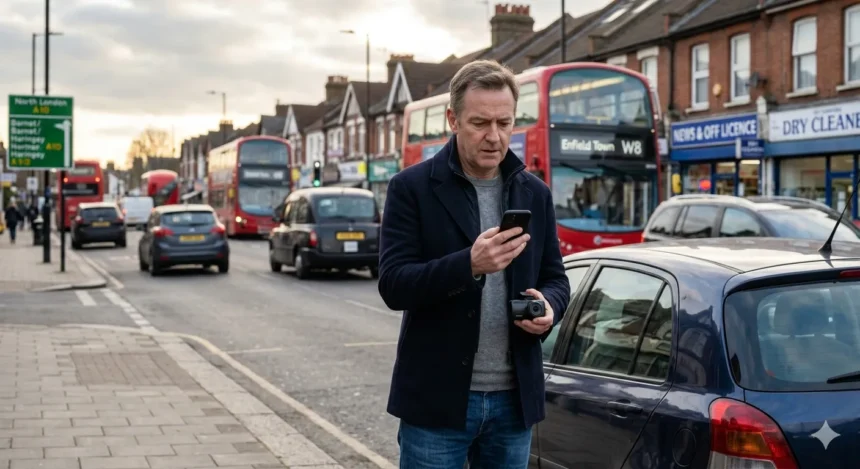
To report dangerous driving on North London roads, call 999 if it’s an immediate risk of harm, or use 101 or the Metropolitan Police online form for non-emergencies, providing vehicle details, location, time, and evidence like dashcam footage. Residents in Brent, Barnet, Enfield, Camden, Haringey, and Islington can act quickly through these channels to enhance road safety.
Why This Matters to Local Residents
Dangerous driving poses a real threat to everyday life in North London. With busy roads connecting boroughs like Brent and Camden, aggressive manoeuvres or speeding can lead to collisions affecting families, commuters, and pedestrians alike.
Local residents often share these routes for school runs, work travel, or shopping in areas such as Enfield or Haringey. Reporting helps prevent accidents, reduces community anxiety, and contributes to safer neighbourhoods over time.
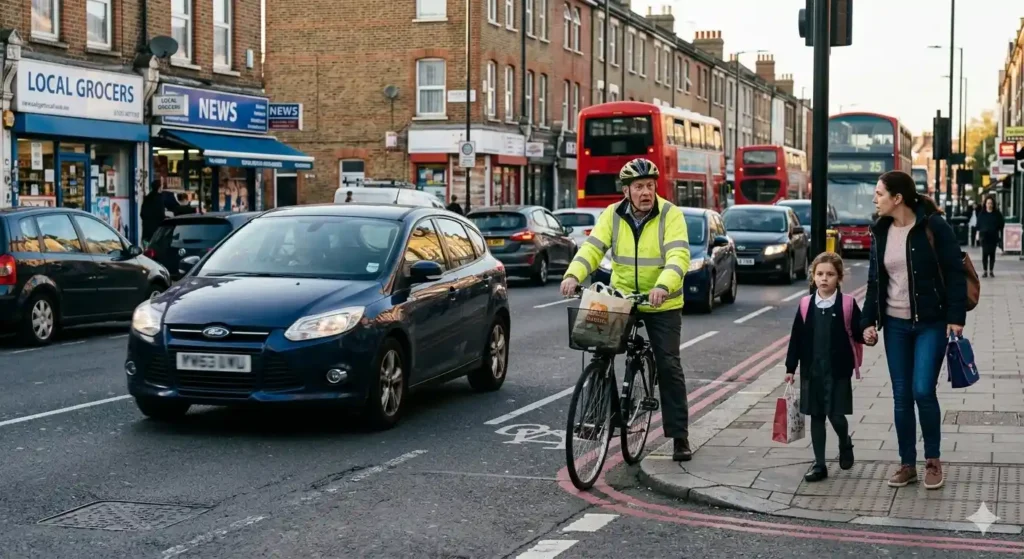
In densely populated spots around Islington or Barnet, even minor incidents escalate risks. Taking action protects vulnerable road users, including cyclists and children, fostering a sense of shared responsibility.
Step-by-Step Actions
Follow these clear steps to report dangerous driving effectively.
- Assess the situation first: If the driving endangers lives right now, such as swerving wildly or ignoring signals, pull over safely and dial 999. Stay out of harm’s way while providing details.
- Gather key details immediately: Note the vehicle’s registration plate, make, model, colour, exact location (e.g., A406 in Haringey), time, date, and driving behaviour like tailgating or undertaking.
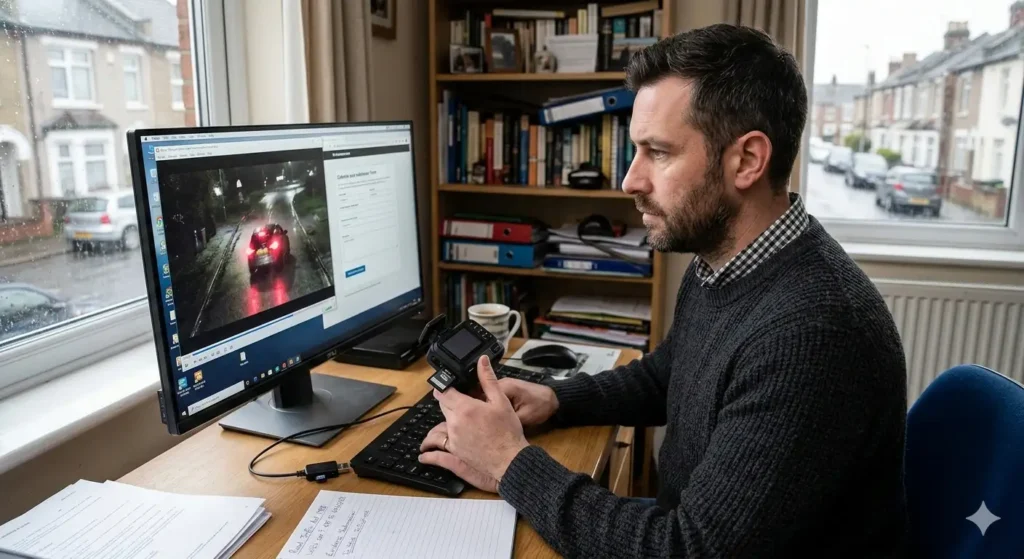
- Report via non-emergency channels: For incidents after the fact, call 101 or use the Metropolitan Police online reporting form for road traffic offences. Upload dashcam footage if available through portals like Operation Snap.
- Submit a witness statement: Provide a clear description of events. Include any passenger or independent witness details to strengthen the report.
- Follow up politely: Note any reference number given and check progress if needed after a reasonable period.
These steps ensure your report reaches the right team swiftly.
Which Council Service Handles It
Councils in North London focus on highways maintenance, but dangerous driving falls under police jurisdiction. The Metropolitan Police service covers Brent, Barnet, Enfield, Camden, Haringey, and Islington as the primary authority.
Local councils like Brent Council or Barnet Council handle related issues such as potholes or signage that might contribute to risks, but refer driving offences directly to police. North London councils coordinate with police on broader road safety initiatives.
For borough-specific input, contact your local council’s highways team after police reporting, but the Met Police leads on individual driver reports.
Information or Documents Needed
Prepare these essentials to make your report actionable.
A detailed vehicle description is crucial: registration number, colour, make, model, and any distinguishing features.
Include incident specifics: precise location (postcode or landmark in Camden or Enfield), date, time (e.g., rush hour on 2 March 2026), weather conditions, and exact behaviours observed.
Evidence strengthens cases: dashcam video, photos, or witness contacts. Police may request a formal statement later.
No formal documents are required upfront, but keep personal details like your name and contact ready for follow-up.
Expected Response Time
Police prioritise based on risk level. Emergency 999 calls receive immediate attention during the incident.
Non-emergency reports via 101 or online typically see initial review within days, with high-risk cases escalated to Road Policing Units promptly.
Full investigations, including footage checks, may take weeks, depending on evidence and workload. Over 33,000 dashcam reports were handled in 2023, showing efficient processing.
You will get a reference number instantly for tracking. Outcomes range from warnings to prosecution.
What to Do If Follow-Up Is Required
Keep your reference number safe for any updates. Contact the same police force via 101, quoting the details, if no response after two weeks.
Police may request more information, like clarifying footage or witness statements. Respond promptly to aid progress.
If unsatisfied, escalate within the force’s complaints process or seek advice from road safety groups, but start with the reporting team.
Persistence ensures your input contributes to action.
Rights and Responsibilities Under UK Rules
UK law defines dangerous driving as operating a vehicle far below expected standards, risking serious harm (Road Traffic Act 1988). Reporters have the right to submit evidence anonymously in some cases, though full details aid investigations.
Your responsibility includes providing accurate information; false reports can lead to consequences. Be prepared to attend court as a witness if prosecution follows.
Drivers reported face penalties: unlimited fines, licence points, or bans. As a reporter, you uphold public duty without personal liability if acting in good faith.
These rules balance community safety with fairness.
Practical Tips to Avoid the Problem in Future
Stay vigilant on North London roads by maintaining safe following distances, especially in Brent or Islington traffic.
Install a dashcam for reliable evidence—many models integrate with police portals for quick uploads.
Report patterns in your area, like recurring speeding on Barnet roads, to build stronger cases over time.
Drive defensively: anticipate hazards near schools in Haringey or Enfield, and use apps for real-time traffic awareness.
Encourage passengers to note details during incidents, boosting collective road safety efforts.